

Review: ALICE ET LA PIERRE D'OPAZE at La Sucrerie de Wavre
Visual Feast With Ambitious, Style Potpourri Music
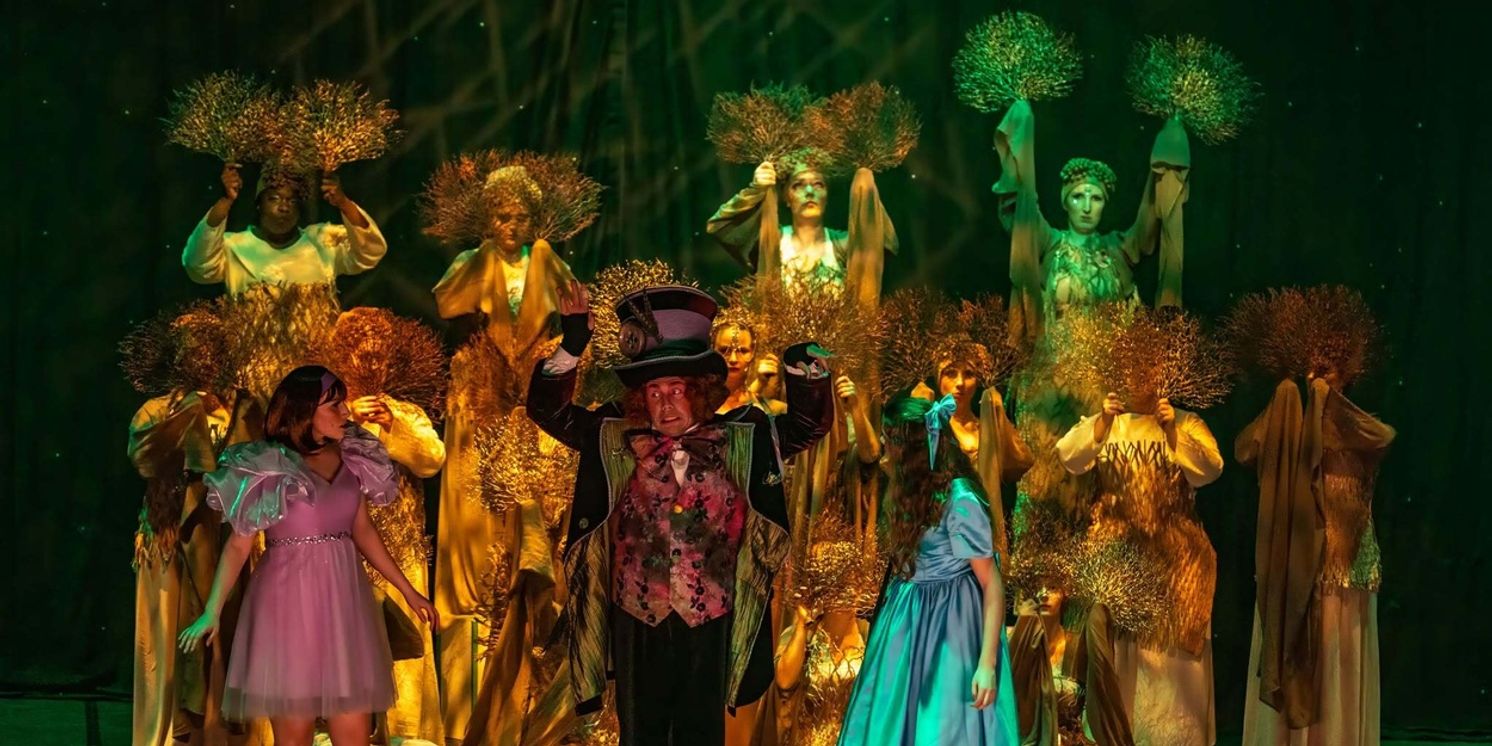
Art Fantesies has built its reputation in Belgium on family friendly musical theatre with big heart and big visuals, and ALICE ET LA PIERRE D’OPAZE fits that identity perfectly. Conceived for the company's 20th anniversary, as an original sequel to Alice in Wonderland, the story follows Alice as she’s pulled back into a Wonderland now controlled by the Queen of Hearts, with her sister Célia missing and a mysterious Opal Stone at the centre of the conflict.
The performance I saw at La Sucrerie de Wavre benefited from an ideal setting. The venue is modern, clean, and minimalistic, which allows the show's colourful theatrical imagery to shine beautyfully on stage. The large auditorium was almost full, and even with a slight late start, the audience energy was warm and receptive from the beginning.
The show opens on a striking image, a giant open book that immediately frames the evening as a fairytale drawn from its pages. It’s a smart concept, and it sets up one of the production’s strongest assets, its design.
(1).jpg?format=auto&width=1400 "Review: ALICE ET LA PIERRE D'OPAZE at La Sucrerie de Wavre")
Across the evening, the sets and costumes consistently do the heavy lifting, transporting the audience through different environments with inventivity and a real taste for color and texture. The hybrid approach to costume design, human silhouettes enhanced by animal elements, works very well in characters like the cats, and once Alice enters Wonderland, the production leans into vibrant colours and complex textures. The flower hat costumes are beautiful, and the Queen’s card palace world is another highlight, both visually strong and theatrical.
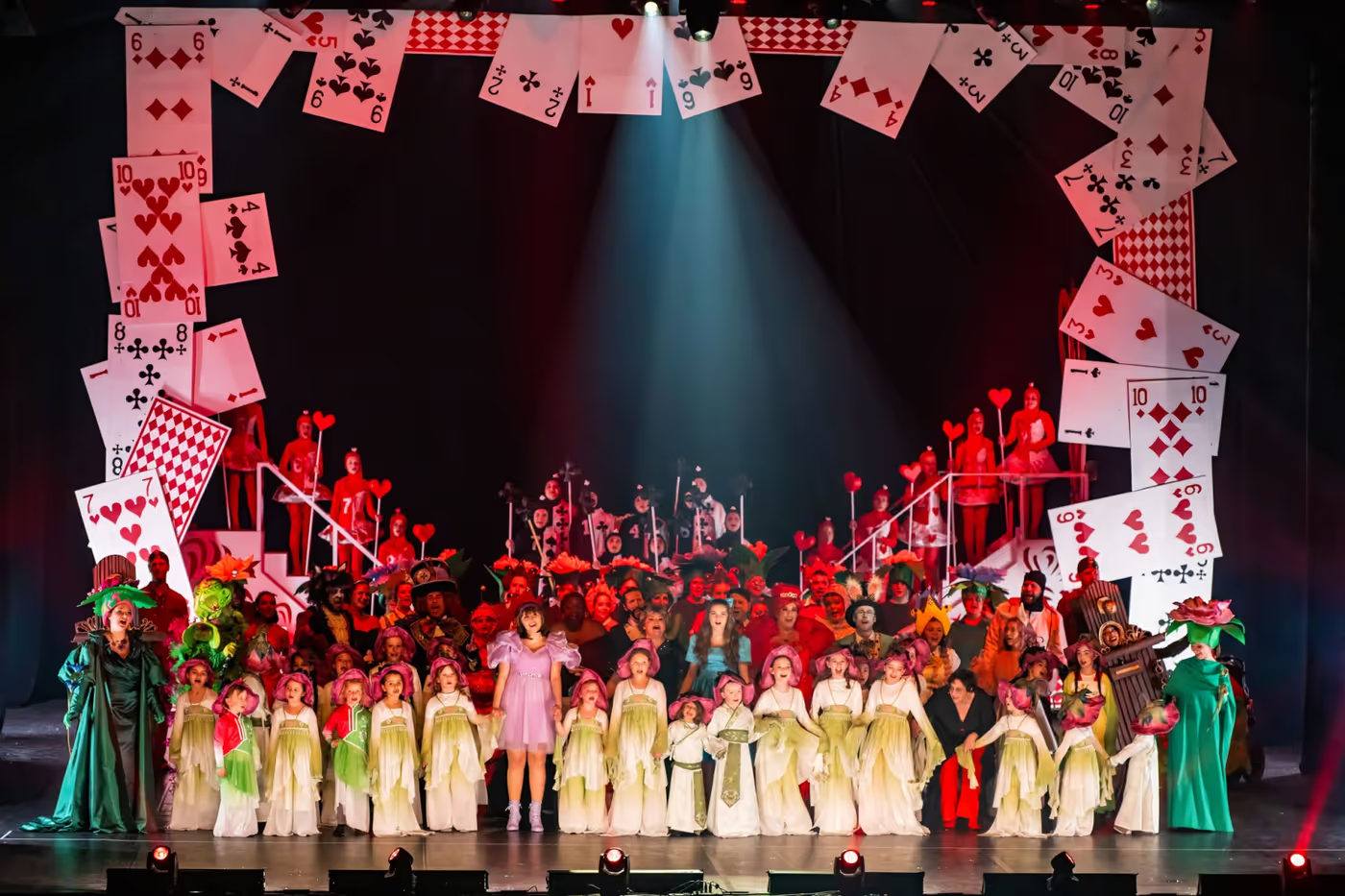
Lighting is also used with real imagination. The tea party scene, in particular, stands out for its inventive backdrop and intelligent gobo effects that makes the space feel alive. The caterpillar sequence is another visually memorable moment, colourful, stylised, and enhanced by choreography that uses fabric and flowing material to create movement in the air.
Musically, the score shows a serious amount of work. Ulysse Lefèvre's orchestrations are rich, and the decision to treat Alice’s world as a potpourri of styles is arguably the right one for a story built on constant surprise. The score takes us through tango, cabaret, waltz, oriental influences, popular flavours, and operetta touches, and it keeps the audience entertained through its variety. The challenge, however, is that the constant stylistic shift sometimes makes it harder for signature themes to settle. By the end of the night, I appreciated the work, but I wasn’t leaving with a melody stuck in my head, which feels like a missed opportunity given how much musical material is on display.
Vocally, the show is uneven, though there are clear highlights. Several roles lean toward spoken delivery rather than sustained singing, including Lucas Romain as the Rabbit, Cyril Magnée as Absolème, and Ulysse Lefèvre as the Mad Hatter in the first half of the show. That spoken forward style can work theatrically, especially in a show aimed at younger audiences, but it also means parts of the score don’t always land with the full musical payoff their orchestrations suggest. Lefèvre does move into stronger sung delivery later, especially in the fight song that closes Act One, which brings a much needed momentum, right before intermission.
.jpg?format=auto&width=1400 "Review: ALICE ET LA PIERRE D'OPAZE at La Sucrerie de Wavre")
Camille Sana’s Alice has an earnest, open energy that reads well in a family format, and she’s clearly committed to carrying her character’s emotional arc. Vocally, she’s got potential, but you can feel that she’s still building experience, especially in the middle range where the transition between registers can become less stable. It’s the kind of role that will only deepen as technique settles, because the character’s journey is well suited to a calmer, more grounded simplicity.
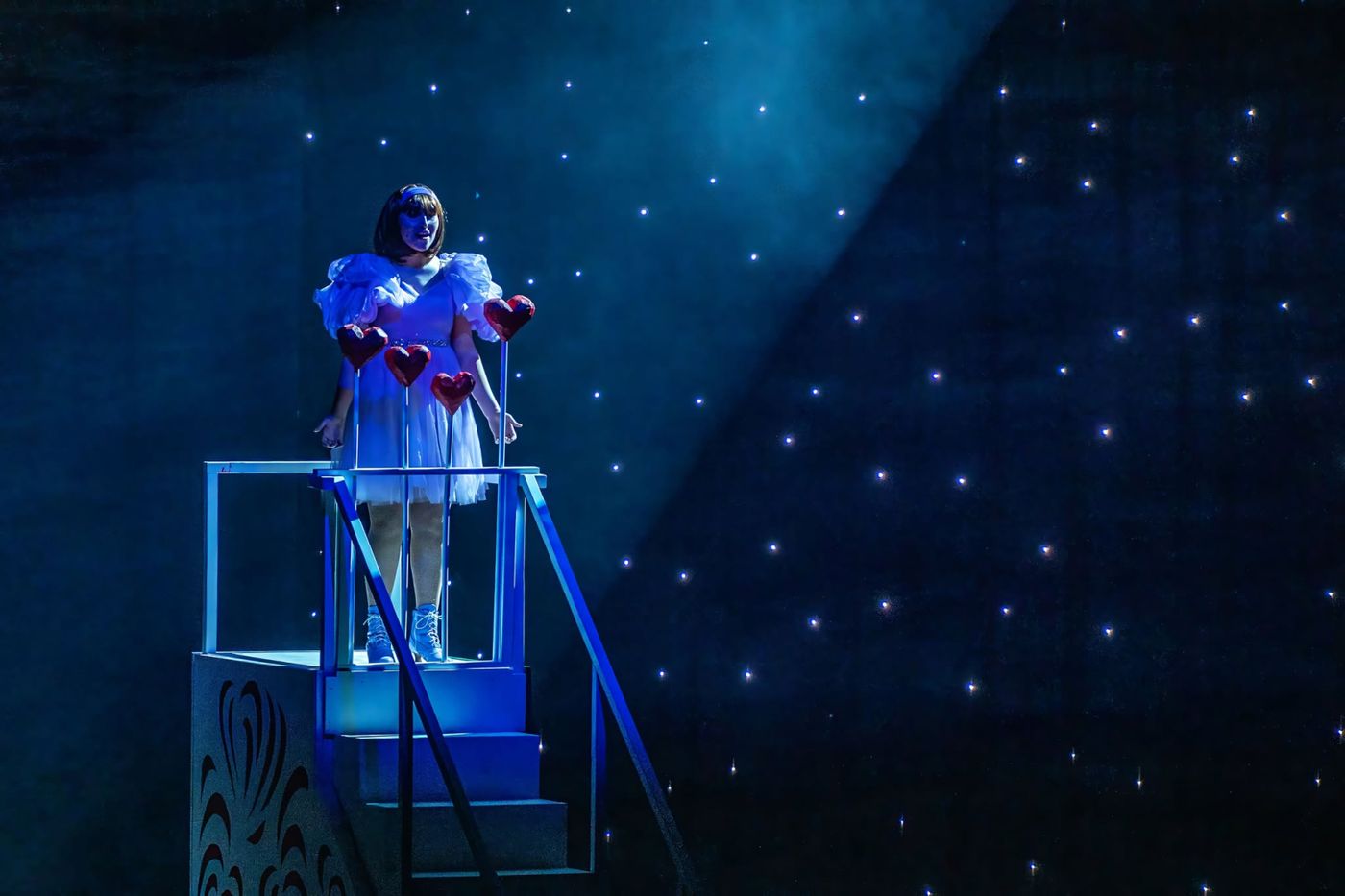
The vocal highlight of the night is, in my opinion, Camille Delbrassine as Célia. She’s got a beautiful soft clear tone, a controlled vibrato, excellent vocal control over her registers, and is also given a musical line that best fits the fairytale atmosphere. Jérôme Delcourt as the Prince is another genuine pleasure to listen to, with a warm musical theatre sound that gives the score instant comfort and Stéphanie Otte as the Queen of Hearts delivers one of the evening’s strongest singing moments, and her solo adds extra layers to the theatricality of her character.
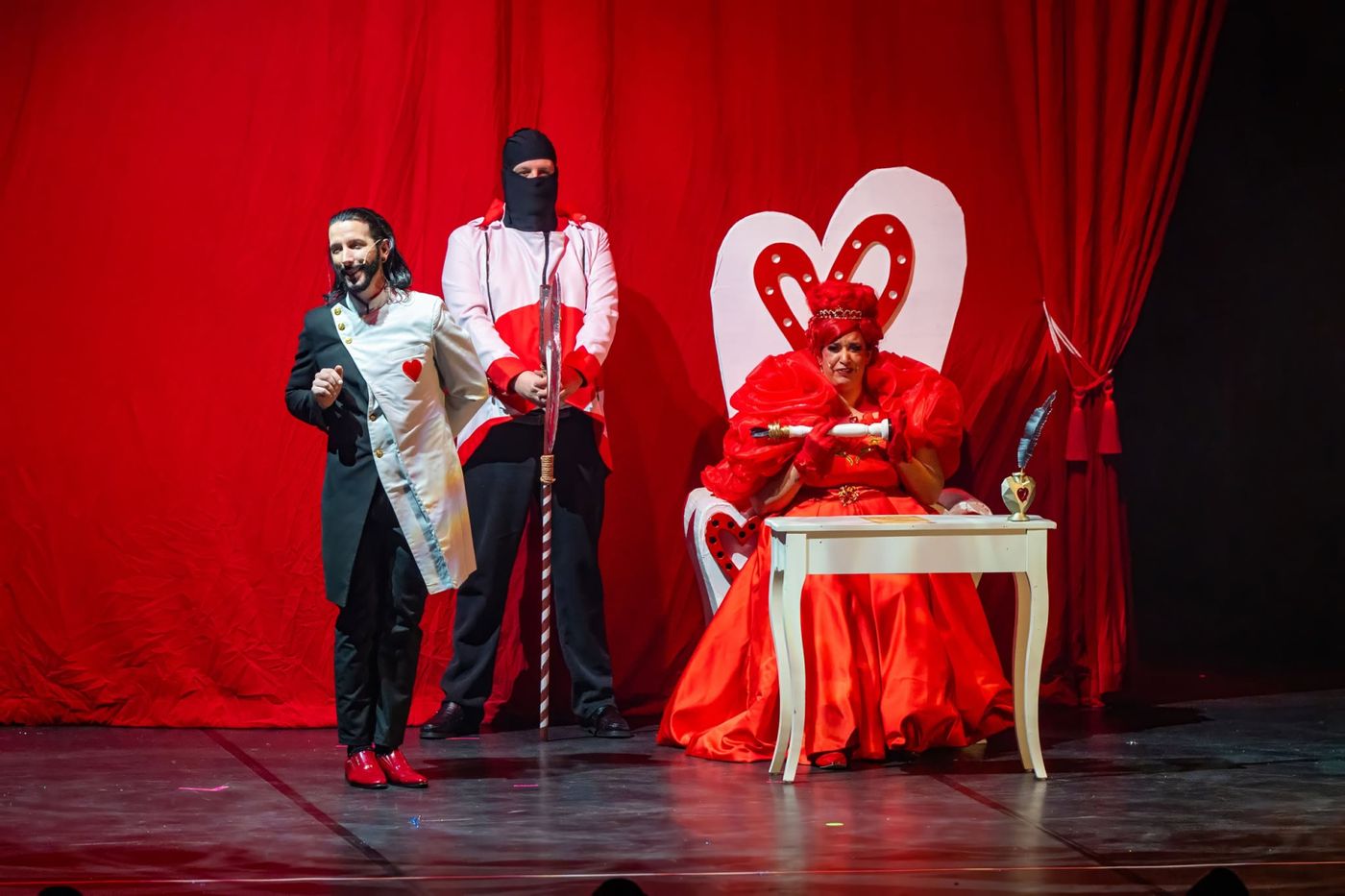
Performance style and direction is where the production makes a very specific choice, and, although not my favourite, it does work perfectly fine for its target audience. Once in Wonderland, the staging often breaks the fourth wall, and characters speak directly towards the audience frequently. That creates a pantomime effect, dynamic, over the top, expositional, and kid friendly. The trade off is that it reduces intimacy between characters onstage, because the performance energy is aimed outward rather than inward. If you’re watching as an adult hoping for grounded character to character realism, you may feel that distance. If you’re watching with children, the direct address and playful tone are likely to feel both engaging and inclusive.
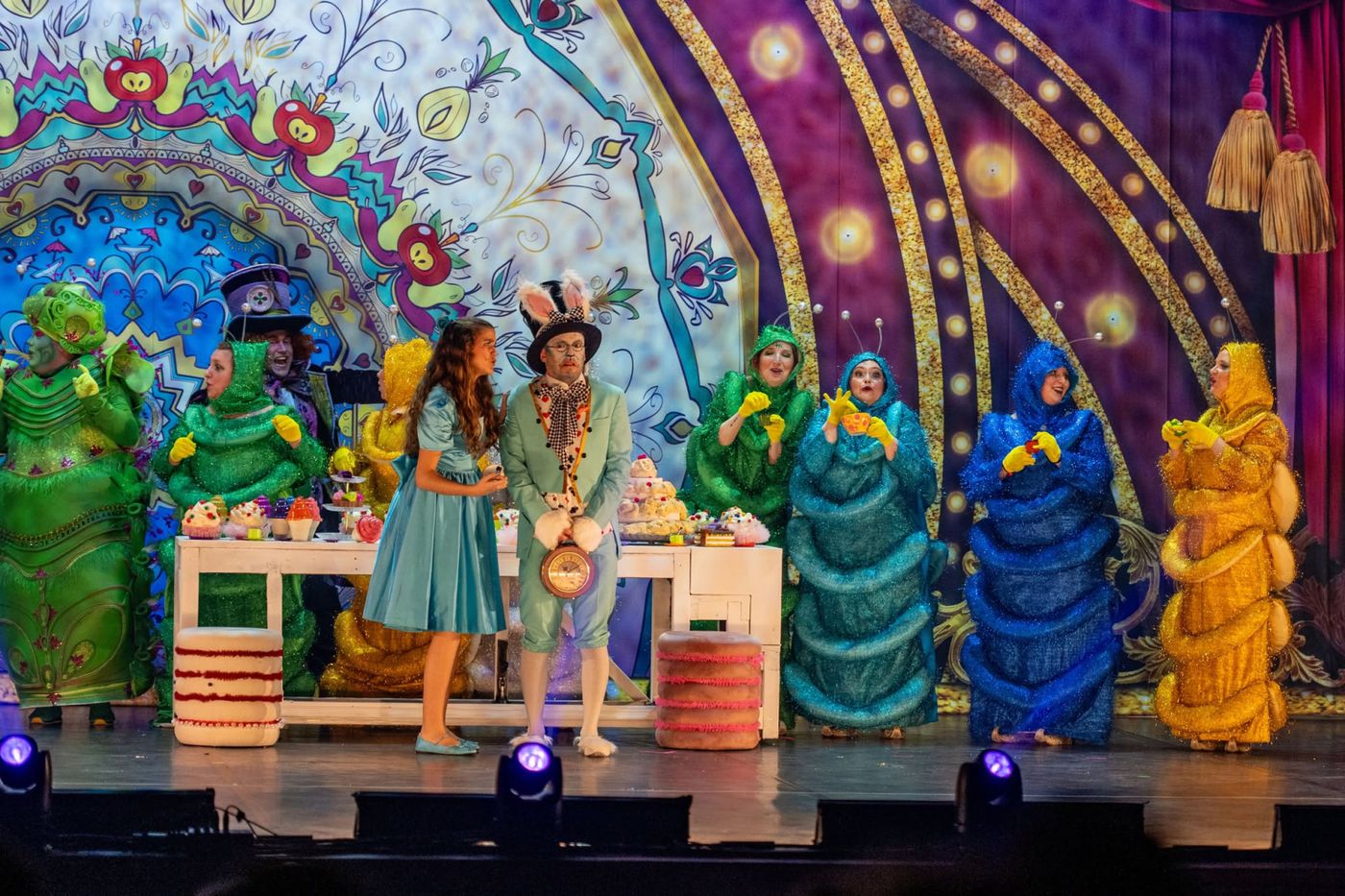
The ensemble contributes strongly to the show’s energy, including young performers who are clearly well trained and precise, particularly in the Queen’s tango. There’s also a “cars” ensemble moment that somehow feels stylistically separate from the rest of the show, but it hits with high energy and succeeds at pulling the audience into its momentum, even if there are occasional imperfections in sync and pitch.
Act Two slows down noticeably at the start, mostly because the text becomes highly expositional. It’s the a place where the show "tells" more than it "shows", and the pacing feels heavier as a result. Later sequences regain theatrical appeal through design and movement, especially the tests that move characters through distinct environments. The under the sea section has strong costume work that creates a floating illusion, and the labyrinth scene is visually very inventive, with choreography and projection perfectly working together.
.jpg?format=auto&width=1400 "Review: ALICE ET LA PIERRE D'OPAZE at La Sucrerie de Wavre")
Overall, ALICE ET LA PIERRE D’OPAZE is an ambitious family amateur production with standout visual design, a musically rich score, and an obvious investment of time and care. It’s built to delight children first, and it succeeds at creating a colourful Wonderland that families can enjoy together.
Final rating: 7/10 (Recommended for families with kids who’ll enjoy the colourful visuals and playful pantomime energy).
Photo credits: Nonantesix foto
Reader Reviews
Videos