


Review: PUEBLO REVOLT at Santa Fe Playhouse
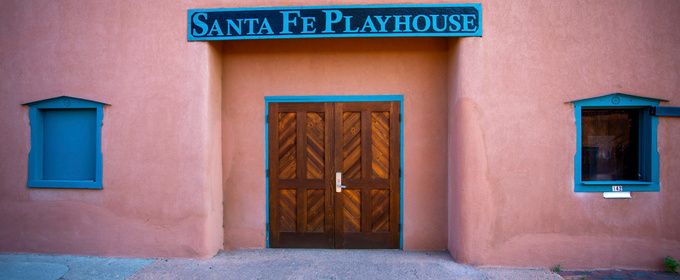
Running now through the 31st at the Santa Fe Playhouse!

Santa Fe Playhouse’s production of Pueblo Revolt, a new play by Mississippi Choctaw, Laguna, and Isleta Pueblo playwright Dillon Christopher Chitto and directed by Tara Moses, of the Seminole and Mvskoke nations, is a powerful and poignant work and well worth seeing. Though it is sold out for the remainder of its opening (and so also Santa Fe Indian Market) weekend, the play runs through the 31st and should not be missed.
Pueblo Revolt is the story of two Isleta brothers – the young, idealistic, and queer Feem Whim (thoroughly endearing and sensitive work from Native Hawaiian Māhū [transgender] performer Noe Field-Perkins), and the more pragmatic and occasionally jaded, but still deeply feeling Ba’Homa (a strong and dynamic turn from Acoma Pueblo born, NYC based Bradley Lewis) as they wrestle with how to engage with Spanish colonizers and the coming Revolt.
The play is an Indigifuturist piece, meaning in this context that while it is set in the 1680’s against the backdrop of the actual Pueblo Revolt, it is not meant to be a completely historical narrative and instead is written with very intentionally utilized, heavily modern sensibilities. Rather than feeling out of place or incorrectly anachronistic, the modernisms (a rock serves as a cell phone [clever and effective props design throughout by Krys Applegate]; modern pop culture touchstones such as a poster of young Leonardo DiCaprio and a framed photo of the late Comanche and White Mountain Apache actor Jonathan Joss are featured in the scenic design at points – intentionally contemporary elements of Alexandre Jamon’s costume design further the theme) contribute to a sense of timelessness within the narrative – both emphasizing the point that Native people are not a relic of the past but are indeed very much still present… and that the more things change in regards to colonization and oppression, unfortunately, the more they often stay the same.
Much of the dialogue within the text regarding the Revolt takes on strong modern relevance, particularly in regards to violence against and genocide of Indigenous people, both in this country and across the world, even to this day. Discussion of whether to fight in the Revolt and if so, how, rung particularly and uncomfortably true as many in our contemporary society find themselves asking painfully similar questions as rights are continually being threatened and taken away. Additionally, moments of the script that are grounded in cultural truth, such as a reference to the queer Feem Whim being “closer to the Creator”, as is the belief within some nations, were particularly lovely and impactful; the script also engages with the actual history of the Pueblo Revolt – at times, in witty asides to the audience along the lines of “yeah – this [unbelievable event] actually happened”, but Chitto manages to never make any of this feel like a history lesson or in any way preachy. The characters absolutely deliver truths that have significant contemporary parallels, but never in a way that feels heavyhanded or inorganic. The play is, also, it must be stated, very, very funny. Though the subject matter is frequently heavy and the stakes are high, the brothers also embody Indigenous joy, humor, and resilience, and Chitto’s writing deftly balances all of it, supported by the rest of the Pueblo Revolt team, both on and off stage.
In addition to the strength of the script, this efficacy in storytelling is achieved via Moses’s direction which is, without exception, spot on. The piece moves very well and is dynamically staged, making great and often playful use of the space (scenic design by Kimberly Powers); particularly impactful are the sequences, though, when the actors find moments of stillness, illuminated by spotlights (Fabian Garcia’s lighting design is lovely) and recite the events of the Revolt in an almost stream of consciousness fashion; the way in which both actors engage with the stakes of the moment – and the horror of the violence committed against Puebloan people – is incredibly affecting. Moses masterfully balances both the joy and despair and sequences alternately requiring restraint and exuberance to great effect throughout this production.
Lewis and Field-Perkins, both highly competent and accomplished actors in their own rights, play off of each other beautifully; the two really nail the brotherly chemistry required to make the piece work and move effortlessly through a very wide spectrum of emotional truths as is required by the text. Both actors are also quite strong in the more quiet and intimate solo moments of monologues to unseen parties (for Feem Whim, the Spanish boy on whom he has a crush, and for Ba’Homa, the brothers’ deceased parents).
The Playhouse has been working on Pueblo Revolt in various iterations since it was part of a reading series back in 2023; with last year’s workshop presentation and now this year’s full mainstage run, it has been an honor to see the play evolve into the version that can, and should, be seen on stage from now through August 31st.
Pueblo Revolt officially opens Saturday, August 16th and runs Thursdays-Sundays through August 31st at the Santa Fe Playhouse (142 E de Vargas). Tickets range from $20-80.

|
Disney’s Beauty and the Beast Popejoy Hall (10/14-10/18) |
|
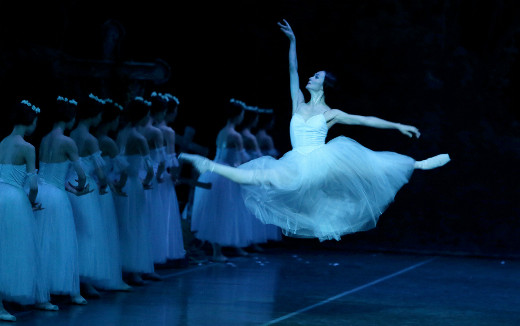
Shanghai Ballet Giselle Popejoy Hall (10/25-10/25) |
|
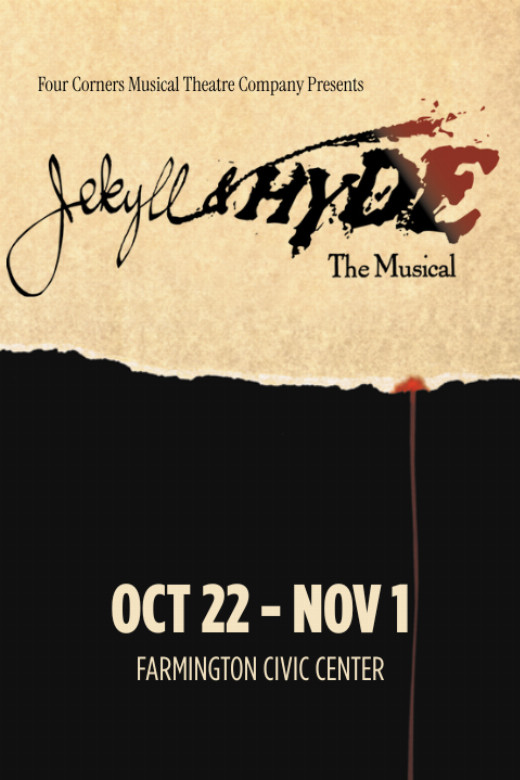
Jekyll & Hyde The Musical Farmington Civic Center (10/22-11/01) |

|
Hamilton (Angelica Company) Popejoy Hall (8/31-9/12) |
|
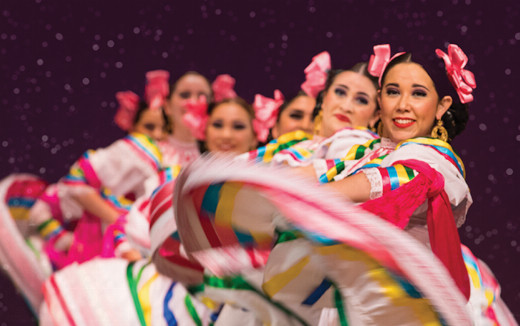
Mariachi Christmas Popejoy Hall (12/13-12/13) |
|
Persephone, Baby by Melanie Godsey New Mexico Actors Lab (10/01-10/18) |

|
The Legend of Korra Live in Concert Popejoy Hall (1/29-1/29) |

|
THE MAN WHO CAME TO DINNER Adobe Theater (12/04-12/20) |

|
Three Tall Women by Edward Albee New Mexico Actors Lab (8/27-9/13) PHOTOS |

|
Antigone Vortex Theatre (10/16-11/08) |
Reader Reviews
To post a comment, you must register and login.