EDINBURGH 2026: Jason Weiss- AN ECHO IN THE VOID Guest Blog
An Echo In The Void runs at Edfringe 5-29 August
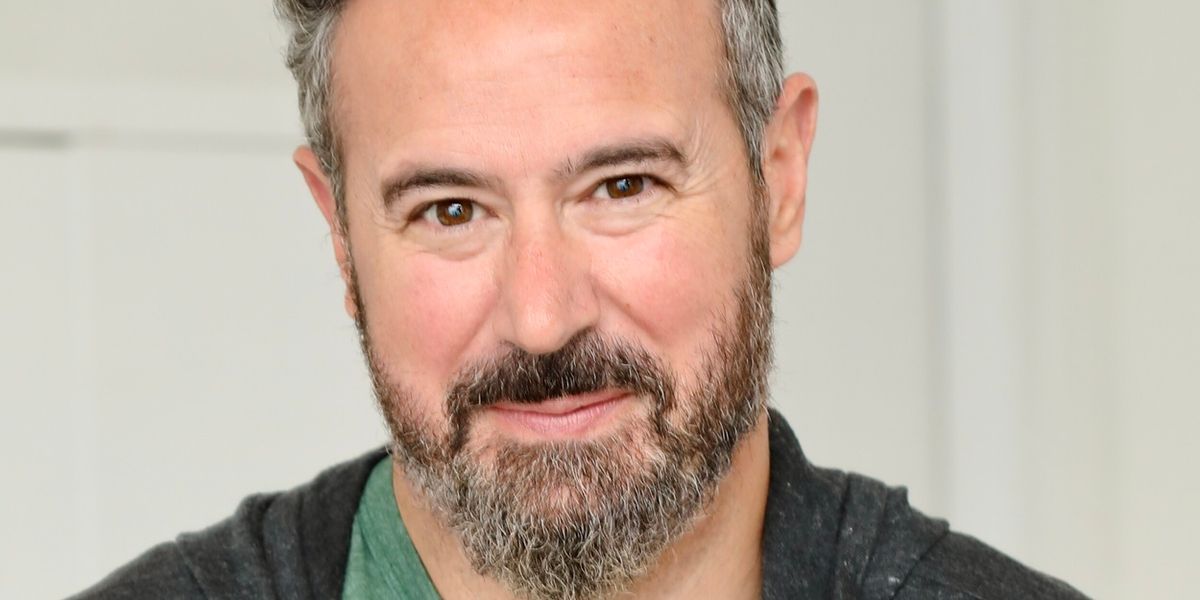
Jason Weiss guest blogs for BroadwayWorld about bringing An Echo In The Void to the 2026 Edinburgh Festival Fringe.
The Risk of Getting It Almost Right
There's a particular risk that comes with writing about grief. It's not the risk of getting it wrong, it's the risk of getting it almost right. Close enough to be recognizable, but not true enough to feel lived in. That tension sits at the centre of my latest work heading to the Edinburgh Fringe.
I'm Jason Weiss, the writer and director of An Echo In the Void. The play follows four strangers inside an advanced AI therapy platform that promises to "end the suffering," forcing them to confront what they're willing to trade - truth, memory, even mortality - for relief. It's not a science fiction play. It's a grief play. The technology is just the mirror.
Technology can now approximate us with unnerving precision. It mimics our voices, predicts our language, reflects versions of ourselves that feel more coherent than the original. But coherence isn't consciousness. And likeness isn't presence.
Grief exposes that gap faster than anything else I know. When we lose someone, what we're left with isn't just absence, it's contradiction. Memory becomes unreliable. Meaning becomes negotiable. We don't just miss the person; we miss the friction they created in us, the arguments, the misinterpretations, the unresolved threads. We miss the parts of them that could never be cleanly modelled.
AI, by its nature, tends toward smoothing. It fills gaps. It resolves ambiguity. It offers a version of reality that's easier to sit with. And that's precisely where it becomes both extraordinary and dangerous.
Because being human is about tension. The question I keep asking isn't "Can technology replicate us?" but "What parts of us disappear when it tries?"
There are elements of the human experience that resist replication, not because they're complex, but because they're contradictory. We hold opposing beliefs at once. We love people we don't understand. We act against our own values and then rewrite the story to make sense of it. These aren't bugs in the system. They are the system. And grief intensifies all of it.
In An Echo In the Void, each character carries a different loss: a dead comrade, a lost loved one, a disappearing body, a wasted life. Each believes that if they can just get the "model" right, just enough data, just enough nuance, they can resolve their pain. Instead, they discover that the more accurate the simulation becomes, the more it reveals what's missing: unpredictability. Agency.
Because the people we love aren't static collections of traits. They're moving targets. They surprise us and disappoint us. They change in ways we can't anticipate. And when they're gone, we grieve not just who they were, but who they were still becoming.
Technology doesn't become. It iterates. That distinction matters.
I'm not interested in the easy argument that technology is dehumanizing. It's amplifying. It gives us tools to extend memory, preserve voices, and connect across distance in ways that would have felt miraculous not long ago. I've used AI in my own creative process, to challenge me, surface patterns, interrogate assumptions.
For me, the line is simple: I won't outsource the parts of the work that require me to confront something I don't yet understand about myself. If a piece of writing comes too easily, if it resolves too cleanly, I assume I've avoided the truth instead of found it. Grief, especially, doesn't tolerate shortcuts.
Writing about AI and grief means working with something deeply personal and universally shared. Everyone has a relationship to loss. Everyone now has a relationship, however indirect, to technology. But the meaning of those relationships shifts across cultures, generations, and lived experience.
In early conversations around An Echo In the Void, people don't argue about the technology. They argue about the choices. Should you build the simulation at all? Is holding on a form of connection, or a refusal to live? Those questions translate, because the belief underneath them is universal even where the technology isn't.
We are meaning-making creatures. When something unbearable happens, we'll build whatever we need to make it survivable: stories, rituals, even simulations.
Theatre, at its best, doesn't answer those questions. It holds them in a room with other people and lets us feel their weight together. That, to me, is the part of the human experience that can't be replicated: the shared presence of uncertainty, the collective negotiation of meaning in real time, the way a room breathes differently depending on who's in it and what they're willing to face.
AI can generate language. It can't sit in silence with you. And sometimes, that silence is where the truth lives.
An Echo in the Void will be performed at 4:40 pm at Assembly Roxy from 5th – 29th August.
Booking link: https://assemblyfestival.com/whats-on/an-echo-in-the-void
Sponsored content