


Review: HADESTOWN at The National Theatre
The railroad car is running from November 18th to 23rd
 Click for Tickets
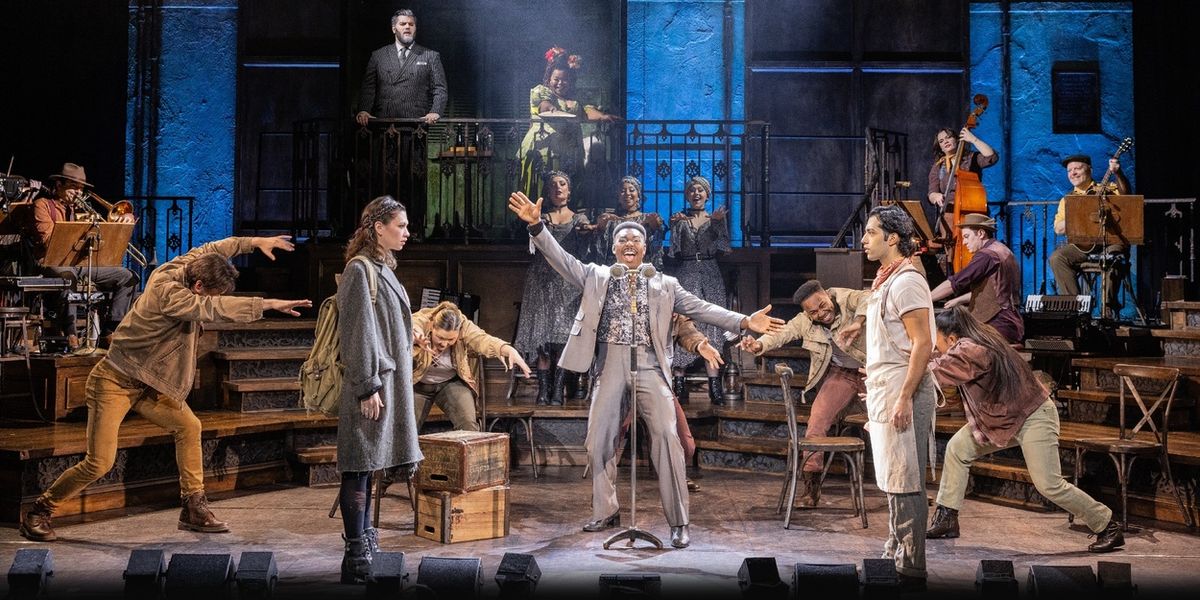
Hadestown is a song you’ll want to hear again and again and again and again. And the cast of the national tour sings it in a way that honors the original yet rings with a sound all their own.
If you’ve followed the musical since the original cast from its Broadway debut in 2019, you’d pick up on the fact that Hadestown casts often favor the unique, high-contrast performers, and there was something mythical about the balance of voices and personalities this time around. The actors really believed in what they were performing and knew how to execute: their eyes were never dry when the chips were down, and their joy radiated out like the springtime sun when they were living it up.
As our narrator, Hermes (played by Rudy Foster) was a sprightly showman who commanded attention. His clear, charismatic “alright” that kicked off the band immediately let you know you were in for a show. Foster is a younger casting than typically seen in the role, and his portrayal traded in the stoicism of a mentor with the cheekiness of a show host. This added angle of Hermes as an instigator created an intriguing alignment with the taunting and malicious Fates.
National tour newcomer and leading woman Megan Colton was a stunner from her first solo. She brought out Eurydice’s feral, edgy nature with a gritty alto, and she lifted into a gentle soprano when her heartstrings were pulled. Her growling, grief-filled tones were chilling during “Flowers,” and she could warm up to match Jose Contreras’s Orpheus in “Promises.” For Contreras, softness and altruism were the strengths of the starving artist Orpheus. Yet this meant his other emotions were slower to rise. It was at the peak of “Wait For Me” when his voice really reached the volume and desperation of Colton’s.
While this Orpheus and Eurydice were attractive opposites, Persephone and Hades were two songbirds of a feather. The voice part of Hades is bass all the way down, so a singer could run the risk of being overly monotone. However, Nickolaus Colón was able to make his voice ring and rumble with confounding variation and villainy, and he summoned a scary ferocity into “Why We Build the Wall” (which slightly quelled an existing personal gripe that “Wait For Me” should be the finale of act one instead). Namisa Mdlalose Bizana was not afraid to portray the flawed sides of Persephone, and she illuminated how that made her a match to Hades. Mdlalose Bizana’s dancing and slurring during “Way Down Hadestown” showed her dependency and complicity on both libations and love before she can sober up.
The tour’s staging was overall faithful to the Broadway production. However, without a rotating floor or trapdoor, the climax of “Doubt Comes In” had to be reworked unfavorably. Eurydice’s descent was executed by the Workers, and was less of a precise fall and more of a clunky removal. More orchestrated lighting cues or more aggressive choreography could have conveyed the heartbreaking defeat of the lovers, but venue constraints assumedly created a challenge.
Regardless, an immediate standing ovation was elicited by this incredible lineup of storytellers, and you’ll want to return to their tale in spite of the devastation when it ends.
The road to Hell for the Hadestown national tour winds through June 7th, 2026. Find the ticket link below to see where it’s stopping next.
Runtime: 2 hours with a 15-minute intermission
Photo credit: Evan Zimmerman for MurphyMade


|
Misery Aldie Mill Historic Park (8/20-8/30) |
|
Victorian Lyric Opera Company presents "Haddon Hall" F. Scott Fitzgerald Theatre (9/04-9/06) |
|
Doja Cat at Capital One Arena Capital One Arena (11/11-12/11) |
|
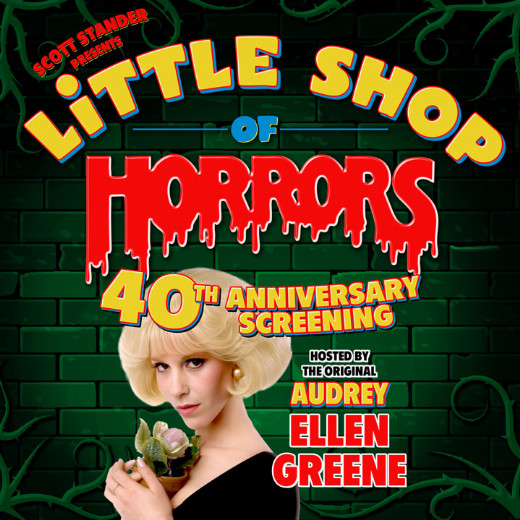
Little Shop of Horrors 40th Anniversary Tour with Ellen Greene (the Original Audrey) Lincoln Theatre (9/25-9/25) |

|
Somewhere over the Border Mosaic Theater Company (9/10-10/04) |
|
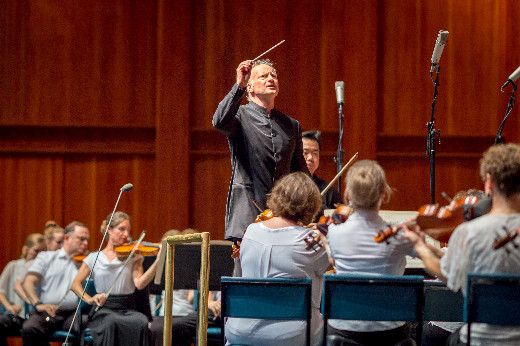
Beethoven’s Ninth Symphony Wolf Trap (8/14-8/14) |
|
The Jersey Four A Tribute to Frankie Valli and The 4 Seasons, featuring original member Gerry Polci F. Scott Fitzgerald Theatre (9/13-9/13) |
|
Mamma Mia! National Theatre (10/27-11/15) |
|
Ma Rainey's Black Bottom Round House Theatre (9/09-10/11) |
|
Rockville Little Theatre presents "The Game's Afoot" F. Scott Fitzgerald Theatre (9/25-10/04) |
Reader Reviews
To post a comment, you must register and login.