


Brighton Fringe Review: TALKING TO MARGERY, BN1 Arts Centre CIC
The production ran at the Brighton Fringe Festival on 31 May and 1 June


“I don’t believe in miracles”
A medieval mystic and a scribe walk into a 21st-century dorm room . . . No, that’s not the start of a joke. It’s the beginning of Talking to Margery, a play written and directed by Zoë Alexander in which famed mystic Margery Kempe (Denise Evans) and her devoted scribe (Jamie Izzet) somehow end up in the room of university student Grace Thomas (Billie Early) in Leicester. All of this is set to musical accompaniment by harpist Alice Brightman, who composed the music for the show.
Margery’s appearance, while at first unbelievable, ends up being the perfect opportunity for Grace, who is studying history and has to write an essay about the very woman who has shown up in her room. For those unfamiliar with her, Margery Kempe was a Catholic mystic from the 15th century who used dictation to write The Book of Margery Kempe, one of - if not the - first English autobiography. She is known for claiming to have been able to speak with holy figures like Jesus and Mary and for her frequent visions and weeping episodes. Evans is delightful as Kempe, switching between weeping and being in states of ecstasy over her connection with God and her ability to share her stories with Grace.
But, as one might expect when a woman from the 1400s and one from 2020, things don’t exactly go as either of them planned. Instead of getting straightforward answers to use for her essay, Grace is pulled into the stories Margery tells, at times becoming “possessed” by the story along with the scribe and reenacting the scenes being described. Margery is also not getting what she may have expected, having to confront an unmarried woman who does not believe in God in a time when everyone is locked inside their homes as a pandemic spreads around the world.
The character of the scribe is mostly used as comic relief, with Izzet never speaking, instead only communicating through gestures and large movements, as well as a few well-timed eye rolls. There is a great moment in which the scribe discovers what Tinder is and is quickly thrown into the world of online dating, left alone to his own devices as Grace and Margery continue to talk. Some of these moments do go on for too long, however, occasionally taking away from more emotional conversations happening at the same time between the two women. That is not to say the other characters don’t have their moments of fun as well - I particularly enjoyed how Evans portrayed Margery experiencing new, modern things like trainers and a lamp.
As someone who studied history in university myself, I found myself relating to Grace’s feelings on what it is like to study the past, especially the feeling of uselessness in knowing what has happened but not knowing what is going to happen in your own future. There are some interesting reflections on how historic figures may have been viewed if they were in the modern world, with Grace calling Margery’s “visions” a result of mental illness and trying to rationally justify her episodes. It was also a lovely touch to see the British Library’s Medieval Women exhibition book being used in the play, as there was actually a work of Kempe’s on display. Researcher Gemma Robson has clearly done her homework!
If there is one comment to be made about what could be improved, it may be that there is a bit too much going on within the play. At the particular performance I saw, the show ran over by at least twenty minutes, making it a solid eighty minutes instead of an hour. There is plenty that could be discussed by simply having Margery Kempe and a 21st-century woman in the room - if you throw in the coronavirus pandemic and a silent character, you get a bit more than is necessary.
Talking to Margery is a thought-provoking yet sweet work that explores the connections between the past, present and future through a dialogue between a medieval and a modern woman. Alexander has written a solid script that is performed beautifully by Evans and - with some lovely comedic relief from Izzet.
Talking to Margery ran on 31 May and 1 June at the Brighton Fringe Festival.
|
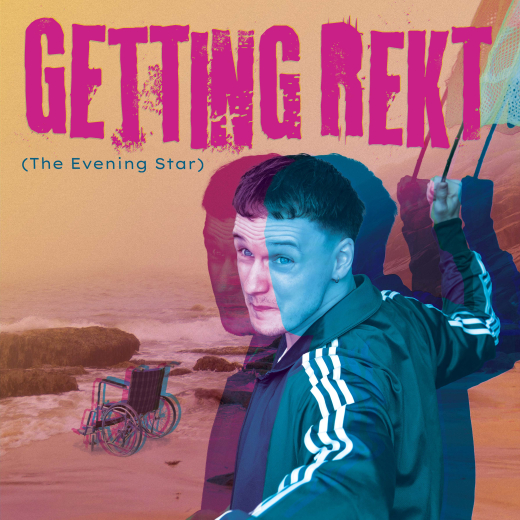
GETTING REKT (The Evening Star) The Union Theatre (9/21-9/24) |
|
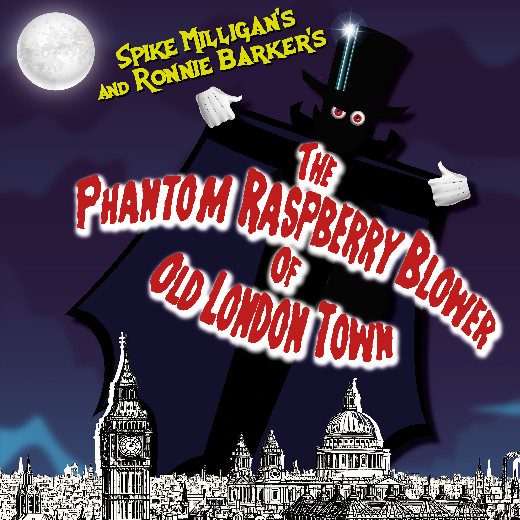
The Phantom Raspberry Blower of Old London Town Victoria Theatre Halifax (11/03-11/03) |
|
|
Count Arthur Strong - And Its Goodnight From Me! Floral Pavilion Theatre (5/21-5/21) |
|
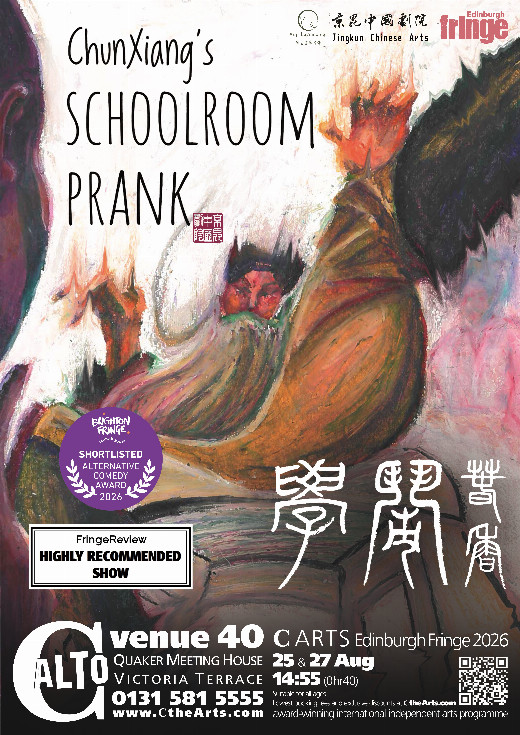
Chunxiang's Schoolroom Prank C ARTS | C venues | C alto (8/25-8/27) |
|
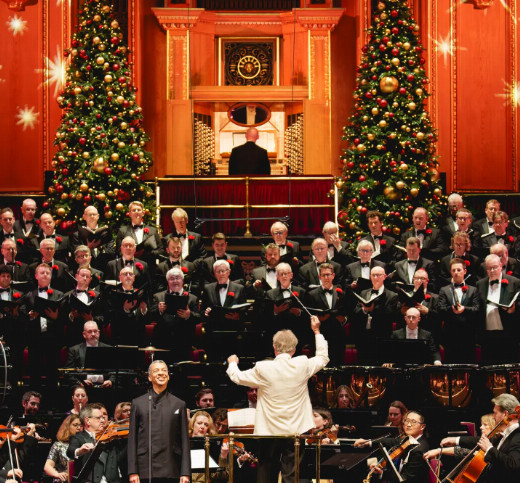
Christmas with the Royal Choral Society The Royal Albert Hall (12/07-12/07) |
|
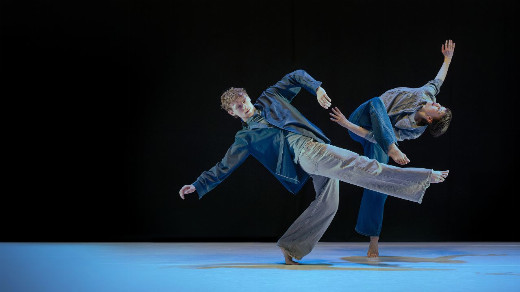
National Dance Company Wales - Blue | Glas Sherman Theatre (9/17-9/18) |
|
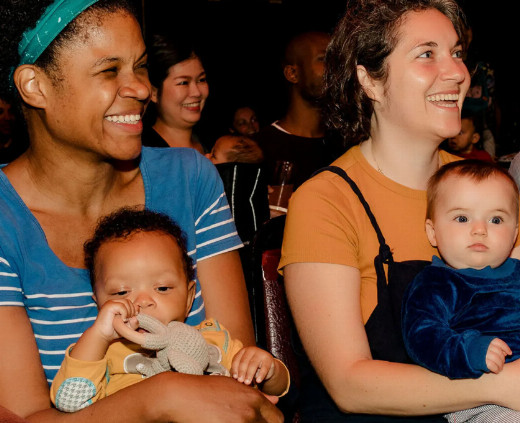
Bring Your Own Baby The Royal Albert Hall (12/01-12/18) |
|
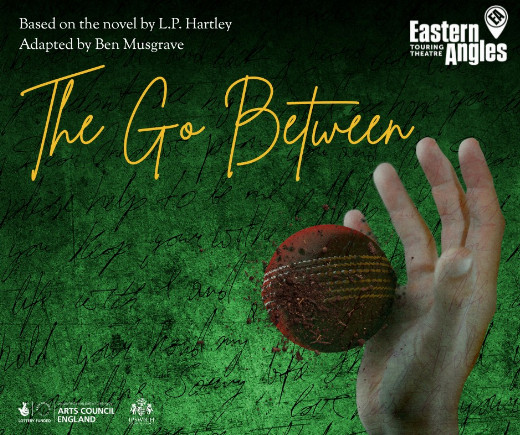
The Go-Between Fisher Theatre (9/16-9/16) |
|
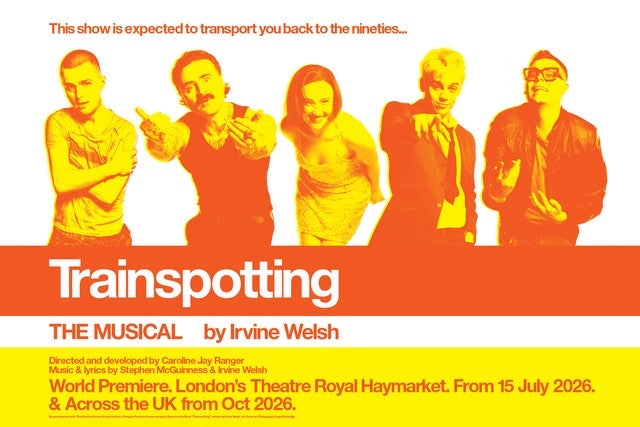
Trainspotting the Musical Theatre Royal Nottingham (1/18-1/23) |
|
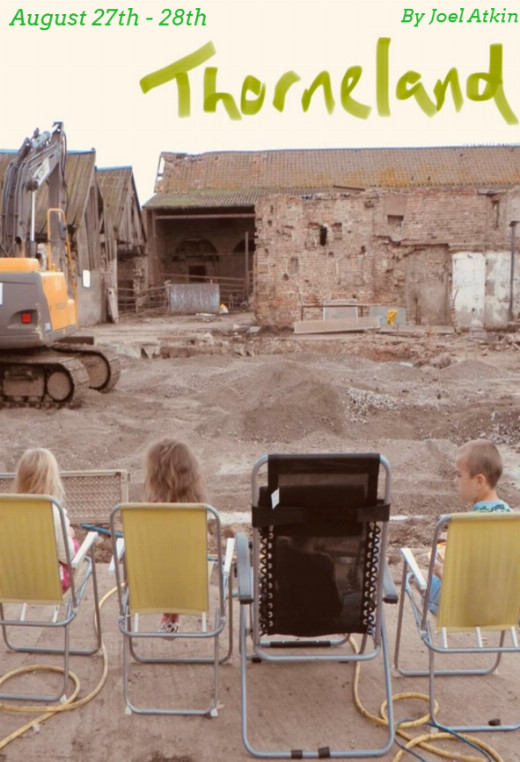
Thorneland Upstairs at the Gatehouse (8/27-8/28) |
Reader Reviews
To post a comment, you must register and login.