


Review: ROMANTIC VISIONS at Jacobs Music Center
The San Diego Symphony excites with a new concerto by Jimmy López.
“Romantic Visions” were on the menu for the San Diego Symphony’s second concert of the new season. Emmanuel Chabrier’s España, Rhapsody for Orchestra was the vibrant, colorful opener. The 19th Century French composer had become enamored with Spanish melodies and rhythms while vacationing with his wife in Spain.
Originally a fantasia for solo piano, España was orchestrated on the recommendation of conductor Charles Lamoureux. Chabrier dedicated the orchestral version to him, and he conducted España’s premiere. It was an immediate sensation for the previously little-known Chabrier and remains his most frequently performed work today.
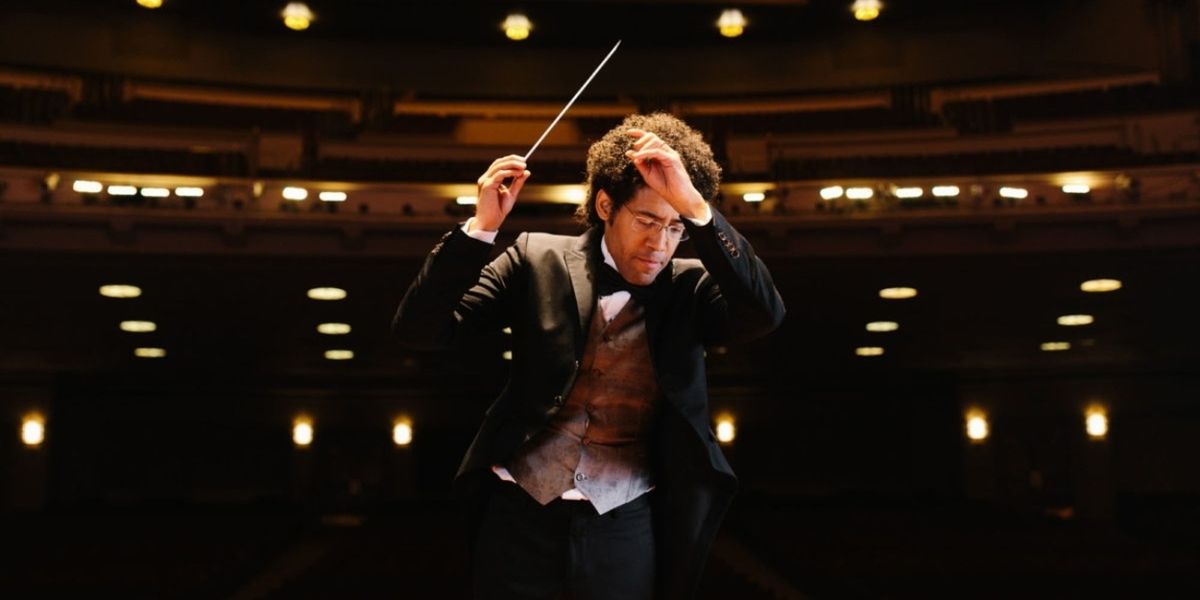
Conductor Rafael Payare showed why in a performance driven with his usual gymnastic vigor. The musicians responded with precision to unusually demanding, at times overlapping rhythmic patterns, and exciting well-judged climaxes became even more effective with a larger than usual orchestra. It included two harps, eight double basses, and expanded percussion and brass sections.
Ironically, España and other works that followed by non-Iberian composers who borrowed Spanish rhythms and idioms are heard as often or more often than any by a Spanish composer. Debussy’s Ibéria, Rimsky Korsakov's Capriccio espagnole, and Ravel’s Rapsodie espagnole and Bolero are notable examples.
.jpeg)
Contemporary Peruvian-born composer Jimmy López’s Ephemerae, Concerto for Piano and Orchestra continued in a fuzzier Latin mood with a similarly large orchestra. But López upped the ante with five percussionists playing more diverse and challenging rhythms on three times as many different percussion instruments.
Payare was undaunted by difficult tempo, dynamic and rhythmic complexities well beyond the demands of Chabrier, and his orchestra was again up to the task.
Nor was the demanding piano score too much for Spanish-born pianist Javier Perianes, named Artist of the Year at the International Classical Music Awards in 2019.
López dedicated the concerto to Perianes who premiered it in 2022 with the London Symphony Orchestra, one of its co-commissioners.
The composer is fascinated by synesthesia, the mental quirk that causes some people to see colors when they hear sounds. In the concerto he seeks to evoke aromas through musical textures. The “ephemerae” of its title refers to the fleeting nature of scents, and the concerto’s melodies are accordingly most often fragments rather than extended.
The emphasis is instead on multi-rhythms and romantic textures created largely by percussion instruments, including the piano which has few extended stretches of conventional melodic development.
The concerto’s three movements represent different aromatic environments. “Bloom” evokes the awakening plants of Spring. “Primal Forest” suggests eerie moss-covered trees and mysterious ancient plants. The lively “Spice Bazaar” speaks of aromatic spices. López specifically mentions patchouli and lavender here when he describes the movement.
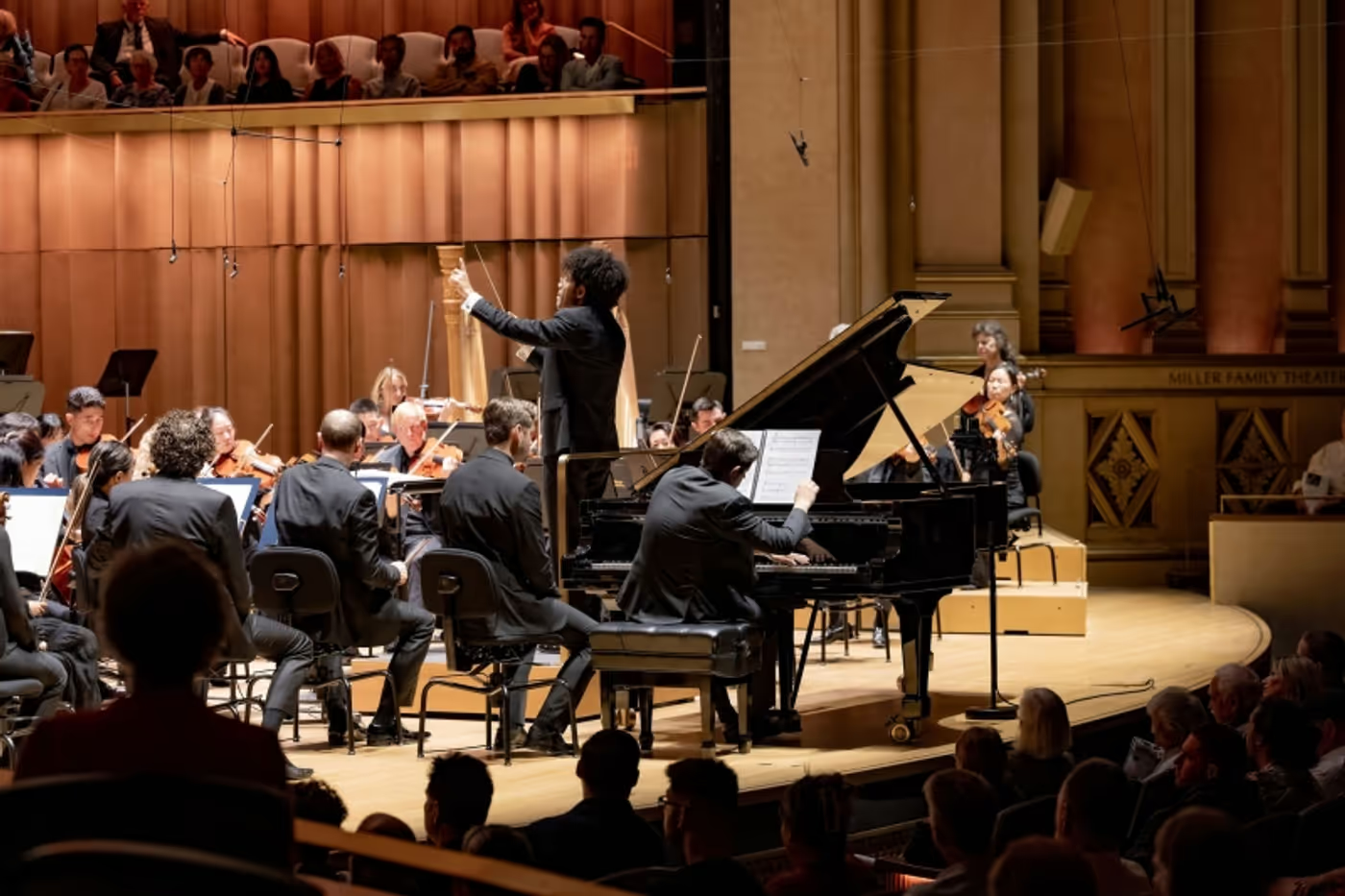
The piano enters with a quiet, two-note fragment that is repeated throughout the opening movement, at first as the harbinger of flowers awakening, and eventually, with rising excitement as flowers burst into life.
The second movement, "Primal Forest," opens with rapid runs up and down the keyboard, a musical description of the forest’s eerie mystery. Swirling glittering glissandos appear frequently here and throughout the concerto, in both quietly pensive solo moments and when other instruments or the full orchestra are the main focus.
The third movement describes the wildly busy excitement of an oriental bazaar, the variety of less frequently heard rhythm instruments adding to its exotic feel. The movement concludes with a crescendo that rises to satisfying triumph.
Perianes displayed great virtuosity throughout. The piano’s most vociferous demand to be considered more than the percussive partner shown on instrument charts comes in the ferocious, four-hands-needed cadenza that precedes the orchestra’s closing crescendo.
The Ephemerae Concerto provides many moments of great beauty and wonder, but for me, recalled no aromas. It is more an effective collection of related tone poems, a musical evocation of the emotions we associate with the composer’s names for each of them.
Jimmy López is San Diego Symphony's Composer in Residence, and the Orchestra will perform three more of his works this season.
The final romantic vision was the most venerable of the afternoon’s trio, Robert Schumann’s second Symphony. It’s one of his most optimistic and arousing works, although diluted by elements of seeming emotional uncertainty. It was written at a time of flagging motivation that slowed his usual fast-paced flow.
Schumann said of his second symphony, “I began to feel myself, and indeed I was much better after I finished the work. Yet . . . it recalls to me a dark period in my life.”
The opening is in the classical sonata form, Beethoven-like in its use of shorter melodic shapes reused with key changes and skilled variations in mood and instrumentation.
The somewhat restrained opening fanfare motif also reappears in the second and fourth movements, finally reaching a closing crescendo that ends the symphony with a triumphant shout.
Schumann chose to make the second movement a scherzo rather than the usual third. It is one of his most buoyant creations, full of joy and life. The third is among his most romantically beautiful creations and perhaps placed next to last rather than immediately after the first movement to increase the impact of the triumphantly optimistic finale.
Payare chose a smaller orchestra for the symphony, roughly 60 musicians. That didn’t diminish its emotional impact from warmly romantic to joy, and in the hall’s exceptional acoustics Payare’s clean section balances topped off the pleasure of listening.
Photo credits Jenna Gilmer
For the San Diego Symphony's coming concert schedule visit here.


|
BEGIN AGAIN The Old Globe (9/06-10/11) |

|
Good Night, Oscar North Coast Repertory (9/16-10/11) |
|
Scapin North Coast Repertory (7/22-8/16) |

|
RadioPlay! The Merc (2/22-8/30) |

|
Radio '47: The Dark Attic Mockingbird Improv (5/08-12/18) |

|
The Lion King Civic Theatre- San Diego (2/18-3/07) |
|
|
Water for Elephants San Diego Civic Theatre (8/18-8/23) |
|
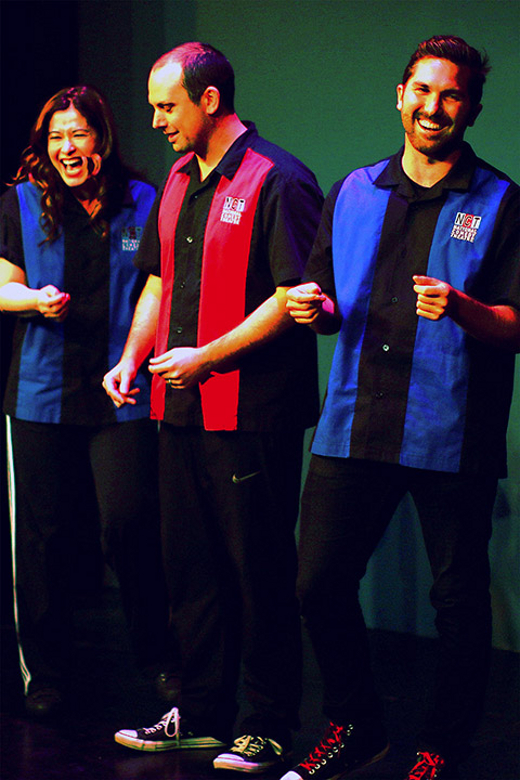
National Comedy Theatre National Comedy Theatre (5/02-12/28) |
|
|
Jonathan Van Ness: Hot & Healed Comedy Tour 2026 Balboa Theatre (10/10-10/10) |

|
Ocean Pulse: Rhythm of the Coast Pacific Wave Theater (7/10-8/20) |
Reader Reviews
To post a comment, you must register and login.