


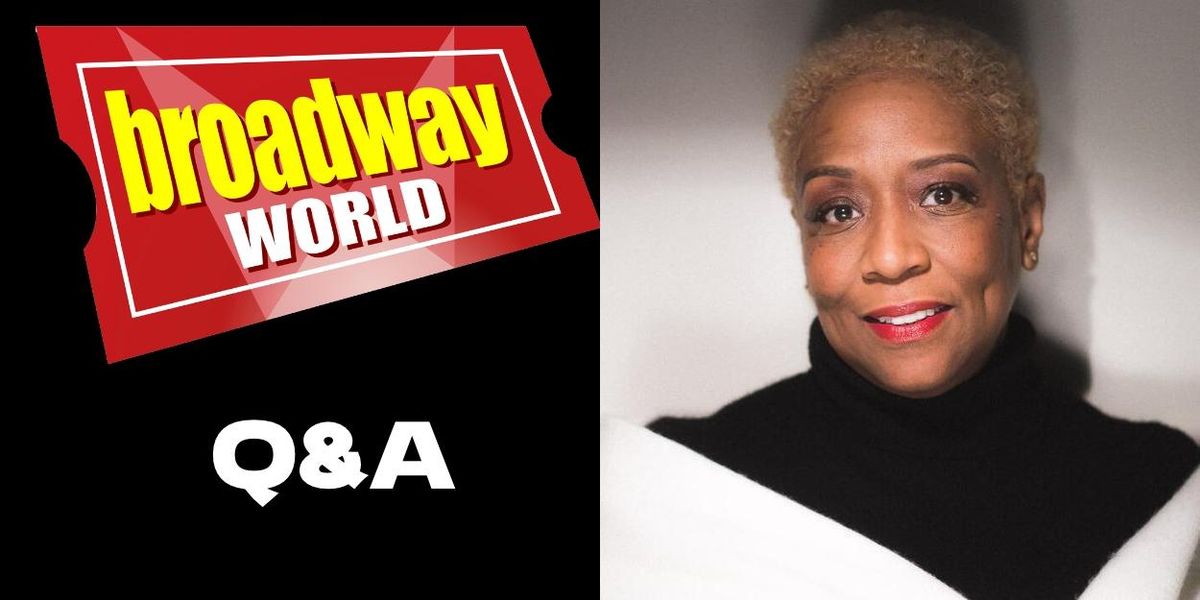
BWW Q&A: E. Faye Butler on FOOTLOOSE at Maine State Music Theatre
Director E. Faye Butler brings a fresh perspective to the beloved 80s musical, exploring themes of community, redemption, and the power of change.
When Footloose dances onto the stage at Maine State Music Theatre this summer, it brings more than high kicks, power ballads, and iconic '80s fashion. Under the direction of E. Faye Butler, the production taps into the heart of what makes the story resonate: community, resilience, and the courage to challenge the status quo.
Running July 16 through August 2, 2025, at Pickard Theater, MSMT’s revival of the Broadway favorite marks the show's first return to the stage in Brunswick since 2014. Audiences can expect the chart-topping hits they know and love - “Let’s Hear It for the Boy,” “Holding Out for a Hero,” and, of course, “Footloose” - but this version also invites viewers to look deeper at the themes that have kept Footloose relevant across generations.
The story follows Ren McCormack, played by J. Antonio Rodriguez, a teenager from Chicago who relocates to the small town of Bomont, Oklahoma, where dancing has been banned. As Ren challenges the town’s long-standing restrictions and butts heads with authority, he sparks a movement that forces the community to reckon with grief, tradition, and transformation.
Directed by Butler - whose MSMT credits include The Color Purple, Ghost the Musical, and Sophisticated Ladies - this production brings a renewed perspective to the material. With choreography by Tyler Hanes and music direction by Jason Wetzel, the cast blends emerging talent with MSMT veterans, anchored by a creative team dedicated to both the nostalgia and substance of the musical.
Ahead of opening night, Butler shared her insights into why Footloose still matters, how the 1980s inform the storytelling, and what makes this production unique within today’s cultural moment.
What inspired you to work on Footloose for the Maine State Music Theatre?
First, I haven't been to MSMT in a few years, and I thought it would be an interesting story to retell. Plus, I get to hang out with great people in Maine.
How does Footloose fit into the current cultural and societal landscape?
Footloose fits like a glove. We as a country, a community, are at a crossroad in crisis. How do we treat people who are different from us? An outsider? How can you pass judgment before inquiry? Where is empathy for your neighbor? Is there equality for all people in America? How has religion changed the landscape of American culture?
How do you approach directing a musical with such popular and well-known songs?
I don't direct musicals based on the music, but for the story. The music is great, but the subject matter drives the music. If the story is solid, the music is the added flavor to the story.
How does the setting of Footloose in Middle America influence the overall tone and message of the musical?
Our production finds its home in Bomont, Oklahoma (a fictional city). It's a small yet very aware and inclusive community that welcomes all people. The Midwest is the heart of the Bible Belt. That's very important to remember. The wild open spaces of Oklahoma..
Can you talk about any unique aspects of this production of Footloose?
I don't think it's unique, however, this community represents the communities across America that don't look like most productions of Footloose. Our Footloose features a diverse cast but tells the same story of redemption, loss, religion, and belonging. Every story in the theatre should be a universal story, an American story.
What was your process for bringing the 80s to life on stage?
I was living my best life during the 1980s. I have become the unofficial dramaturg of the show by default. That means I'm old. I've researched churches, neighborhoods, and life in Oklahoma. Many of the cast members chuckle when you say 19 anything. I remember the fashion, the music, reading poetry, playgrounds, friendships, and the joy of life. The 80s reminded me how simple life was. Families went to church together and ate dinner at 6:00. We didn't have laptops or earbuds. We had a conversation with one another. Now we text our feelings. It's been interesting having discussions with the younger members of our cast.
What do you hope the audience will take away from this production of Footloose?
My hope is that the audience leaves the theatre uplifted, knowing that we, as a community, have the responsibility and power to make our communities better for all people, regardless of race, religion, or political beliefs. Because at the end of the day, we all love the music and the message of Footloose, REDEMPTION!
|
Come From Away Maine State Music Theatre (8/05-8/22) |

|
Æther and Unearthed Westbrook Performing Arts Center (9/19-9/19) |

|
Small Town- A World Premiere John Mellencamp Musical OGUNQUIT PLAYHOUSE (10/01-11/01) |
|
The Last Class : A Jazzercise Play Space Gallery (8/21-8/30) |
|
The Rocky Horror Picture Show Spooktacular Tour with Patricia Quinn Waterville Opera House (10/24-10/24) |
|
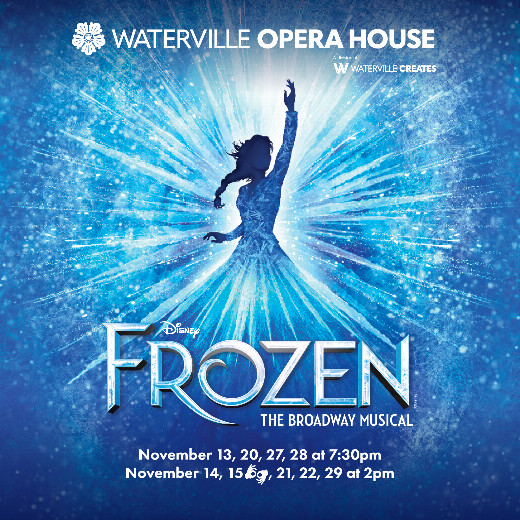
Frozen the Broadway Musical Waterville Opera House (11/13-11/29) |
|
The Producers OGUNQUIT PLAYHOUSE (8/27-9/26) |
|
The Wizard of Oz! Community Little Theatre Corp (8/07-8/16) |
|
Stroll Haunted Yarmouth 2026 Royal River Community Players (10/14-10/25) |
|
Parker McCollum at Maine Savings Amphitheater Maine Savings Amphitheater (9/03-9/03) |