


Interview: James Mirrione of THE GRIPPE at Main Street Theater
James Mirrione, the bookwriter behind The Grippe, invites audiences to revisit a pivotal moment in history through the lens of theatre.
James Mirrione, the bookwriter behind The Grippe, invites audiences to revisit a pivotal moment in history through the lens of theatre. Inspired by the overlooked story of the 1918 Spanish Flu and its striking parallels to contemporary society, Mirrione combines rigorous historical research, personal family history, and music of the era to craft a play that is both enlightening and emotionally resonant.
In this interview, he shares how a New York Times editorial sparked the idea, the challenges of weaving twenty period songs into the narrative, and the insights he’s gained from hearing his work come alive in developmental readings. Mirrione also reflects on what he hopes audiences will take away, the playwrights who have influenced him, and his vision for the future of The Grippe in today’s theatrical landscape.
What inspired you to be part of the creative team for The Grippe, and how did the story first take shape?
As with everybody else dealing with Covid 19 in 2020, I was locked down in a house in Brooklyn, NY and wondering what I was going to do during that uncertain time. All theatre activity had ceased, and my own one-person show was sidetracked from touring. Then, one day in March, I read an editorial by David Brooks in the New York Times. He cautioned all those who might be thinking the current pandemic would end quickly by citing that the so-called Spanish Flu lasted three years, killed 650,000 Americans and 50 million people worldwide. Even more astounding was the fact that little had been written about it artistically – no play, movie and only one tangential novel – and then the whole episode was buried in history. Thus, the part that there were no plays about the Great Pandemic of 1918 sparked my interest. It was then that I undertook the investigatory phase of writing my own play.
What themes or questions are you hoping audiences will walk away thinking about after experiencing this piece?
The more I researched the people, events, culture, politics and music of the period between 1917 through 1920, which also encompassed the First World War, I noticed some striking similarities between that period and our own contemporary American society. There was despair, political discord, medical quackery, nativism, and the fracturing of societal bonds. Therefore, the central question I wanted audiences to come away with was how we could have forgotten the lessons from the past. Thematically, I was hoping those attending the performances would see relevance to today and experience its resonance.
Did you draw from personal history, research, or current events in shaping this story?
As the pieces of the plot began to take shape, I recalled stories from family members about a long lost relative – usually someone young – who had died from a disease during that time. My own father’s younger brother, Fillipo, was one of those victims. Yet, with the end of WWI and the beginning of the Roaring Twenties, all collective memories seemed to have ceased among most members of that generation, thereby contributing to successive waves of amnesia.
What has been the most rewarding and the most challenging part of bringing The Grippe to life on the page?
I did not want to write a musical, but rather a play with music which speaks to the question about the process being both rewarding and challenging. There are twenty songs in the play from the period of 1917-1920. The reward was seeing how these compositions provided commentary for either the scene that had just happened or were prescient to the events that were about to take place. The challenge was to find a way to integrate them within the text so that the entertainment value, the pathos, and the ironic elements of each could occur dramatically.
When you hear actors read your work aloud in a developmental setting like this, what discoveries do you usually make about your own writing?
The lines work if the actors can easily imbue themselves into the characters they are portraying. When the scenes flow easily, I can judge what is superfluous and what is essential. I can also monitor the dramatic tension I intended to deliver in the play. Most essentially, the actors reading the lines, in a development setting, are developing the work in tandem with me. Although they are not writing the play, they are the voices that were in my head when I was writing the play. I am always listening to see how those sounds bounce off the walls of authenticity.
What are you most looking forward to learning from the feedback and reactions during this stage reading?
Audience feedback is essential. I am hoping that a question-and-answer session after each of the staged readings with music on October 5th and 6th will allow those immediate reactions from the attendees to be expressed in real time; this is the litmus test for catharsis which is the very essence of theatre in the first place.
Can you share a moment in the rehearsal or workshop process that gave you fresh insight into your own play?
Meeting the actors that Main Street Theater had gathered for the callbacks was inspiring because I have never worked in Houston before; yet I was grateful for the receptivity they all showed me during the first two days we assembled to develop the characters. A particularly riveting moment came when one of the actors, who plays the Singer, hit a new song out of the park. It was the first time I had heard it sung by an actor, and that was when I knew it would work very well as the opening number.
Where do you see The Grippe fitting in today’s theatrical landscape?
Regional theatre is the lifeblood of American playwriting. I am truly fortunate to be a part of Main Street Theater’s 50th anniversary season, under the direction of Becky Udden who I am indebted to for including me in the schedule and for allowing the play to be incubated here in Houston. The next steps are to bring it back to New York City to an Off-Broadway venue and then eventually, if all the stars are all aligned, to a larger stage. I believe the play can fill an important need for serious drama, one that both entertains and enlightens. Yet, before NYC happens more regional productions can only enhance the play’s relevancy and impact.
Are there playwrights or works that influenced you while crafting this story?
Arthur Miller, Tom Stoppard, John Gay, and Bertolt Brecht.
What do you envision as the next steps for The Grippe after this developmental reading?
I hope that the critical reaction to the staged reading with music will encourage a full production of the play at Main Street Theater. This would allow all the production elements to happen, which would then render the play more effective for audiences.
If you could describe The Grippe in three words for someone who knows nothing about it, what would they be?
It happened before.
|
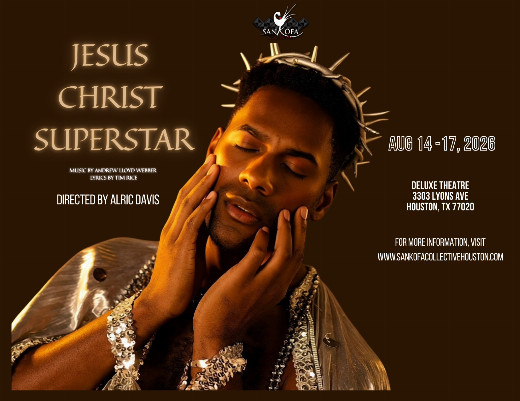
Jesus Christ Superstar Deluxe Theatre (8/14-8/17) |
|
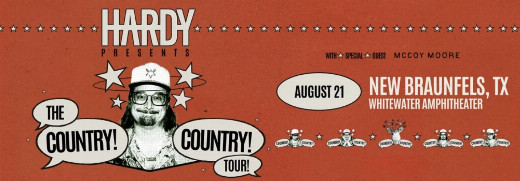
Hardy WhiteWater Amphitheater (11/21-11/21) |

|
Come from Away Stages (9/18-10/18) |
|
PROOF 4th Wall Theatre Company (9/11-10/03) |
|
To The Bone Theatre Southwest (5/28-6/19) |
|
Richard O'Brien's THE ROCKY HORROR SHOW Art Factory (10/16-10/31) |
|
The Tavern by George M. Cohan Theatre Suburbia (7/24-8/22) |

|
Anarkali Reimagined Luxtrium (10/22-10/25) PHOTOS |
|
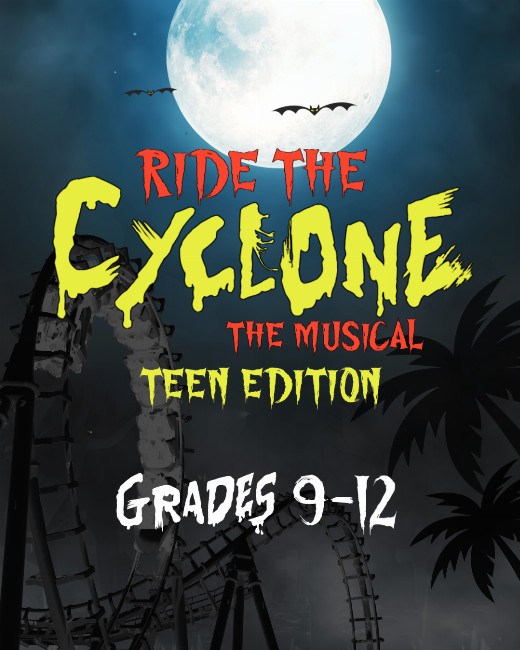
Ride the Cyclone HITS Theatre (8/15-8/15) |
|
An Old-Fashioned Family Murder Theatre Southwest (9/11-10/03) |