


Interview: Gabriel Regojo of IT'S A WONDERFUL LIFE: A RADIO PLAY at STAGES
Gabriel shares how he shapes these contrasting roles, how the unique demands of a radio play influence his process, and more.

Gabriel Regojo returns to Stages this holiday season with a double challenge and a double delight. In It’s a Wonderful Life: A Live Radio Play, he takes on two characters who sit on opposite ends of George Bailey’s world: the cold, calculating Mr. Potter and the warm, loyal Harry Bailey. It is a contrast that demands precision, vocal craft, and a deep understanding of the heart of this beloved story.
In this conversation, Gabriel shares how he shapes these contrasting roles, how the unique demands of a radio play influence his process, and why the themes of It’s a Wonderful Life continue to ground him year after year. He also reflects on the collaborative spirit at Stages, the unexpected physicality of live foley work, and the joy of bringing a timeless story to audiences during the busiest time of the season.
You’re taking on two characters who couldn’t be more different—Potter and Harry Bailey. What excites you most about navigating that contrast?
I think what really is so fun is the contrast. Getting to play both ends of love/hate of George. It lets me consider, how can I make each of these characters who are a huge part of George Bailey’s life unique, compelling, and individual.
In a radio play format, voice and nuance are everything. How did you approach crafting distinct vocal identities for Potter and Harry?
The film was a huge resource, for Potter, Lionel Barrymore's performance is so iconic as the antagonistic Mr. Potter, that when we started, we knew that we had to pay homage while still finding the truth for me as the actor. For Harry, his voice actually lives in my normal range, to me Harry is incredibly earnest, so the goal was to apply as little affectations to him so that he could contrast to Potter.
What do you find most challenging about performing multiple roles live—especially in a fast-paced holiday show?
The most challenging thing is keeping the joy, and what I mean by that is, the holidays can be incredibly stressful, so constantly reminding myself that I get to be in Its a Wonderful Life. Just how this film touches so many people every holiday season, I too can be a harbinger of joy and community. That and not getting sick!
It’s a Wonderful Life is such an iconic story. What personal connection, if any, do you have to the film or its themes?
It's a film that helps ground me every holiday season. No matter what kind of year I've had, it's message of community and the impact one person can have is such a needed message in our current world.
How does the radio play style influence your performance choices compared to traditional stage productions?
It keeps me mindful in that if someone were to close their eyes, and just listen, is the intention coming across? In a traditional radio performance, or the modern equivalent of a podcast the only tool available is the voice, so most of my process for this production starts there. We are also afforded the grace of being in a stage production to help lift, but I always aim to make sure the words are coming through.
Potter is one of cinema’s classic antagonists. What aspects of him did you want to lean into, and what did you want to avoid?
I want to lean into all of it! The menacing, the grinchiness, the flippant disregard for his fellow man. A good villain helps raise the stakes of a story, and Potter constantly turns the heat up on George. I hope that are audiences will feel that too.
On the flip side, Harry Bailey brings warmth and loyalty to the narrative. How do you prepare to switch between that hero energy and Potter’s darker edge.
I think not lingering in anything too long. The show clips and to keep that energy it's very similar to our foley, I do this now and then move to my next piece, and I try and approach each character the same way.
The ensemble nature of a radio play means lots of collaboration and timing. What has been your favorite moment of working with the cast so far?
The entire process has been a dream. Top to bottom I am blown away by the talent in the room, if you were to ask me from one day to the next, my answer would change.
STAGES is known for intimate, inventive storytelling. How does the space or the company’s style help shape this production?
The radical collaboration and emphasis on what makes us human that Stages has at its core is reflected in the rehearsal hall. Each day’s challenges were an opportunity for the entire ensemble both cast and crew to tackle as a team. As an example, we had rehearsals where we spent it working together trying to get the right sound of water splashing and none of us tuned out, it was an infectious good time. I feel like Stages does a great job at asking us to come in and share what we are willing to share and leaving room for the artist to explore and play. Each moment is really crafted with love and attention to detail, and I hope that it comes through when you come and see the show.
What’s something audiences might be surprised to learn about performing in a live radio play?
It's a lot more physical than you would expect! In our production in particular, all of the actors are involved in the foley so depending on where you sit, you may be surprised by where that sound came from!
Lastly, what makes It’s a Wonderful Life timeless for you? Why do you think it still resonates so deeply, especially during the holidays?
For me, It's a Wonderful Life is a story about what one persons impact does to a community. We see ourselves in George Bailey, a person who always tries to do the right thing and what a world would be like if we never existed. It helps understand each of those small actions ripple out and can truly change the world.
|
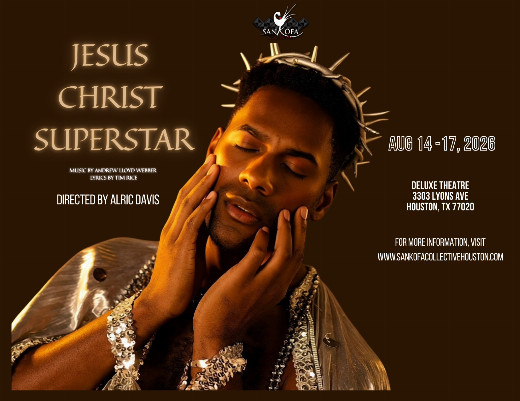
Jesus Christ Superstar Deluxe Theatre (8/14-8/17) |
|
Ride the Cyclone HITS Theatre (8/16-8/16) |
|
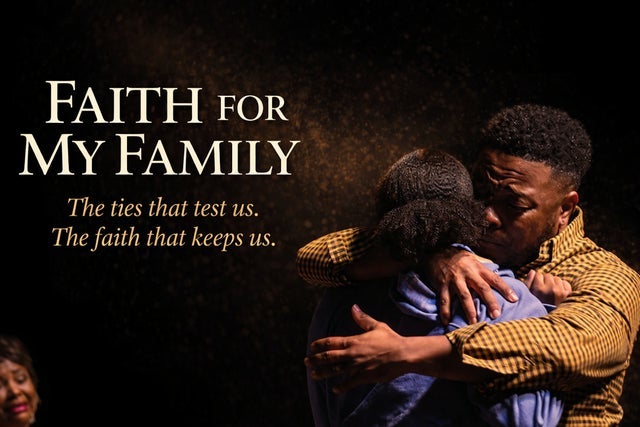
Write The Vision Productions Presents: Faith For My Family Stage Play Jefferson Theatre (9/05-9/05) |
|
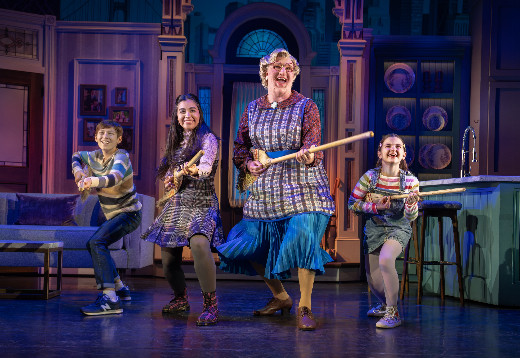
Mrs. Doubtfire The Musical Theatre Under The Stars (10/13-10/25) |
|
Richard O'Brien's THE ROCKY HORROR SHOW Art Factory (10/16-10/31) |
|
Rocky Horror Picture Show House of Blues Houston (10/23-10/23) |
|
The Music Man Theatre Under The Stars (9/15-9/27) |
|
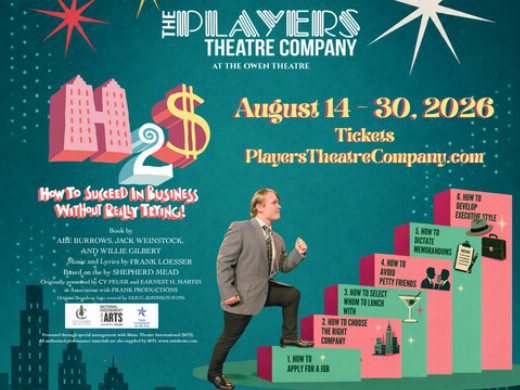
How to Succeed in Business Without Really Trying The Owen Theater (8/14-8/30) |

|
Therapy Gecko Punch Line Houston (9/20-9/20) |
|
anthropology Theatre Southwest (10/30-11/21) |