


Review: SIDE BY SIDE BY SONDHEIM at Mānoa Valley Theatre
Now extended through August 3
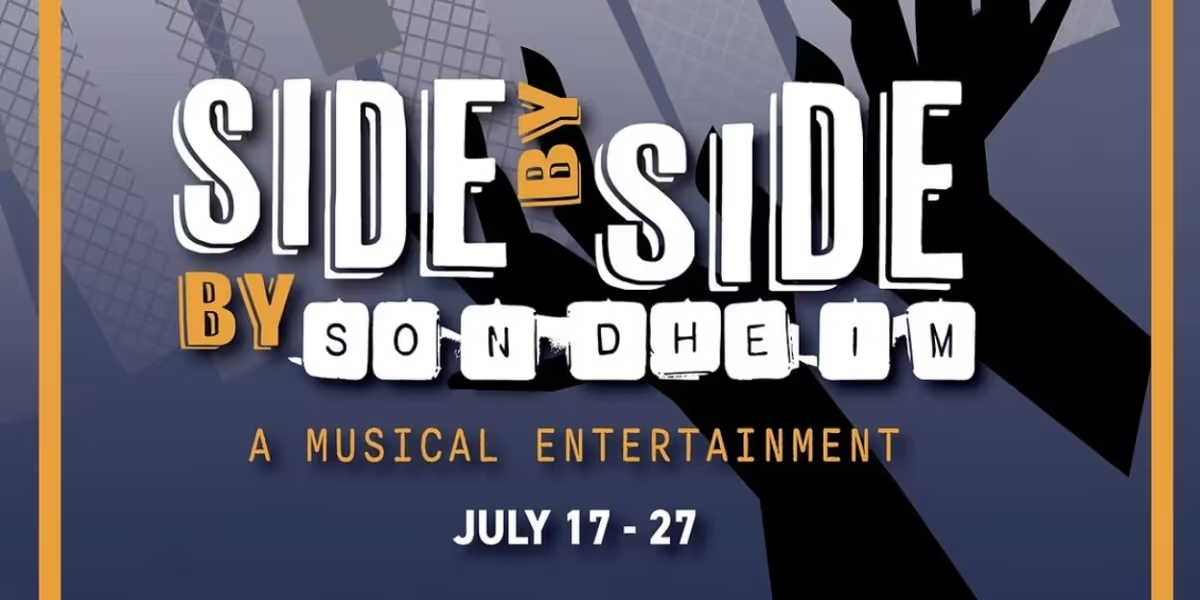
In 1976, a quartet of British performers put together a benefit concert of Stephen Sondheim tunes as a fundraiser for their local theater, with an ulterior motive to introduce more of their countrymen to the beauty and brilliance of this composer and lyricist whose star was on the rise on the other side of the pond. The resulting show, Side by Side by Sondheim, was quite successful on both fronts. This seminal production spawned a whole litany of other Sondheim revues and concerts, including Putting It Together in the 90s, Sondheim on Sondheim in 2010, countless birthday concerts and one-night-only performances, and Stephen Sondheim’s Old Friends, which just concluded a run on Broadway. Perhaps because of this glut of other available Sondheim revues, or perhaps because Side by Side by Sondheim was created before Sondheim added hit shows like Sweeney Todd, Merrily We Roll Along, Sunday in the Park With George, and Into the Woods to his resume, this original revue tends to not be produced as often as its more contemporary sisters. Seeing it brought back to life at Mānoa Valley Theatre was an exciting snapshot of Sondheim in the earlier stages of his career, and for anyone who read Sondheim’s dyad of autobiographies, this show is essentially a musicalized version of his first tome, Finishing the Hat.
Director and choreographer James Wright helms a septet of incredibly talented performers who light up the stage with selections from Anyone Can Whistle, Company, A Funny Thing Happened on the Way to the Forum, West Side Story, A Little Night Music, Follies, Gypsy, Pacific Overtures, and Do I Hear a Waltz?, interspersed with interesting tidbits and background information about each song. In the original production—dubbed a “musical entertainment” rather than a “play” or a “show”—the performers spoke directly to the audience, introducing each number or medley like a sort of live documentary. In his Director’s Note, Mr. Wright explains that he has instead chosen to reimagine the “musical entertainment” more like a traditional play, turning the individual performers into characters with interpersonal relationships, and turning the spoken sections into dialogue both among the actors and to the audience. This is a bold move, and the idea of setting the “play” at a pre-show cocktail party in a swanky New York City penthouse apartment is a visual delight (set design by Jax Pitts). This construct results in amusing but inconsistent storytelling. The nature of the relationships among the three men and three women, and occasionally the pianist/musical director Miki Yamamoto, are not particularly clear, unless viewed through the lens of a cocktail-fueled key party. Furthermore, the idea that seven friends would be explaining the backstories of every song to each other from a show they are about to go see seems far-fetched for even the most pretentious of upper crust theatre-goers. However, this directorial approach does not detract from the cavalcade of excellent performances by the cast.
Upping the cast of singers from the original four to six was a great choice, as it allows for more combinations of voices for the various duets, trios, and group numbers, as well as more range for each performer to really showcase their chops. The “Pretty Lady” trio from Pacific Overtures of John D’Aversa, Andrew Simmons, and David Weaver was a particular standout, with the three men finding a vocal blend and finesse that gave me chickenskin. Mr. D’Aversa’s “Buddy’s Blues” from Follies was vaudevillian camp at its finest, and Jasmine Haley Anderson as “Baby June” and Mr. Weaver as a hilarious gender-bent “Louise” in “If Momma Was Married” from Gypsy was exceptionally fun. Speaking of gender-bent, the decision to have the salty married couple duet “We’re Gonna Be Alright” from Do I Hear a Waltz? sung by two men (Mr. D’Aversa and Mr. Simmons) was inspired, and something I suspect Mr. Sondheim himself would have been delighted to see. Kim Anderson’s spotlight moments in “Not Getting Married Today” from Company and “Losing My Mind” from Follies both elicited well-deserved applause, as did the Anita/Maria duet from West Side Story with [the other] Ms. Anderson. Lisa Konove delivered comedy and tragedy in “I Never Do Anything Twice” from The Seven Percent Solution and “Send In the Clowns” from A Little Night Music, evoking the spirit of Elaine Stritch by way of Lucille Bluth. She was a joy to watch, though at times difficult to hear. Finally, with nearly thirty musical numbers, not to mention the final medley of cuts from other Sondheim hits, Ms. Yamamoto undertakes a Herculean task as the sole instrumentalist on stage. Save for a few tempo hiccups, her talent is undeniable and her performance laudable.
There are too many notable moments to list them all here, so I suppose you’ll just have to catch the show yourself, which has now been extended to August 3. Whether you’re a diehard Sondheim superfan (as many of us of a certain age often are) or brand-new to the Sondheim universe, as the opening number itself states, there is certainly “something for everyone” at Side by Side by Sondheim.


|
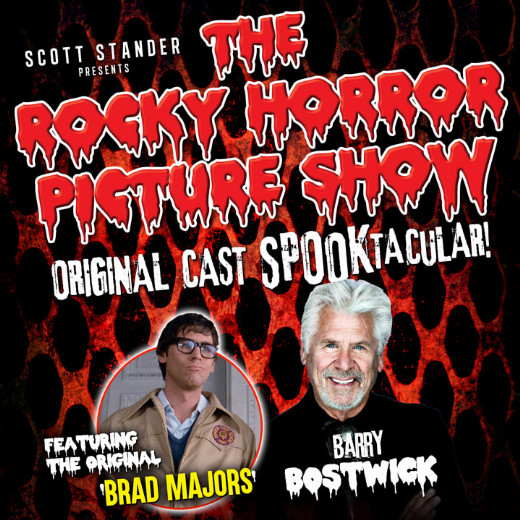
The Rocky Horror Picture Show Spooktacular Tour with Barry Bostwick Hawaii Theatre (11/07-11/07) |
|
Footloose the Musical Maui OnStage (8/15-8/23) |
|
The Book of Mormon Neal S Blaisdell Concert Hall (11/25-12/06) |
|
'Ainakea Maui OnStage (10/02-10/18) |

|
Late Night Raqs UHM Kennedy Theatre - Earle Ernst Lab Theatre (4/23-4/25) |
|
ONO - Collective Pilina Theater presents: Fighting Like Mad Maui OnStage (8/17-8/17) |
|
Little Shop of Horrors UHM Kennedy Theatre (3/04-3/14) |

|
EPIC UHM Kennedy Theatre - Earle Ernst Lab Theatre (9/30-10/04) |
|
The Book of Mormon (Non-Equity) Neal S. Blaisdell Center [Concert Hall] (11/25-12/06) |
|
The Curious Incident of the Dog in the Night-Time Aloha Theatre (9/04-9/13) |
Reader Reviews
To post a comment, you must register and login.