


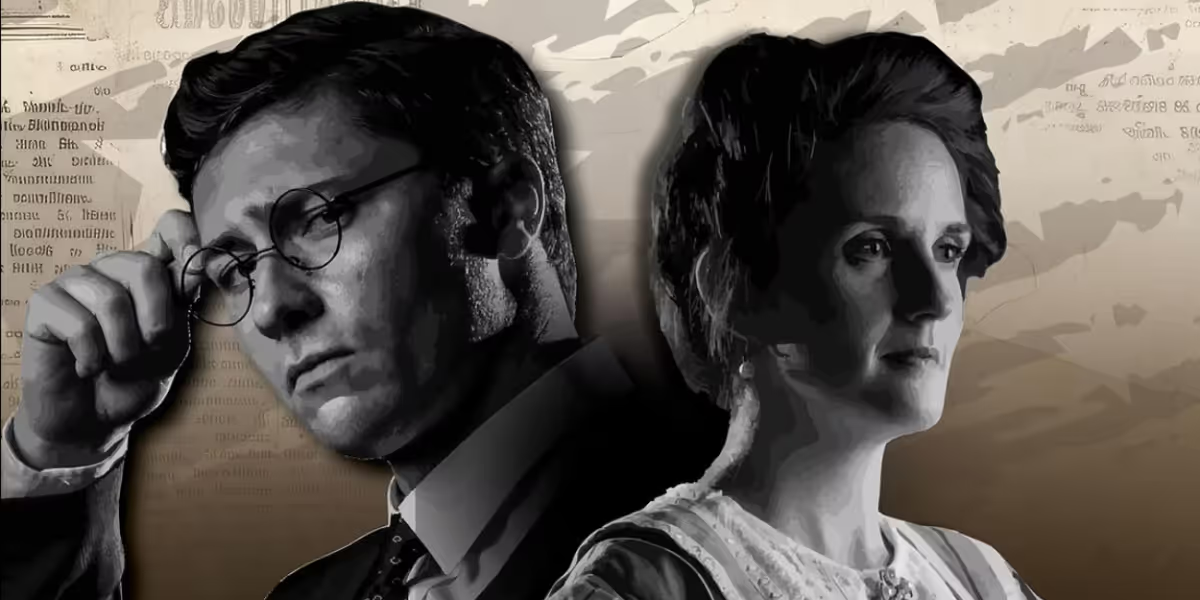
“Bring tissues,” said absolutely everyone when I told them I was seeing Parade at Mānoa Valley Theatre. I waved off their warnings, as I was already familiar with the show, as well as the true story of the contentious 1913 trial of Leo Frank on which the show is based. My hubris, however, was no match for this stunningly beautiful production, but my watery eyes were not the result of the tragedy of the protagonists, nor of the cruelty and bigotry at the forefront of the story. Rather, my tears erupted from witnessing the joy, hope, and—above all—resilience on display, the unquenchable fire of those who believe in Justice with a capital J, and how a single, unwavering flame has always had the power to cut through even the most hopeless darkness, whether in 1913 or in 2025.
That unwavering flame came in the form of a virtuoso performance by Jasmine Haley Anderson as Mrs. Lucille Frank, the headstrong, indefatigable, resourceful, and brilliant wife of the doomed Leo. Ms. Anderson’s embodiment of Lucille was thrilling to watch, and her dynamic voice ran the gamut, from the powerful “You Don’t Know This Man” to the passionate duet “All the Wasted Time” with Sam Budd as Leo Frank. Mr. Budd’s Leo was the perfect blend of soft-spoken and single-minded, best evidenced in his stirring rendition of “It’s Hard to Speak My Heart”. Coming from having played much less serious roles such as LeFou in Beauty and the Beast and Max VanHorn in Tootsie, it was fascinating to witness Mr. Budd exhibit the full range of his talents, and his ability to not only hold his own as a leading man, but to also find the right balance in his interactions with Lucille. I was engrossed by the connection and harmony—in both senses of the word—between these two talented performers, and their rock-solid chemistry throughout provided a firm center around which the chaos of Atlanta swirled.
The deceptively simple set design (Willie Sabel) evoking an auctioneer’s platform and ingenious use of lighting and projections (Janine Myers) were also integral to the success of this production, providing dramatic support to director Alex Munro’s staging and David Weaver’s choreography. I especially appreciated Mr. Munro’s choice to rarely ever have an empty stage, often keeping a handful of townspeople on chairs upstage or off to the sides, forever observing and judging the actions unfolding in front of them. It lent an ominous and foreboding feel throughout the show, and highlighted how every single member of the community is complicit in one way or another. Mr. Weaver’s incorporation of both modern movement reminiscent of the recent Broadway revival of Sweeney Todd, as well as period-specific cotillion-style dances, softshoe, and minstrelsy was genius, and highlighted the chaotic undercurrents of the emotional stakes on stage. There are too many choreographic moments that stood out to list them all here, and I also don’t want to say too much for fear of ruining the element of surprise, but I will say that the machinations of lawyer Hugh Dorsey (Adam David Allison in a beautifully sinister performance) and the ensemble women’s heartbreaking reactions during the factory girls’ courtroom testimony were uniquely outstanding. Ms. Myer’s dramatic lighting choices were a character unto themselves, from gentle pastels suggesting Southern gentility, to a sickly-yellow climactic confrontation between Mrs. Phagan (Chandler Converse) and Lucille in a moment that is seared into my memory.
Though of course the themes of the show are often heavy and bleak, it was a delight to hear Jason Robert Brown’s Tony-winning score performed by such a talented cast. Ms. Converse’s “My Child Will Forgive Me” was an especially captivating embodiment of both a grieving mother and an infuriated Southern woman, and she skillfully wove between genuine pain and ‘ain’t no hate like Christian love’ that echoed the conflicts of racism, anti-semitism, and general distrust of “outsiders” that is arguably the true villain of the show. I was also impressed by the rich vocal blend and subtlety of the duet between Judge Roan (Alex Bishop) and Hugh Dorsey, the sheer power of Jim Conley (Jonathan Beck)’s “That’s What He Said”, the trio of factory girls (Nicole Villejo, Anya Terua, and Megan Stone) contrasting their buttery harmonies with the weight of their stories, Presley A. Wheeler’s opening solo of “The Old Red Hills of Home”, and the melodious-but-malevolent Andrew Simmons as the agitator and good ol’ boy Tom Watson who inspires the fire and brimstone energy of the mob like a snake oil salesman in a boater hat.
Bookended by images of modern life, this production reminds us that the story in front of us is not so far removed from our current state of affairs, and that our country’s problematic past has not entirely died off nor stayed relegated to the history books. I do not need to harp on the issues of historical erasure, the importance of storytelling, or of the power of art to make an argument about why this show in particular is timely, but I do want to drive home the point that this is a show about the strength of community, and how that strength has the capacity to be used for good or for ill. It is my hope that everyone who witnesses this production will walk away changed, and charged.
Or, at the very least, if you need to remember what “hope" feels like, go see Parade. Bring tissues.


|
The Wizard of Oz UHM Kennedy Theatre (10/23-10/31) |
|
MFA/BFA Dance Concert UHM Kennedy Theatre - Earle Ernst Lab Theatre (2/03-2/07) |
|
el momento en que me desperté UHM Kennedy Theatre - Earle Ernst Lab Theatre (12/03-12/06) |
|
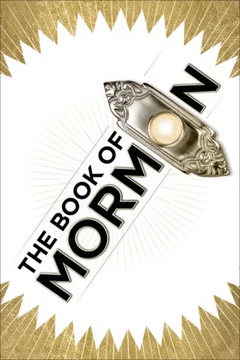
The Book of Mormon (Non-Equity) Neal S. Blaisdell Center [Concert Hall] (11/25-12/06) |

|
Little Shop of Horrors UHM Kennedy Theatre (3/04-3/14) |
|
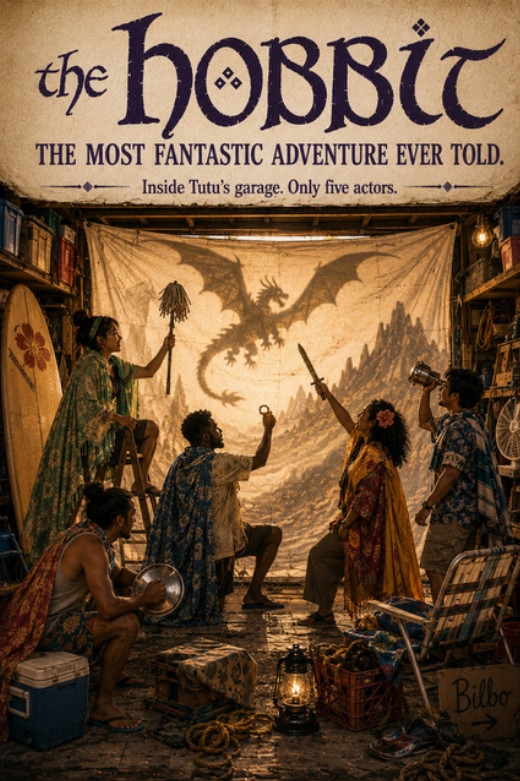
The Hobbit UHM Kennedy Theatre (8/21-9/06) |
|
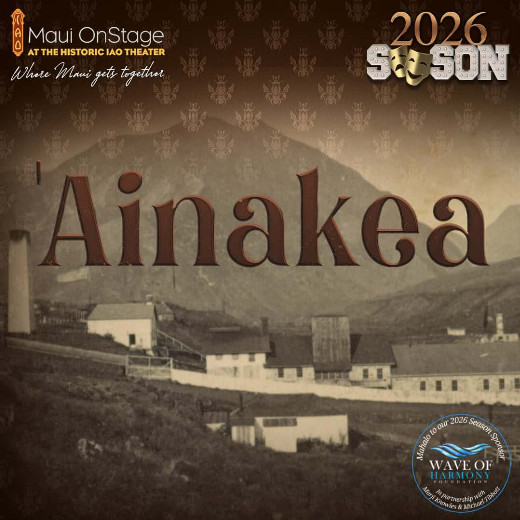
'Ainakea Maui OnStage (10/02-10/18) |
|
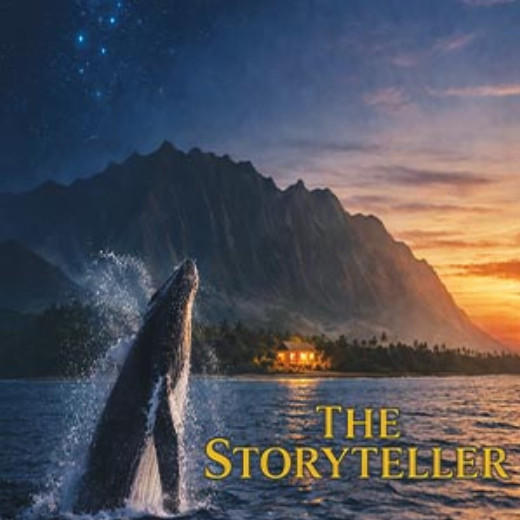
The Storyteller UHM Kennedy Theatre - Earle Ernst Lab Theatre (11/18-11/22) |
|
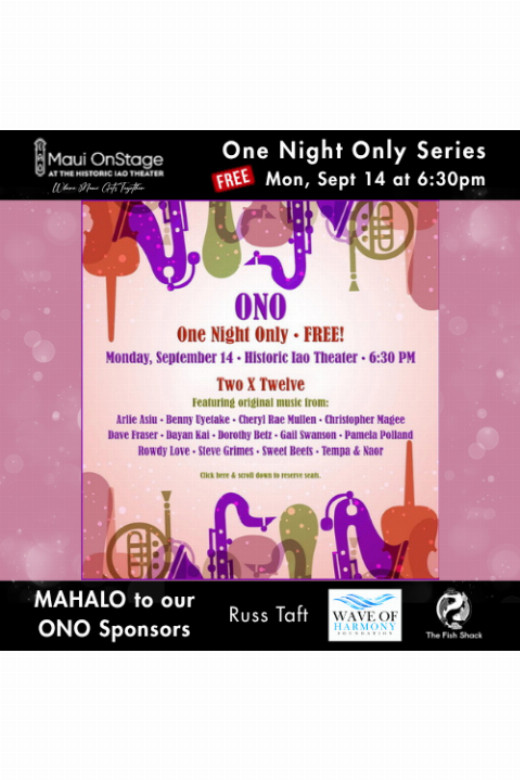
ONO: Maury King Presents Two x Twelve Maui OnStage (9/14-9/14) |
|
|
The Book of Mormon Neal S. Blaisdell Center [Concert Hall] (11/25-12/06) |
Reader Reviews
To post a comment, you must register and login.