Interview: 'You Need to Love Singing With All Your Mind and Body': Soprano Isabela Díaz, on The Royal Ballet and Opera's Jette Parker Artists Programme
Gary Naylor talked to the Chilean soprano about the longstanding scheme that supports young singers and musicians at Covent Garden
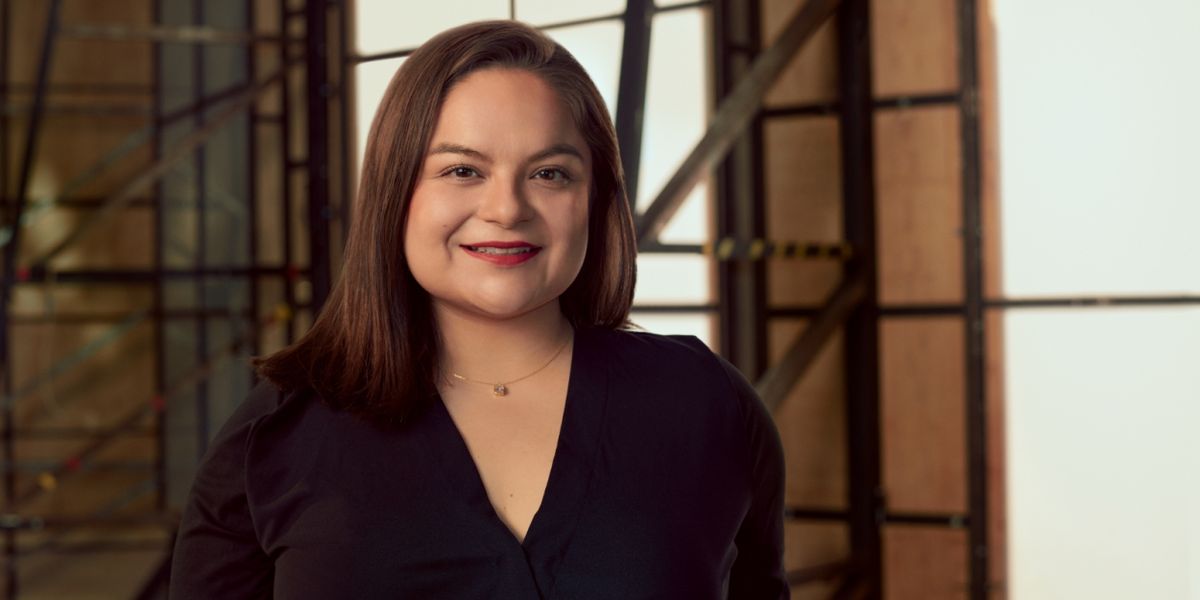
Most kids start out singing along to “Baby Shark” graduating on to “Let It Go” and maybe adding a bit of teenage Tay Tay. But who has a go at “Nessun Dorma” or "Un bel dì, vedremo" for fun after finishing their homework? That thought, and a quick conversation with a countertenor busking outside South Kensington station a few weeks ago, had me wondering about just how a young person gets to be an opera singer. So I sat down with soprano, Isabela Díaz, to find out about her journey from Chile to Covent Garden.
First a little background. Isabela is completing her two year residency as a Jette Parker artist, The Royal Ballet and Opera’s development programme for conductors, stage directors, singers and répétiteurs. I had already seen her in Pimpinone (reviewed here) downstairs in the Linbury Theatre alongside fellow JP artists, Armenian baritone Grisha Martirosyan and graduate of the Royal Conservatoire of Scotland, conductor Peggy Wu.
That Isabela could sing was, of course, a given but she was funny, sexy and super smart in a performance that gave the ambitious maid, Vespetta, both agency and vulnerability in Georg Philipp Telemann’s 300 year old two hander. Like her character in that chamber opera, I suspect Isabela has it within her to realise her dreams.
Did you always have the ambition to be an opera singer?
Not really. I discovered it by accident. One day, when I was 14 or 15 while Mom was cleaning the house, I had a bit of fun with her, because she was always listening to opera. I was surprised by how I sounded, trying for the high notes.
I had always sang in choirs and church and had loved singing since I was a very little girl - but never opera!
What were the key steps on your path to the Royal Opera House?
Wow, first I dreamt about it. I sensed I could offer something unique and special; I believed in it. I was part of the chorus in the Teatro Colón in Buenos Aires and had been singing for ten years
As a Latin American artist, support is truly essential. I studied hard with my singing teacher at the Teatro Colón, Mariano Pattin, for five or six years and received very generous assistance from the Chilean Ibañez Atkinson Foundation, who have supported me from the moment I first came for my audition until now. That’s been critical for me because there’s not much opera infrastructure in Latin America, maybe one big house in each country.
I was inspired by a previous Chilean JP artist (soprano, Yaritza Véliz, 2018-20) whom I saw on YouTube singing on the main stage here with Sir Antonio Pappano conducting. We had been at university together and I thought that If she could do it, I can too! I believe I have something special, something unique, because everyone is unique.
What did you do to be accepted into the Jette Parker programme?
I knew it was really competitive to gain a place on the programme. I first sent an audio recording of my voice, my CV and some letters of recommendation. It was my second application and this time I was asked to come to London for a live audition.
There were five metrics to evaluate my skills on the stage. They were very interested in people who were well prepared and who could deal with issues and direction immediately. After some coaching, I had two auditions, the final one on the main stage - that was fabulous!
%20RBo%20taken%20by%20Sebastian%20Nevols.jpg?format=auto&width=1400)
What were your expectations? Were they fulfilled?
I never imagined the change to my life that the JP programme has brought - the intensity and total transformation! When I came here, I didn’t know much English, so it was difficult at the beginning - I’m proud of myself that I am able to have this conversation.
What is it like to be a member of a group and, at the same time, at least in part, compete for opportunities?
Between us JP artists? I don't think you have to compete for opportunities; opportunities come when you're ready to take them.
When you're aligned with your purpose and walk toward them strategically, opportunities appear on their own. If you live your life in a permanent competition, you’re going to lose.
Go deeper and deeper into your own art, prepare well and find that star inside, the light that makes people want to hear you, see you on stage. If you do that, it doesn’t matter how competitive it may be, the opportunities will be yours.
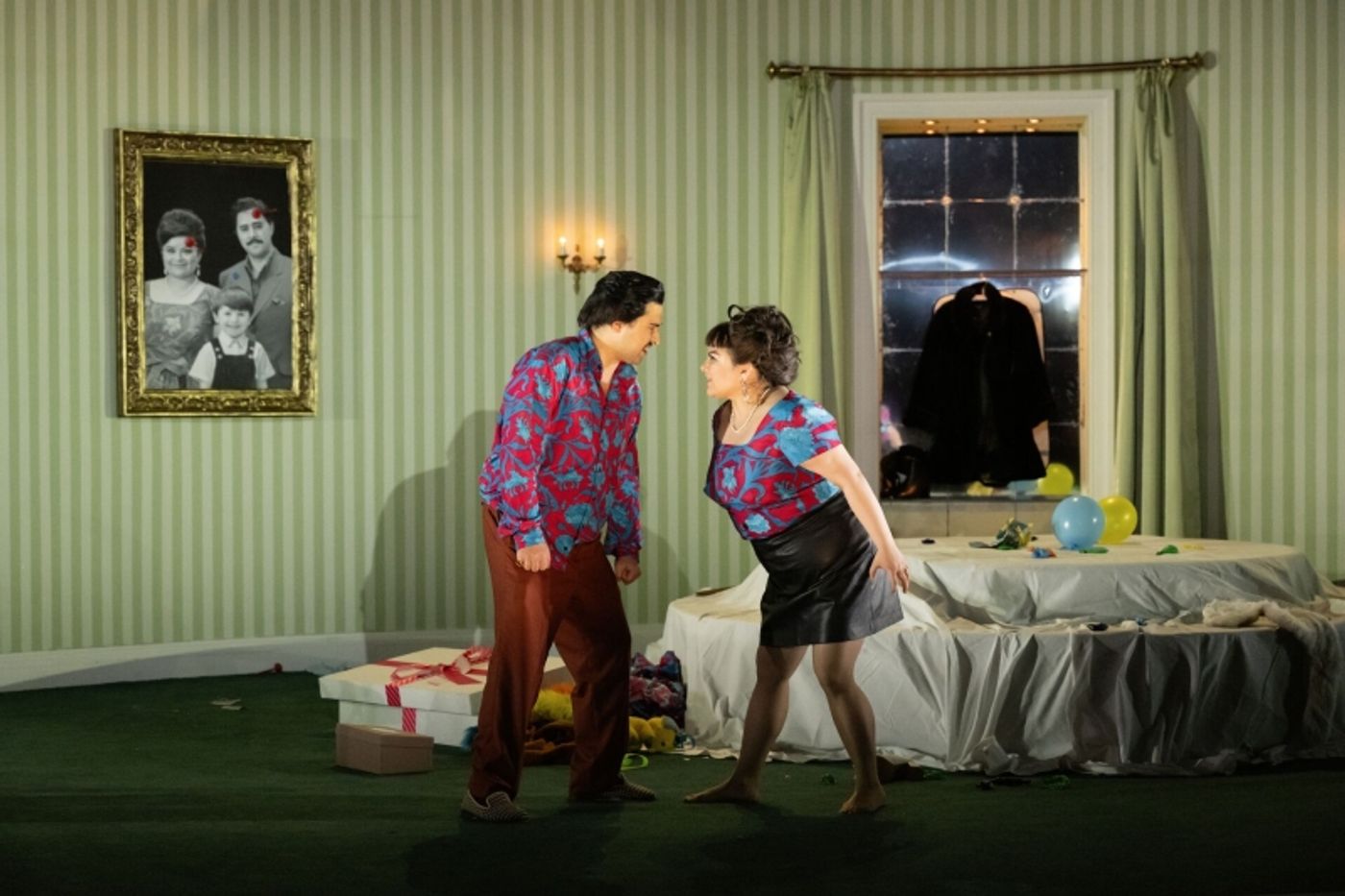
Photo Credit: Camilla Greenwell
What has been the most difficult thing you've been asked to do?
The JP programme is so intense - it’s not for everyone. You really need to love singing with all your mind and body and be totally committed to becoming a freelance soloist.
I think the biggest challenge is the variety of roles I've had to sing in so many different soprano styles. It's hard work, but it's given me great flexibility, and I'm moving toward an increasingly refined technical mastery. That's something very valuable that, without those challenges, I might not have found.
How, really how, do you memorise all the voices in different languages?
I don't know! I think it's a muscle in the brain that's being exercised. Of course, languages with romantic roots are easier for me to memorise growing up in South America.
How does it feel the first time you step onto a big stage with a full orchestra and an expectant audience and you have to sing and act?
Fantastic - so full of joy. We singers spend many hours studying, with teachers but also alone, practising over and over again. So the moment of showing it and having that connection with ‘myself on stage’ and also with the audience, is a feeling I fell in love with when I started this career. That's the moment I decided I wanted to dedicate myself to this life forever!
What are your favorite roles to date, and which ones do you dream of playing?
My favourite roles are Mimi (La bohème), Violetta (La traviata), Juliette (Roméo et Juliette) and Liu (Turandot). My dream castings are definitely for Madama Butterfly and Tosca.
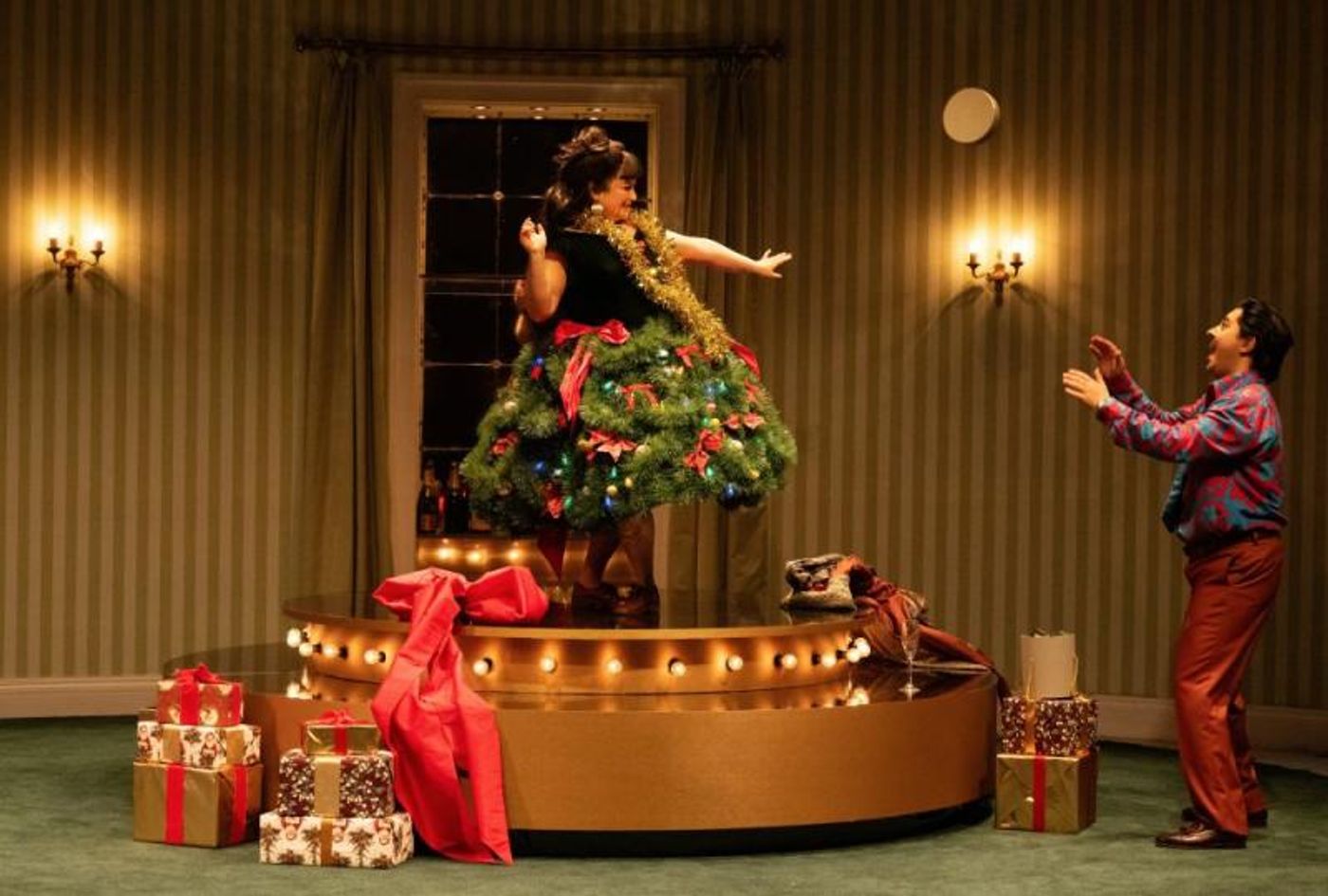
Photo Credit: Camilla Greenwell
How do you make opera relevant to young people, the audiences (and singers) of the future?
I think it's with good marketing strategies that speak to them and can show them the unique experience opera provides.
What would you say to someone your age who has never seen opera, but is curious to see something?
Don't hesitate! Come see opera, it’s a delight. So many marvellous people making such glorious sounds. It's such a wonderful art that everyone should be able to see at least once in their life.
Find out more about the Jette Parker Artists Programme here.
Main Photo Credit: Sebastian Nevols