

Interview: Mabelle Reynoso on Writing Theatre for Young Audiences on WHEN SHE BECAME THE MOON
This poignant, supernatural coming-of-age story weaves horror, heart, and heritage into a powerful exploration of grief and girlhood.
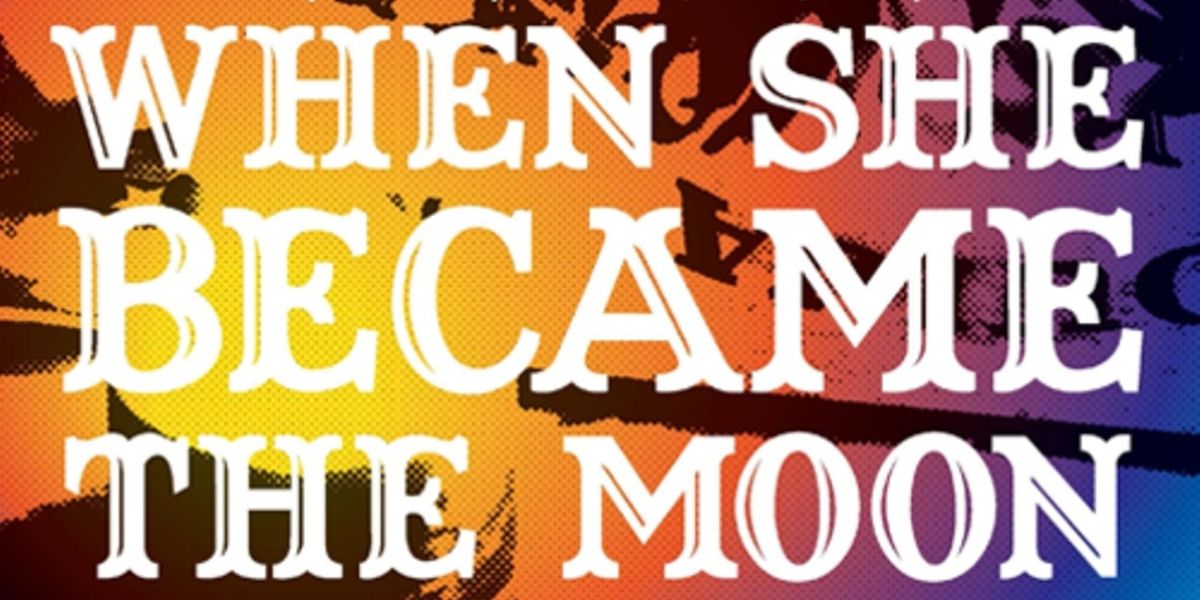
Written by playwright Mabelle Reynoso and directed by Peter James Cirino, When She Became the Moon tells the story of twelve-year-old Jesse, who is desperate for answers about her sister's mysterious death, but the adults around her won't talk. When she befriends Olivia and Beck Rose, two sisters staying at their Tía Gaby's haunted house, the trio begins uncovering secrets hidden in shadows and stories rooted in Mexican folklore. As they venture into a world where spirits linger and old legends come to life, Jesse must face the truth about loss, love, and what it means to keep moving forward.
When She Became the Moon plays until Sunday, March 1 at SDSU Performing Arts District Prebys Stage.
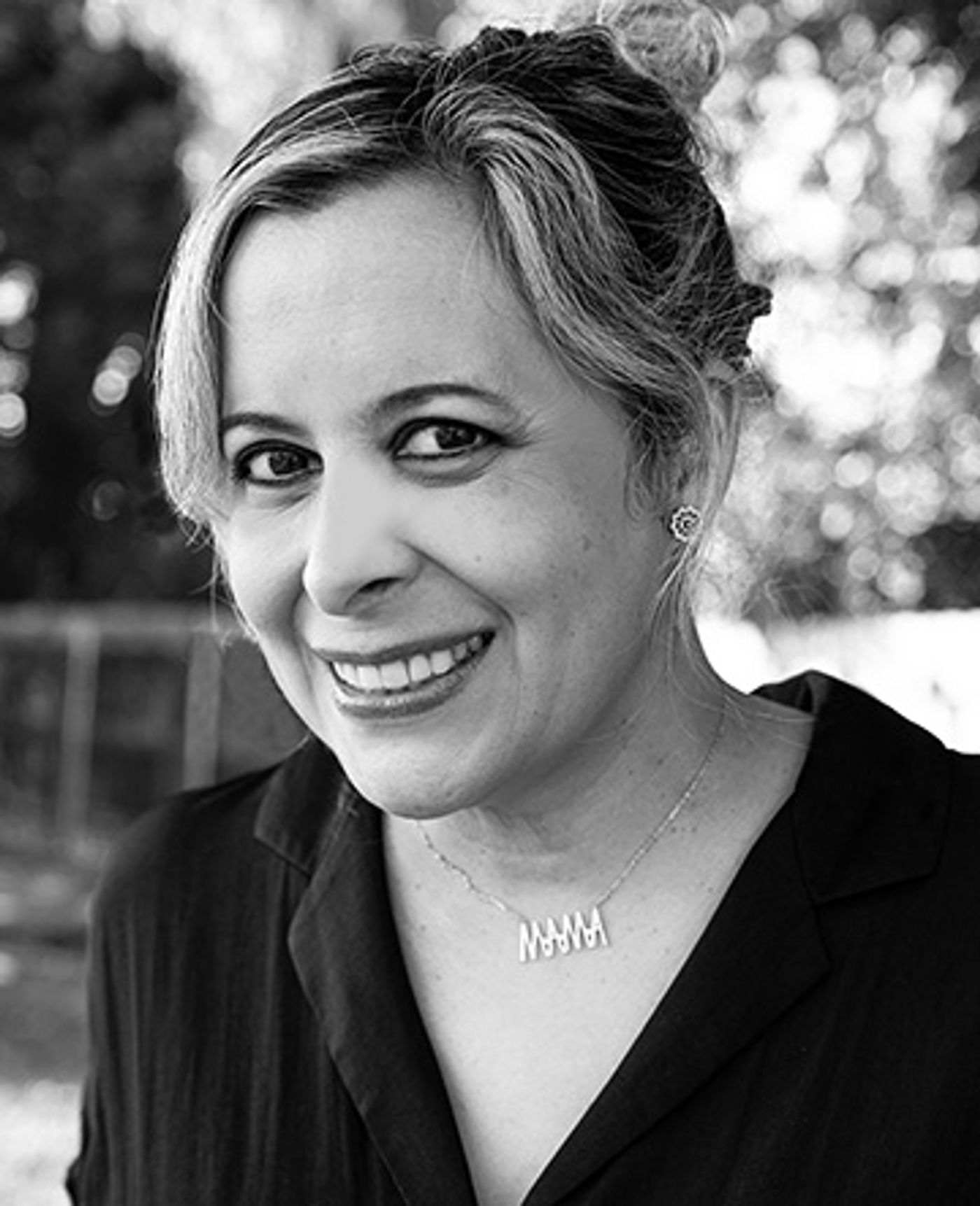
Photo courtesy of Mabelle Reynoso.
What inspired the idea for When She Became The Moon?
I can't exactly remember the ONE thing that inspired this story, but I know that back in 2021, I was workshopping another play with Teatro Bravo in Arizona and was having a conversation with the artistic director Ricky Araiza who is a champion of both TYA (theatre for young audiences) and horror. In that conversation, I got it into my head that I would write a horror TYA play, because I remember loving horror when I was a kid. I loved reading ghost stories. I loved Stephen King books. I loved being scared, but with an element of control. As I started shaping this play, I began thinking about the scary things that happened in my childhood, and the conversations that were NOT had to explain those things. Also, we almost bought a house where something very terrible happened – that definitely inspired parts of this story.
Jesse’s journey through grief and discovery is at the heart of the story...what about her experience do you hope will resonate most with audiences?
The thing about Jesse's story that I hope resonates is that we don't always get the answers or the explanations about why terrible things happen, but in spite of that, we can still find a way to experience joy, connection, and silliness. Jesse talks about being okay, and sometimes not being okay, and I think that's what I hope others will see--that we experience moments of intense darkness, but there will always be light. It might be dim. It might be hard to see. But it's there and we can find it if we allow ourselves to look for it.
The play blends supernatural elements with emotional storytelling. How did you approach balancing horror and heart in Jesse’s coming-of-age journey?
There are so many things about childhood that, as an adult, I can look back and say, "Wow, that's really terrifying." As a kid, there's so little control over your life. Decisions are made for you that might not seem like a big deal, but can be huge (like going to a new school, being sent to a summer camp where you don't know anyone, getting signed up for team sports when you don't even like sports!). But you're just expected to deal with it. The expectation is that a kid will behave, and we adults forget that they too are dealing with the unknown, unexplained events, and fear. I think young people are primed for the horror genre, and I wish there was more for young people to experience, especially in theatre, where we're supposed to explore emotions and watch rehearsals of life.
Is this play designed as an all-ages show, and if so, how did that influence the way you wrote the story and handled some of the darker themes?
I like to think that my TYA plays are written for multigenerational audiences. Without giving away spoilers, there are a few moments in the play that younger audiences may not catch, but they wouldn't be missing out on the narrative. I had the privilege of workshopping When She Became the Moon at Filament Theatre in Chicago with a phenomenal group of young people who helped me decide what information was needed to tell Jesse's story. And then I got to have a reading with those young people and their grownups. That was really helpful in truly making this a piece for multigenerational audiences. This play, like many of my other works, is about mental health, and I am always looking to find a balance that connects with audiences of all ages.
Mexican folklore plays a significant role in the story. Were there particular legends or stories that influenced you while writing the play?
As I was doing research for another play, I learned about Coyolxauhqui and the Mexica story of how she became the moon. I have since gone on to write several works about this, including my doctoral dissertation. To me, the story of Coyolxauhqui (which is rooted in her perpetrating violence and then becoming the moon) is about second chances. Can someone become the most beautiful version of themselves after they have caused so much pain? This is a question I continuously explore, and it is a commitment to the work I do as an art in corrections provider (I teach playwriting in prison).
Anything else you'd like to share about your process or this particular play?
Writing for young audiences is a tremendous privilege. It is not lost on me that my play might be the first experience a child has with theatre. But sometimes, my plays are the first experience adults have with theatre too because my work almost always centers characters from backgrounds that are not typically centered in the stories traditionally told in theatre. It's a huge responsibility to write something where audiences who are not normally reflected on stage see themselves, but that's my mission – to tell stories with authenticity, heart, and humanity. That's what I hope I'm doing with When She Became the Moon, and with everything else that I put before audiences of all ages.
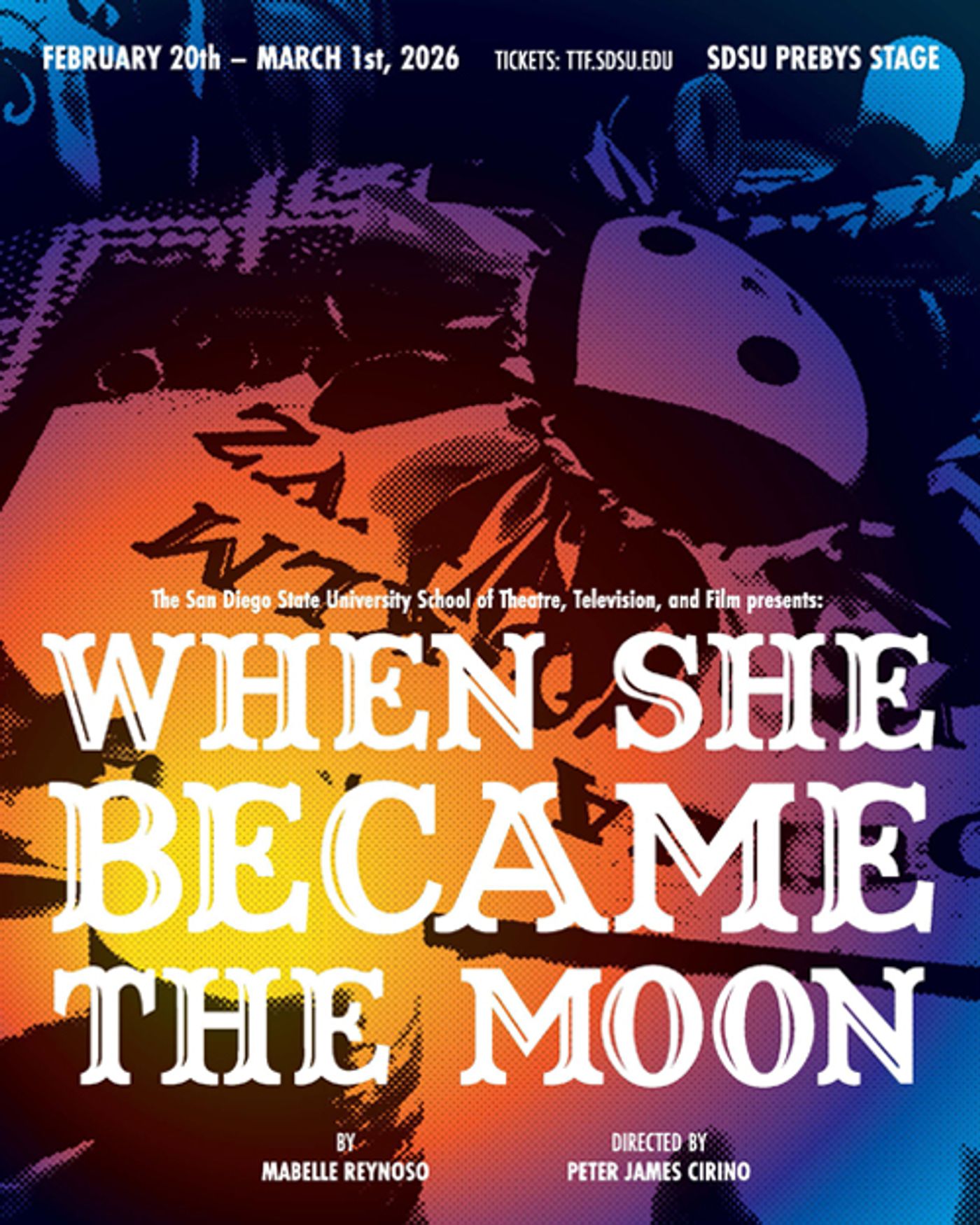
When She Became the Moon plays until Sunday, March 1 at SDSU Performing Arts District Prebys Stage. Tickets can be purchased at https://sdsupsfa.universitytickets.com/w/Default.aspx?search=When%20she%20became%20the%20moon.

|
The Most Happy Fella North Coast Repertory Theatre (6/03-6/28) |
|
The Rise and Fall of Little Voice Tenth Avenue Arts Center (6/11-7/03) |

|
Madagascar - A Musical Adventure Jr. Sunshine Brooks Theater (6/26-6/27) |
|
MrBallen: Lights out Live San Diego Civic Theatre (6/28-6/28) |
|
Disney''s Beauty and the Beast San Diego Civic Theatre (7/07-7/12) |
|
Improvability Scripps Ranch Theatre (6/28-6/28) |

|
Guns N' Roses & The Black Crowes Snapdragon Stadium (9/02-9/02) |

|
Junie B. Jones Jr. Sweetwater Community Church - White Chapel (7/28-8/01) |
|
Piaf! The Show Balboa Theatre (2/06-2/06) |

|
John Cameron Mitchell: Hedwig 25th Anniversary Movie Tour The Observatory North Park (9/20-9/20) |