


Interview: Carlos Mendoza on bringing SOMEWHERE OVER THE BORDER to life at Cygnet Theatre
This bold, musical journey blends magical realism with a vibrant Latin American soundtrack and a universal story of hope.

Cygnet Theatre’s Somewhere Over the Border is a bold, musical journey that blends magical realism with a vibrant Latin American soundtrack, from cumbia to hip hop to boleros, created by playwright Brian Quijada (Off-Broadway’s Mexodus). At the helm is director and choreographer Carlos Mendoza, also the Education & Outreach Director at Cygnet Theatre, whose personal connection to the story infuses the production with heart and authenticity. In this interview, Mendoza shares what drew him to the show, how he brought its world to life on stage, and why this story resonates with audiences today. The production runs from February 18 through March 15 in The Joseph Clayes III Theater at Cygnet Theatre.
What drew you to Somewhere Over the Border?
This musical was chosen by Cygnet Theatre’s Artistic Director Sean Murray two years ago. I read the script and immediately loved it. I was deeply touched by the story of a mother leaving her country to find a better life for her child, which is based on the playwright Brian Quijada’s own personal experience. It resonated with me on many levels. I wanted to represent the Latino community in a respectful and authentic way. Three words guide me when working with Latino stories: beauty, class, and elegance.
The journey begins in 1978 in El Salvador, when many people were leaving their country, as has happened across Latin America. With social media today, we see these stories constantly, and it can feel overwhelming. Immigrants don’t want to leave their homes, families, or language; nobody chooses to start over. I didn’t want this to be just an immigrant story—it’s about all of us and the difficult choices we make.
Reina, who represents Dorothy, meets three “amigos” along the way, each with their own dreams and aspirations. The journey moves from El Salvador and Guatemala to Mexico, then into San Diego, ending in Los Angeles and Chicago. Blending magical realism with the spirit of The Wizard of Oz, the story features vibrant characters and a lively score, from American rock and hip hop to mariachi, cumbia, and boleros. It celebrates family while highlighting the pursuit of the American Dream.
How did you approach shaping both the direction and choreography to bring the story to life?
I’ve been fortunate to work with incredible designers who were very open to collaboration. My goal was to find the heart of the story. I had many conversations with playwright Brian Quijada about how to approach it, exploring a slightly more cinematic style and the role of the narrator.
As a director, it was exciting to put my own spin on the show because I had never seen it before—it’s only been produced a couple of times. Bringing a new show to life in a way I envisioned was thrilling. Our set designer, Tanya, is from El Salvador, and I wanted to incorporate that heritage into the set in a Wizard of Oz–inspired way while keeping it a Latin American story. The projection and lighting designers helped create a cinematic feel, and the costumes pay homage to The Wizard of Oz while reflecting 1978 Latin America, maintaining recognizable traits of the Tin Man, Lion, and Scarecrow. It really takes a village to bring a vision like this to life!
Plus, the cast is entirely Latino. They can act and sing beautifully, and I’ve worked with many of them before, so it truly feels like a family affair.
The show blends magical realism with a mix of musical genres—from cumbia and mariachi to hip hop and American rock. How did you weave all these styles together while keeping the story grounded and authentic?
It’s a typical musical structure with dialogue flowing into song, but we weave the music organically into the storytelling. It’s more about the staging than big dances with focus on the movement that serves the story. What’s exciting is the mix of styles and genres. Latino audiences will see themselves reflected on stage. These are authentic Latino sounds represented beautifully in both style and instrumentation.
Why do you feel this story is especially relevant right now, and why should people see it?
Theatre exists to create change and spark conversation. When we see stories like this, it helps us understand the world better. This show will move people. At its core, it’s about a mother who would do anything to give her child the best life possible. It’s a Latino story, a women’s story, and a universal story all at once.
Arts programs are being cut everywhere, but they are transformative. My mom enrolled me in arts classes, and they helped me find my voice and tools to succeed. Theatre is meant to change us, and this show is beautiful—it will leave audiences changed.
What do you hope everyone in the audience, regardless of background, will connect with or reflect on after the performance?
Even though it’s framed as an immigrant story, it’s really about everyone. It’s a universal story about the sacrifices parents make and the hard choices we face. It asks us all: what would you do for your child?

Sign up for all the news on the Fall season, discounts & more...


|
BEGIN AGAIN The Old Globe (9/06-10/11) |
|
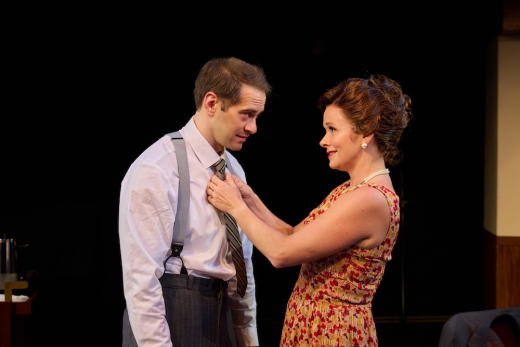
Good Night, Oscar North Coast Repertory (9/16-10/18) |
|
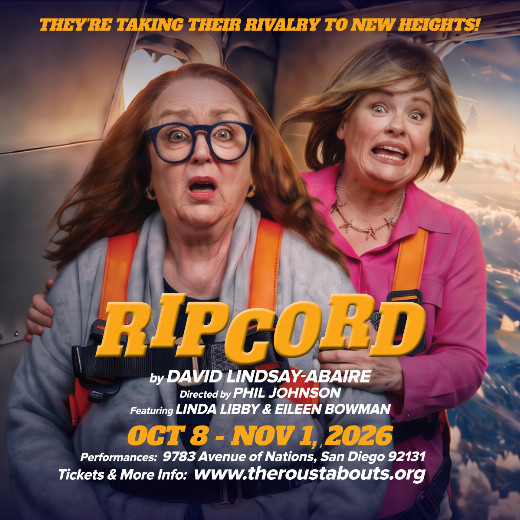
Ripcord The Roustabouts Theatre Co. (10/08-11/01) |
|
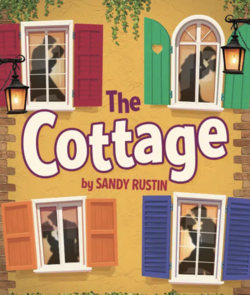
The Cottage North Coast Repertory (10/28-11/22) |

|
Curious George and the Golden Meatball Poway Center for The Performing Arts (1/16-1/16) |

|
Odds Are Mosaic Theatricals (10/02-10/18) |
|
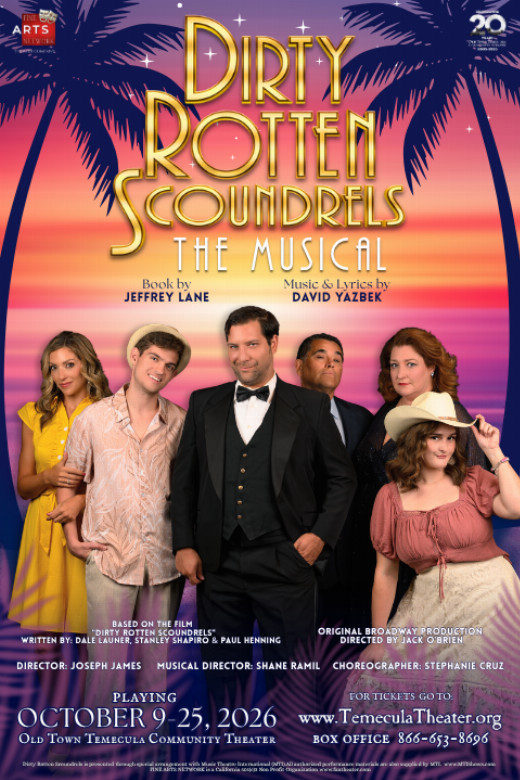
DIRTY ROTTEN SCOUNDRELS - The Musical Fine Arts Network Theater Company performing at Old Town Temecula Community Theater (10/09-10/25) |
|
|
Jonathan Van Ness: Hot & Healed Comedy Tour 2026 Balboa Theatre (10/10-10/10) |

|
Take3 Jukebox Rock Poway Center for The Performing Arts (4/18-4/18) |

|
The Lion King Civic Theatre- San Diego (2/18-3/07) |
