


Deaf West Theatre and Pace University to Launch Artist-in-Residence Program
A key element is a first-of-its-kind, multi-phase initiative led by Deaf West Theatre to develop a comprehensive ASL lexicon for music theory.
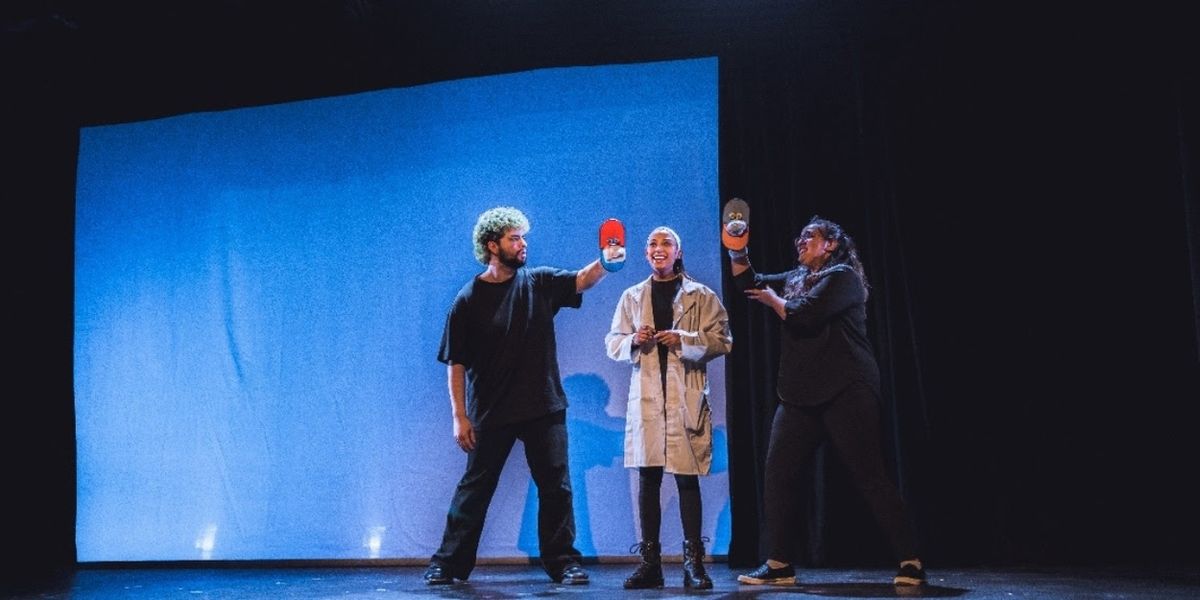
Beginning this fall, Pace University’s Sands College of Performing Arts and Deaf West Theatre are launching an artist-in-residence program focused on bridging performance and accessibility in musical theater training.
A key element of the residence program is the ASL Music Theory Lexicon Project — a first-of-its-kind, multi-phase initiative led by Deaf West Theatre to develop a comprehensive ASL lexicon for music theory. The goal is to expand access for deaf and hard-of-hearing students by creating clear, accurate signs for complex musical concepts such as rhythm, pitch, harmony, and notation — concepts that historically lack standardized visual language. The program will be broken up into multiple phases, with Phase I occurring during the fall semester with Sands College of Performing Arts musical theater BFA students and continuing through the 2025–2026 academic year.
“Sands College of Performing Arts admitted a deaf student — and an alumnus of our stages — into their prestigious BFA musical theatre program for the first time,” said DJ Kurs, artistic director of Deaf West Theatre. “While this is an extraordinary moment, it also raised an urgent question for us: How could we ensure that this student — and the many deaf artists who will follow — receive equitable access to the musical education their hearing peers take for granted? At Deaf West, we believe access is a creative asset, not a limitation. This residency with Sands College gives us the chance to create new tools for artists, ensuring that music and performance education are open to everyone.”
This collaborative residency will immerse Pace students in Deaf West’s inclusive performance practices from the very beginning of their theater training. Through class sessions and intensive workshops, students will explore Deaf West’s history, methodology, and impact.
The residency is supported by an endowed fund at the Sands College of Performing Arts, which brings visiting artists to campus each semester to enhance the education and skills of Musical Theater undergraduates. Each artist collaborates with students on setting stage pieces, rehearsals, and providing an authentic, real-world performing arts experience.
Students will also gain hands-on experience with ASL musical staging and choreography under the guidance of Jennifer Weber, acclaimed choreographer known for Deaf West and Center Theatre Group’s co-production of Green Day’s American Idiot, Broadway’s & Juliet, and KPOP. Weber will be joined by ASL Choreographer, Daniela Maucere. Students will learn how movement adapts to support visual storytelling. In a bilingual rehearsal environment that values both deaf and hearing perspectives, they’ll discover how true collaboration breaks down barriers and expands storytelling.
The ASL Music Theory Lexicon Project was born not just from a desire to translate words into signs, but from a need to translate opportunity into equity. This project is a direct response to the voices of deaf artists who deserve full access to musical training — not as an accommodation, but as a right. Led by Christopher Tester, project lead and deaf subject matter expert; Christopher Lloyd Bratten-Zappala, project lead and music theory subject matter expert; and DJ Kurs, artistic director of Deaf West Theatre.
By the end of the residency, students will understand the foundations of Deaf West’s theatrical model, gain practical experience with ASL musical staging, further understand the intersection of deaf culture and mainstream theatre, and develop tools to approach access and inclusion as creative assets — not limitations.
|
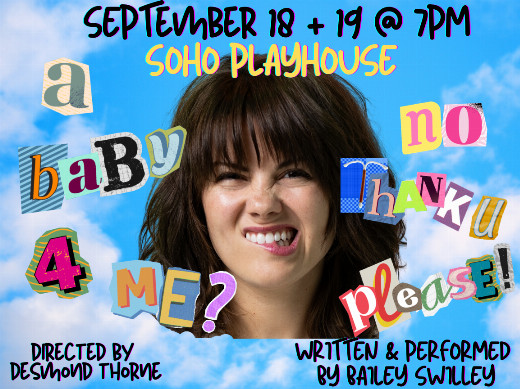
A Baby For Me? No Thank You, Please! Soho Playhouse (9/18-9/19) |
|
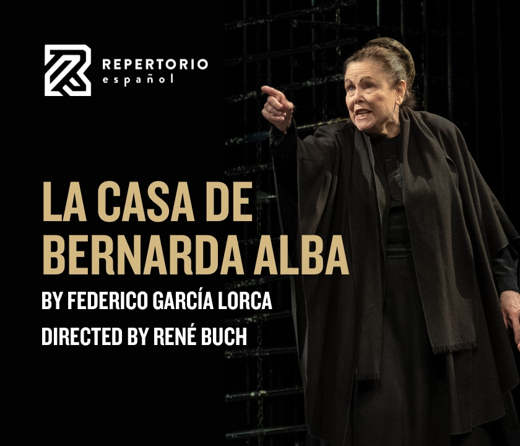
LA CASA DE BERNARDA ALBA Repertorio (11/15-12/31) |
|
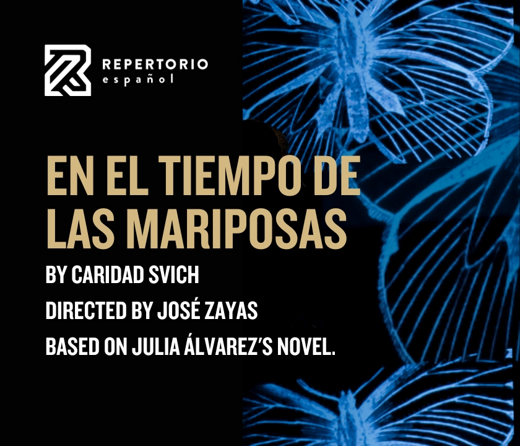
EN EL TIEMPO DE LAS MARIPOSAS Repertorio (1/07-12/31) |
|
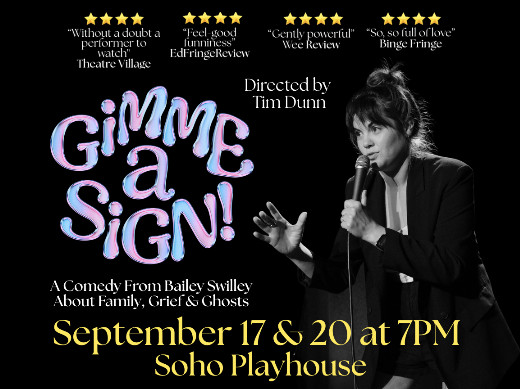
Bailey Swilley's Gimme A Sign! Soho Playhouse (9/20-9/20) |
|
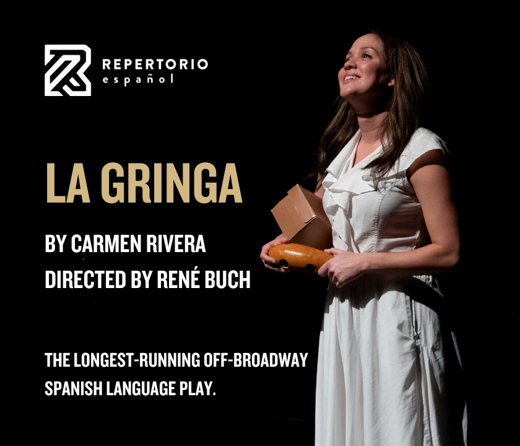
LA GRINGA Repertorio (2/08-12/31) |
|
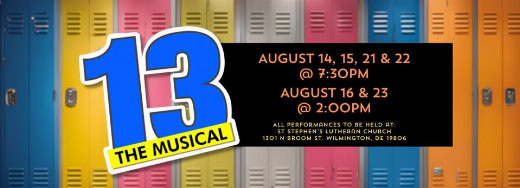
13 The Musical Griffin Theatre (8/14-8/23) PHOTOS |
|
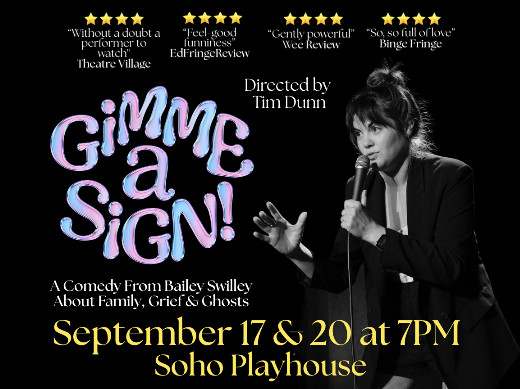
Bailey Swilley's Gimme A Sign! Soho Playhouse (9/17-9/17) |