


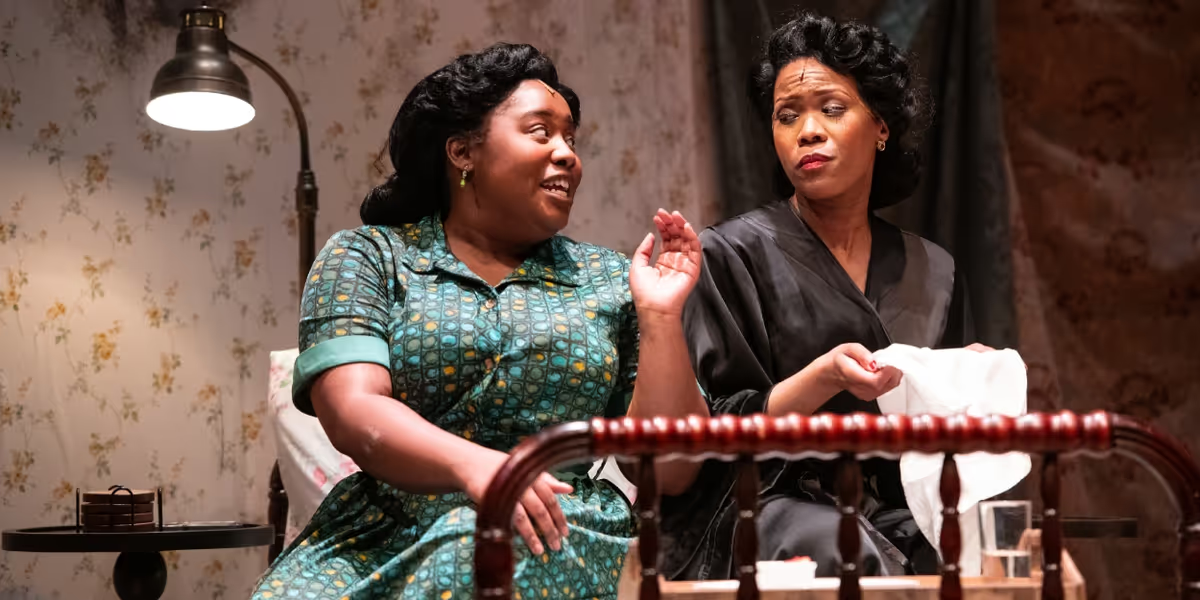
A superb troupe of five actors and a great trumpet player (Michael A. Thomas) do everything in their toolkit to realize Dominique Morisseau's significant play, Paradise Blue, about a Detroit jazz club caught in the post-World War II "urban renewal" which tampered with Black neighborhoods and lifestyles in American cities nationwide. They are substantially upstaged and undermined by director Raymond O. Caldwell's "concept" that a play about a jazz club ought to be set in a jazz club. So the audience sits in tiny, unforgiving, bentwood café chairs for the the two and a half hour show with lots of cigarette smoke and lights shining in their eyes, unable to ever fully see or hear the work the actors are doing because they're usually on or below the same level as the audience, turned away, or among the audience. Sound Designer Matthew M. Nielson does what can be done to enable the audience to hear the play, but even with body mics, it's not possible to hear every word. When the actors move to the "club's" bandstand, bar, or the excellent second floor bedroom (Set Design by Lawrence E. Moten III), they are temporarily elevated enough to be well seen and heard, but inevitably, they descend to the floor with the café tables where the audience's own heads further ruin the sightlines. Theatre strives to be a visual medium; this production is radio.
Morisseau sees and details the complexities of her characters, and that's why the actors have so very much to work with. Blue owns the Paradise Club, having inherited it from his very troubled father. His ideas about selling it and moving to Chicago mask how haunted he actually is about his skill as a musician and his worth as a man. His insecurity frequently turns him into a bully and a control freak; his bursts of anger endanger every relationship he has. Amari Cheatom masterfully finds the the pulse for every different mood swing and outburst as well as for the moments of tenderness which make it impossible to give up on Blue. Ro Boddie, as P-Sam, Blue's disgruntled percussionist, equals Blue's anger, so the two of them constantly spar, and the actors are very well matched.
Marty Austin Lamar, as Corn, the club's pianist, efficiently contrasts the two hotheads. A more multi-faceted man than either Blue or Sam, Corn uses diplomacy, kindness, and common sense to handle conflict; therefore he has more success with women than the other two men. Lamar nails all of that with a sturdy, brotherly technique. Anji White smolders as Silver, the mysterious travelin' woman who enters the life of the Paradise Club by renting the room upstairs. As if she were an African-American Mae West, Silver, in White's hands and hips, makes all four other characters want to come up and see her. But because Silver is also a sadder but wiser woman, she helps the less realistic denizens of the club set aside their rose-colored glasses. White's got a dial that all great actors develop; she can slide from steely to sexy in less than a second and is flat out fun to watch.
Kalen Robinson has to be all things to all people as Pumpkin, the chief cook and bottle washer of the Paradise Club who is also laundress, peacemaker, girlfriend (to Blue), punching bag, and reciter of poetry. Blue would like her to become his Girl Singer too. What Pumpkin isn't, until she meets Silver, is a self-advocate--not a term any of Morisseau's characters would use, but the playwright has the growth of these characters in her wheelhouse beyond and a bit above the fate of the club itself. This is why the play is so significant and why it is so painful to see it minimized. But nothing can minimize Robinson's glorious performance--effortless as an actor, she provides the nuance that defines Pumpkin, the character who changes the most during the action of Paradise Blue. From the play's opening minute to its startling final instant, Robinson/Pumpkin has the audience's hearts in the pocket of her modest wardrobe.
(Photo by Margot Schulman)
|
Misery Aldie Mill Historic Park (8/20-8/30) |

|
The Dinner Detective Murder Mystery Dinner Show The Dinner Detective Washington DC (9/26-9/26) |
|
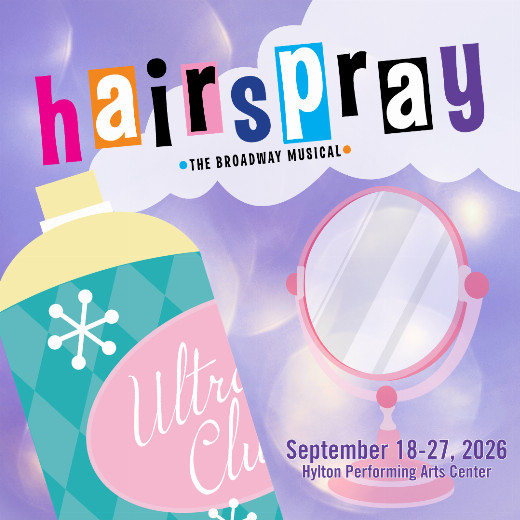
Hairspray Hylton Performing Arts Center (9/18-9/27) |
|
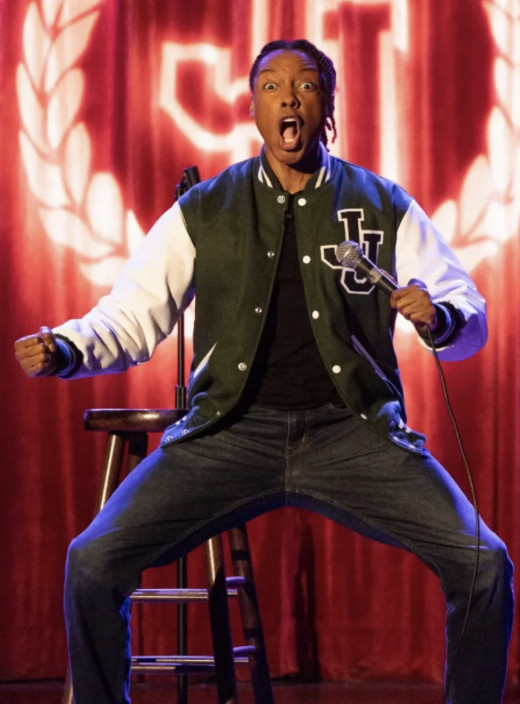
Josh Johnson DAR Constitution Hall (10/02-10/02) |
|
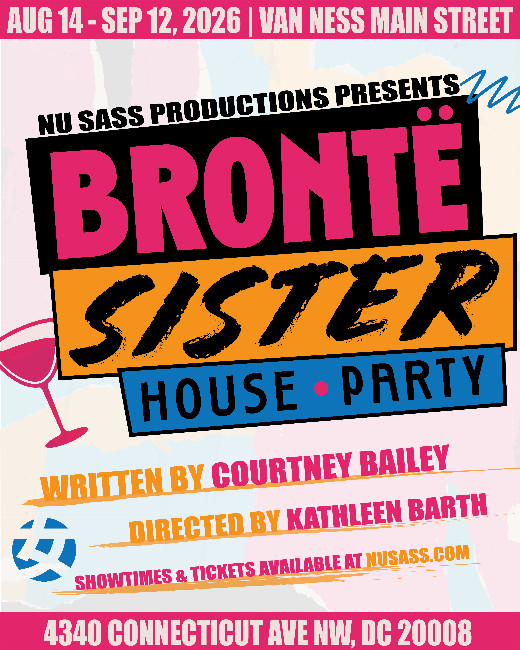
Brontë Sister House Party Van Ness Main Street (8/14-9/12) |
|
Grand Kyiv Ballet presents "The Swan Lake: Symphony of Lights F. Scott Fitzgerald Theatre (11/18-11/18) |
|
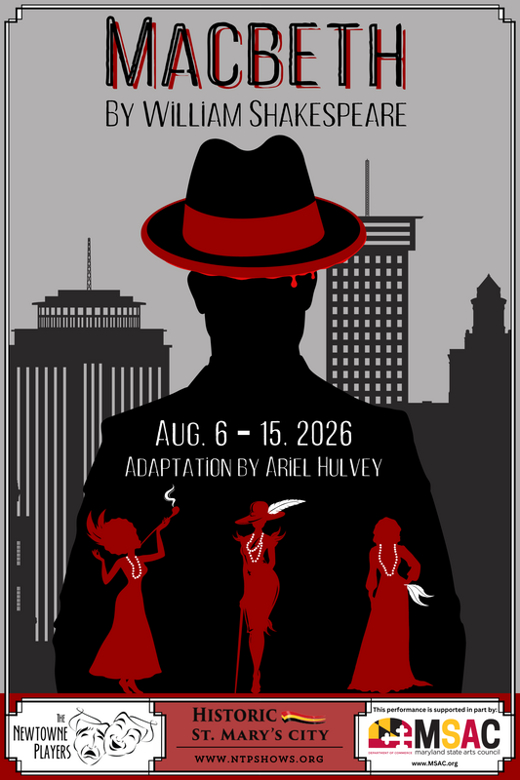
Macbeth Three Notch Theatre (8/06-8/15) |
|
Hamlet Folger Shakespeare Library (3/02-4/11) |
|
Josh Groban Wolf Trap (8/22-8/22) |
|
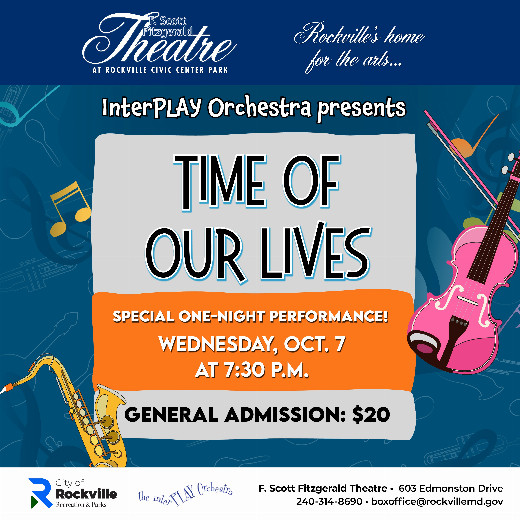
Interplay Orchestra presents "Time of Our Lives" F. Scott Fitzgerald Theatre (10/07-10/07) |
Reader Reviews
To post a comment, you must register and login.