


Review: MAJOR at OZ Arts Nashville
Choreographer Ogemdi Ude uses majorette dancing to present a live-action portrait of what it really means to be “grown” as a black woman.
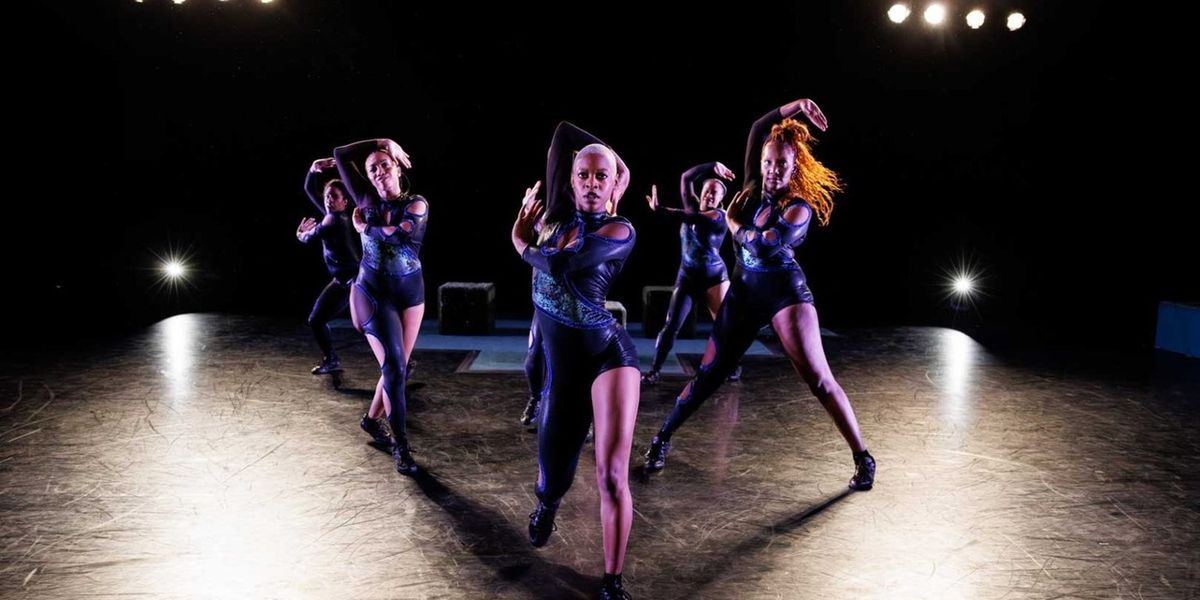
For its current season, Oz Arts Nashville presents The 2025/2026 Season: A Cultural Revolution. Artists from around the world come to perform in the inclusive space, with six different continents being represented. From a French dance piece to a bewitching Australian cabaret, it’s amazing seeing different performance art forms from different countries and cultures. I had already witnessed the richness of this season after attending the previous show, Birdie, which uses live camera feed and miniatures to tell a story about migration. This time, I got to attend Opening Night for Major, which ran February 12th to the 14th. While the show might not be from another country like the others in the lineup, it does highlight a particular part of African American culture, and it even toured in Germany last summer. Before the show even started, choreographer Ogemdi Ude shared that she had started as a majorette before shifting over to contemporary dance. She stated that she later returned to majorette dancing because she wanted to “go back to where my body first learned how to move”. With Major, Ogemdi Ude uses majorette dancing to present a live-action portrait of what it really means to be “grown” as a black woman.
Majorettes are present in parades and football games, which is why the set of Major is reminiscent of a football field. From the fake green grass to the massive studio lights in the back to how the dancers use the stairs of the stands as if they were on the bleachers of a football field, I almost forget that I’m actually in a theatre. If all that isn’t enough to make you think that you’re at a football game, then the inclusion of TSU’s Sophisticated Ladies and the Aristocrat of Bands as the special guests will definitely transport to the football fantasy. Before the first dancer even shows up, Oz Arts’s Executive and Artistic Director, Mark Murphy, compares the show we’re about to see to a sporting event and encourages us to get as loud as we’d like. Not only did I cheer louder than the music, but I also danced in my seat. Heck, I would’ve gotten up and twerked along with the dancers if I wasn’t seated in the middle and blocking people’s line of vision. I certainly got lost in the world that Major created.
The lovely dancers bringing the piece to life are Camille Phelps, Jailyn Phillips-Wiley, Junyla Silmon, Kayla Farrish, Song Aziza Tucker, and Dance Captain Selah Hampton. Every single dancer brings their own form of charisma, talent, and sass to the stage. Each dancer has something for you to focus on like Jailyn’s facial expressions, Song Aziza’s powerful vocal delivery, Kayla’s ability to improvise, Camille’s stage presence, Selah’s leadership, and Junyla’s ability to grip onto the audience’s attention. I can’t really choose a favorite performer because everyone brings something to the table. One minute I’m mesmerized by Jailyn’s deliciously devilish facial expression, and the next I’m impressed by how Kayla pretends that losing one of her shoes was all part of the act. Camille manages to stand out while blending in so well, and Selah commands attention while also highlighting her own teammates. Junyla has one of the hardest roles of being the very first dancer onstage. She needs to pull in the audience and set the mood for the performance, and she nailed it. As for Song Aziza, I’ll save her for later because she plays an important role in my favorite part of the show.
Major isn’t just a dance presentation; it showcases black feminity. It mainly demonstrates how black women and girls in particular are expected to behave in society. Junyla’s opening dance and the way she sounded like she was struggling to speak made me think of a toddler trying to move and speak on its own. Obviously, it doesn’t seem realistic given the high-energy dancing, but it artistically represents a black girl growing up in her own special way. It also ties in to what Ogemdi said about going back to where her body first learned how to move. My favorite part of the whole show is when Song Aziza presents a spoken word performance while she’s still moving around. It starts off soft and slow before becoming harsh and fast. Throughout the piece, her soft speaking turns to shouting as she proclaims, “I’m grown! Are you grown? This is grown!” The others join in and flaunt upstage as they declare that they are all grown. It’s such a poetic way for them to vocalize a particular frustration; black women in particular have been told that they need to act and look a certain way in order to be taken seriously. The truth is that there is no right way to be grown. Even those who say to “act like a grown up” tend to act childish. Heck, I’ve been told to “grow up” by an older man who expected everyone at checkout to stop everything for his own convenience. Black women don’t need to prove that they’re grown. Being loud and proud is good enough. Being fabulous is good enough. Saying what’s on their minds is good enough. And to wrap it all up nicely, Junyla’s persona from the beginning returns at the end to declare that she can be a grown girl, too.
If Major isn’t already considered a masterpiece in using dance to portray a certain experience, then it should be. It goes from curiosity to joy to frustration and then back to joy. The fact that I get to see this during Black History Month is very fitting. Whatever Ogemdi Ude works on next, I hope she knows how much she is changing the world of dance one step at a time.
Prefer BroadwayWorld in Google Search?
Add us as a preferred source so our stories show up more often in Top Stories and Google’s AI answers — for you.

Sign up for all the news on the Fall season, discounts & more...
|
Giselle TPAC Polk Theater (10/02-10/04) |

|
Playhouse Pours Playhouse on the Square (10/08-10/08) |

|
Disney's Frozen Playhouse on the Square (11/13-12/20) |
|
Nashville's Nutcracker Tennessee Performing Arts Center (11/27-12/27) |
|
Come From Away Chattanooga Theatre Centre (9/01-9/30) |
|
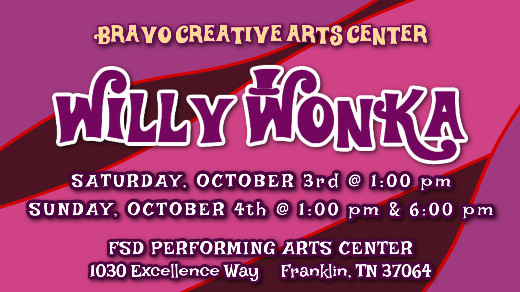
WILLY WONKA BRAVO CREATIVE ARTS at The FSD Performing Arts Center (10/03-10/04) |
|
Misery Ramsey Theatre Company (3/19-3/20) |

|
Monty Python's Spamalot Orpheum Theatre (10/27-11/01) |
|
The Shark is Broken The Circuit Playhouse (5/07-5/30) |

|
Mamma Mia! Tennessee Theatre (2/16-2/21) |

Reader Reviews
To post a comment, you must register and login.