


Review: Tony Award-Winning Musical HAMILTON Returns to OC's Segerstrom Center
The groundbreaking history-meets-hip-hop musical about one of our most charismatic Founding Fathers feels especially significant in these uneasy times.
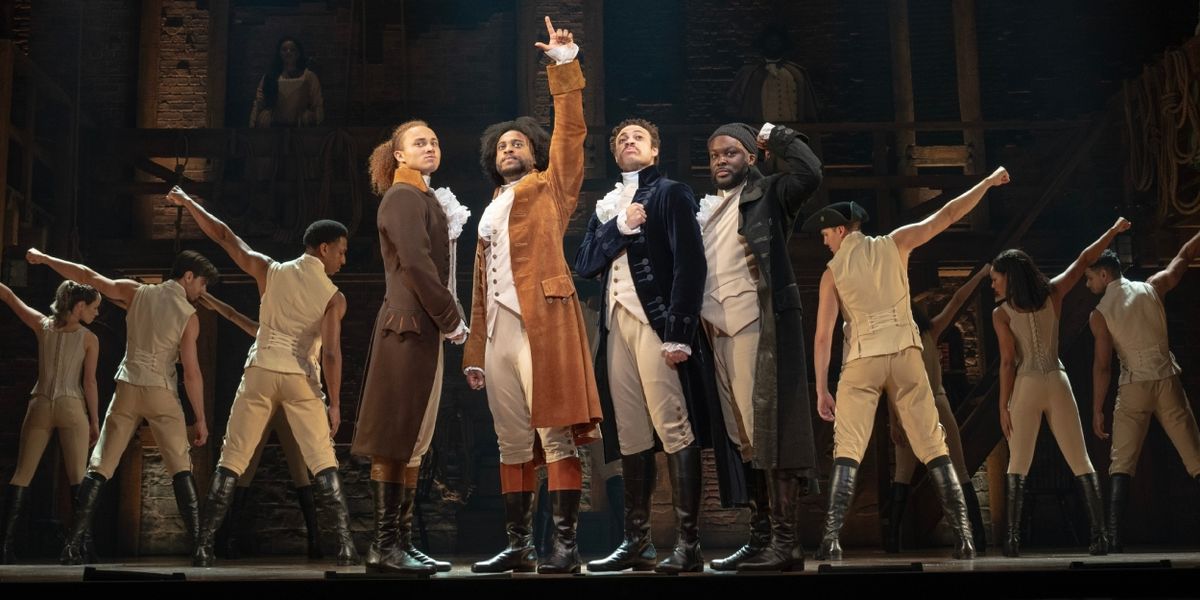
"Thank you so much for coming to see our show that celebrates democracy," utters cast member Stephen Carrasco (who plays Samuel Seabury) right before he and his fellow cast mates say their final goodbyes during the Press-invited performance of HAMILTON - AN AMERICAN MUSICAL, now at Orange County's Segerstrom Center for the Arts in Costa Mesa for its two-week return engagement that ends May 4.
Finally able to break character and speak as themselves to now solicit donations for BroadwayCares after two-plus hours of cosplaying as citizens of a bygone era, it was inevitable that such a matter-of-fact statement would be included as a final button to a show that, yes, certainly does indeed celebrate democracy. Considering the state of our own current democracy in 2025, the musical's machinations—and the beautifully diverse set of talented people it employs to make it work—all feel like a nostalgic reminder of how things are supposed to be.
Now ten years old, HAMILTON—which was birthed during a more welcoming time when such a creative, innovative endeavor felt like a step in necessary progress—still lives up to its initial hype, but also now feels more groundbreaking and particularly poignant than ever before, given how much political and social regression has occurred in our country over the past decade since it first began as an idea in creator Lin-Manuel Miranda's genius brain, that then later blossomed into one of the most important pieces of theatrical art ever created for the stage.
I have to say, sitting through it again in 2025 was such a jolt to the system—reminding me of how much of an impact this show has made since its first arrival, and how disappointing it is to know that the world around it didn't bother to heed its dispensed lessons.
How far back has our nation regressed? Well, one thing I did notice that made me uncomfortably shudder a bit: during the normally jubilant moment when Hamilton and his French pal Lafayette boastfully utter the lyric "Immigrants, we get the job done!"—which, in the past, has always elicited an extended eruption of deafening cheers, was, instead, met here with a much more subdued woohoo, which, I suppose, should not be a surprise in conservative-leaning Orange County.
Be that as it may, the musical itself still manages to eke out lots of enthusiasm and even more laughter from the audience, thanks to its ensemble of actors who were hell-bent in over-exaggerating any sprinkled bits of comedy in the otherwise brainy, dramatic show during its OC press-invited performance Thursday evening. Some of the singing voices were slightly thinner-sounding this time around, but that may be partially attributed to a technical issue that keeps coming up specifically with this hall.
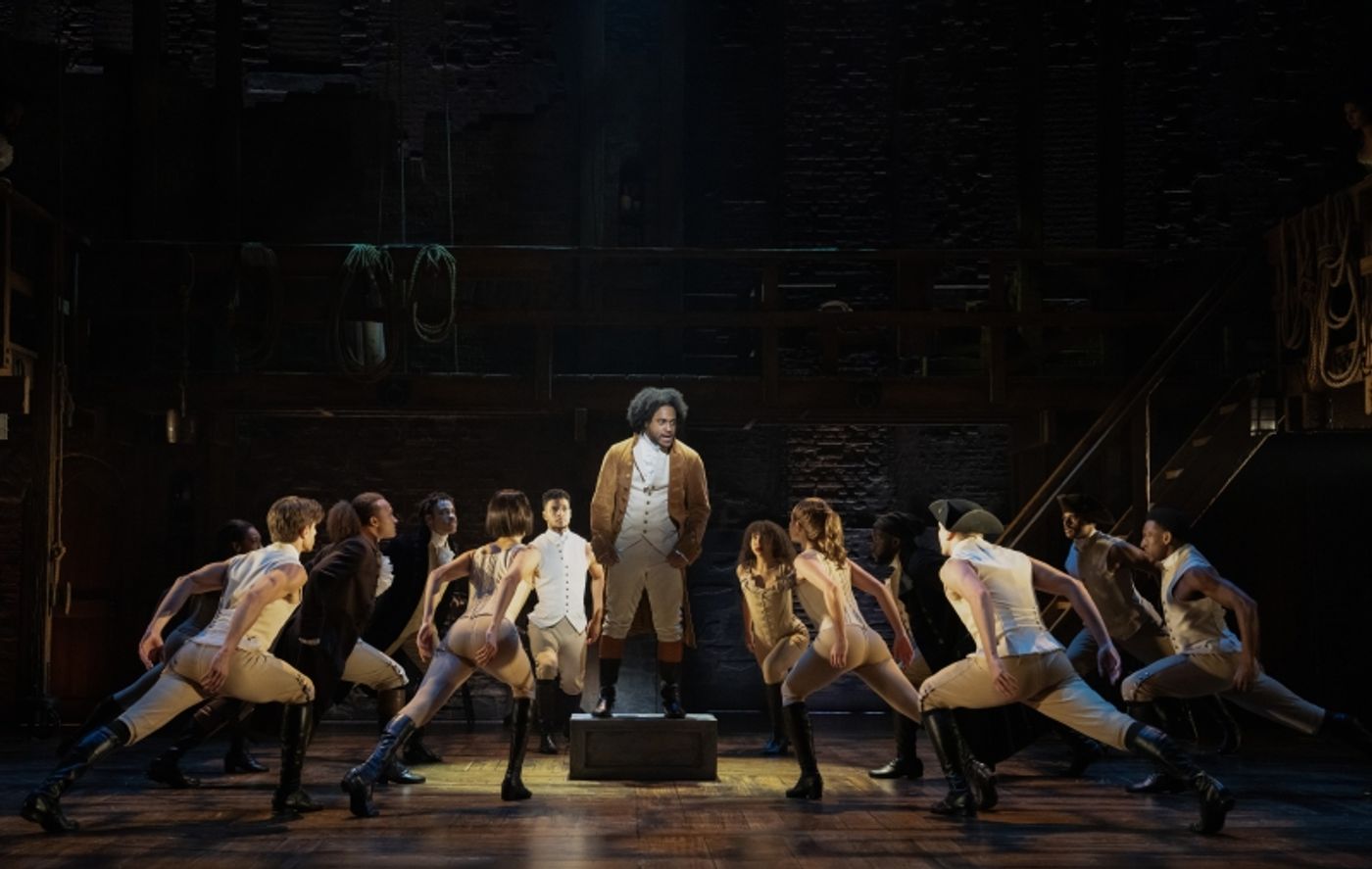
Ah, yes. A seemingly recurring problem for Segerstrom Hall's visiting Broadway tours continues to be its sound mix, which insists on keeping the actors' microphones at a frustratingly low, indecipherable volume, often getting drowned out completely the louder the orchestra gets.
Don't believe me? Well, Broadway living legend Patti LuPone, of all people, recognizes this consistent phenomena in audio mixes in many theaters today, too, and has spoken at length about it (watch her talk about it in even more detail during her insightful conversation with George Clooney in their recently posted episode of Variety's Actors on Actors online).
The same ailment seems to have plagued this HAMILTON tour's OC revisit, more noticeable this time around likely because of the intensified subtlety these specific actors are giving their respective characters. I think it's a perfectly valid choice for them and their approach to their characters, but that should also be a sign for the sound guys to, perhaps, increase everyone's microphone volumes to compensate for these acting/delivery choices.
During so many pivotal points during the show, the mics were so low that it completely takes you out of the moment. What were once highly-emotional, sometimes devastating, tear-inducing scenes in the show leave you distracted by one's inability to even hear what was sung/said in said scene (various couples in the rows in front and behind me repeatedly asked each other "what did he/she say?")
Previous touchstones in the musical like "Wait for It," "Say No To This," "Blow Us All Away," and "It's Quiet Uptown" featured barely decipherable lyrics. And if you're someone who isn't familiar with the show and its songs, not being able to understand important plot-driving lyrics can be especially frustrating.
Even the climatic duel between Burr and Hamilton, for instance, in which Burr pours out his shocked emotions in the lyrics as he realizes what he has done, were barely audible. Actor Deon'te Goodman, who admirably plays Hamilton's arch nemesis Aaron Burr, is clearly singing and acting his ass off—with notable highs and lows and held-in speeches that punctuate his character's more inward, "talk less, smile more" philosophy—but, thanks to his microphone's low volume, renders much of this finalé moment inaudible and, unfortunately, less impactful (okay, well, I did still shed a single tear, but I should've been balling at that point).
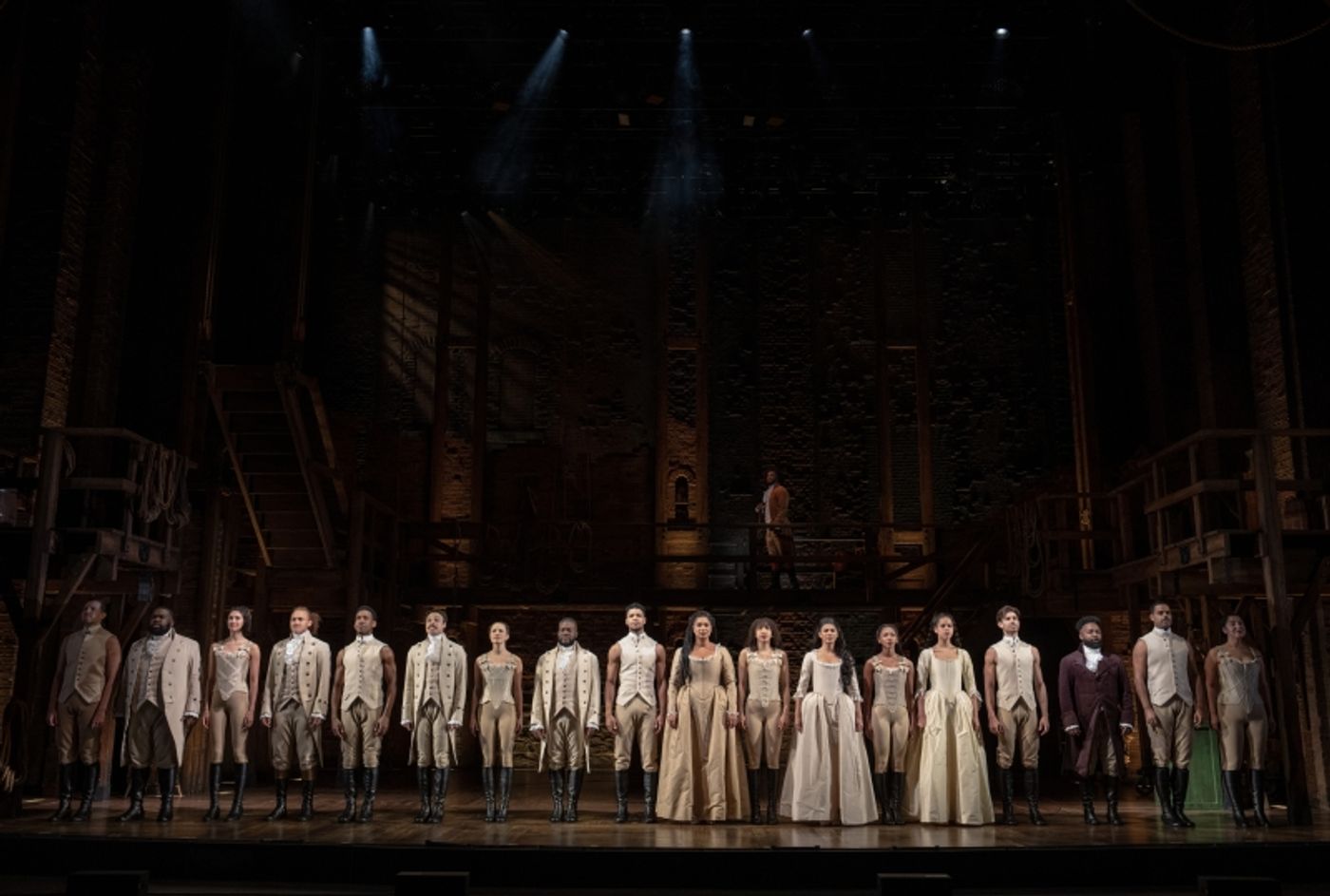
But beyond this, HAMILTON still, overall, is one of Broadway history's best, most thought-provoking musicals of all time, and, for the most part, the audience for the show's OC return was generally met with high spirits, welcoming the show with great appreciation, despite some of these ongoing tech issues.
Notably revolutionary in style, substance, and superb execution, HAMILTON—helmed by director Thomas Kail—tells the story of ambition-driven Alexander Hamilton (here played by the charismatic Blane Alden Krauss), an orphaned immigrant from the Caribbean who would eventually be recognized as one of the most important Founding Fathers of the United States, a distinction that earned him being featured on the $10 bill.
Blending hip-hop, R&B, and traditional-sounding show tunes to tell Hamilton's story, this modernized musical—based on the biography by Ron Chernow—explores themes of ambition, love, legacy, and the cost of revolution via a diverse cast (that looks like the America of today) and modern musical styles that cleverly reframe real historical events for contemporary, and, hopefully, more open-minded audiences.
The show's use of hip-hop is, naturally, its hardest-to-ignore trait, which not only refreshes the story for current music tastes, but also mirrors the rapid-fire intellect and ambition of Hamilton himself. Songs like "My Shot," "Ten Duel Commandments," "Right Hand Man," and "Non-Stop" are prime examples of how cleverly Miranda uses complex rhythms and lyrical density to reflect character psychology and narrative momentum. Right away, the raps don't ever feel like a gimmick but, rather, a necessity to tell this story in a language that matches not only the kind of person Hamilton might have been but also what kind of environment surrounded him at the time.
Hamilton's characterization as a brilliant, relentless outsider also resonates deeply with contemporary themes of immigrant identity, unrelenting ambition, and being a so-called self-made person—and the impact of all three may have on one's enduring legacy.
The show's main trajectory follows Hamilton's rise from a smart, enterprising young man to becoming the most trusted "right-hand man" to General (later President) George Washington (the superb Alex Nicholson at this performance) during the Revolutionary War, ascending to become the new country's first Secretary of the Treasury and a key architect of America's financial system. Meanwhile, across the pond, America's former landlord King George III (the excellent Paul Louis Lessard) has some frustrations—and sassy observations—about the formation of this new nation via the only non-hip-hop songs in the show.
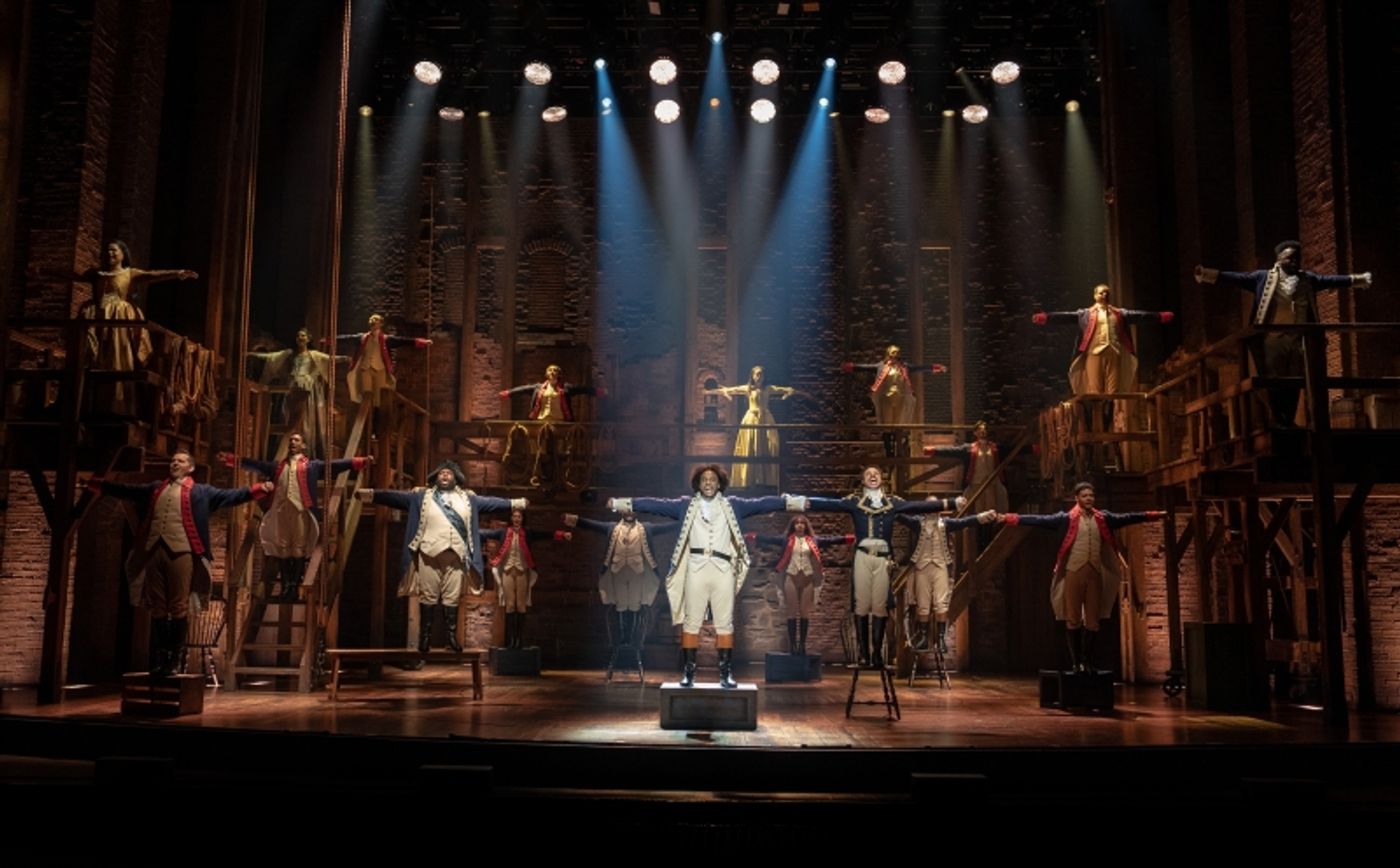
The musical also delves into Hamilton's volatile personal life—particularly his relationships with wife Eliza (Kendyl Sayer Yokoyama) and her sis Angelica (the regal Jisel Soleil Ayon, blessed with heavenly riffs, that, thank goodness, were clear in her mic)—while also showcasing his friendships with Marquis de Lafayette (the quirky Sorrel Javier at this performance, who will later play Thomas Jefferson), Hercules Mulligan (swagger-full Eddie Ortega, who later plays sickly James Madison), and John Laurens (the appropriately youthful Lucas Hinds Babcock, who later plays Hamilton's son Philip).
Of course, the story pays particular focus on Hamilton's years-long tug-of-war with Burr, which culminates in their infamous duel that results in Hamilton's tragic death (not a spoiler, by the way, since many of us oldies first learned about it via a very well-known milk commercial back in the early 90's).
"I'd rather be divisive than indecisive," Hamilton declares to Burr during their initial meeting.
The musical frames this rivalry as a severe clash of ideologies—Hamilton's action vs. Burr's caution—which provides dramatic tension and a philosophical underpinning to their conflict that heightens the intrigue, which explains why the two ended up dueling in the end.
Ten years later, the show still holds up as an ingenious reinvention of the musical theatre genre, even though, at its deepest core, the show adheres to a very tried-and-true narrative structure that other sung-through musicals have utilized as well, albeit with a more modern soundtrack filled with referential hip-hop rhythms and rhymes. Its intentional innovations extend to its visual aspects as well, from David Korins' simple yet contextually-heavy set design and Howell Binkley's narrative-triggered lighting design to (recent Oscar winner) Paul Tazewell's modern-leaning period costumes and Andy Blankenbuehler's creative, often hypnotic choreography.
And even on this umpteenth go-round of its national tour, HAMILTON remains (thankfully, and rightfully) a practitioner of diversity, equity, and inclusion policies, continuing its mandate to cast non-white actors in the roles of white historical figures—a powerful act of creative course-correction that helps reclaim American history for all Americans. This choice highlights the universality of the immigrant and revolutionary experience, making the past feel present and inclusive. It's not just color-conscious casting—it's also a brave political and artistic statement that allows people of color (like myself) to see ourselves represented on the stage, and reminds us all that human behavior can be acted out in a work of art by any human, regardless of that actor's race or sexual orientation/identity.
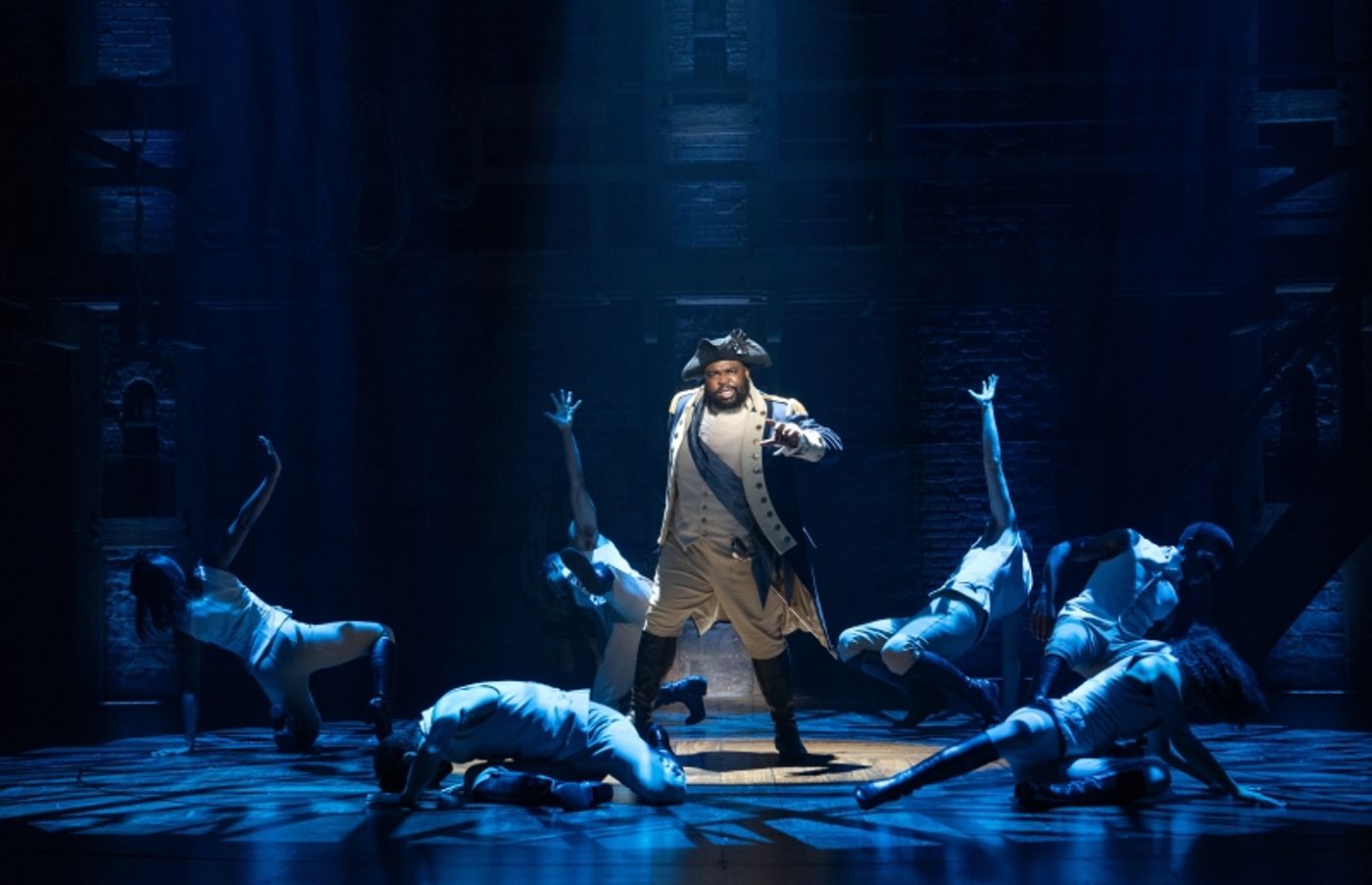
At its true core, HAMILTON is still very much a masterwork of theatrical storytelling that blends modern music with historical narrative in an unprecedented way. Its innovation and accessibility for all kinds of audiences have made it a landmark show within musical theatre that remains unique and unmatched.
At the same time, yes, its simplified (and, some would argue, not-exactly-super-accurate) take on complex historical realities invites necessary critique but, also, deeper, more meaningful conversations, which, as any educator will tell you is actually a good thing (as long as actual facts, of course, enters the chat and that there is an understood differentiation between historical accuracy and reinterpretation via creative license). Its greatest success might lie in sparking those very conversations—about who exactly lives, who exactly dies, and who exactly tells these stories.
Grateful as we all are that the show has returned to the OC with its beauty, innovativeness, and thematic scope intact (especially as a reminder of what diversity and equity looks and sounds like in these uneasy, increasingly exclusionary times), I really just wish those dang mics would be turned up way more so we can all hear all of those genius things Miranda baked into his show without any ambiguity or frustration.
Previous photos from the National Tour of HAMILTON by © Joan Marcus, courtesy of Segerstrom Center for the Arts.
Performances of HAMILTON: AN AMERICAN MUSICAL continue at Segerstrom Center for the Arts in Costa Mesa, CA through May 4, 2025. Tickets can be purchased online at www.SCFTA.org, by phone at 714-556-2787 or in person at the SCFTA box office (open daily at 10 am). Segerstrom Center for the Arts is located at 600 Town Center Drive in Costa Mesa. For tickets or more information, visit SCFTA.org.
Photo Credit: Joan Marcus


|
Powered by

|
|
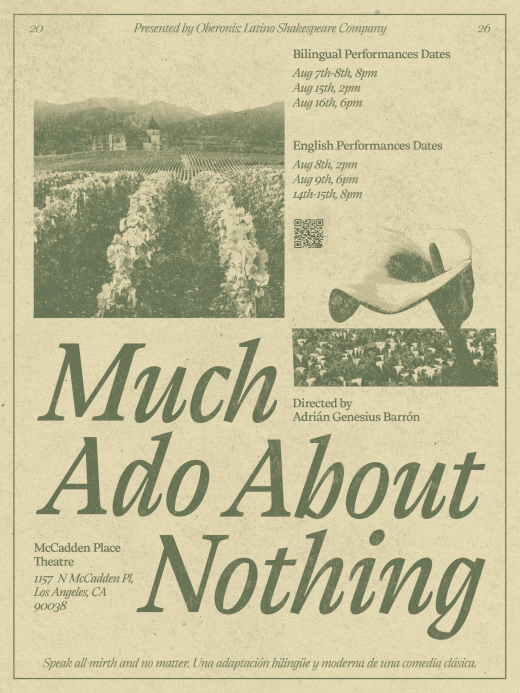
Much Ado About Nothing McCadden Place Theatre (8/07-8/16) |
|
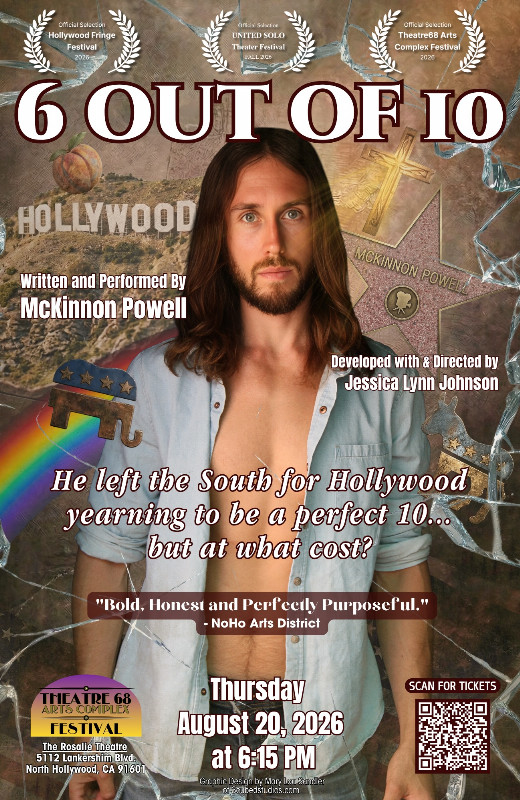
6 Out of 10 Theatre 68 (8/20-8/20) |
|
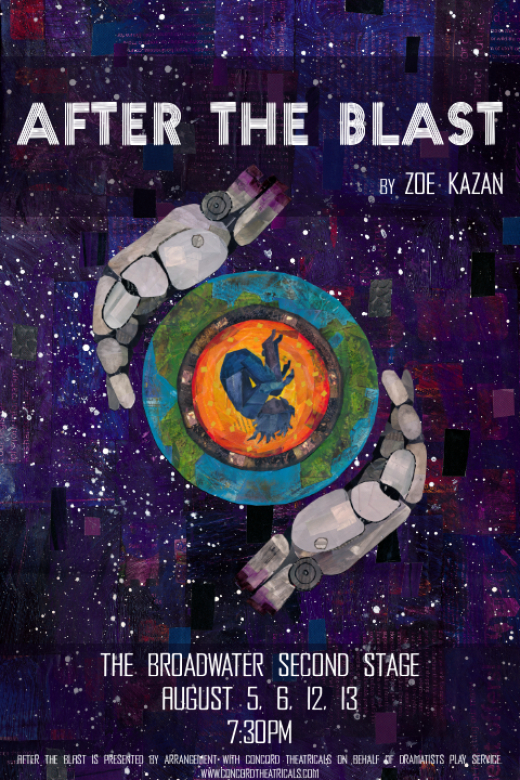
After the Blast The Broadwater Second Stage (8/05-8/13) |
|
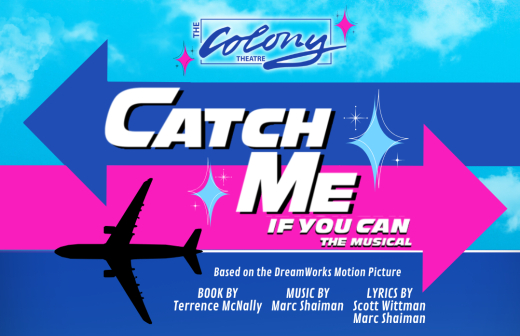
Catch Me If You Can Colony Theatre (9/17-10/18) |
|
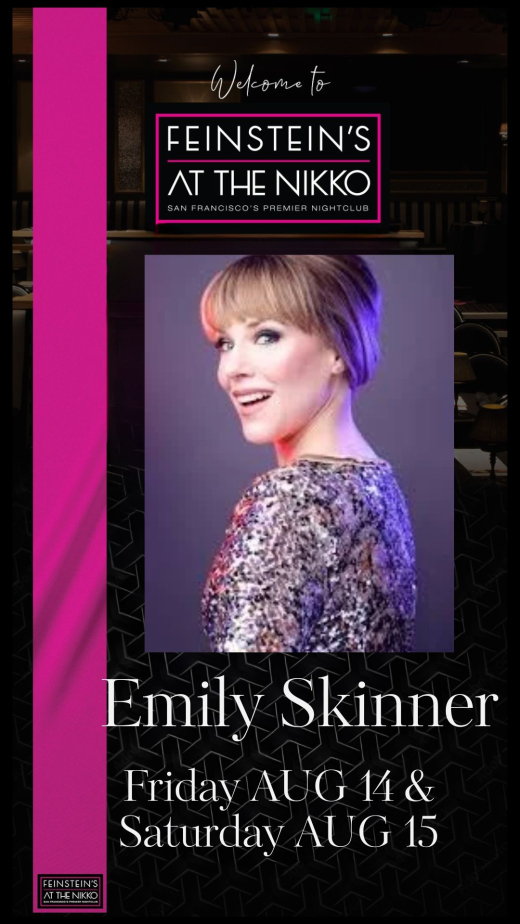
Emily Skinner: In Concert Feinstein's at the Nikko (8/14-8/15) |
|
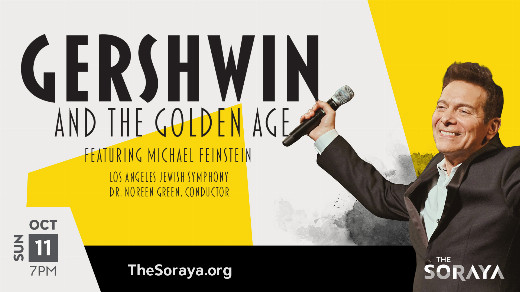
Gershwin and the Golden Age Younes and Soraya Nazarian Center for the Performing Arts (The Soraya) (10/11-10/11) |
|
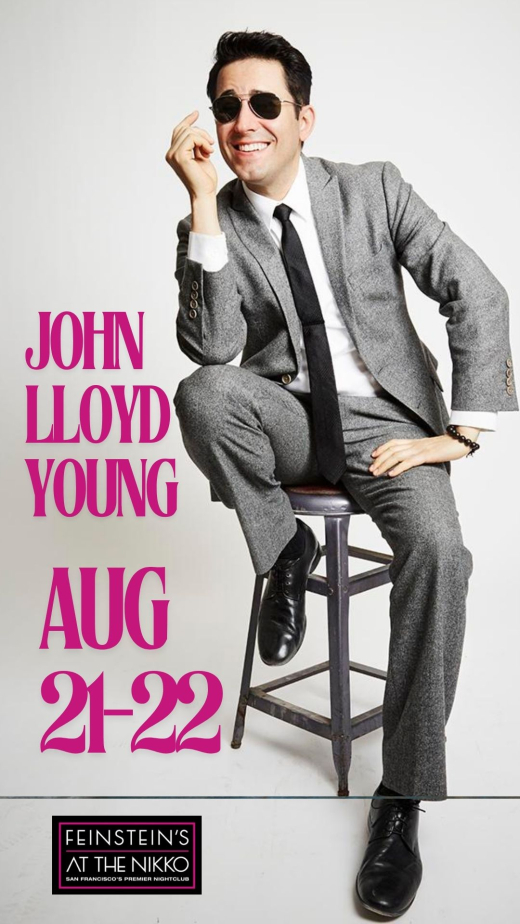
John Lloyd Young Feinstein's at the Nikko (8/21-8/22) |
|
Love, Loss and What I Wore Sawyer's Playhouse (8/08-8/30) |
|
Our Man in Santiago by Mark Wilding Odyssey Theatre Ensemble (9/10-9/20) |

|
A Faery Hunt Magical Adventure Orcutt Ranch (8/22-8/22) |
Reader Reviews
To post a comment, you must register and login.