The Unsung Heroes of the Stage: Backstage Jobs That Keep Theatre Running
Discover the vital backstage jobs that bring theatre to life—from stage managers to designers, producers, and more—meet the unsung heroes of the stage.
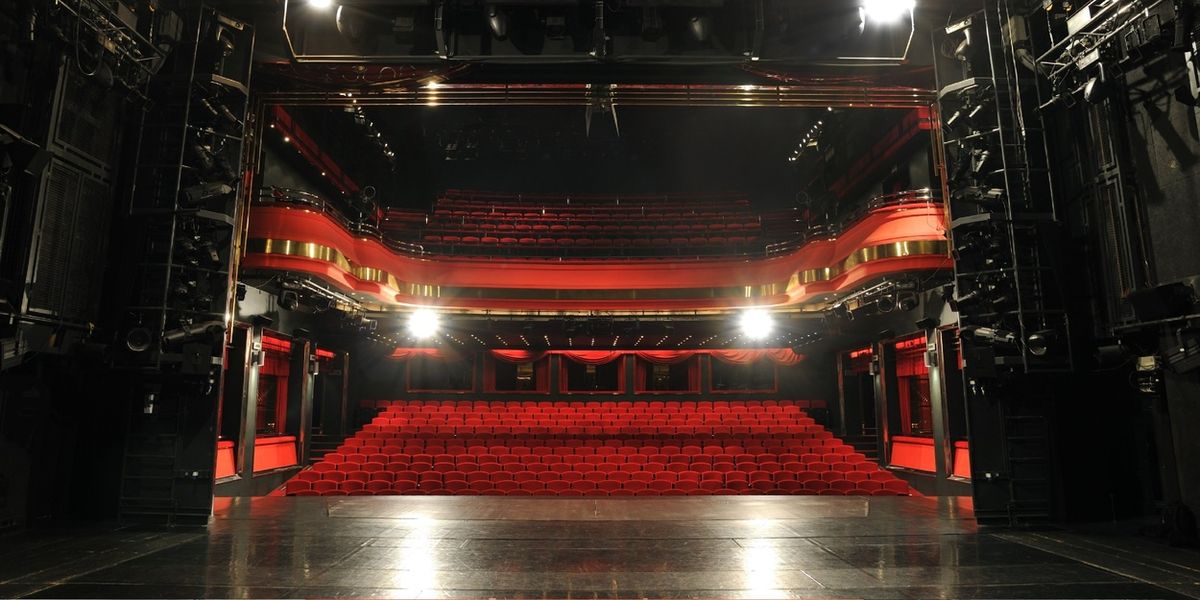
When audiences think of theatre, their minds often go straight to the stars under the spotlight—the actors, singers, and dancers who bring stories to life on stage. But for every standing ovation, there’s an entire world of creative and technical professionals working behind the scenes to make the magic happen. From designers and directors to stagehands and dressers, these unsung heroes are the backbone of every production. Here’s a look at the essential jobs that keep the curtain rising night after night.
The Creative Team: The Minds Behind the Vision
Playwright / Book Writer
The playwright (or book writer, in a musical) creates the foundation of the production—the story, dialogue, and dramatic structure. Their words set the tone and guide every artistic choice that follows. Whether adapting a novel or crafting an original piece, the playwright’s work is the heartbeat of the show.
Composer
The composer writes the music that drives a production’s emotional core. In musicals, they collaborate closely with the lyricist, book writer, and orchestrator to shape melodies that support both story and character. A great score can define a show for generations, long after the final curtain falls.
Lyricist
Lyricists craft the words that turn melodies into storytelling moments. They balance rhythm, rhyme, and character voice to create songs that reveal emotion and advance the plot. Together with the composer, they form the songwriting team that gives a musical its soul.
Orchestrator
An orchestrator transforms the composer’s piano or vocal score into a full arrangement for the pit orchestra. They decide which instruments play which lines, shaping the color, size, and emotional impact of the sound. Their work ensures the score feels rich and cinematic from the first note to the final chord.
Director
The director is the artistic leader of a production, interpreting the script and shaping how the story unfolds on stage. They guide actors’ performances, make decisions about pacing and tone, and collaborate with designers to ensure that every visual and emotional element supports the storytelling. The director’s job is to bring the playwright’s words to life in a way that feels both truthful and theatrical.
Choreographer
Choreographers design all the movement and dance in a production, from large-scale ensemble numbers to subtle moments of physical expression. They work closely with the director and music team to make sure movement fits the show’s rhythm, character, and mood. A good choreographer can make motion feel like dialogue, telling the story without a single word.
Music Director
The music director oversees all musical elements of a show—from teaching harmonies and leading rehearsals to conducting the orchestra during performances. They ensure every note, tempo, and transition is consistent across performances. Their work keeps the score as emotionally powerful as the story it supports.
Dramaturg
Part scholar and part storyteller, a dramaturg provides research and context for the production. They might explore the historical setting of a play, assist with script development, or offer insights into the playwright’s themes and intentions. In new works, the dramaturg often acts as a bridge between writer and director, ensuring the piece evolves coherently.
Intimacy Coordinator
An intimacy coordinator ensures that scenes involving physical intimacy or emotional vulnerability are handled with care and consent. They choreograph intimate moments much like fight or dance scenes—balancing artistic authenticity with performer safety. This newer role has become a crucial part of modern theatre practice.
Fight Director
Fight directors choreograph and stage any scenes involving physical conflict or combat, from sword fights to slapstick. Their work prioritizes safety and storytelling, making sure the action looks believable without putting performers at risk. Every punch, slap, and fall is carefully planned to thrill the audience safely.
Dialect Coach
A dialect coach helps actors master the accents and vocal nuances required for their characters. They ensure accuracy and consistency across the cast, while also keeping speech clear and performative. Their expertise adds authenticity to productions set in specific times or places.
The Design Team: Building the World of the Show
Set Designer (Scenic Designer)
The set designer builds the visual world of the story. Whether creating a realistic living room, a fantastical kingdom, or a minimalist abstract space, they determine how the stage looks and feels. Their designs must balance creativity with practicality, allowing actors and crew to move safely while supporting the story’s mood.
Lighting Designer
Lighting designers use color, intensity, and shadow to establish mood, time, and focus. They collaborate with the director to highlight key moments and create transitions that feel seamless. Their work is both technical and emotional—painting the stage with light to guide the audience’s eyes and hearts.
Sound Designer
The sound designer is responsible for every sonic element of the show, from ambient effects and microphones to pre-recorded music. They ensure the sound is balanced, clear, and immersive, often working hand-in-hand with the music and technical teams. A good sound design can transport the audience to another place entirely.
Costume Designer
Costume designers tell stories through fabric, color, and silhouette. They research time periods, collaborate with the director, and oversee fittings to make sure each costume feels authentic to the world of the play. Their creations help actors step fully into their characters before they ever say a line.
Props Master
The props master manages every item an actor touches—from coffee cups to crowns. They source, build, and maintain props so they’re safe, functional, and visually appropriate. During the run, they oversee the prop crew to reset and repair items, ensuring each show looks flawless.
Projection/Video Designer
A projection designer creates multimedia elements such as images, animations, and video sequences that enhance storytelling. Their work can depict locations, emotions, or abstract imagery that would otherwise be impossible to show on stage. They blend technology and artistry to expand what theatre can visually achieve.
The Technical Crew: Bringing the Design to Life
Stage Manager
Often called the “glue” of a production, the stage manager keeps everything running smoothly. They organize rehearsals, track notes, and call every lighting, sound, and scenic cue during performances. Once the show opens, the stage manager ensures that every performance runs with the same precision as opening night.
Assistant Stage Manager (ASM)
ASMs support the stage manager by handling backstage logistics, prop tracking, and actor cueing. During performances, they manage scene changes and coordinate the deck crew. Their multitasking and quick problem-solving keep the show on track when the unexpected happens.
Technical Director
The technical director oversees the execution of all scenic and technical elements. They supervise construction crews, manage budgets, and ensure that every build is safe and functional. In essence, they’re the bridge between creative design and practical reality.
Stage Crew / Deck Crew
The stage crew operates behind the curtain during performances, executing quick set changes and prop handoffs in near-darkness. Their timing and teamwork make complex transitions look effortless. They’re the invisible hands that keep the show flowing from one scene to the next.
Fly Operator
Fly operators manage the counterweight and pulley systems used to move scenery, drapes, and lighting rigs above the stage. They work high above the action, precisely controlling every cue. Their expertise ensures safety and delivers those jaw-dropping set reveals.
Automation Operator
Automation operators control the computerized systems that move turntables, lifts, and motorized scenery. They’re responsible for syncing every movement perfectly with lighting and sound cues. In big Broadway musicals, automation makes the impossible look easy.
Carpenters and Electricians
Carpenters construct the physical sets, while electricians hang, focus, and wire lighting instruments. These craftspeople are both artists and engineers, building the physical backbone of a production. Without them, the designs would remain sketches instead of reality.
The Production and Management Team: Keeping It All Running
Producer
Producers handle the business side of theatre, securing funding, hiring teams, and managing contracts. They bring the creative vision to life by assembling the right artists and resources. Producers are the ones who turn dreams into tangible productions.
Company Manager
The company manager deals with logistics—organizing payroll, travel, and housing, while keeping communication flowing between departments. They make sure everyone in the company is supported both on and off the stage. Their organizational skills keep chaos at bay.
General Manager
General managers oversee budgets, contracts, and legal matters. They monitor expenses and help guide financial decisions throughout a production’s life. Their work ensures that artistic ambition remains sustainable.
House Manager
The house manager oversees the front of house: ushers, ticketing, seating, and audience safety. They’re responsible for ensuring patrons have a smooth, enjoyable experience from the moment they enter the theatre. When they give the “house is ready” cue, the show can finally begin.
Marketing and Publicity Team
These professionals spread the word about the show through advertising, press releases, social media, and community outreach. They build excitement and ensure seats are filled. Their creative storytelling brings audiences to the theatre before the curtain even rises.
Casting Director
Casting directors are responsible for finding the right performers for every role. They organize auditions, liaise with agents, and help match talent to a production’s needs. Their instinct for chemistry, skill, and star quality can shape the entire success of a show.
Press Representative
Press representatives manage the show’s public image through media coverage, interviews, and event coordination. They work with critics, reporters, and influencers to promote the production. Their goal is to keep audiences talking—and ticket sales rising.
Social Media Manager
In the digital age, the social media manager brings the show to life online. They create posts, videos, and campaigns that engage fans and attract new audiences. Through creative storytelling, they extend the production’s reach far beyond the theatre’s walls.
The Unseen Heroes
Dressers and Wardrobe Crew
Dressers handle costume changes during performances, often pulling off lightning-fast swaps between scenes. They also maintain, repair, and prepare costumes each night. Their speed and attention to detail keep actors looking flawless show after show.
Hair and Makeup Artists
Hair and makeup artists design and execute styles that align with the production’s period, tone, and aesthetic. They manage wigs, prosthetics, and makeup applications under the bright stage lights. Their work ensures each performer is camera-ready for every audience.
Run Crew and Spot Operators
These technicians manage equipment, lighting, and effects during the show. Spot operators, perched high above the audience, track performers with precision. Their timing and consistency guarantee the technical magic stays seamless every night.
Musical Supervisor
The musical supervisor oversees all musical elements across a production — and often across multiple companies, tours, or revivals of the same show. They ensure that the musical style, arrangements, and performances stay true to the original vision of the creators. Musical supervisors collaborate closely with the director, orchestrator, and music director, maintaining consistency in sound quality and performance standards wherever the show is produced.
Musical Coordinator
The musical coordinator handles the behind-the-scenes logistics of hiring and managing musicians for a production. They contract orchestra members, schedule rehearsals, and act as the liaison between the creative team, union representatives, and the pit musicians. Their organizational expertise keeps the musical engine running smoothly — ensuring that every player, from the concertmaster to the percussionist, is in the right place at the right time.
Dance Captain
The dance captain maintains the choreography once the show opens. They run brush-up rehearsals, train new cast members, and ensure precision across performances. Their leadership keeps the movement sharp and the ensemble unified throughout the run.
Associates and Assistants
Many designers and directors work with associates and assistants who help implement and maintain their creative vision. These collaborators handle scheduling, documentation, and revisions, often stepping in when the lead artist can’t be present. They’re essential to the scale and sustainability of major productions.
Final Bow: Why Backstage Matters
Though audiences rarely see them, backstage artists and technicians are vital to the heartbeat of theatre. Every quick change, lighting cue, or perfectly timed set shift represents hours of unseen effort and collaboration. So next time you’re in the audience and the curtain rises—take a moment to appreciate the hundreds of hands that made that moment possible.