

Season 2, Episode 5: Behind every summer is a community that keeps Fire Island alive. This episode explores the history of the beloved Pines Pantry through the eyes of its iconic Pantry Girls, alongside the volunteer firefighters of The Pines and Cherry Grove who protect the island from fires, hurricanes, beach erosion, and an uncertain future.
Debut of the Month: Rachel Bloom in THE IMAGINARY INVALID - 'Let Us Make You Laugh'
Bloom talks bringing her comedic sensibilities to the production, and how the audience is 'your final cast member.'
By: Chloe Rabinowitz
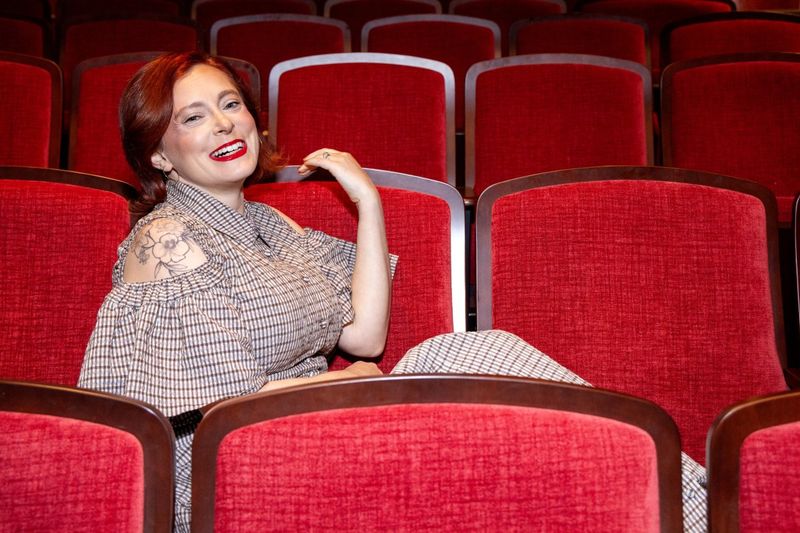
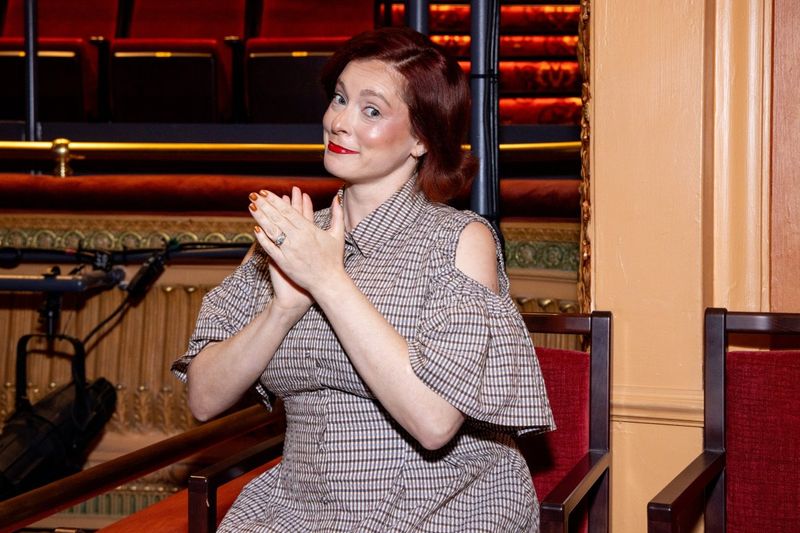
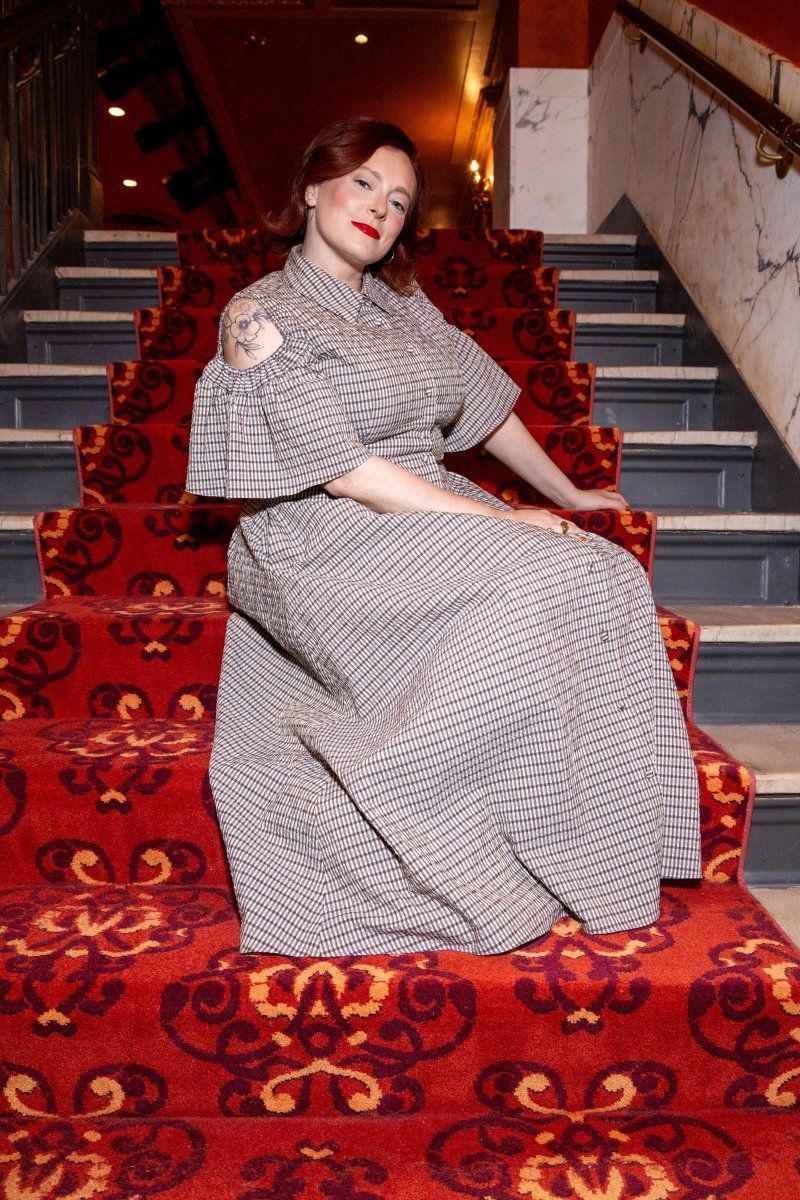
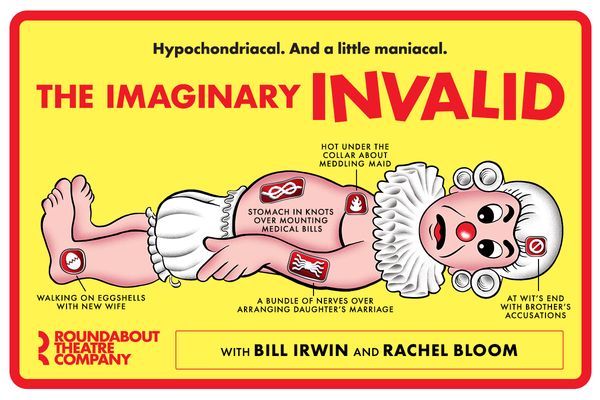
Rachel Bloom is currently making her Broadway debut as Toinette in The Imaginary Invalid, Molière's classic comedy, adapted by Bill Irwin and directed by Brandon J. Dirden!
BroadwayWorld spoke with Bloom about fulfilling a lifelong dream of performing on Broadway, bringing her comedic sensibilities to the production, collaborating with her fellow cast members, and the thrill of performing for live audiences, who she describes as "your final cast member."
Read the full interview and see photography from BroadwayWorld's Jennifer Broski!
You're making your Broadway debut in The Imaginary Invalid! What does reaching this milestone mean to you at this point in your career?
It’s really special and important. This has been a dream of mine since I was six years old. To finally do it, and also to do it in such a historic play. In many ways it feels like going back to school, because it’s embracing theatre history, but finding a reimagining of it. I literally took a class called ‘Reimagining the Classics’ when I was in school. But also just to be here, it’s hard to describe to someone whose dream hasn’t been Broadway. It’s really wonderful, and fulfilling, and important.
You've built a career around comedy, both as a writer and performer. How has your background informed your approach to Molière, and what have you discovered about bringing this centuries-old comedy to a modern Broadway audience?
It’s Bill Irwin’s adaptation, so the interpretation is more fungible. The way that my character is written, especially the way that Bill interpreted my character, it’s almost like she’s seeing everything from a birds-eye view, which is very pseudo stand-up comedy. So, there are moments where I’m really looking at the audience, I can address the audience, it’s in the script to address the audience. So, it feels like doing a stand-up set. And we’ve improvised moments that we’ve found throughout rehearsing. So comedy is really relevant.
But I’ve also spent a lot of time being a comedic actor, and blending improv, and stand-up, and acting. And on any set that is kind of mine to have a say, even with actors that aren’t improvisers or comedians, I like to do a take that’s a fun run. So, coming from ‘How do you bring a comedy sensibility to acting?’ and trying to encourage everyone around me to have that has been informative for this play. And the character is very much the comedian who revels in chaos, but also comments to the audience on what’s going on.
You're working alongside an incredible company, including Bill Irwin who you just mentioned, who adapted the play. What was the rehearsal process like, collaborating with your fellow company members?
It’s just a really nice group, to be honest. We all have our different styles, we all have our different ways we prepare, but it’s just a really nice, giving group of people. I don’t feel like any one of us has had to be like, “My point of view is not welcome here, or relevant here,” we’ve kind of found it as a cast in a really beautiful, organic way. And for how long I think, Bill, and Brandon [J. Dirden], our director have been working on this together, they were very chill in letting us find stuff on our own! We weren’t coming in— other than the script, of course— with a lot of preconceived notions of with “This is how you want to do this.”
So, it does sound like you had a lot of creative freedom, I’m curious how you approached making the role of Toinette your own?
First of all, making the jokes as funny as a I could. Which most of the time relates to taking however the line is phrased and doing it, ‘Okay, how would I say this to make it the funniest?’ Because some of those lines are asides to the audience. And the other thing is communication. Making sure the meaning of things is very, very clear. It’s like any other acting technique of, ‘What am I trying get done in this scene? What am I trying to communicate?’ And letting that be the guide has been serving me well so far.
What do you remember most from your first night in front of an audience, and how did it feel to take that bow?
Oh my god! Our first night in front of an audience was our invited dress, and I had really good friends in the audience, as well as one of my teachers from NYU who brought a bunch of students. The adrenaline was insane! Everyone in the cast was kind of drained the next day, I think because we were so excited, and heightened.
There was this really funny moment where Bill’s mic just fell off in the middle of the show. I fixed it for him, and I was like, “Sir, as your maid, allow me to fix your mic!” And some of my friends were like, “Oh my god, you’ve gotta keep that moment in the show!” And I’m like, “Guys, it was a mistake!” I don’t force mistakes, but I like it when things go a little bit off sometimes, because you have to be so fully present. And if you weren’t present, then this snaps you into being right in the moment, and right into character. And so, it was a really thrilling, exciting night. And also to be like, ‘I know this character well enough that if something were to go wrong, I could improvise within the confines of this character to fix it.'
Absolutely, there’s so much freedom in that, in the preparation, and being secure in the material. And also the natural adrenaline that happens when you’re in front of an audience.
It’s amazing, there’s nothing that compares to being in front of a live audience. Film and TV are just different. The way they’re the same is you’re with a company of people, and so at the end of the day it’s about who you’re with, and you’re at a workplace. But getting that feedback from an audience in real time, the audience is your final cast member. And it’s really hard to compare that to a closed film or TV set. It’s just really thrilling. And it’s really thrilling to be doing a play that’s just funny, and silly, and, ‘Let us make you laugh.’
Absolutely. Has anything surprised you about the audience reactions so far? You never really know how something will be received until it is in front of other people!
Every audience is different, and I experienced this when I was doing my Off-Broadway show, and it’s not even like ‘The Saturday night audience is great, the Sunday matinees are tired.’ It’s sometimes the opposite, where, ‘This Saturday night audience is really tired!’ And ‘This Sunday matinee audience, they had their brunch, they’re ready to laugh, willing to laugh!’ It’s kind of this unpredictable thing.
As a people-pleaser, I think what’s been hard and interesting for me is not only am I a people pleaser—I’m a comedian—but also, my character explicitly has certain lines that are meant to be comedic asides to the audience. It’s not just lines that happen to be funny. So, if those don’t get laughs, you’re tempted to be like, ‘What did I do wrong?’ And you just have to go back to, ‘What have I been doing that feels good?’ And every audience is going to be really different. I think it’s really delightful the lines they laugh at. There’s this line towards the end of the show where I convince Bill to fake his own death, and he goes, “I’ll do it.” And that was never meant to be a laugh line, but every time, the audience laughs! And it’s such an unexpected little laugh moment!
What do you hope that people ultimately take away from the show after seeing it? What do you hope they leave with?
I hope they’re happy. I hope they leave with joy. I hope they think about the way they interact with medicine. Look, medicine 350 years ago was very different from now. But, what I would say is, the parallels of him treating a sickness that maybe isn’t there… because my interpretation of the play is, this is a man who’s been traumatized by the death of his wife, and ever since she died, he’s been afraid of the world. Which is a very relatable premise. But think about their own relationship to healing, and wellness. And I think that some of the stuff he’s doing. If Argan were living in today’s world, he’d be obsessed with podcasters. He’d be obsessed with podcast influencers, he is convinced he’s sick in these ways, and so he’s turning to pseudoscience. And I think it’s an interesting parallel to today! The ways that we turn to pseudoscience out of fear. So, give it a light think about that!
Broadway news in your inbox
Weekly top stories - unsubscribe anytime.
Weekly top stories - unsubscribe anytime.
|
Powered by

|
Popular episode




Tickets From $59

Tickets From $70

Tickets From $59

Tickets From $101