AGES OF ICE Episode 2 to Explore Changing Polar Seas on PBS
Scientists aboard the RRS David Attenborough and NASA researchers study sea ice melt and its impact on polar ecosystems.
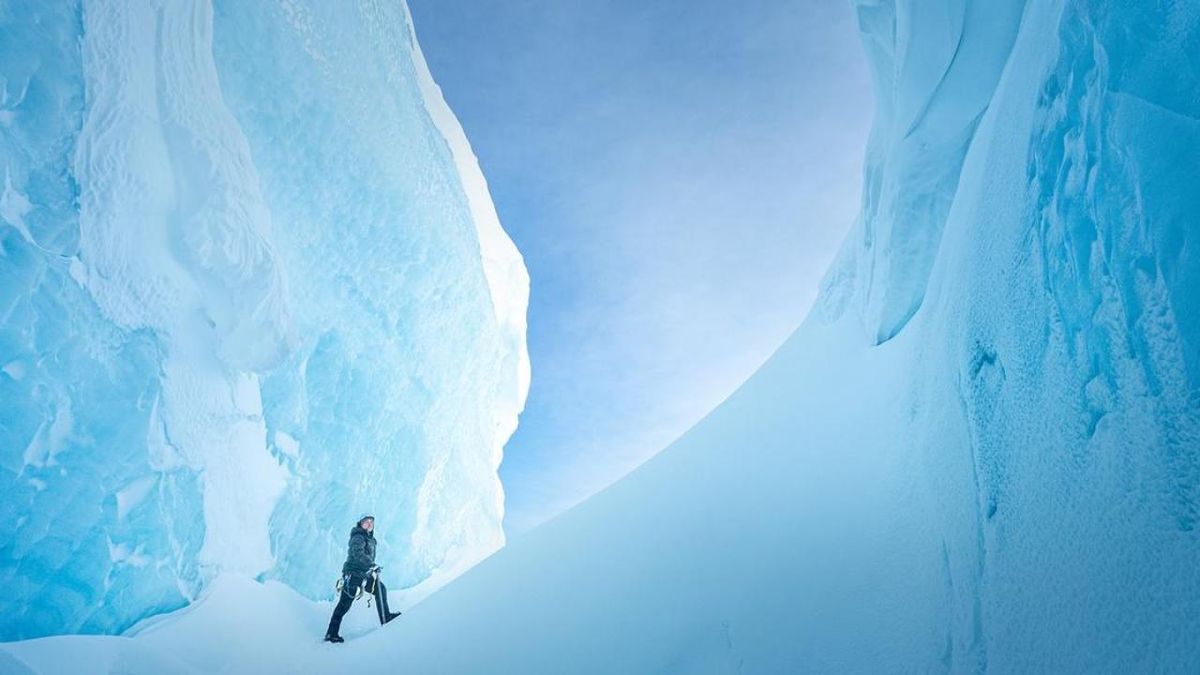
PBS' three-part documentary series AGES OF ICE, narrated by David Tennant, continues with its second episode next week. Each hour-long episode journeys into the planet's frozen wilderness, revealing the extraordinary wildlife, breathtaking landscapes, and rapidly changing ecosystems of Earth's polar regions. Episode 1, 'The Frozen Heart,' is now streaming on the PBS site.
The next episode, 'Polar Seas,' premieres Wednesday, September 23 at 10 p.m. ET on PBS and the PBS App. The episode travels across the Arctic and Antarctic to explore how rapidly changing sea ice is reshaping ocean life, climate systems and the future of the polar regions. In the Drake Passage, scientists aboard the RRS David Attenborough brave gale-force winds to study the Antarctic Circumpolar Current, while NASA researchers, including climate scientist Dr. Patrick Taylor, fly low over the Arctic ice edge to investigate how clouds can either hasten or slow sea ice melt.
The episode also follows researchers tracking krill swarms near South Georgia, WWF biologist Dr. Melanie Lancaster listening to the 'biophony' of marine mammals beneath Arctic ice, and the Real Ice team in Nunavut testing a bold effort to preserve sea ice by pumping seawater onto the surface to refreeze.
The series concludes with 'The Incubator of Life,' premiering Wednesday, September 30 at 10 p.m. ET. The finale looks at ice as a possible cradle for life, from microbes surviving in Earth's frozen extremes to the possibility of water and life on icy comets, planets and moons across the solar system.
Together, the final two episodes reveal how changes unfolding in distant frozen regions can affect ecosystems, climate and human lives far beyond the poles.

Sign up for all the news on the Summer season, discounts & more...

.jpg?format=auto&width=365)