

AGES OF ICE to Premiere on PBS, Narrated by David Tennant
The hour-long series combines epic adventure, frontline science and deeply human stories from the frozen Arctic Ocean to Antarctica.
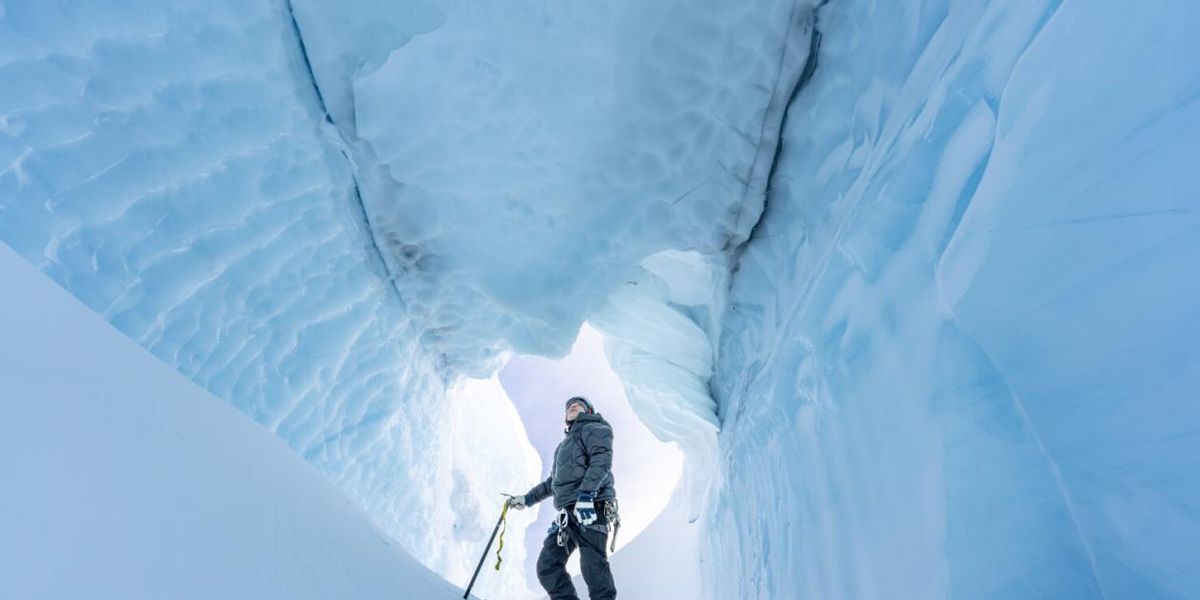
PBS' new three-part series AGES OF ICE, narrated by David Tennant, premieres Wednesday, September 16, 2026, at 10 p.m. ET on PBS (check local listings), with new episodes airing weekly. The hour-long series is a journey into the planet's frozen wilderness, revealing the wildlife, landscapes, and rapidly changing ecosystems of Earth's polar regions.
AGES OF ICE combines epic adventure, frontline science and deeply human stories. From the frozen Arctic Ocean to the high plateaus of Antarctica, viewers are immersed in places of staggering beauty and brutal extremes, where every landscape feels at once magnificent and impossibly fragile. Scientists explore the harshest frontiers on Earth and uncover the dramatic changes transforming the world. Both awe-inspiring and urgent, AGES OF ICE explores Earth's extremes, where every new finding has the power to transform understanding of the world we call home.
Episode 1 'The Frozen Heart'
Premieres Wednesday, Sept. 16 at 10 p.m. ET
At the farthest reaches of our planet, amid landscapes of staggering beauty and peril, scientists venture into the ice to unlock the story of Earth's climate. Scaling jagged peaks, battling brutal storms and skiing across frozen deserts, they track how polar regions are transforming. Each mission is an act of discovery: a step toward understanding how glaciers move, how oceans rise, and how the rhythms of the past compare to the quickening tempo of today.
Episode 2 'Polar Seas'
Premieres Wednesday, Sept. 23 at 10 p.m. ET
The polar seas help regulate Earth's climate, storing carbon, driving ocean currents and sustaining vast ecosystems. But as sea ice retreats and oceans warm, scientists are racing to understand what comes next. Above the Arctic, NASA investigates the complex relationship between sea ice and clouds. In Antarctica, researchers aboard the RRS David Attenborough track changes in the Southern Ocean and the krill that support extraordinary wildlife. In the High Arctic, WWF scientists monitor the underwater soundscape as increasing shipping threatens marine life. Meanwhile, in Nunavut, innovators and Inuit communities test ways to restore sea ice. Together, their discoveries reveal a planet in transition.
Episode 3 'The Incubator of Life'
Premieres Wednesday, Sept. 30 at 10 p.m. ET
Across the solar system, ice is scattered on comets, planets and moons. Where there is ice, there is water, raising the possibility of life elsewhere in the cosmos. To understand what we may discover out there, scientists journey to Earth's frozen extremes: probing microbes living on air alone, uncovering ecosystems in glaciers, and measuring algae transforming the ice itself. From drones beneath Arctic seas to submersible dives under Antarctica, their work leaves us with a profound truth: life, in all its resilience and strangeness, is not confined to warm, sunlit places. Sometimes, it begins in the cold stillness of ice.

Weekly top stories - unsubscribe anytime.
.jpg?format=auto&width=300)