


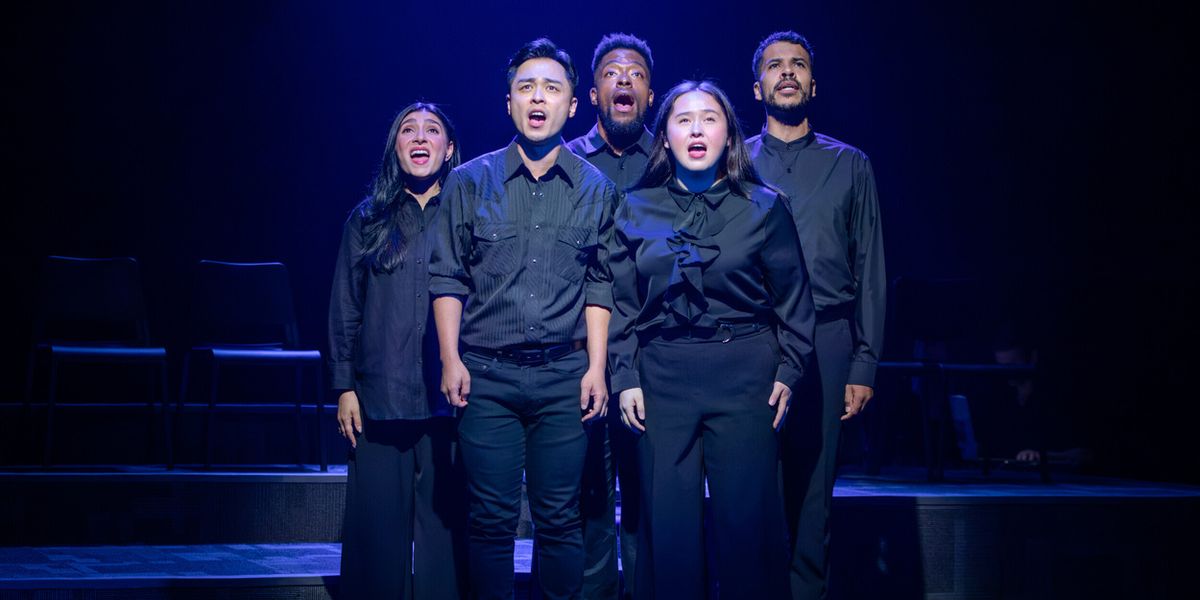
It is rare that an “important” musical is also a good musical. Too often, works with urgent social or political ambitions mistake seriousness for drama, relying on an audience’s agreement with their subject rather than earning its emotional investment. “Flying Toward the Sun”, receiving its world-premiere production at Penguin Rep Theatre, avoids that trap. Neil Berg and Bill Nable have created a musical of real topicality and timeliness that is also dramatically compelling, musically assured, and deeply human.

Set in 2015, the musical centers on Gary Campbell, a newly appointed immigrant official whose first day requires him to hear the hopes, histories, and crises of asylum seekers—and ultimately help decide their fates. His foil is Marsha, the salty veteran in her final weeks in the job. We learn quickly that their approaches, and reasons taking the job, are vastly divergent. (no spoilers here!) The premise could hardly feel more resonant today. The continuing arguments over immigration, asylum, national identity, and human dignity give “Flying Toward the Sun” an undeniable contemporary urgency. Yet Berg and Nable wisely resist reducing their characters to mere representatives of a political position. The show’s achievement is to make broad national questions intimate: matters of family, memory, fear, sacrifice, humor, and the unextinguishable desire to build a safe life.
The authors understand that policy becomes emotionally consequential only when it enters an individual life—when it determines whether a family can remain together, whether a person’s past will be believed, or whether a hoped-for future is possible. The writing treats its characters as people rather than symbols, allowing their contradictions, private wounds, resilience, and aspirations to come forward.
Neil Berg’s score is among the show’s most persuasive qualities. It has his characteristic gift for melody and theatrical sweep, while also demonstrating restraint. The songs do not merely underline dialogue; they arrive at moments when speech has reached its limit and music becomes necessary. Berg, who shares lyric credit with Nable, gives the characters musical language that can be intimate without becoming small and expansive without becoming generic.
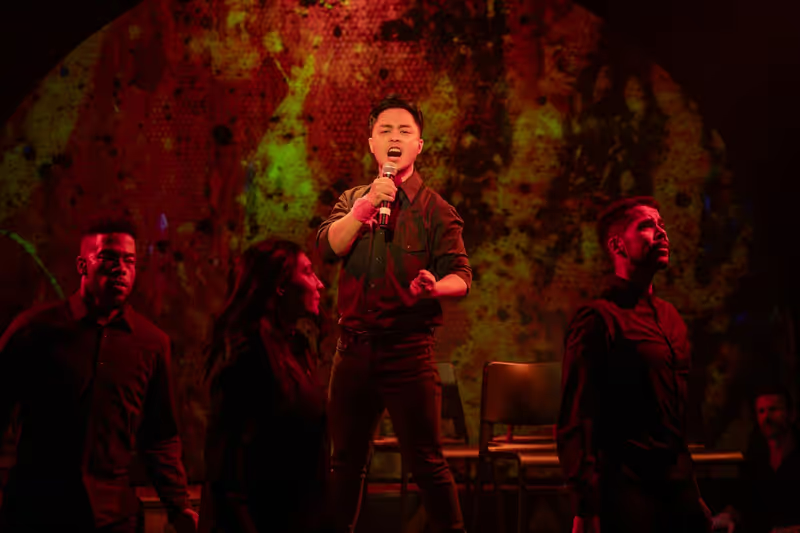
There is an appealing directness to the musical’s emotional language. The creators do not hide behind irony or contemporary cynicism. The characters’ hopes are credible because their fears are credible; their moments of courage register because the cost of failure has been made clear.
Michael Notardonato brings a valuable sense of vulnerability and moral pressure to Gary Campbell. He finds the complicated humanity in a man confronting the gap between ideals and authority. He makes Gary’s uncertainty meaningful rather than merely convenient to the plot. Cheryl Stern's begins by appearing to be a simple stand-in for institutional power, but we learn later in the show that she has a great deal more complexity (and a lot of emotional baggage) that has brought her to this moment.
Ian Coulter-Buford, Joy Del Valle, Jonny Lee Jr. and Robert Zelaya form an accomplished and deeply committed company. The performers bring emotional clarity to the musical’s heightened moments while keeping the work grounded in recognizable behavior. Even when the stakes are large, the production remains attentive to the small, revealing human moments that make those stakes matter.

Joe Brancato, Penguin Rep’s founding artistic director, provides smooth, clear direction throughout. His staging possesses a welcome assurance: it moves the audience through a potentially complex narrative without confusion or clutter. In a new musical with substantial thematic weight, that clarity is a major virtue. Brancato makes sure the audience understands where the story is, what each encounter costs, and how each emotional development affects the next.
If there is one drawback to the work, it is that the tonal balance is relentlessly serious and somber, often painful. Given the subject matter it is understandable even unavoidable, but it does make the ride a tough one.
The musical clearly has something to say, and its perspective on its subject is compassionate and morally alert. The director never permits its ideas to overwhelm its drama. Rather, he guides the actors toward emotionally transparent work that lets the audience experience the dilemmas from within. We are not asked simply to observe immigration policy as an abstract debate; we are invited to feel how its decisions reverberate through lives.
Berg and Nable have written a musical with both heart and argument, and Penguin Rep has given it a production distinguished by strong singing and lucid, empathetic direction.
Penguin Rep’s world-premiere production makes a persuasive case for the work’s future life—and for the enduring need for new musicals willing to look directly at the world we are living in.


Sign up for all the news on the Fall season, discounts & more...

|
The Last Five Years Arc Stages (9/25-9/25) |

|
Chris Vitarello Power Trio "The Grateful Dead" set Jazz On Main (10/02-10/02) |
|
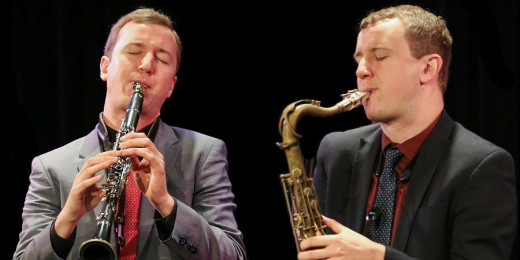
THE ANDERSON BROTHERS PLAY RICHARD RODGERS Jazz On Main (10/10-10/10) |

|
Sunday Brunch with Jon Cobert Jazz On Main (11/01-11/01) |

|
Eugenie Jones Jazz On Main (10/24-10/24) |
|
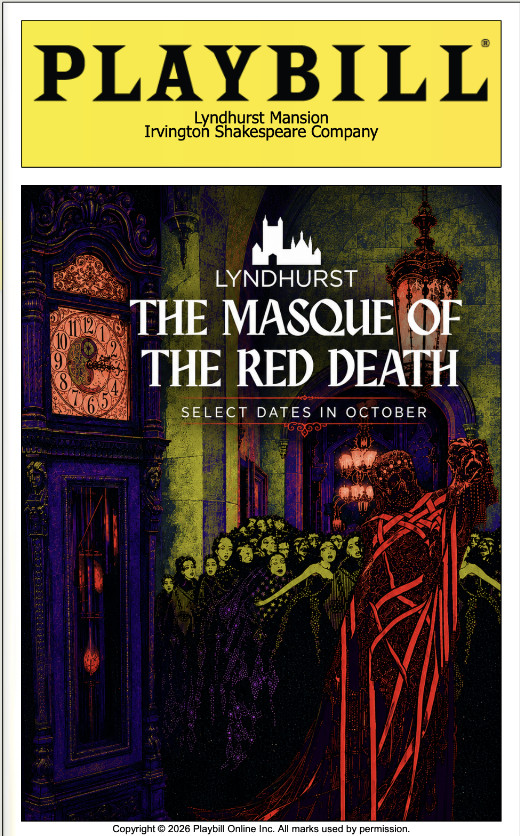
Masque of the Red Death Lyndhurst-Theater-36 (10/15-10/30) |

|
Quintin Harris Trio Jazz On Main (10/01-10/01) |
|
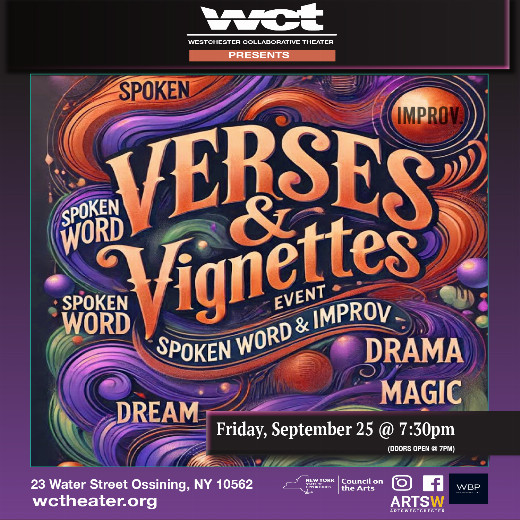
WCT Presents Verses & Vignettes on Friday, September 25 Westchester Collaborative Theater (9/25-9/25) |
|
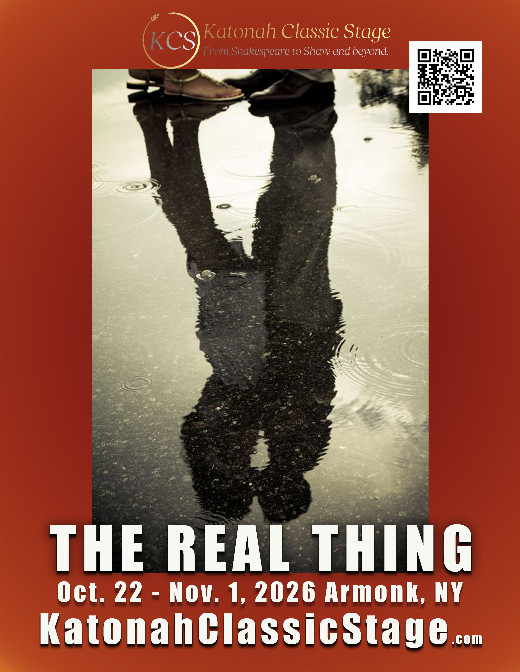
The Real Thing Katonah Classic Stage (10/22-11/01) |

|
Green Day’s American Idiot Theatre on Main Street, Inc. (11/07-11/08) |

Reader Reviews
To post a comment, you must register and login.