


Review: HELL’S KITCHEN at Belk Theater
A Musical Journey of Love, Legacy, and the Power of Artistic Discovery
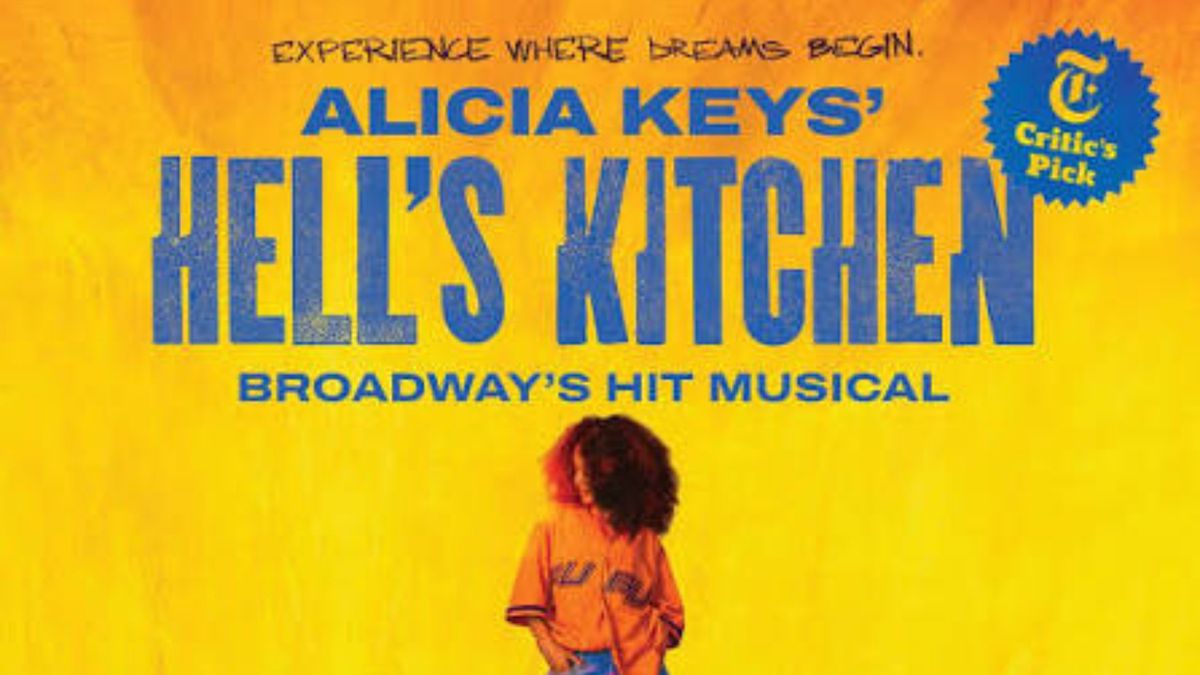
Hell’s Kitchen – A Musical Journey of Love, Legacy, and the Power of Artistic Discovery
Presented at the Belk Theater in Charlotte, North Carolina
The electrifying musical Hell’s Kitchen, inspired by the life and musical journey of the extraordinarily gifted singer, pianist, and songwriter Alicia Keys, was energetically performed at the Blumenthal Performing Arts Center's Belk Theater, in Charlotte, North Carolina, as part of its national tour.
Named after the iconic Hell’s Kitchen neighborhood on Manhattan’s West Side, this musical transports audiences into a world where music, culture, love, and personal discovery collide. More than a celebration of Alicia Keys’ musical genius, this production offers a deeply personal glimpse into the experiences, relationships, and life lessons that helped shape the artist we know and admire today.
With its vibrant musical arrangements, compelling characters, and emotionally layered storytelling, Hell’s Kitchen is a production that reminds us that behind every extraordinary talent is a story worth telling.
A Coming-of-Age Story Wrapped in the Complexities of Motherhood
At its heart, Hell’s Kitchen is not simply a musical; it is a coming-of-age, autobiographical-inspired story that explores the complexities of single parenting, generational differences, and a young woman’s determination to discover her own identity and love.
The story centers on 17-year-old Ali (Maya Drake), who is struggling to break free from what she perceives as the overbearing and overprotective nature of her mother, Jersey (Kennedy Caughhell). Like many teenagers navigating the turbulent waters of adolescence, Ali yearns for independence, love, and the freedom to make her own decisions—even when those decisions conflict with her mother’s expectations.
Kennedy Caughhell delivers a compelling portrayal of a mother whose love for her daughter is deeply rooted in her own painful experiences.
NOTE: Caughhell also portrayed Carole King during the national tour of Beautiful.
The mother-daughter relationship is one of the production’s most relatable elements. Jersey is not simply a controlling parent; she is a woman attempting to protect her daughter (aided by her village) from the very mistakes and heartbreaks that have shaped her own life.
And therein lies the emotional conflict: How does a mother protect her child from the world without preventing her from discovering who she is?
The Beauty of Making Music From the Ordinary
One element I particularly appreciated in Hell’s Kitchen was its authentic and refreshingly raw representation of artistic expression, especially the use of buckets as drums.
There is something beautifully empowering about the production’s demonstration that music does not always require expensive instruments or professional equipment to be meaningful. A simple bucket can become an instrument of extraordinary expression, just as melodious and engaging in the right hands as a high-end Pearl drum set.
This creative approach reinforces the idea that artistry is not defined by the price of an instrument, but by the imagination, passion, and talent of the individual using it.
The dancers were equally entertaining, bringing infectious energy to the stage through their hip-hop movements and chic, era-specific costumes. Their performances contributed to the production’s cultural authenticity while complementing the musical storytelling.
Unlike many musicals where the emphasis rests primarily on elaborate choreography and vocal performances, Hell’s Kitchen places significant weight on its storyline. The music and dancing are essential, but it is the layered narrative—filled with life’s challenges, lessons, and emotional complexities—that truly resonates.
Forbidden Love, Parental Fears, and the Burden of the Past
At the center of Jersey’s emotional struggle is her own history of forbidden love. Haunted by a past interracial romance with Ali’s father, Davis (Desmond Sean Ellington), who is a musician, she is determined to prevent her daughter, Ali, from traveling down a similar path. Davis appeared to place his desire for independency as a musician to travel from city-to-city, over his responsibilities of being a reliable father.
Jersey’s fears are deeply intertwined with societal stereotypes, cultural expectations, and the pressures to conform to standards that are often imposed rather than chosen.
As a single mother and sole provider, Jersey is struggling to juggle the enormous responsibility of keeping "food on the table" and a "roof over their heads" while attempting to be the kind of mother her daughter needs that is attentive and understanding.
Yet, despite her intentions, her protective instincts often manifest as overbearing behavior, leaving Ali feeling suffocated and misunderstood.
This is one of the production’s most compelling emotional threads. Jersey’s struggle is not simply about control; it is about fear, sacrifice, and the difficult reality of parenting a child who is determined to live life on her own terms.
The storyline invites audiences to consider the fine line between protecting those we love and allowing them the freedom to grow, make mistakes, and discover their own paths.
The Absentee Father: A Familiar Story of Unfulfilled Expectations
Then there is Davis (Desmond Sean Ellington), Ali’s absentee father. His character reflects what I would describe as the familiar “musician syndrome”—the tendency to prioritize touring, career advancement, and personal freedom over the obligations of raising a child.
Davis represents the painful reality of a parent who has failed to establish a consistent presence in his child’s life. While he pursues his musical ambitions, Ali is left longing for the love, attention, and involvement of a father who should be an active participant in her upbringing.
His absence adds another layer of emotional complexity to the story, particularly as Ali navigates adolescence while searching for the affirmation and connection that every child deserves from a loving parent.
First Love and the Challenge of Looking Beyond Stereotypes
Knuck (JonAvery Worrell), Ali’s love interest, initially appears to fit the stereotypical image of a neighborhood “thug.” However, as the storyline unfolds, audiences discover a young man who is hardworking, respectful, and committed to earning an honest living as a painter. He enjoys spending time with his neighborhood friends, making music with their bucket drums.
Ali develops a crush on Knuck but is initially too shy to pursue him. Pressured by “a dare” from her girlfriends, she eventually approaches him, attempting to use street dialect by calling him “son”—a term he quickly rejects.
I particularly enjoyed this storyline because it captures the awkwardness, excitement, and vulnerability of first love.
Ali’s attraction to Knuck is complicated by the circumstances surrounding their relationship, convoluted by the fact that Ali is only 17-years-old (which she hides from him) and the obstacles that arise from her mother’s disapproval that nearly landed him behind bars.
Their developing romance adds a youthful, relatable dimension to the production, reminding audiences of the exhilarating, yet confusing, experience of discovering love for the first time.
Miss Liza Jane: The Earth Angel Behind the Genius
Without question, my favorite supporting character was Miss Liza Jane, Ali’s piano teacher, portrayed by Roz White.
I had the privilege of seeing the original Miss Liza Jane, Kecia Lewis, on Broadway at the Shubert Theatre, and I can genuinely say that both actors showcased equal talent and dynamics to this character.
Capturing the essence of Miss Liza Jane—a gifted piano teacher whose influence helps nurture Ali’s extraordinary musical abilities—is no small feat. Roz White delivers a memorable portrayal of this pivotal figure, bringing warmth, wisdom, and artistic authenticity to the role.
The character’s significance extends far beyond the piano lessons she provides. Miss Liza Jane represents those extraordinary individuals who recognize potential in others and invest their time, talent, and wisdom into helping that potential flourish.
It is a beautiful reminder that the journey to greatness is rarely traveled alone.
Who could have imagined that a chanced encounter, in a tucked away building, in a neighbored labeled Hell’s Kitchen, would help shape the musical evolution of a genius (Alicia Keys) who would go on to share the stage and musical space with legendary talents such as Stevie Wonder, Prince, Whitney Houston, and so many others?
The portrayal of Miss Liza Jane serves as a powerful reminder that there are indeed earth angels placed in our lives to help us recognize, nurture, and fulfill our destiny and purpose.
However, this joyous and transformative relationship takes a heartbreaking turn when Miss Liza Jane faces tragic circumstances.
Her storyline offers a poignant reminder that time is precious and should be embraced with passion and purpose. We never know when our time—or the time of someone who has profoundly impacted our lives—may come to an end.
It is a sobering yet beautiful message about the importance of cherishing those who help shape our lives while we still have the opportunity.
Final Curtain: A Musical That Resonates Beyond the Stage
In summary, I absolutely loved Hell’s Kitchen for several reasons: its music, its compelling storyline, and its captivating stage presentation.
What makes this production particularly memorable is its ability to weave music and theatrical artistry into a deeply relatable human experience. It explores the complexities of motherhood, the consequences of absentee parenting, the vulnerability of first love, the pursuit of artistic identity, and the transformative power of mentorship.
The production reminds us that our past does not have to dictate our future, that love can sometimes become entangled with fear, and that the people who enter our lives can have a profound impact on the individuals we ultimately become.
I can certainly appreciate why Hell’s Kitchen received 13 Tony Award nominations and won two. Its combination of powerful music, compelling storytelling, and emotionally resonant performances makes for a theatrical experience that extends well beyond the final curtain.
As this national tour continues to introduce audiences to the musical world of Alicia Keys, I anticipate that Hell’s Kitchen will continue to inspire meaningful conversations, touch hearts, and leave audiences reflecting on the people, experiences, and defining moments that have helped shape their own lives.
Sign up for all the news on the Fall season, discounts & more...
|
The Reservoir Three Bone Theatre (5/07-5/23) |
|
2026-27 First Bank Broadway Season - Tuesday Night Plan Steven Tanger Center for the Performing Arts (8/17-8/17) |

|
Masterworks: Mystic Horizons P.E. Monroe Auditorium (10/24-10/24) |
|
|
2026-27 First Bank Broadway Season - Sunday Matinee Plan Steven Tanger Center for the Performing Arts (8/22-8/22) |

|
Six Degrees of Separation Theatre Charlotte (4/09-4/18) |

|
BKLYN The Musical Theatre Charlotte (5/14-5/30) |

|
2026-27 First Bank Broadway Season - Saturday Night Plan Steven Tanger Center for the Performing Arts (8/21-8/21) |
|
A Year With Frog and Toad Children's Theatre of Charlotte (9/19-10/11) |

|
Rock of Ages: Youth Edition Morrison Youth Theatre (10/16-10/18) |

|
A Christmas Carol Theatre Charlotte (12/11-12/20) |

Reader Reviews
To post a comment, you must register and login.