

Review: DUBROVNIK SUMMER FESTIVAL in Dubrovnik
The Dubrovnik Summer Festival, running from July 10th to August 25th, is a vibrant celebration of art and culture that transforms this charming Mediterranean city into a hub of creativity.
By: Natalia Jarczynska Sep. 22, 2025
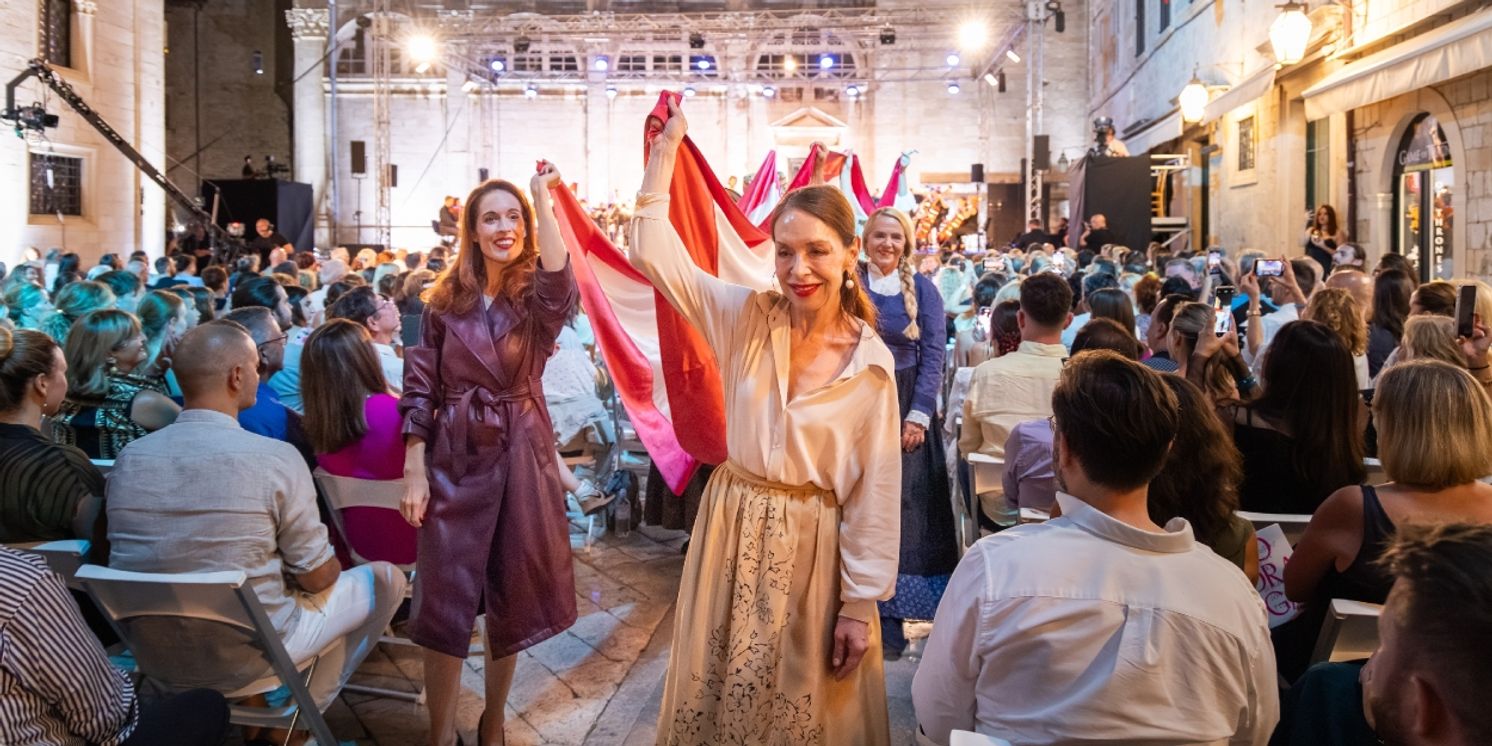
I had the pleasure of attending for a few days, completely enveloped in the energy that filled the air. I first fell in love with Dubrovnik and this festival 14 years ago, when, as a student, I came here to spend the summer among the hot air, the Adriatic Sea, and a culture beyond imagination. Days here are slow—sipping coffee or Cedevita, jumping into the sea—so that by 9:30 p.m. sharp, you are ready for an outdoor performance. Give me stars, the sea, and culture, and I promise I won’t ask for Wi-Fi. Theater, classical music, dance, exhibitions: Croatia’s oldest festival gives you the best of it all. No roof required.
What have I experienced?
Let me start with a magnificent production of Shakespeare's The Tempest, directed by Vito Taufer and staged on the enchanting (and yes, basically cursed) island of Lokrum. Could there be a better setting for a play about shipwreck, magic, and revenge? You literally take a boat through the dark sea, only to arrive on an island where sorcery drags people onto… an island. That’s meta-theatre at its finest.
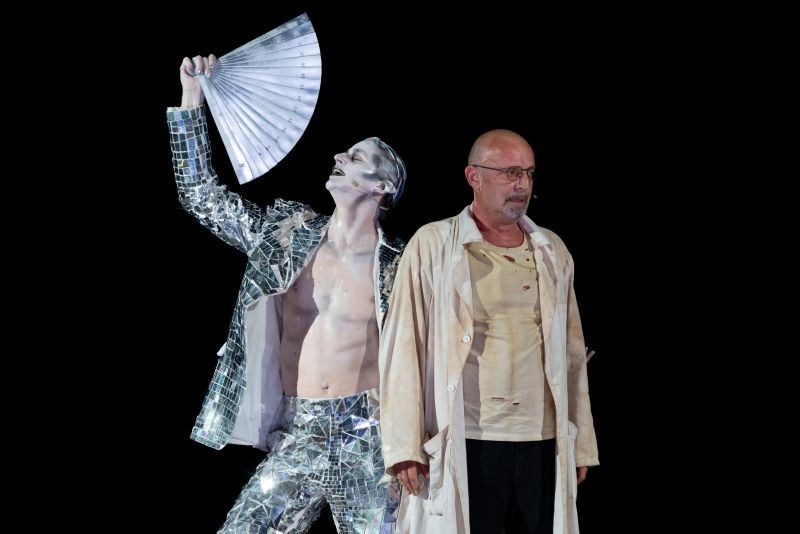 The atmosphere was magical—encompassing the island's mysteries, subtle lighting, and a hilarious trio (Ružić / Dijak / Šestak) that gave the show its comedic heartbeat. Then came Ariel. Adrian Pezdirc shone like a disco ball doing magic tricks—ethereal, unpredictable, impossible to ignore. It was mind-blowing, funny, and layered in ways that made the whole experience unforgettable.
Another gem of the festival was Le Baruffe Chiozzotte, a classic by Carlo Goldoni (premiered this year), adapted into the Dubrovnik dialect and directed by Krešimir 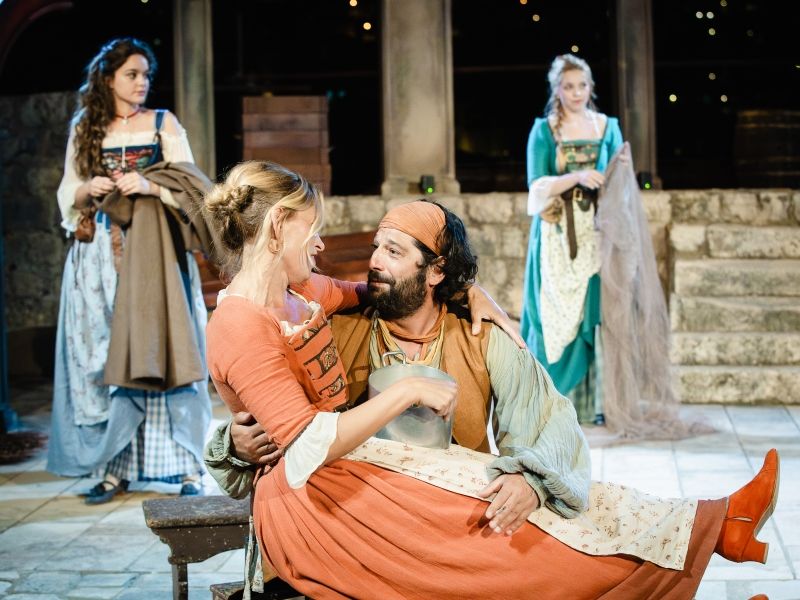 Dolenčić. Set in the park of the Art School, this lively play explored the social dynamics and relationships of fishermen and their wives, filled with humor and (a lot of) regional flair. The dialect was so wild that even I, a Croatian speaker, sometimes felt like an outsider. In a way, it made the whole thing feel like stepping back into Dubrovnik’s golden age—chaotic, noisy, and full of life.
You could hear the town in the background while watching people argue, and you didn’t understand half of what they said. The energy on the stage was brilliant, and so emotional, I really had the impression that neighbors were fighting, and I mean it as a compliment.
A Journey into the Dark with Medea
Last but certainly not least was the haunting performance of Medea, a powerful collaboration between the Dubrovnik Summer Festival, the Croatian National Theatre in 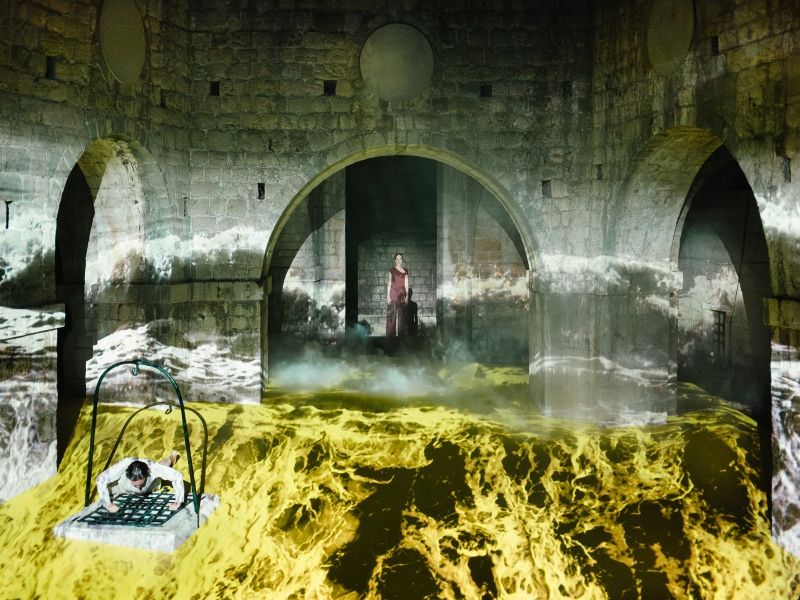 Varaždin, and the Slovene National Theatre in Maribor. Set against the imposing backdrop of Lovrjenac Fortress (you might see it in some famous TV series), this adaptation by Simon Stone and Heiner Müller tackled complex psychological themes, exploring the depths of human emotion and madness. The performance was raw and intense, with absolutely brilliant Helena Minić Matanić delivering a compelling portrayal of Medea.
While the direction leaned towards depicting her as a tragic figure consumed by madness, I found myself yearning for a representation that showcased her strength and resilience. Nonetheless, the staging was striking—the sloped yellow stage added an unusual quality, and the stars above twinkled like witnesses to the unfolding drama, while the sound of the sea provided a haunting soundtrack to this modern retelling. The minimalism used on the stage paid off, as emotions were even more visible and slapped us in the face.
Musical Brilliance
The Dubrovnik Summer Festival is not just a theatrical showcase; it also features an incredible lineup of musical performances that leave audiences spellbound. My experience was filled with unforgettable concerts, each offering a unique blend of talent and artistry.
One of the standout performances was by the Dubrovnik Symphony Orchestra, conducted by the dynamic Valentin Egel, with the extraordinary soprano Dubravka Šeparović Mušović. The concert, titled Seductresses, Avengers, 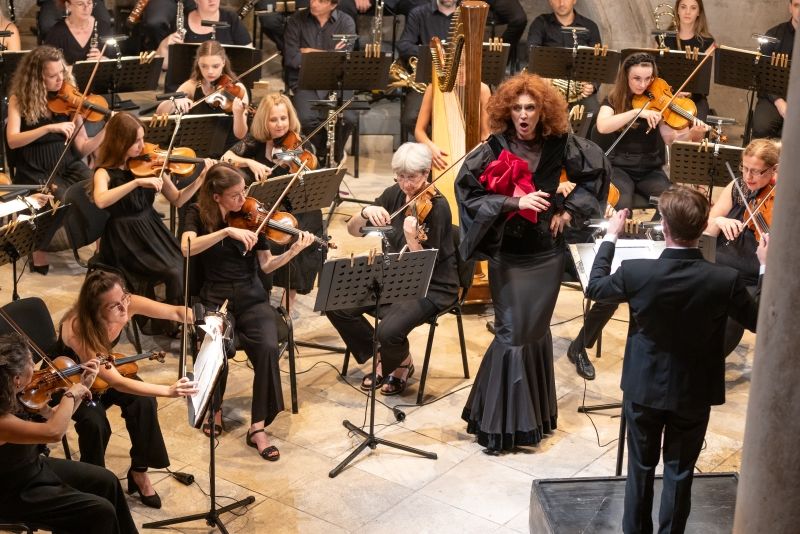 Heroines, took place in the stunning atrium of the Rector's Palace. The atmosphere was electric, with the venue packed to capacity, reflecting the audience's enthusiasm (it was electric!). The evening was a tribute to powerful female operatic characters, weaving together music, dramatic expression, and stunning costumes. Dubravka’s interaction with the audience was delightful, earning her thunderous applause. It was a musical experience that resonated deeply, filled with humor and authenticity.
Looking at the conductor, Valentin Egel, I had the impression I was looking at the image of youth and happiness of being on stage. He was like a wind going around in a meadow, while Dubravka Šeparović Mušović was like a glass of cold Pelinkovac—full of essence and structure. They were so great, like espresso meeting champagne—one buzzing all over the place, the other cool and potent—together, they made magic (and probably gave half the audience goosebumps and the other half a sudden craving for an elegant beverage).
I also had the pleasure of witnessing the renowned pianist Khatia Buniatishvili. Her 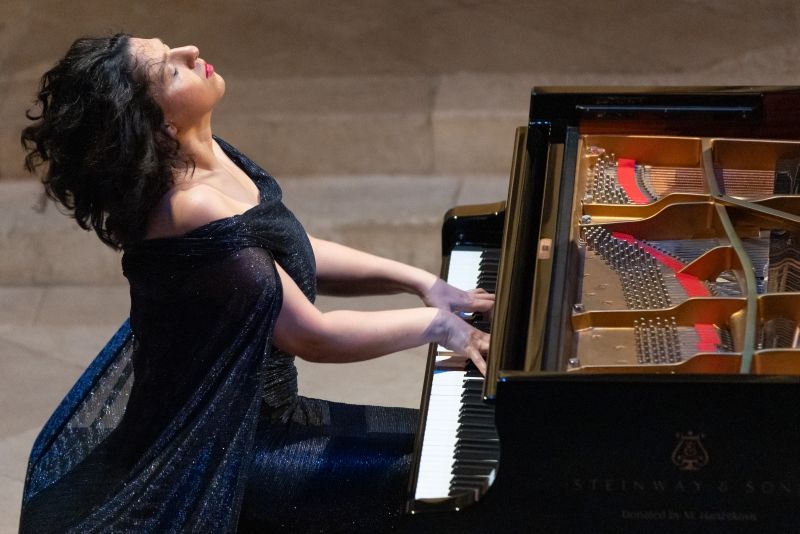 performance was a moment of pure sensitivity and joy, showcasing her deep emotional connection to the music. With pieces from Chopin, Satie, and Liszt, Khatia captivated the audience, blending simplicity with profound expression. The energy she brought to the stage was infectious; there was even something in the air saying, "It's big," and even if you don’t exactly know when Liszt was born, you could be simply carried away by this performance and make your life a little more beautiful.
Another highlight was the concert by L'Arpeggiata, led by the innovative Christina Pluhar. Their performance of Wonder Women took the audience on a journey through time, 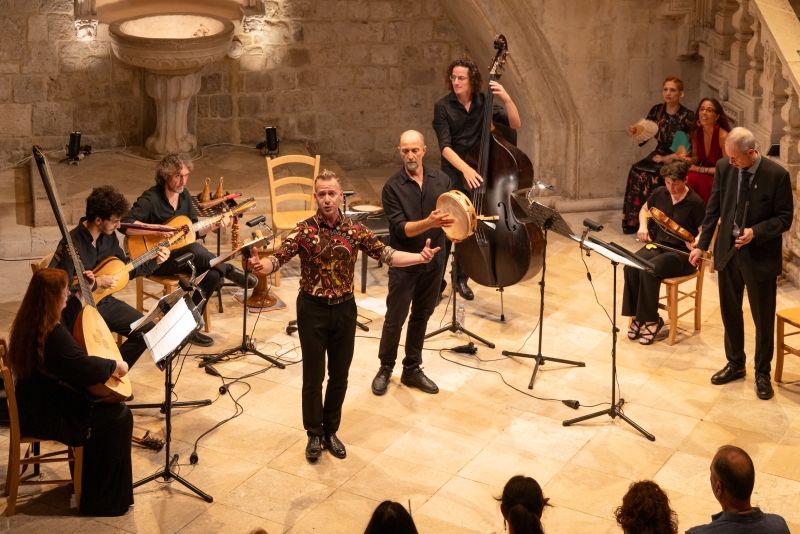 celebrating female composers from the 17th century while incorporating traditional South American and Italian music. This concert was the biggest surprise of the festival because I discovered that Baroque is not dead! The ensemble's energy was infectious, and the humor infused into the performance made it feel more like a vibrant show than a typical concert. The trio of voices—Luciana Mancini, Benedetta Mazzucato, and Vincenzo Capezzuto—delivered an unforgettable experience that transported us into a world of joy and exuberance. Seriously, if you think baroque is old-fashioned, you should see what they do, and you will be surprised how much you would enjoy it. It was like finding out your strict history teacher also plays salsa on weekends—suddenly the 17th century feels way more fun than you ever imagined.
Lastly, the Zagreb Soloists, alongside the brilliant violinist Alexandra Conunova, delivered a stunning concert featuring Piazzolla's Four Seasons. The selection of music was exceptional, with Alexandra’s performance likened to a rock concert in its intensity and passion. The piece Eat the Rich by Margarete Ferek Petrić was particularly striking, showcasing a blend of impulsiveness and expressiveness that captivated everyone in attendance. If you add that it was kind of raining in the middle of the performance, it brought a freshness and unusualness to a Dubrovnik show.
Dance at the Dubrovnik Summer Festival: A Fusion of Tradition and Emotion
The dance performances at the Dubrovnik Summer Festival were nothing short of enchanting, showcasing a blend of classical ballet and vibrant folklore that celebrated both artistry and cultural heritage.
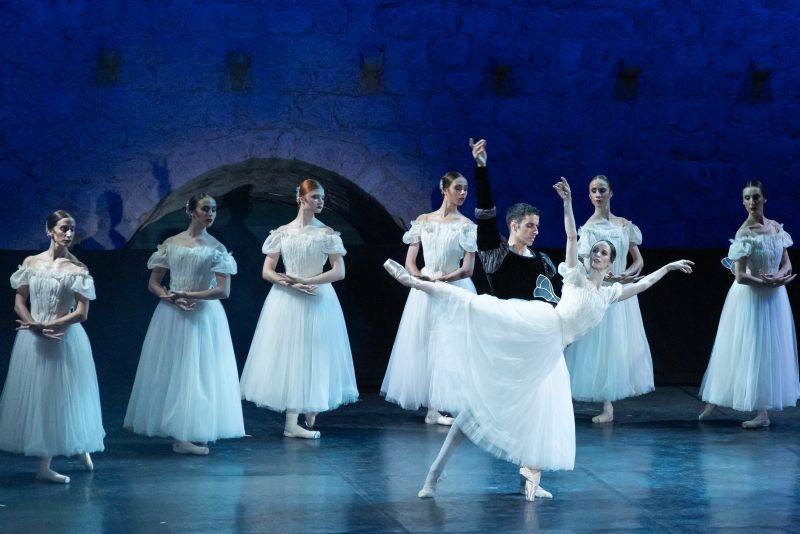 One of the most spectacular highlights was the ballet Giselle, directed and choreographed by José Carlos Martínez, the artistic director of the Compañía Nacional de Danza. The performance took place on the stunning terrace of the Revelin Fortress, and the magic of this romantic ballet captivated the audience. As I watched, I felt transported into a world of love and heartbreak, where the story of the young peasant girl Giselle unfolded against the backdrop of the Adriatic breeze.
The classical costumes and emotional expressions were beautifully executed, but the unique setting added an unexpected layer of charm. I couldn’t imagine the challenges the dancers faced with the wind swirling around them, yet their technical prowess shone through, leaving me in awe of their skill and dedication.
Equally delightful was the performance by the Linđo Folklore Ensemble, which took place earlier in the festival. Their vibrant showcase of Croatian folk dance and music was a joyous celbration of cultural diversity and history. As they performed, I felt a strong connection to the rich traditions of the regions. The energy and enthusiasm of the dancers were infectious, and I found myself swept up in the rhythm of their movements. Their performance was a reminder of the beauty of our cultural heritage, and I couldn’t help but think, “Wow, wow, and wow again!”.
The blend of history, regional customs, and spirited dance made for an incredibly enjoyable 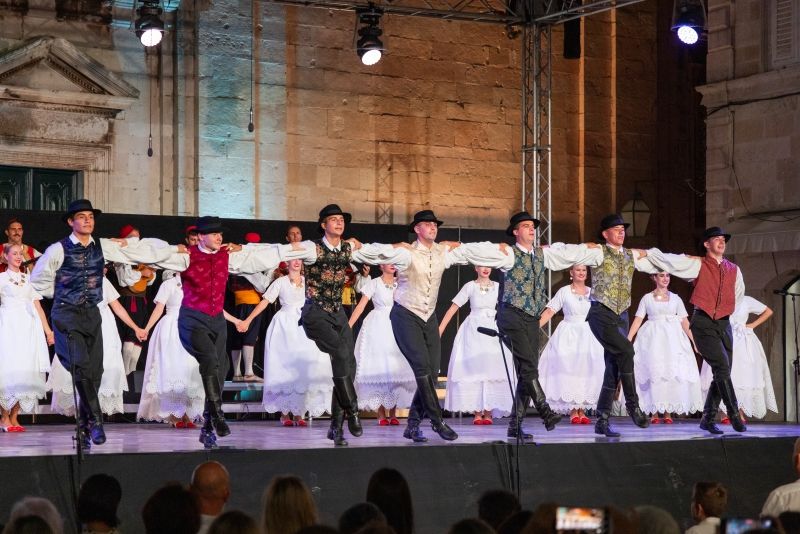 experience that left me wanting more. The Folklore Ensemble Linđo has been an integral part of the Dubrovnik Summer Festival for many years, and their performances never fail to draw a crowd. This year, they celebrated six decades of existence, and it was a privilege to witness their artistry. Their ability to convey the essence of Croatian folklore through music and dance is truly remarkable, and it was a pleasure to experience their passion firsthand.
Fun fact: Both Giselle and the Linđo Folklore Ensemble lit up the Revelin Fortress—an evening stage for high art, and by night a club where Shaggy and DJ Diesel (Shaquille O’Neal) dropped beats days away. Only in Dubrovnik can Wilis haunt the stage one night, and It Wasn’t Me rattle the walls the next.
And just to wrap it all up, here are a few fun facts you should know about the 76th Dubrovnik Summer Festival: more than 1,600 artists performed across the city, and around 15,000 visitors (local and international) filled the venues—often months after tickets had already sold out. Medea’s Helena Minić Matanić was awarded the prestigious Orlando Award (I totally agree with this choice), and some performances were subtitled in English, making the festival more accessible to international audiences. In total, there were 17 different stages and 11 free programs, proving that culture in Dubrovnik is everywhere and for everyone.
Most impressively, the Festival performed this year 7 shows of its own theatrical productions—with 3 premieres this season and 4 revived works from previous years, proving that both tradition and fresh creativity can walk hand in hand. Add to that 19 musical programs, exhibitions, ballet, folklore, book promotions, guest performances, lectures, film screenings, and even a round table called “Women’s Voice in Art”, and you’ve got a cultural menu so generous and varied that everyone could find their own unforgettable moment.
Dubrovnik Summer Festival proves that culture doesn’t just live in theaters or concert halls—it spills into the streets, bounces off fortress walls, and occasionally competes with the sound of the sea. And honestly? That’s part of the magic. I cannot wait next year!
Photo: Dubrovnik Summer Festival
Reader Reviews

Videos