
Manuel Harlan News
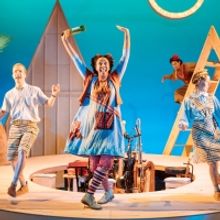

BWW Review: SNOWFLAKE, Kiln Theatre
It's Christmas Eve and Andy (Elliot Levey) is waiting for his daughter Maya (Ellen Robertson) to come back to him.

BWW Review: THE OCEAN AT THE END OF THE LANE, National Theatre
The Ocean at the End of the Lane offers a spectacular theatrical experience, but may leave some viewers cold with its whimsy and unwillingness to explore human relationships in depth.
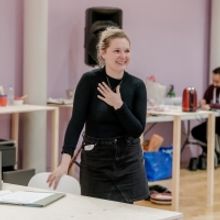
BWW Interview: Amy Morgan Talks A KIND OF PEOPLE at the Royal Court
With recent roles in Noises Off and Exit the King, Amy Morgan can now be seen at the Royal Court performing in Gurpreet Kaur Bhatti's A Kind of People.
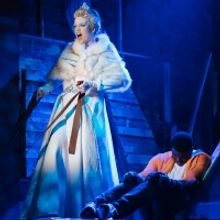
Photo Flash: THE SNOW QUEEN at Park Theatre
Park Theatre's production of The Snow Queen runs from 4th December 2019 to 4th January 2020.

BWW Review: A CHRISTMAS CAROL, The Old Vic
Panto might be the stalwart annual theatre trip at Christmas (yes, I know, 'oh no it isn't'.

BWW Review: THE BOY FRIEND, Menier Chocolate Factory
How ripping! A saucy French maid doing the Charleston with a handsome chap in tennis whites sets the scene for the most delightful escapism in town: Matthew White's gossamer-light revival of Sandy Wilson's 1953 love letter to the Roaring Twenties.

BWW Review: THE BOY IN THE DRESS, Royal Shakespeare Theatre
Pure magic are the two words I would use to describe The Boy in the Dress.

Photo Flash: First Look at THE BOY FRIEND at Menier Chocolate Factory
THE BOY FRIEND, Sandy Wilson's all-singing all-dancing love letter to 1920s musical comedies, returns for the first major London revival in over 10 years.

BWW Interview: Ronan Raftery Talks RAVENS: SPASSKY VS. FISCHER at Hampstead Theatre
Ronan Raftery plays chess world champion Boris Spassky in Ravens: Spassky vs Fischera??a??a??a??a??a??a??, beginning this week at Hampstead Theatre.

Photo Flash: First Look at Rehearsal Photos For THE BOY IN THE DRESS at Royal Shakespeare Company
Production images for the Royal Shakespeare Company's (RSC) new musical The Boy in the Dresshave now been released.

Photo Flash: Inside Rehearsal For SNOWFLAKE at the Kiln Theatre
The London première of Mike Bartlett's latest play Snowflake will run at Kiln Theatre over Christmas.

BWW Interview: Rufus Hound Talks THE BOY IN THE DRESS
Catching up with actor Rufus Hound, he takes us through the development of The Boy in the Dress: from tears early on at hearing the songs for the first time, to tech week and getting into the theatre.

Photo Flash: Inside Rehearsal For THE BOY FRIEND at Menier Chocolate Factory
Menier Chocolate Factory presents their major revival of Sandy Wilson's The Boy Friend running at the theatre over Christmas.
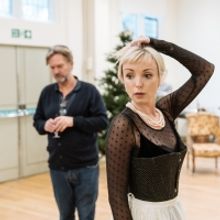
BWW Interview: Helen George Talks MY COUSIN RACHEL
Helen George talks bringing My Cousin Rachel from page to stage, and gives us a sneak peek into what we can expect from Call the Midwife's Christmas special!
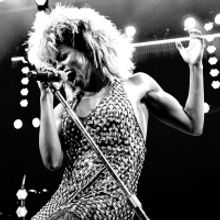
Photo Flash: First Look At Adrienne Warren And More In TINA - THE TINA TURNER MUSICAL On Broadway
A new musical based on the life of legendary artist Tina Turner, TINA – THE TINA TURNER MUSICAL opens on Broadway tomorrow night!

BWW Review: Tina Turner's The Legend and Adrienne Warren's The Breakout Star in TINA: THE TINA TURNER MUSICAL
Though her time on Broadway has been relatively brief up until now, Adrienne Warren is no stranger to dazzling theatre audiences with portrayals of legendary entertainers.
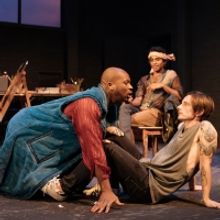
BWW Interview: Stefan Adegbola Talks BOTTICELLI IN THE FIRE at Hampstead Theatre
Stefan Adegbola is currently starring in Hampstead Theatre's production of Botticelli in the Fire as Poggio di Chiusi, the title character's close friend.
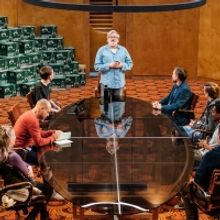
BWW Review: THE ANTIPODES, National Theatre
Is this a great time to tell stories, shedding light in dark times? Or is it an impossible task? That's the loose premise of Annie Baker's wilfully elusive new piece, featuring the brainstorming session from hell a?' or possibly about hell, or in hell.
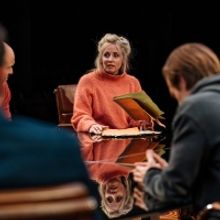
Photo Flash: First Look at THE ANTIPODES at the National Theatre
Their phones switched off, a group of people sit around a table telling, categorising and theorising stories.