


Shakespeare Center of Los Angeles Announces CRYSTAL QUILL AWARDS
The Shakespeare Center of Los Angeles (SCLA), a professional theater and arts education nonprofit organization that builds communities around the appreciation and production of Shakespeare, will present blockbuster film director Roland Emmerich and entertainment attorney and author Bert Fields with the Crystal Quill Award for their contributions to the Shakespeare authorship debate. A special Crystal Quill Award will also be awarded to Martha Andresen, Professor Emerita of English from Pomona College for her stellar international reputation for Shakespeare scholarship, publications and teaching. The awards will be presented at an exclusive advance screening of Emmerich's soon to be released ANONYMOUS, followed by a dessert reception catered by Wolfgang Puck at Sony Studios on Tuesday, October 4, 2011 at 7:00 p.m. The awards will be presented immediately after the screening followed by the reception. Tickets are $250 and can be purchased by calling Levy, Pazanti and Associates at (310) 201-5033.
The 2011 Crystal Quill Awards co-chairs are Pamela Robinson, Principal, The Robinson Company and Michael Davis, Managing Director and Head of the Western Region, Deutsche Bank Private Wealth Management. Past Crystal Quill Awardees have included filmmaker Baz Luhrmann, Producer Mark Gordon, Harvard University's Project Zero Steve Seidel, and former First Lady Laura Bush. For more information on the Crystal Quill Awards, SCLA's programs, and how to support SCLA's mission to enchant, enrich and build community through professional theatrical traditions that are accessible to all, please visit www.ShakespeareCenter.org.Roland Emmerich is a director/writer/producer with a flair for special effects-driven action, whose latest film Anonymous, is about to be released. Anonymous is a political thriller which explores the authenticity of William Shakespeare's literary works and the political climate of the London stage. Born and educated in West Germany, Emmerich studied production design as well as direction at the Munich Film and Television School. After his student film, The Noah's Ark Principle, debuted at the 1984 Berlin Film Festival, Emmerich formed his Production Company Centropolis and directed supernatural fantasies Making Contact (1986) and Ghost Chase (1987), and the straight-to-video action film Moon 44 (1990). After making his solo Hollywood debut directing Jean-Claude Van Damme in the cyborg action fest Universal Soldier (1992), Emmerich and Dean Devlin revealed a talent for conjuring A-level action spectacles out of B-movie scenarios with their first film together, Stargate (1994). A space odyssey mixing ancient Egyptian and high-tech wizardry became an unexpected hit. Emmerich hit his blockbuster stride with his next film, Independence Day (1996). With its eye-popping destruction of major cities and climactic annihilation of a spacecraft via portable computer, Independence Day blew away its summer movie competition on the strength of its visual flash. Geared to repeat with the endlessly- and creatively-hyped version of Godzilla (1998), Emmerich and Devlin next turned their epic visions to the decidedly lower-tech action of the American Revolution in the Mel Gibson summer vehicle The Patriot (2000). Emmerich returned to sci-fi for his next screenplay, The Day After Tomorrow (2004), which he also directed.The Shakespeare Center of Los Angeles strives to enchant, enrich, and build community through professional theatrical traditions that are accessible to all. Whether SCLA reaches audience members through professionally acted performances, or enabling young people to make life-transforming decisions through opportunities to create and perform in their own versions of Shakespeare plays, participation in live theater is the perfect catalyst for creating positive change in the community.In 1986, The Shakespeare Center, then operating as Shakespeare Festival/LA, presented the first Summer Festival, with performances of Twelfth Night in Pershing Square. The audience included friends, a few earnest theatergoers, and the homeless residents of the Square. The homeless took great pride in the production, and each night they became more and more involved in its promotion and management, showing the audience where to sit, handing out programs, answering questions and thanking everyone for coming. One night, our gracious hosts presented founder Ben Donenberg with four large trash bags filled with aluminum cans. Wanting to contribute, they explained that the actors could take the cans to a recycling center and get a nickel a piece. Deeply touched, Artistic Director Ben Donenberg declined their offer, but instead created the Food for Thought admission policy in response, requesting that audience members donate food to gain admission instead of buying a ticket.
In 1993, the organization expanded to include outreach programs such as Will Power to Youth, an academic enrichment program that combines hands-on artistic experience with paid job training, specifically created to provide arts education to at-risk youth. In 2005, First Lady Laura Bush attended a Will Power to Youth performance in Los Angeles as part of a regional tour of exemplary youth programs. More than 25 years later, The Shakespeare Center continues to create accessible theater that serves and builds community in innovative, unexpected ways.
|
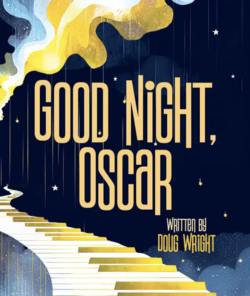
Good Night, Oscar North Coast Repertory (9/16-10/11) |
|
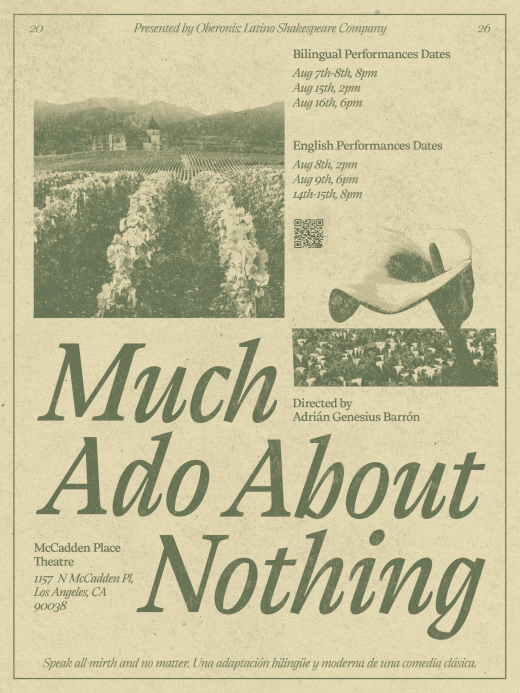
Much Ado About Nothing McCadden Place Theatre (8/07-8/16) |
|
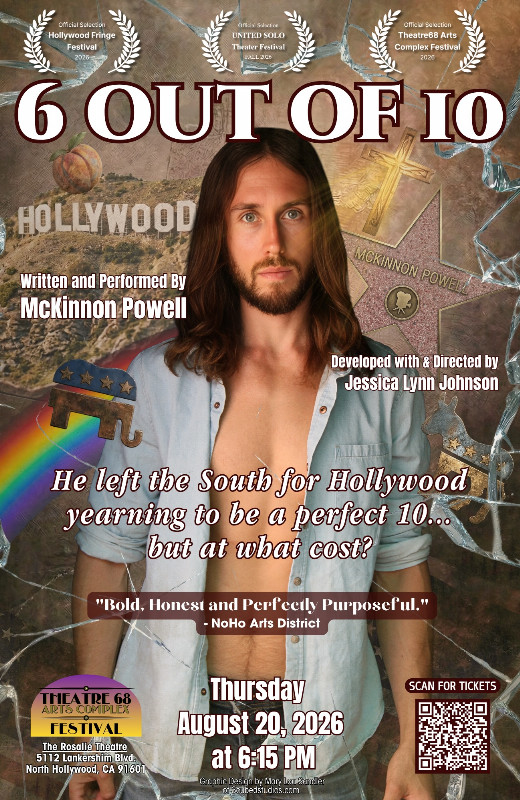
6 Out of 10 Theatre 68 (8/20-8/20) |
|
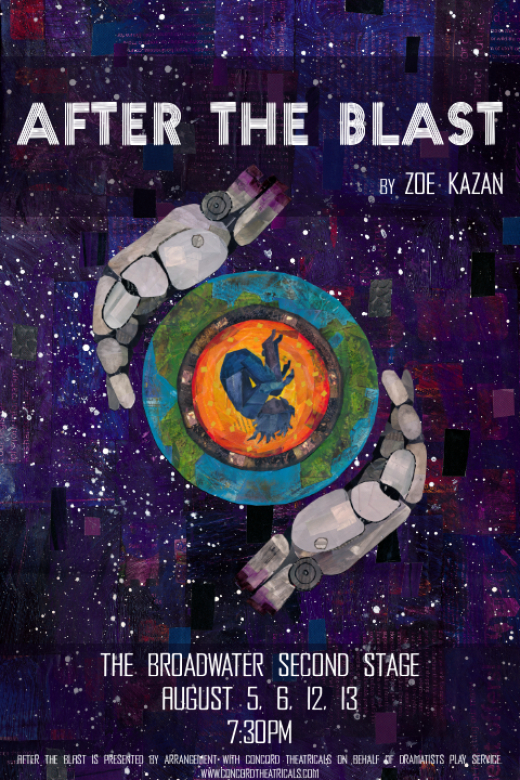
After the Blast The Broadwater Second Stage (8/05-8/13) |
|
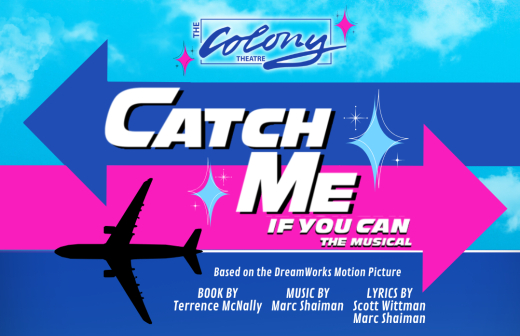
Catch Me If You Can Colony Theatre (9/17-10/18) |
|
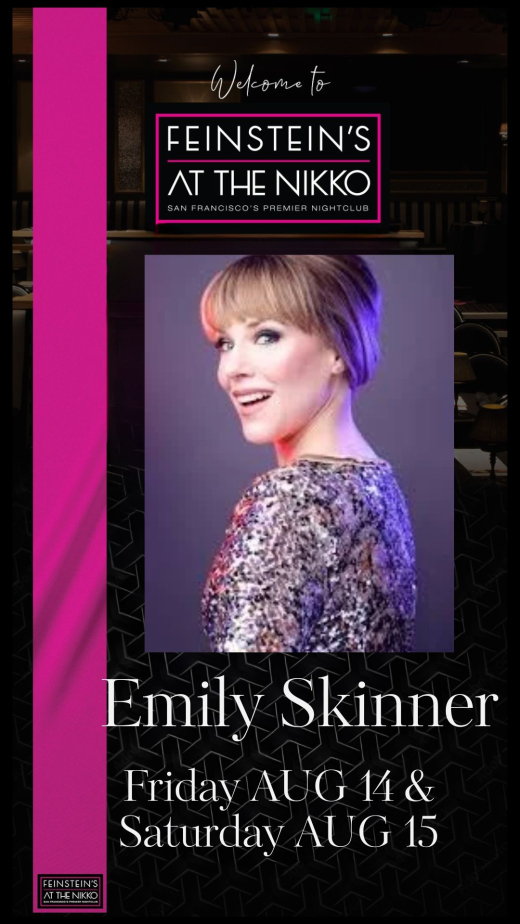
Emily Skinner: In Concert Feinstein's at the Nikko (8/14-8/15) |
|
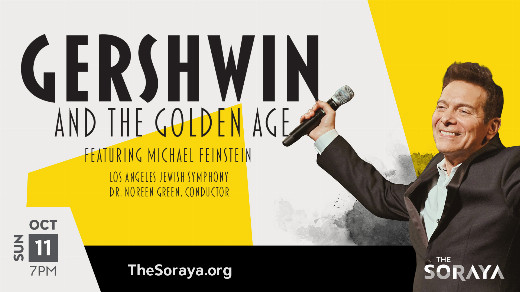
Gershwin and the Golden Age Younes and Soraya Nazarian Center for the Performing Arts (The Soraya) (10/11-10/11) |
|
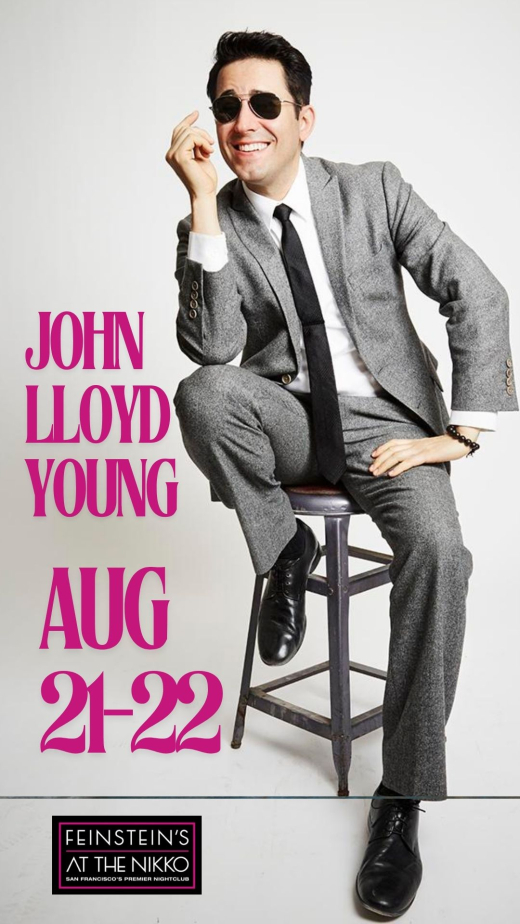
John Lloyd Young Feinstein's at the Nikko (8/21-8/22) |
|
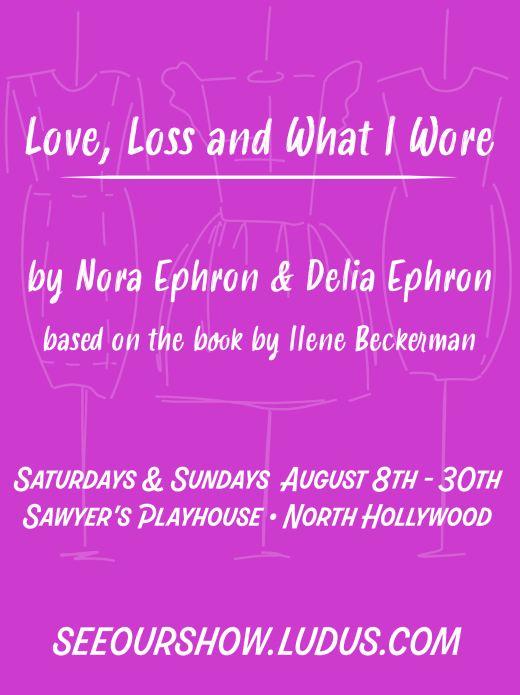
Love, Loss and What I Wore Sawyer's Playhouse (8/08-8/30) |
|
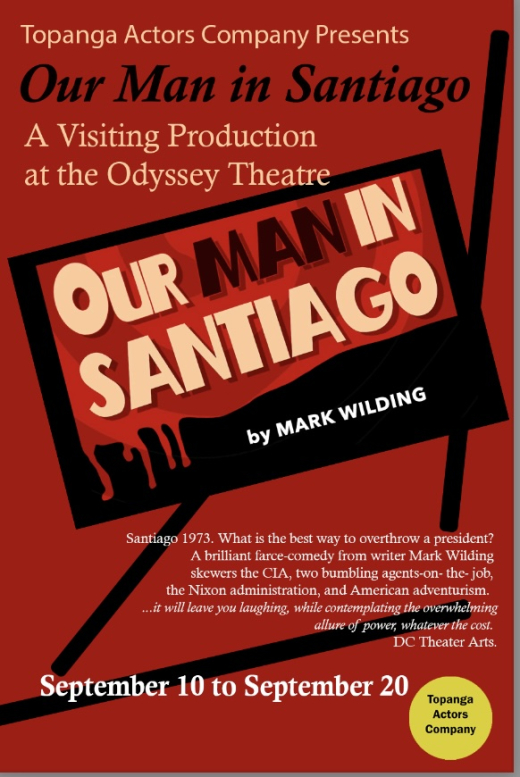
Our Man in Santiago by Mark Wilding Odyssey Theatre Ensemble (9/10-9/20) |