

Interview: Manuel Oliver of GUAC at The Kirk Douglas Theatre
Oliver on channeling personal loss into art, confronting gun violence, and connecting with audiences through unexpected humor.
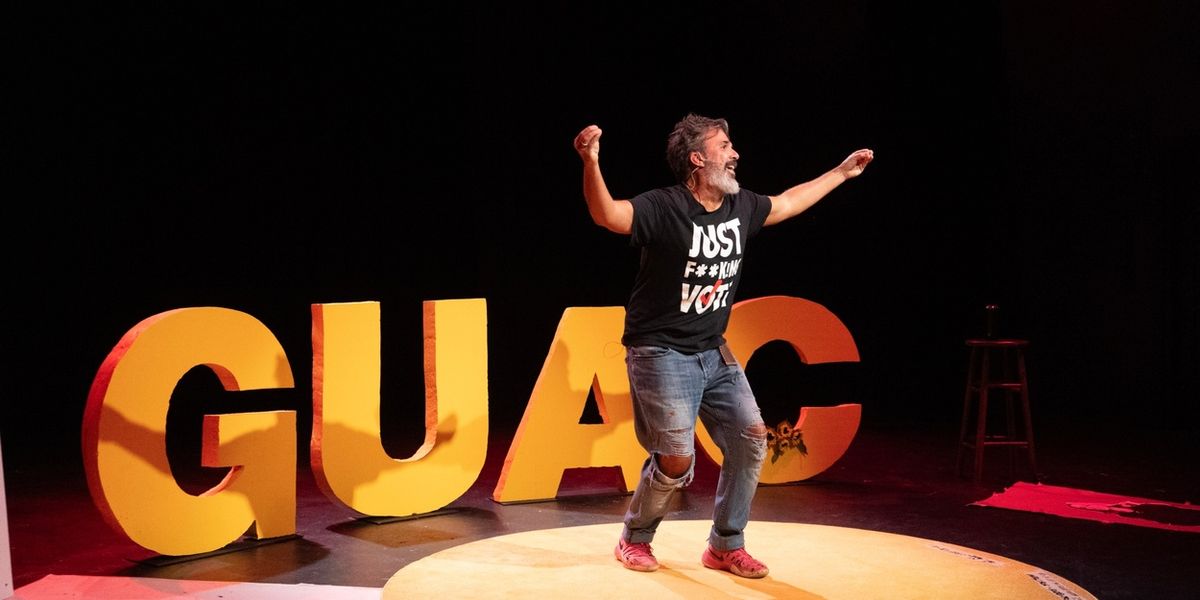
GUAC doesn’t feel like the kind of show that should be funny.
But it’s that unexpected humor that has helped transform the piece from a small passion project into a sellout production, now playing for a return engagement at the Kirk Douglas Theatre through May 17.
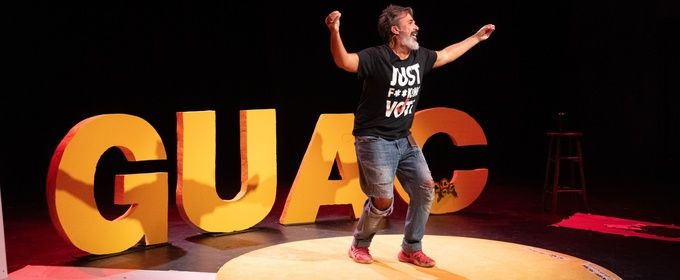
Written and performed by his father, Manuel Oliver, the show tells the story of Joaquin Oliver ("Guac" was his nickname), one of 17 victims killed in the 2018 Stoneman Douglas High School shooting.
In the years since the shooting, Manuel has channeled his grief into art, developing the one-man show through workshops, smaller productions, and evolving iterations, including its West Coast premiere at Kirk Douglas last year.
The 100-minute, no-intermission production paints a deeply personal, unexpectedly life-affirming portrait of a smart, enigmatic teenager remembered not just for the tragedy that took his life, but for the humor and spirit that defined it.
The result is a theatrical experience that leans into laughter and connection as much as grief—challenging audiences to hold both at once.
Oliver took the time to chat with BroadwayWorld about the show, its surprising humor, and the mission that fuels it.
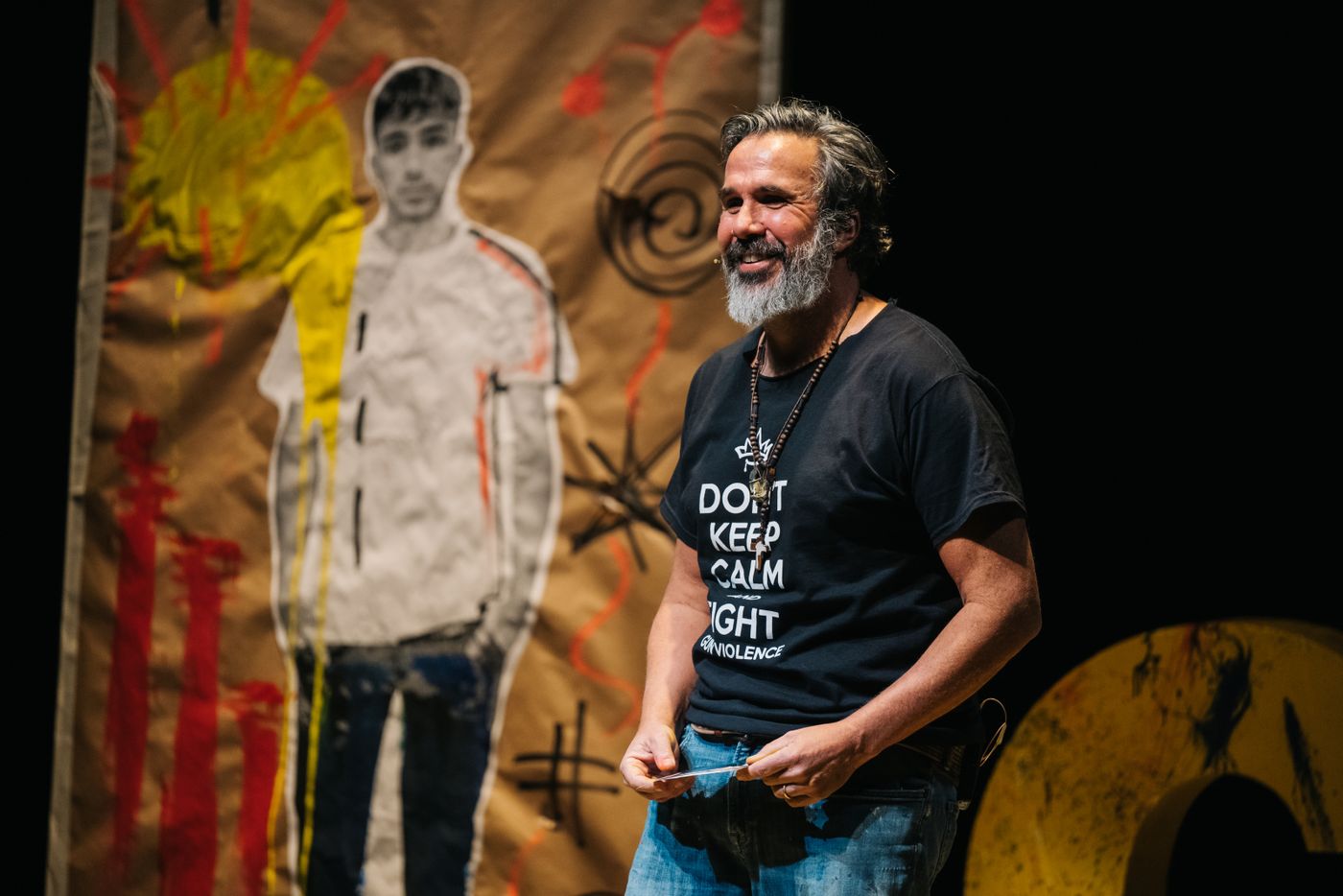
Hi Manuel! Thank you so much for taking the time to chat. To be completely honest, I’ve been a little afraid to see this show because I feel like it will be so triggering for me, as a parent.
What would you say to people like me who are nervous to see a play about something everyone fears so deeply?
What I think everybody should watch this show. Nothing to be afraid of about the show itself. The fear—and I get it—is outside of the theater. It’s every day we send our kids to school, or that we go out to the grocery store or to the movie theater. In America, we are getting used to the idea that maybe we could be victims of an active shooting situation.
As a parent, I think that everybody should see this. Put it this way: If I, as a dad, can put the play together, and I was able to find that extra strength, that extra power, to do it, there’s a good chance that you will find that same power to watch the play.
This is about addressing the situation and—all together—finding the solutions for it.
GUAC has been described as surprisingly funny and full of life. How did you decide that humor was the right way to tell Joaquin’s story?
That was not my decision. Joaquin, besides being brilliant and a very good-looking kid, smart sharp and athletic—he also had a great sense of humor. A very dark sense of humor, nailing the jokes every time.
I can’t find another way to describe Joaquin that wouldn’t involve humor. . . . Also, it’s been working as a balance to the whole very hard, dramatic situation. I love the fact that we can have people listen to the problem of gun violence, but at the same time enjoy the moment, laugh, and leave the theater with a smile and some motivation to keep working on it.
You’ve said this show is about who Joaquin was, not just how he died. What’s one thing about your son you most hope audiences carry with them after they leave the theater?
All of us are more than those moments, or days, or years that we spent dying. In Joaquin’s case, it took six minutes to turn his life away. Imagine that. The kid is smiling, making jokes, and having fun in school, and then six minutes after that he is shot. Should I just mention that and make the whole story around that? Isn’t that what others are doing and it’s not working? And will that really represent my son? I don’t think so.
So I like to concentrate on finding those beautiful details and stories during those seventeen year—which is way more than six minutes—and share those stories with everybody.
Yes, we mention what happened that day, but we mention it as the one thing that should never have happened. But all the other things—they should happen, and they should make a difference in who I am today and how I do things today.
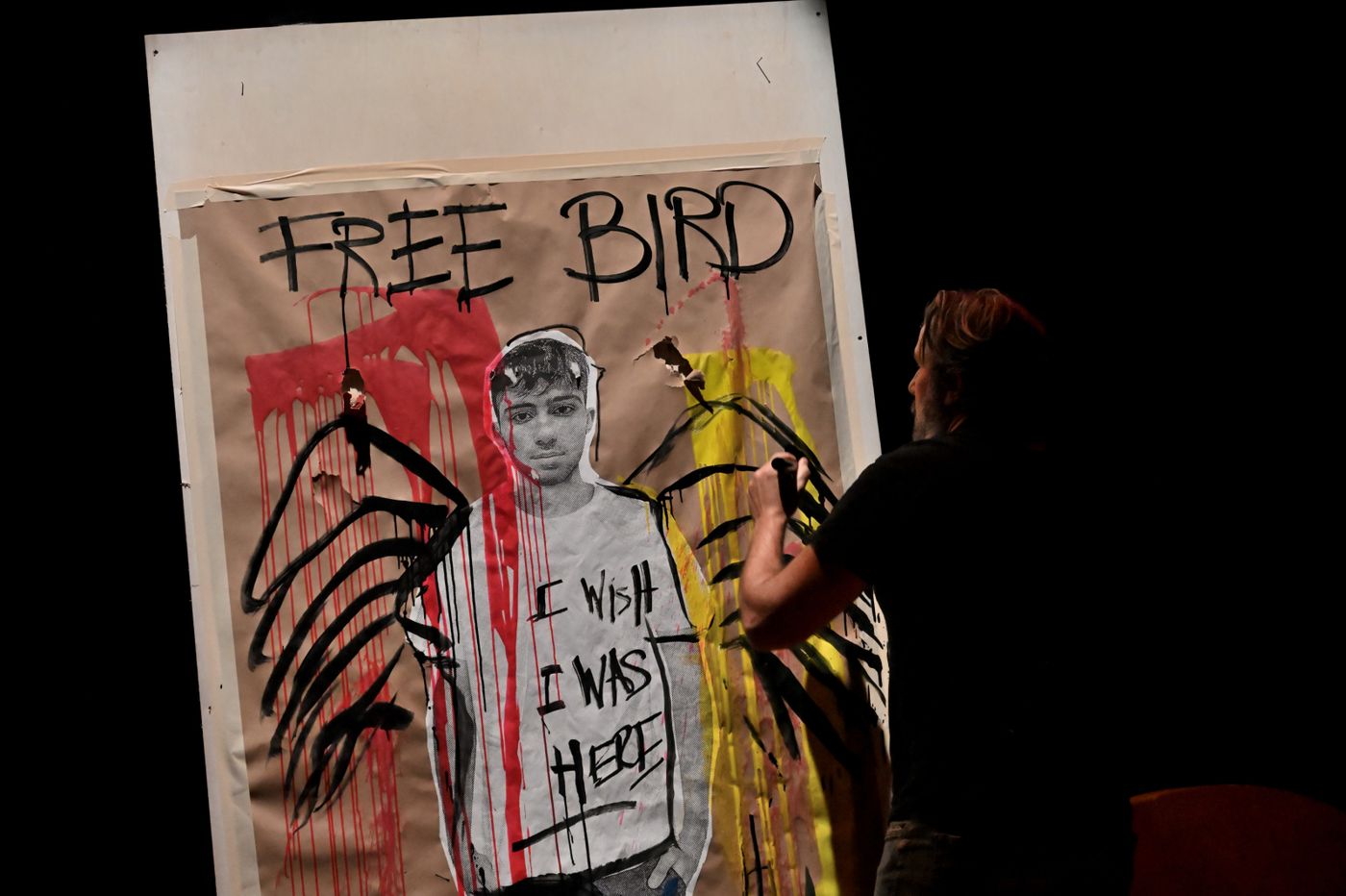
Performing your own story on stage night after night must be emotionally intense. How has the experience of playing yourself changed your own relationship to grief?
This is how I see it: I have to do this. This is my new way of parenting. It’s very unconventional; it’s very uncomfortable. But it’s what I have. I don’t have anything else. The other option is not doing anything; it’s pretending to be happy or pretending to continue with my life and only remember my son on the loneliness of my house. I refuse to be that guy.
I am not doing this for me to feel better—and I don’t care if when I do this, I feel worse. It doesn’t matter. I am Joaquin’s father. I am doing this because I’m Joaquin’s father, and that’s what fathers do. I did it when Joaquin was here, and I plan to continue doing it. You know what the biggest joy is in life? For me, it’s the fact that Joaquin made me a father. And why do I have to refuse playing that role because someone took my son’s life?
I do this because I have to do it. When you’re a father or a mother, that’s what you do.
You and your wife founded Change the Ref after Parkland. When it comes to activism, what does theater do that protests, emails, and policy work can’t?
Theater gives us a stage that will interact with people right there. It gives that full attention that you never get in any rally or in any other kind of event.
I have one hour and thirty minutes to do whatever I want and say whatever I want. I have 300-600 people sitting in front of me paying attention. It’s easier to engage them and be part of what I’m preaching than just being a part of an event where my message will vanish or be diluted among other messages.
It’s been a long road. We’ve been in theaters with 10 people in the room, and now we are here in Culver City in front of 300 people, 17 nights in a row, and everyone is paying attention. So I think we’re doing things the right way.
Even though gun violence is at the center of “GUAC,” it is described as much more personal and emotional than political. When people leave, do you feel they’re walking out thinking politically—or just feeling like they experienced a really powerful story?
I like to think that they think that it was a great story, and because of that, they will start thinking politically and making better choices. This is not a play that endorses any party or political figure.
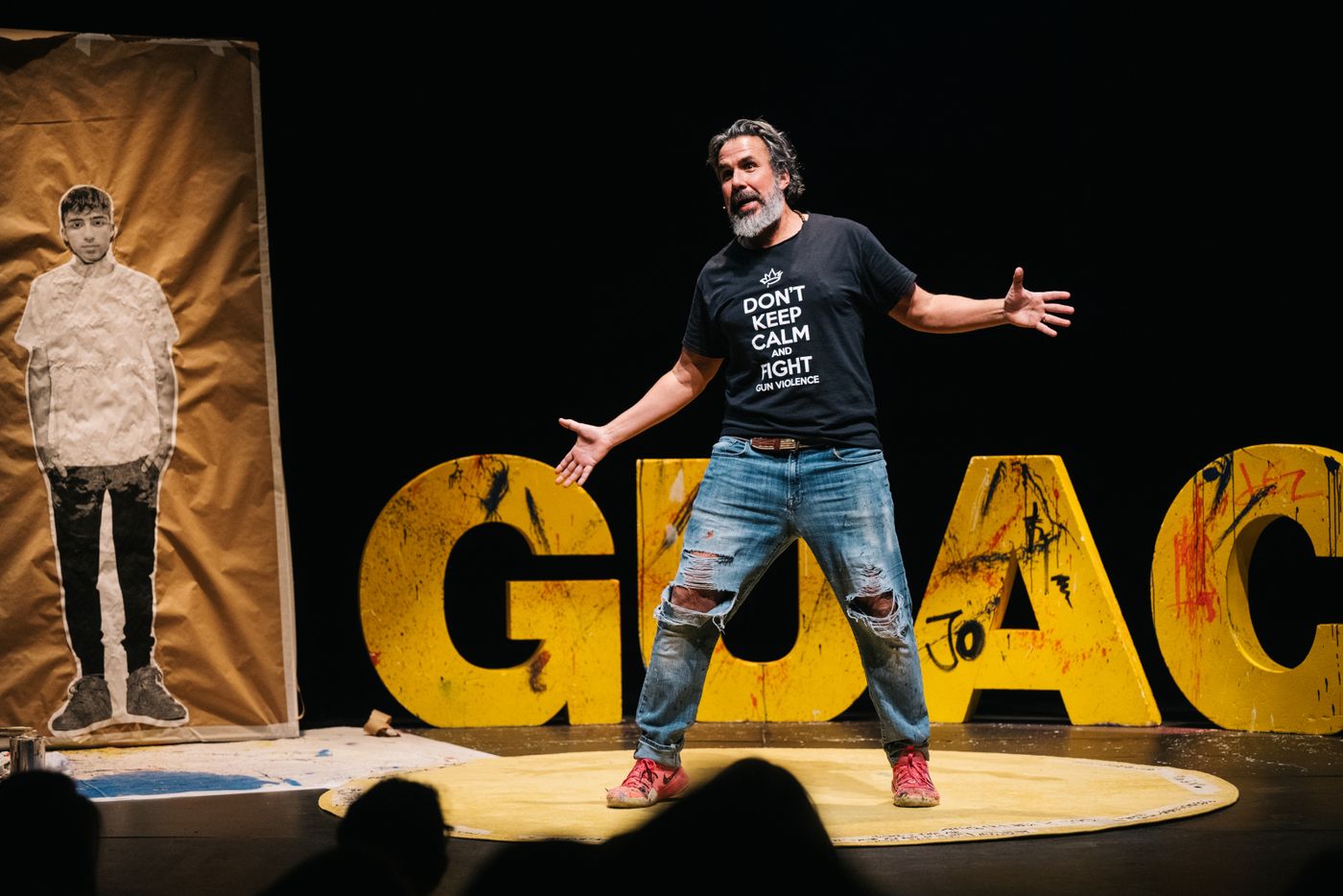
What has surprised you most about audience reactions—especially from people who may come in expecting something heavier or more confrontational?
Exactly that. People are surprised when they find themselves in an environment where they were ready to be sad or cry . . . and the fact that they leave the theater with a lot of motivation with a few options to help, like very specific calls to action that they can practice while they visit the exhibition in the lobby of the Kirk Douglas Theater. That’s a surprise to people.
What I like most is when they say, ‘I’m going to tell everybody to come and see this.’
Were there moments in creating “GUAC” that felt too difficult to put onstage? How did you decide what to share and what to keep private?
Nothing was difficult. The difficult part of this already happened, and it happened eight years ago. Once you go through that and process that, then everything becomes doable. It was more about choosing what describes Joaquin: the things he liked, the music he liked, his principles, his own words.
I am like a translator. I do the job of telling you what Joaquin said and why he said it. That’s it: It’s Joaquin on stage.
Do you ever feel his presence guiding the show—or even pushing you creatively?
The whole time. Not only during the show. I have a life beyond the show. Right now, I’m sitting on the porch of my apartment in Culver City and I’m just feeling the power and the energy of Joaquin. And I will feel it later when I go to the gym, and I’ll feel it when I go out for a run, and I’ll feel it if I go out and have some drinks with Patricia. Joaquin is always with me. And of course, he’s with me during the show. His energy is there.
He’s not only giving me the energy to do what I’m doing in the show, but he’s giving the audience the energy to accept it and understand that we have to work together to make things better.
If Joaquin could sit in the audience and watch “GUAC,” what do you think he’d say to you afterward?
I have this connection with Joaquin—before the show, after the show, the whole time. Before the show, it’s like, ‘Go and get them, Tiger. Go and do your thing. We got this.’ Right after I hear him saying, ‘We did it. We did it again.’ He could give me some notes: ‘You know, you f-ed it up there. But the message will still be sent.’
I like to think that he approves of what we do. And that’s the main reason to keep on doing it. I can do this forever—and I plan to do this forever. I refuse to stop being Joaquin’s father. As long as I am Joaquin’s father, I will practice my role. If that means I have to go on stage, I’ll do it. There’s no sacrifice in that; it’s just joy. Me, being the father of the greatest person that I ever met. I don’t think I will ever meet anyone greater than him.
GUAC runs at the Kirk Douglas Theater April 28-May 17. Tickets are available at centertheatregroup.org/shows-tickets/douglas/202526/guac-return-engagement/.



|
The Most Happy Fella North Coast Repertory Theatre (6/03-6/28) |

|
A Haunting Revue II Impro Theatre (6/06-6/26) |

|
Bus People – A Hilarious & Optimistic Take on L.A. Public Transit The Actors Company (6/06-6/28) |

|
E=MC² Einstein The Musical Kiki & David Gindler Performing Arts Center (7/03-7/26) |

|
MISS MAGNOLIA BEAUMONT GOES TO PROVINCETOWN Los Angeles LGBT Center’s Davidson/Valentini Theatre (6/17-6/28) |

|
My Life is a Sonnet Broadwater Studio (6/07-6/27) |

|
STRAITJACKET SIRENS The Three Clubs (6/01-6/30) |

|
Storytellers Theater: PINOCCHIO @ Sac Fine Arts Sacramento Fine Arts Center (6/26-6/26) |

|
The Show Has Been Cancelled (Due to the End of The World) Broadwater Second Stage (6/16-6/27) |

|
MARY VanARSDEL: SINGS THE BARBARA COOK SONGBOOK Coachella Valley Repertory (7/23-7/23) |