


Interview: Todd Schroeder Music Director slated for Kym Johnson (DWTS) @ NY's 54 Below!
and Hollywood's Paramount Studios Tree Lighting Celebration!
Todd Schroeder is an award-winning Music Director, Composer, Producer, Arranger, and Pianist whose artistry has graced some of the world’s most iconic stages. Celebrated for his ability to connect with artists on a deep level, Todd has collaborated across genres—from Jazz and Broadway to Pop, Country, and Rock—with luminaries including Jason Alexander, Engelbert Humperdinck, Liza Minnelli, Dave Koz, Sir Tom Jones, Haley Reinhart, Leslie Odom Jr., Sam Harris, and Angela Lansbury. His performances include venues such as Radio City Music Hall, the Greek Theatre, Carnegie Hall, and The Oprah Winfrey Show. He has also served as Music Director, Pianist, and Vocal Arranger for Postmodern Jukebox.
Todd's music direction has shaped acclaimed productions such as Wicked (Universal Studios Japan), Disney’s Aladdin: A Musical Spectacular, and The Untrainable Dragon (Universal EPIC Universe in Orlando and Beijing). Schroeder also serves as Creative Director for the annual Skydance/Paramount Studios Christmas Tree Lighting Celebration. His honors include the LA Theatre Alliance Ovation Award for “Best Musical Direction” (HAM: A Musical Memoir), an international THEA Award for Vocal Direction, and BroadwayWorld.com’s “Music Director of the Year.”
As a composer and lyricist, Todd’s music has been featured on Guiding Light and The Late Late Show, and he has co-written three produced musicals, including Queen Of The Trial. In 2026, Schroeder co-wrote the song “New Hope” with saxophonist Dave Koz. Recorded by Koz and jazz legend Bob James, the song reached #1 on the Smooth Jazz charts, and the album earned a Grammy nomination.
In addition to his creative work, Schroeder is a vocal performance coach who conducts his “Auditioning and Performing Masterclass” at universities and performing arts schools worldwide. He is also a dedicated philanthropist, supporting organizations such as Children’s Hospital Los Angeles, the Alzheimer’s Association, and the National Breast Cancer Coalition. For over 30 years, he has funded the Todd Schroeder Young Artist Grant, supporting graduating high school seniors pursuing careers in the visual and performing arts. To learn more, visit ToddSchroederMusic.com or follow @thetoddschroeder on social media.
Todd took ten minutes to answer ten questions just a 100 days before Christmas on his early seedlings of performing live to his current blossoming of a highly respected Music Director, composer, arranger and pianist literally around the globe.
What constellation appeared in the sky witnessing your birth, and in
what part of the country?
I was born on August 26 in Long Beach, California, alongside my twin
brother, Timm. So I arrived in the world with a built-in support
system—and apparently under the sign of Virgo! I was also incredibly
fortunate to have the love and encouragement of my mother, Sally,
my father, Franz, my brother Scott, and, as I would discover many
years later, my newfound brother, Greg.
Can you share your earliest recollection of seeing a live performance,
and who brought you there?
I remember being seven years old when my mother took me to see the
Long Beach Civic Light Opera production of Cinderella. I was
mesmerized. After the show, she asked if I would like to do something
like that, and I immediately said yes.
Soon after, I auditioned for a local theatre group called The Ha’Penny
Players, run by Dave Barton and Matt Bond. They were producing a
musical version of Tom Sawyer, and I was cast as Huckleberry Finn,
the second lead opposite Tom Sawyer, played by thirteen-year-old
Jim Ruttman. Jim later went on to perform on Broadway in Side
Show, Cats, and Damn Yankees.
When did it crystallize for you that live performance was your
destination in life?
After singing and dancing my way through Southern California in Tom
Sawyer, I was hooked. I went on to perform in many more Ha’ Penny
Players productions. I’m not sure I saw performing as my destination
back then—I just knew I was having a lot of fun. And I still am!
How did your home environment support your dreams?
When I got the role of Huck Finn, rehearsals were from 6pm to 9pm every
Monday, Wednesday, and Friday. I’d come home from school, take a
nap, start my homework, and finish it in the car while my mom drove
me to rehearsal. It was a busy time, but somehow we made it work.
Looking back, I’m incredibly grateful for the support my family gave
me to pursue something I loved. I often thought about that years later,
every time I found myself driving my own daughters to their
rehearsals.
Did you enroll in higher education or travel from town to town to learn
your craft? You are a lively accompanist—some even say a show unto
yourself. How do you get in the zone without upstaging your star's talent? Is
it a shared balance, or do you find the groove during each performance?
I didn’t take the traditional higher-education route. When I was 13, my
family moved from Long Beach to Sonora, a small town in Northern
California with a population of about 5,000. It was quite a change from
the Los Angeles vibe I had grown up with. During high school, I began
playing piano in clubs and restaurants, and in many ways, that
became my education. I learned by performing, by working with other
musicians, and by being in front of an audience. It was during those
years that I realized my journey was going to be very different from
that of my classmates. I knew I had a unique gift, and somehow, I also
knew that music was going to take me on adventures around the
world, doing what I loved to do.
As for finding my zone, when I’m headlining a show, it’s all me, all the
time. But when I’m accompanying a singer, my job is to make sure
they never have to think about what’s happening behind them. They
can stay focused on the audience and the story they’re telling, while I
give them everything they need to shine.
When it’s really working, we breathe together and dance together,
each taking the lead at different moments. It’s always new, and it’s
always exciting.
What was your first paid but when did it occur to you that making a
living as a live performer could be a way of life? Finally, the often-forgotten
accompanist has evolved into the much-in-demand Music Director. What
changed?
I got my first full-time professional gig at eighteen, when I was hired
as the music director at The Great American Melodrama and
Vaudeville in Oceano, California. At my audition, artistic director Anet
Gillespie told me, “You have no idea what you’re doing, but you’re
really talented, so I’m going to teach you.” And she did.
Anet taught me how to create a show, how to work with performers
and showcase their individual talents, and, most importantly, the craft
of storytelling. I took everything she taught me and, by the time I was
twenty, had created my own show and was touring it across the
United States. At twenty-two, I took it to Japan.
I was making a good living doing something I loved, and I realized my
dream was actually becoming my life. It still is.
When I was twenty-three, I moved back to Los Angeles and began
playing for singers at a Beverly Hills club called Romeo and Juliet’s.
That’s where I met Gayiel Von, who asked me to music direct her
cabaret show. I had never even heard of cabaret, but she introduced
me to this amazing art form that brought together everything I loved—
music, acting, and storytelling—and allowed me to use everything I
had learned as a music director.
I continued learning through working with extraordinary performers,
including my longtime musical soulmate Sam Harris, Jason Alexander
and the legendary Angela Lansbury. Looking back, I realize how
fortunate I’ve been to have amazing teachers all along the way. And
still one of my greatest joys when building a show with an artist is
listening to their hopes and dreams, discovering what they want to
express, and then creating an arrangement that is unique to their story,
their talent, and their intention.
Professionally speaking, how crucial is the song list for a live performer?
Where do you see the art of cabaret in ten years?
A song list for an act is like the chapters in a book. When it’s crafted
well, the audience never wants to put the book down—they can’t wait
to hear the next song or story. I carefully shape the order to draw the
audience in, keep them engaged, and take them on a journey they
don’t want to end.
I believe cabaret will remain a vital and sought-after art form over the
next ten years and beyond. As AI becomes an increasing part of how
we create and consume entertainment, cabaret offers something
uniquely human: an intimate, live experience shared between
performer and audience. That connection can touch us in ways few
other forms of entertainment can. And I think we’re going to crave
that kind of genuine human connection more than ever.
A) As a Music Director in high demand (Paramount Studios), what are the pros and cons of fronting a
live orchestra versus performing with augmented tracks?
B) Is it acceptable for a pop singer to change the interpretation of their Broadway performance?
to make it their own, given that they are driving box office sales?
There is nothing greater than making music with as many live
musicians onstage as possible. Everyone is breathing, listening, and
creating the same sound together in the moment. There’s an energy
and spontaneity to that which tracks simply can’t replicate.
That said, live musicians are increasingly expensive, so many artists
augment their sound with tracks. I completely understand that. Tracks
can help create a fuller musical experience when budgets don’t allow
for a large orchestra. Hopefully, as an artist’s success and resources
grow, so does the opportunity to bring more live musicians onto the
stage.
As for interpretation, I’m absolutely in favor of artists making a song
their own, whether they’re reinterpreting one of their own hits or
approaching someone else’s material in a new way. Being an artist
means telling a story from your own point of view, and that
interpretation can—and should—evolve.
I don’t believe box-office sales alone should dictate artistic choices.
The interpretation still needs to serve the song, the story, and the
production. At the same time, I’m a big believer in giving audiences
what they came to see. The best performances find a way to do both.
Music is a universal language, but is there a difference between New
York and Los Angeles cabaret audiences in terms of response or creative
expectations?
Yes, there are differences between cabaret audiences in New York
and Los Angeles—and in London and Shanghai, for that matter. But
wherever you perform, I believe the core values of great cabaret are
the same: authenticity, integrity, and honesty.
When I’m directing a cabaret show, my first question to the artist is
always, “Why?” Why this show? Why this song? Why this story? If
the answers come from an honest and authentic place, I know we
have the foundation for something that can connect with an audience.
From there, we work on song choices, pacing, setups, and payoffs.
The truth is, audience responses and expectations can change from
night to night, even in the same venue in the same city. We can’t
control that. What we can control is what we put on that stage and the
honesty with which we present it.
You have played at so many famous venues around the world, but are
there still any venues in Los Angeles you would like to perform at or return
to?
I’ve had the privilege to play some incredible venues around the world
including Massey Hall in Toronto , Hamer Hall in Melbourne and
Carnegie Hall in NYC. One of my LA highlights was the Greek Theatre.
However, I’m still waiting for the call to play the Hollywood Bowl. I
know it will come... and my number is listed!!
“Dancing With the Stars” favorite Kym Johnson makes her 54 Below debut with What I Did for Love, a heartfelt evening of song and storytelling. From growing up in Australia to leaving home in pursuit of a dream, Kym shares the loves, losses, and unexpected turns that shaped her journey through “Dancing With the Stars,” Broadway, and beyond. Live Streaming on 10/10/26 @ 7pm EST. https://54below.org/events/livestream-kym-johnson-what-i-did-for-love/
Since 1954 after the smash box office Paramount hit WHITE CHRISTMAS, the tree lighting ceremony gave birth to a perennial tree lighting ceremony on the Paramount Hollywood lot. It is a major event hosting over 5,000 domestic employees but an additional 12,000 worldwide viewing by video. The Tree Lighting Show: a major prodcution featuring pyrotechnics, real snow play, movie screenings, live choir performances, photo ops, family fun activities and grand lighting effects to illuminate the annual 70-foot Christmas tree under the magical live music direction of Todd Schroeder.
Fun Facts: September 16 leaves exacty 100 days of Christmas shopping!
Paramount Pictures' WHITE CHIRSTMAS remains a top watched film worldwide but also
the #1 holiday treat-repeat throughout the season often paying in the background of Hoiday parties.
Paramount Holiday Movies:
- White Christmas
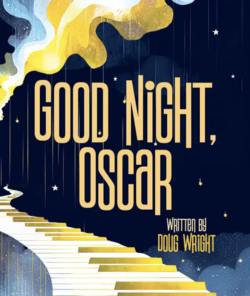
|
Good Night, Oscar North Coast Repertory (9/16-10/11) |
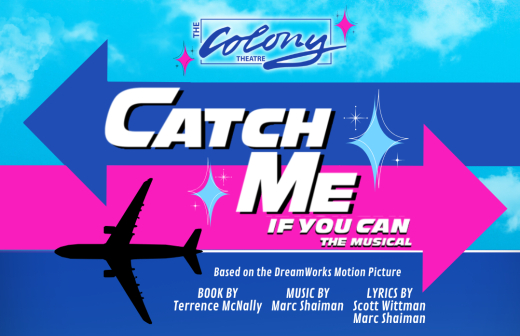
|
Catch Me If You Can Colony Theatre (9/17-10/18) |
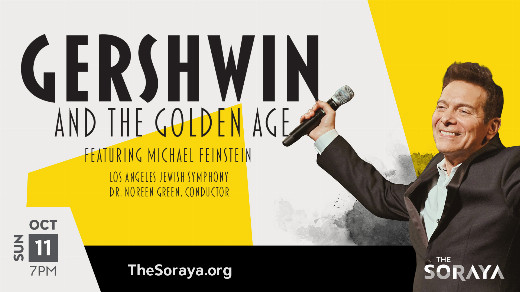
|
Gershwin and the Golden Age The Soraya (10/11-10/11) |
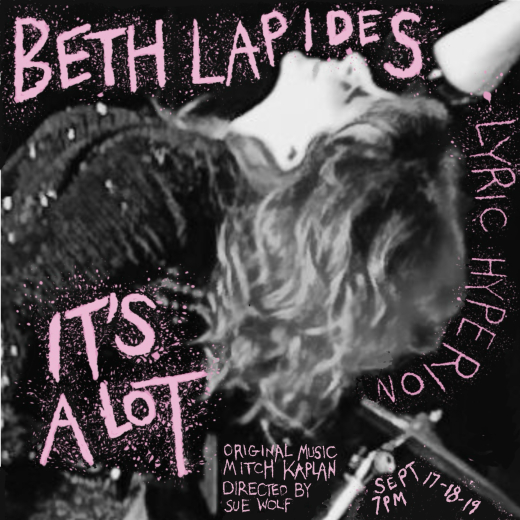
|
It's A Lot Lyric Hyperion Theater & Cafe (9/17-9/19) |
|
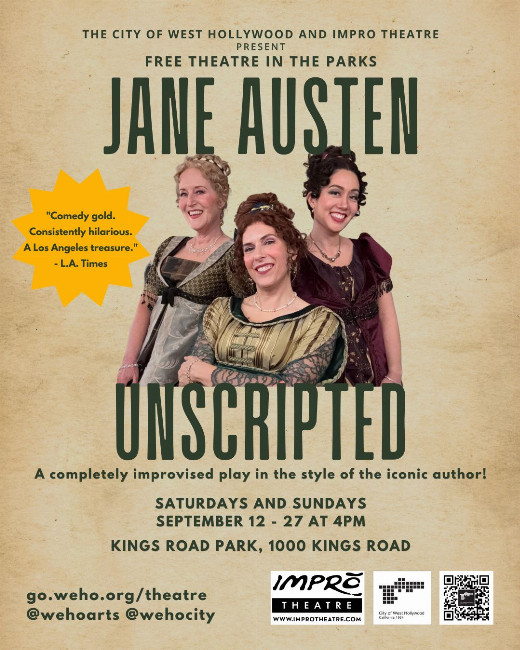
Jane Austen UnScripted Kings Road Park (9/12-9/27) |
|
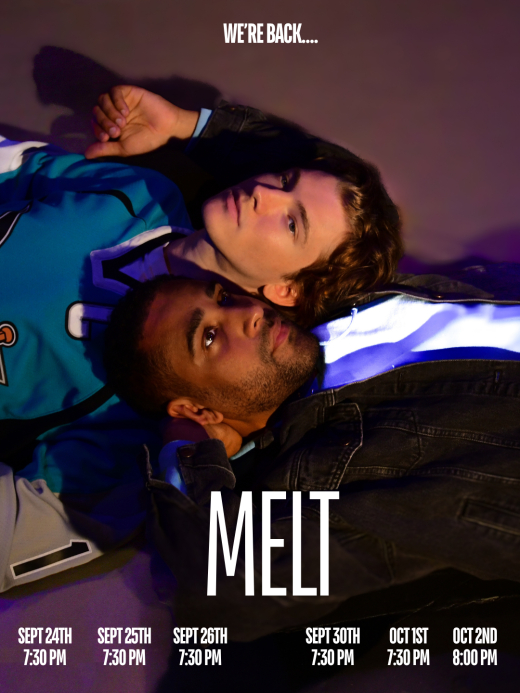
Melt : The Play The Marilyn Theatre at the Lee Strasberg Institute (9/24-10/02) |
|
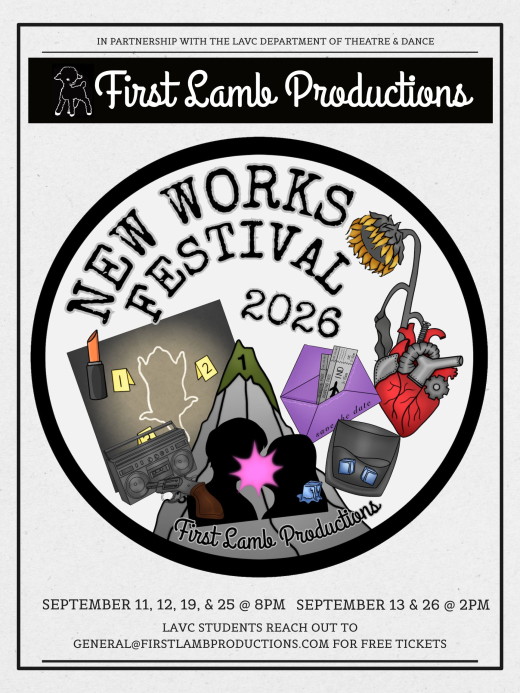
New Works Festival Shoebox Theatre (9/11-9/26) |
|
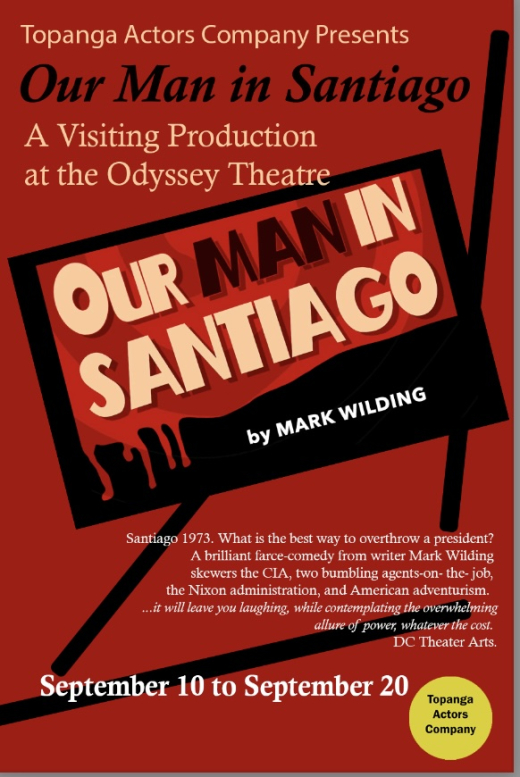
Our Man in Santiago by Mark Wilding Odyssey Theatre Ensemble (9/10-9/20) |
|
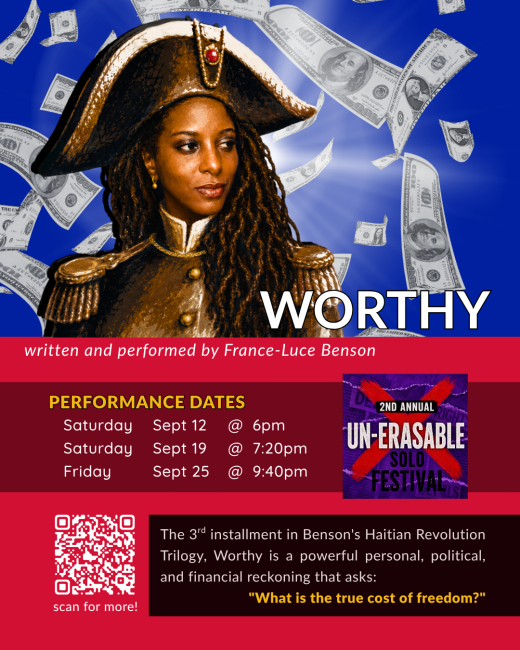
Worthy The Un-Erasable Solo Festival - Willie Agee Playhouse (9/12-9/25) |
|
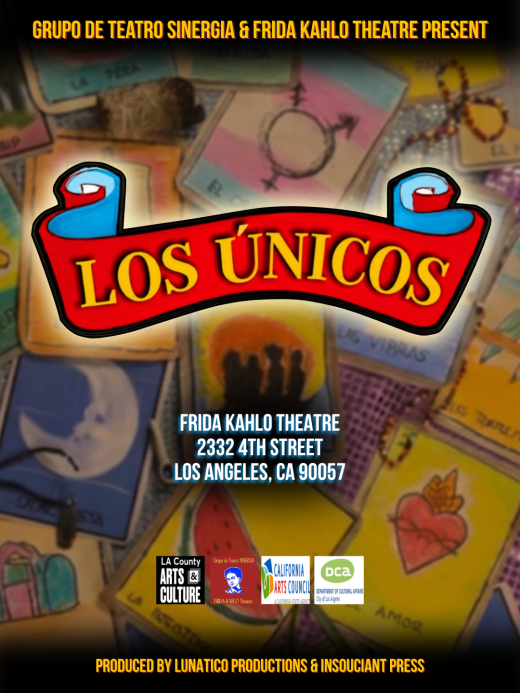
Los Únicos Teatro Frida Kahlo (10/10-10/18) |
