


Review: THE REMARKABLE RESIGNATION OF DR. JOYCELYN ELDERS at Arkansas Repertory Theatre in Little Rock
This World Premiere brings a local trailblazer's story to the stage through August 29
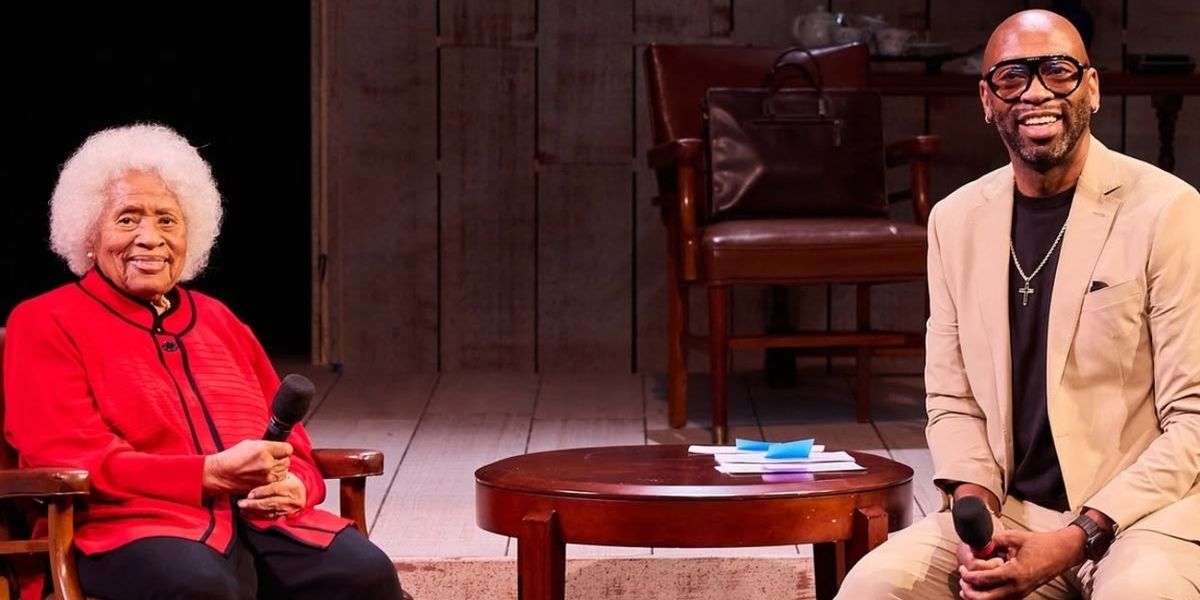
Dr. Joycelyn Elders became Surgeon General when I was a tenth-grade student in a small town in Arkansas. I will not pretend that I understood the magnitude of her voice back then, but when she spoke, people listened, whether they were for her or against her. I distinctly remember condoms being offered at school becoming a hotly debated topic, and I remember the buzz of conversation surrounding her views on safe sex. Even as a teenager, I was surprised that lessons about protecting young people could become so controversial—but, after all, we are in the Bible Belt. Now, more than three decades later, watching that Arkansas history come alive on stage in The Remarkable Resignation of Dr. Joycelyn Elders at The Arkansas Repertory Theatre gave me the opportunity to look at her life, her words, and the controversies surrounding her through an entirely different lens. A World Premiere written by Arkansas Rep Artistic Director Steve H. Broadnax III, this intimate three-person play feels especially meaningful as The Rep celebrates its monumental 50th anniversary season, bringing the story of one of Arkansas's most fascinating, outspoken, and groundbreaking figures home to an Arkansas stage.
Generously sponsored by TAWANI Foundation, Cindy & Chip Murphy, Rebsamen Fund, and Mary & Jim Wohlleb, The Remarkable Resignation of Dr. Joycelyn Elders takes audiences away from the podiums, television cameras, and Washington press conferences and into the Elders home. There, journalist Maya Mitchell (Patrese D. McClain) has been allowed to interview Dr. Elders about her life, and what begins as an opportunity to document the story of an American trailblazer becomes something much more complicated and personal.
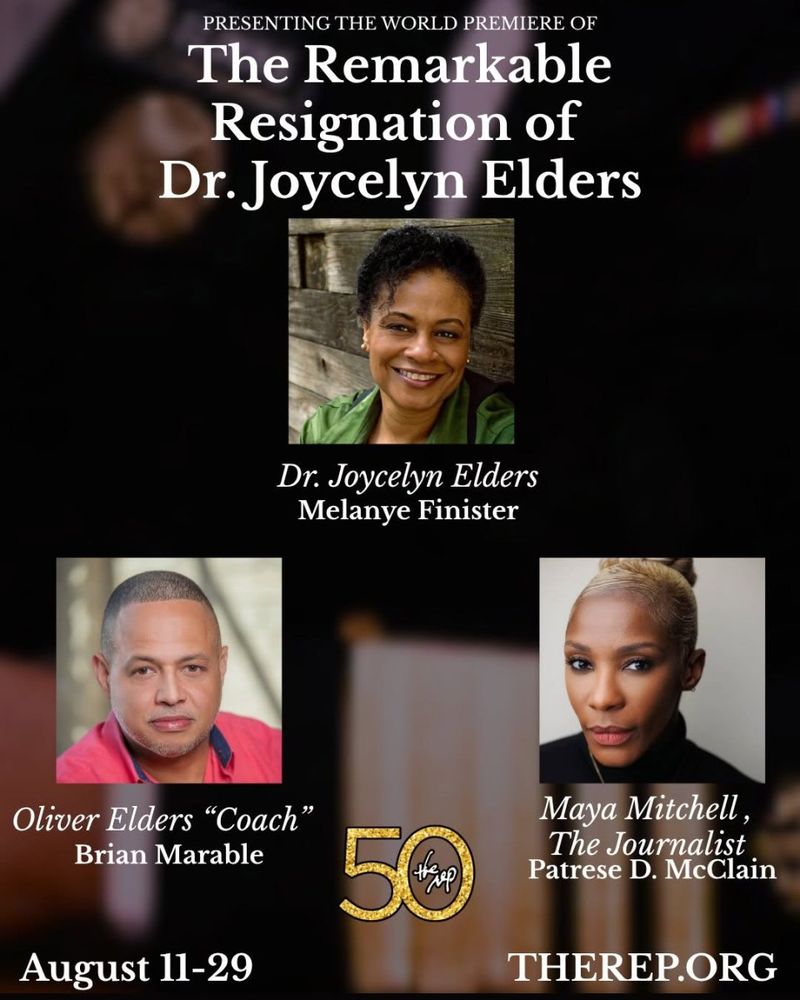
Melanye Finister takes on the formidable task of portraying Dr. Joycelyn Elders, and what a role this is. Dr. Elders' life cannot possibly be summed up by one controversial statement, one political administration, or even one groundbreaking appointment. From her beginnings as the daughter of sharecroppers to becoming the first African American Surgeon General of the United States, her journey is extraordinary. Through questions, we begin peeling away the public image and discovering the woman behind the headlines—her upbringing, education, career, marriage, convictions, struggles, compromises, and the experiences that shaped that unmistakably direct voice.
Finister commands the stage with intelligence and an unmistakable sense of purpose. She doesn't portray Elders as someone interested in winning everyone's approval. Instead, she gives us a woman who knows who she is and understands why she believes what she believes. Yet Finister also allows us to see the vulnerability beneath that confidence. The public may have seen the outspoken Surgeon General, but inside her own home, we see a wife, a mother, a physician, and a woman who has had to carry the consequences of being willing to say things others did not necessarily want to hear.
That complexity becomes especially important through Patrese D. McClain's Maya Mitchell, whose journey surprised me with how much it added to the play. Maya doesn't simply arrive to conduct an interview. She arrives having idealized Dr. Elders. In her mind, this woman is practically Superwoman, but heroes become much more complicated when we learn what happened behind the headlines.

As the interview progresses, Maya begins grappling with the realization that her Superwoman was still human. Dr. Elders had entered a Washington power structure dominated by older white men, and being in those rooms did not mean she suddenly had the power to change every rule governing them. There were compromises. There were battles she could fight and others she couldn't win. For Maya, reconciling those realities with the fearless woman she had placed on a pedestal is difficult.
McClain does a wonderful job allowing that admiration to become disappointment, frustration, confrontation, and eventually something deeper. At times, Maya isn't merely interviewing Dr. Elders—she seems to be demanding that her hero explain herself. Why did she compromise? Why didn't she push harder? Why couldn't this extraordinary woman simply walk into Washington and change everything?
Then there is Brian Marable as Oliver Elders, affectionately known as "Coach," and I loved what his presence adds to the story. Honestly, we should all hope for a husband like Oliver. The relationship between Joycelyn and Coach grounds the play beautifully. History remembers the person standing behind the microphone, but Broadnax reminds us that there is usually someone standing just outside the spotlight who has experienced the journey too.
Marable brings affection and an easy familiarity to their marriage. Coach doesn't need to dominate the conversation to make his presence felt. He knows his wife. He knows what she has endured. He knows the difference between the public Dr. Elders and the woman who lives in this house with him. As the interview grows increasingly intense, his presence becomes an important reminder that Maya is not interviewing a historical monument, she is sitting in someone's home talking to a very real woman whose family has lived through the consequences of her public life alongside her.
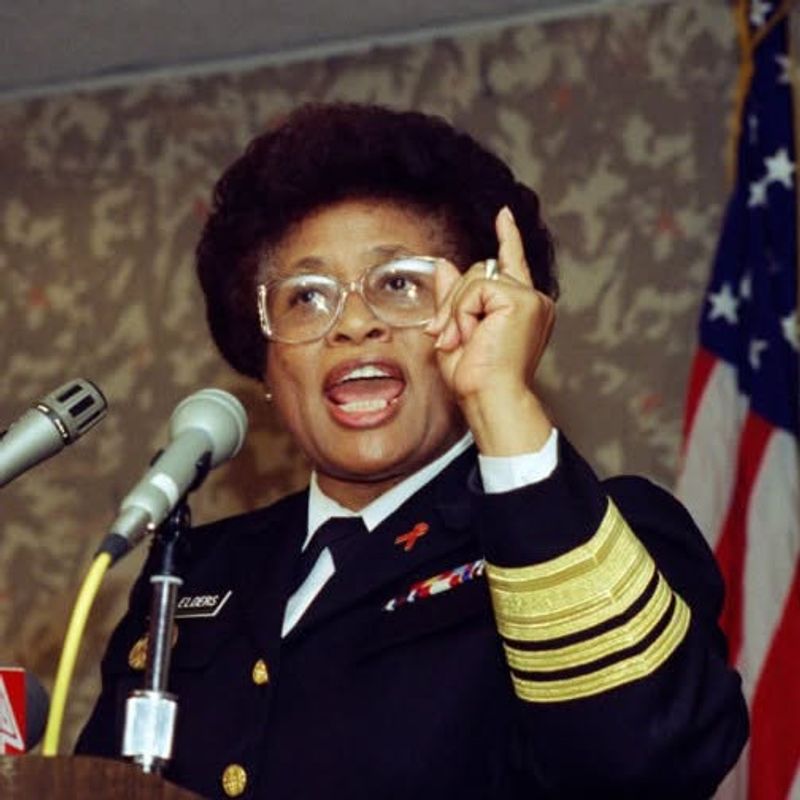
Whether audiences agree with every position Dr. Elders took is almost beside the point. Broadnax isn't asking us to agree with every word. He is asking us to look at the entire person and consider the experiences that shaped her beliefs. He also asks us to consider something Maya has to learn for herself: What does it actually mean to enter a system built long before you arrived, particularly when you are one of the few people in the room who looks like you?
There is also something wonderfully fitting about this World Premiere happening during The Arkansas Repertory Theatre's 50th anniversary. For five decades, The Rep has brought stories to Arkansas audiences, and celebrating that milestone with an original work centered around an Arkansan who made national history feels significant. Broadnax isn't simply looking backward at a famous chapter in American politics; he is bringing an Arkansas story home and placing it where it belongs. Told with complexity, humor, and plenty to think about on the drive home, this is an important story, and you really don't need to miss it. For more information, visit their website at therep.org.

Sign up for all the news on the Fall season, discounts & more...

|
Come From Away: An Immersive Experience Actors Theatre of Little Rock (9/23-10/10) |

|
You're A Good Man, Charlie Brown Verser Theatre (9/24-9/27) |

|
Three Days Grace, I Prevail & The Funeral Portrait Walmart AMP (10/28-10/28) |

|
Scrooge! The Musical Pocket Community Theatre (12/04-12/13) |

|
Irving Berlin's White Christmas Theatre Collective of NWA (12/04-12/06) |

|
Wait Until Dark Pocket Community Theatre (10/02-10/11) |

|
“An Evening of New Works” by Arkansas State University Student Playwrights Arkansas State University Theatre Department (2/19-2/21) |
|
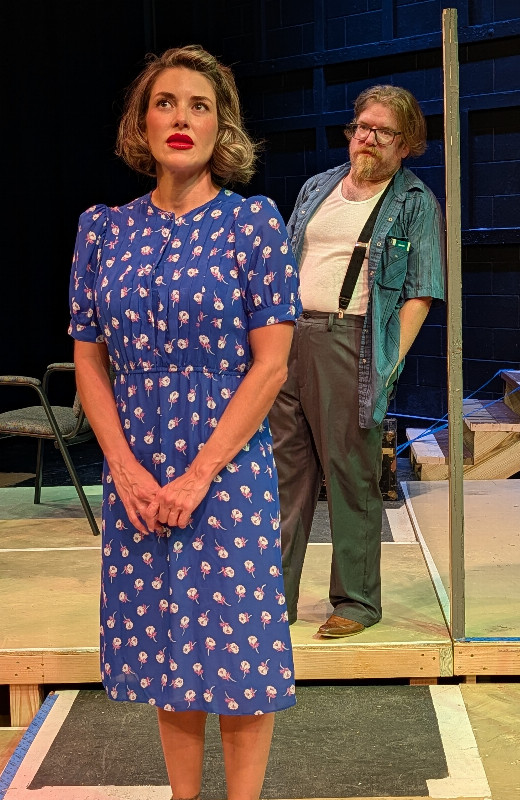
A Streetcar Named Desire Fort Smith Little Theater (9/24-10/03) |

|
The Rocky Horror Picture Show Spooktacular Tour with Nell Campbell Robinson Center (10/20-10/20) |

|
“Men on Boats” By Jaclyn Backhaus Arkansas State University Theatre Department (4/16-4/25) |

Reader Reviews
To post a comment, you must register and login.