


Review: KHACHATURIAN’S EXUBERANT VIOLIN CONCERTO at Jacobs Music Center
San Diego Symphony on a Rainy Night
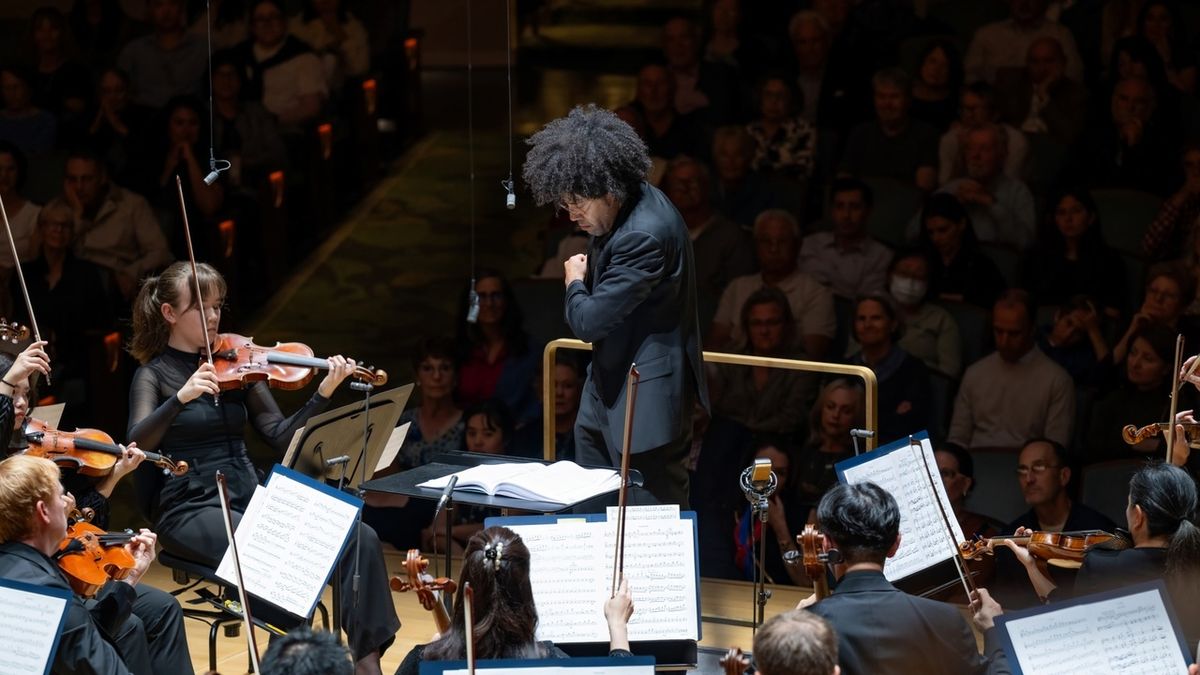
It was an unusual night for San Diego and its symphony orchestra. The heavy rains of hurricane Rachel were headed our way, and rather than the usual short concert opener, Music Director and Conductor Rafael Payare jumped right into the compelling urgency of Aram Khachaturian’s violin concerto. It seemed appropriate, though a coincidence. Concert programs are scheduled long before the daily weather report.
Khachaturian’s Violin Concerto
Khachaturian was born in Armenia but spent most of his life in Russia, and I’ve tended to associate him with Prokofiev, Shostakovich and other Russians who became popular in American concert halls in the mid-20th century.
Since I hadn’t heard the concerto in years, I listened to James Ehnes’s version of it the day before the concert, and Russian still seemed the right take.
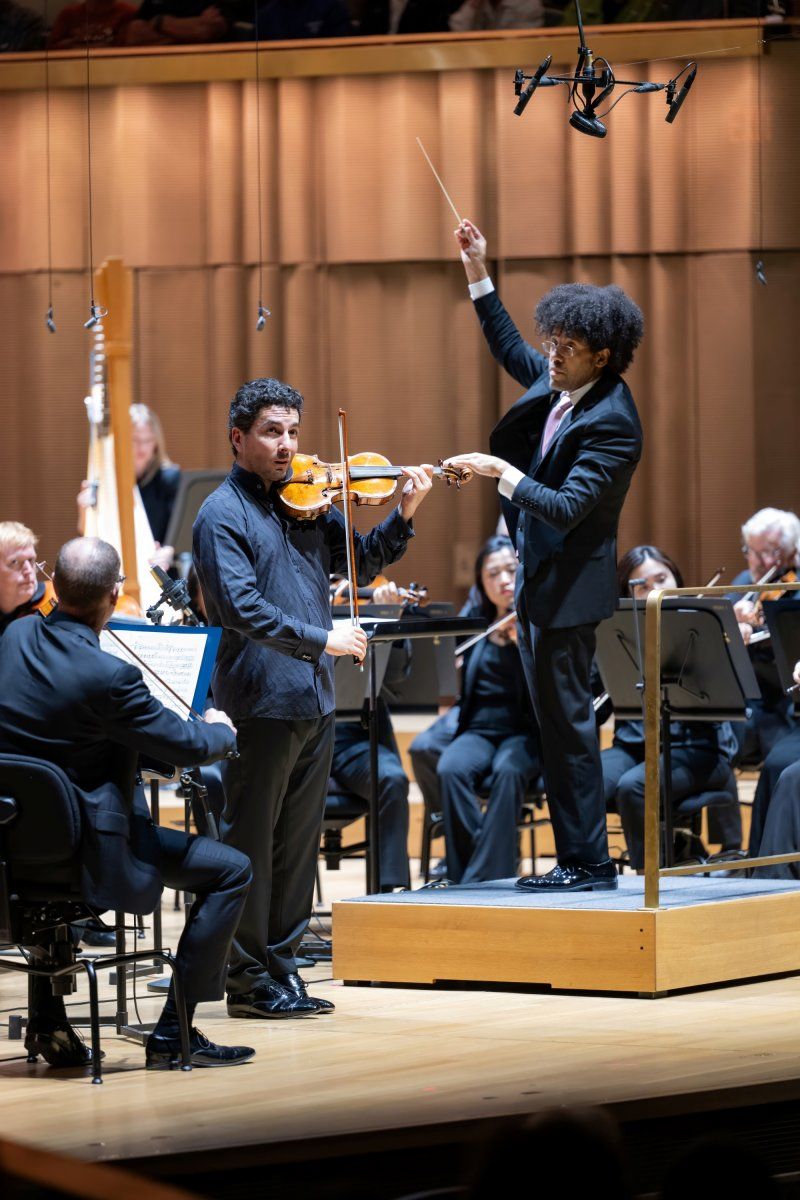
The composer worked with the legendary Russian violinist David Oistrakh to create a challenge for soloists. Armenian violinist Sergey Khachatryan passed the test. It was an exciting performance that changed my view of the work.
His fiery opening had horse hairs flying off his bow before he got through the first four bars, and a crying vibrato in the concerto’s exotic softer moments clinched it. Armenia was more of an influence than Russia. Khachatryan’s approach made other interpretations seem almost polite.
Payare and his musicians were all in with the violinist on ferocity. Following his lead, as percussion hammered rhythms, the brass section blazed forcefully and clear in the hall’s fine acoustics.
The pause was longer than usual following the first movement as the conductor applied a handkerchief to his heated brow while composing himself for the sensuous second movement’s opening.
Strings provided the Andante's rich warmth, and woodwinds a lighter contrast. Principal Clarinet Sheryl Rank’s gentle decoration and mirroring of the soloist’s mainline were especially appealing in calmer moments.
The finale turns to lighthearted joy with a spritely waltzing theme in a major key. The lyrical second theme of the first movement returns briefly before brass and percussion voice a triumphantly optimistic conclusion; the sun was out after the storm.
San Diego Symphony often has its musicians make the usual brief pre-concert announcements about cell phones, fire exits, and so on. Tuba Principal Aaron Mccalla’s had the mic on this evening, and after appropriately comparing the opening concerto to a hurricane, he observed that the ocean waves Rachel caused were like the waves of sound in Bruckner’s symphony.
Bruckner’s Ninth
Other great symphonists bring crescendos to well-defined climaxes. Bruckner constantly climbs toward what feels like a peak or just short of it, only to fall back into a trough of quieter, more thoughtful sounds. He does it over and over again in a wave pattern, as though searching for something he can’t quite find.
Until a few years ago, I found that strange, and was unsure of how he meant listeners to feel. But I now believe it represents his religious fervor, and indeed, he dedicated his ninth "to the beloved God" and sought musical perfection.
Constant revision of prior works is a related characteristic. He’d been working on the ninth for nine years when he died, having completed three movements and sketched a fourth. Because of poor health, he was convinced the ninth would be his last symphony. It was, and he did not complete it partly because he was also revising his first, second, third, and eighth symphonies.
No wonder conductors sometimes have trouble deciding which versions to use. Well-meaning followers have made it even more difficult by revising the composer’s orchestrations. The main options for the ninth are one of the completed three movement scores or one of many with a fourth movement based on the composer’s detailed sketch.
There’s no doubt he wanted a fourth, but most conductors opt for three, as did Payare. He led the frequently performed Orel version of Bruckner’s last score as edited in 2000 by musicologist Benjamin-Gunnar Cohrs.
Are the revisions done? I doubt it. An AI generated fourth movement is probably in the works.
Bruckner makes even greater demands on the brass section than Khachaturian, and his unfinished ninth, nearly an hour long, calls for eight horns and a tuba in addition to the usual trumpets and trombones.
Payare showed no mercy. An ex-horn player, he clearly glories in the way his brass section fills the hall. Demanding its best, and loudest, he rises en pointe and thrusts his arms toward heaven, the musical goal for both him and the devoutly religious Anton Bruckner.
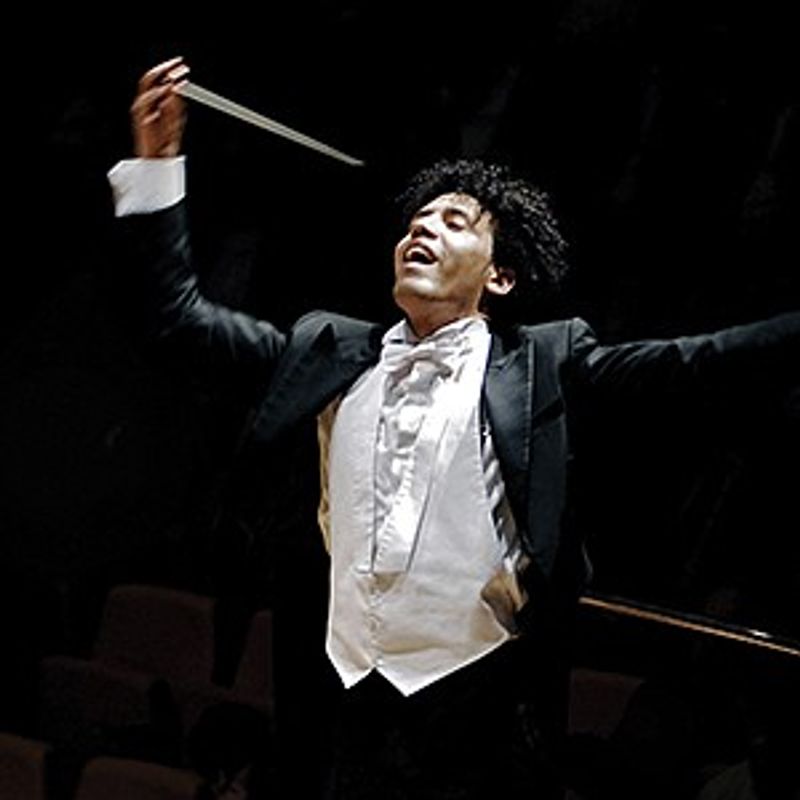
The first movement is labelled “Solemn, Mysterious.” It’s the lengthiest, with long sections of soft contemplation in the strings and woodwinds repeatedly interrupted by sudden timpani rolls and brass calls. Swelling strings have a beautiful second theme which reappears briefly in the final movement. Payare brought the first movement to an end with loud and commanding brass.
The second and shortest movement is a scherzo. It begins with delicate pizzicato strings soon dismissed when the full orchestra unexpectedly interjects by pounding on a single note before the brass again takes command. The delicate-brutal pattern is repeated until the brass section finally says with determination, “enough of that” to end the movement.
The third movement is marked “slow and solemn,” but again the brass section has its say, and here, as throughout the performance, Bruckner’s many abrupt and sudden transitions from fortissimo to pianissimo and back were smooth and effective. The symphony’s peak is reached with trumpet calls, clearly written in praise of God and thrilling under Payare’s baton. The movement ends with what seems Bruckner’s quiet acceptance of impending death.
I understand why most conductors choose to leave it there, but Bruckner kept working on a final movement after completing the third and left extensive notes. I doubt we've seen the last attempt to complete his vision. If there is a heaven, he's already done that himself and revised it several times.
Top photo JennaGilmer
Visit San Diego Symphpny for a listing of the Jacobs Masterworks concerts in the 2026/27 season
Sign up for all the news on the Fall season, discounts & more...
|
Good Night, Oscar North Coast Repertory (9/16-10/18) |

|
Ripcord The Roustabouts Theatre Co. (10/08-11/01) |

|
The Cottage North Coast Repertory (10/28-11/22) |
|
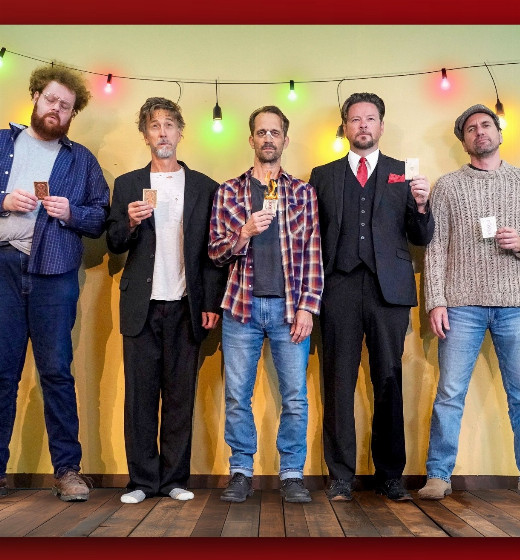
THE SEAFARER Tenth Avenue Arts Center (11/19-12/12) |

|
Take3 Jukebox Rock Poway Center for The Performing Arts (4/18-4/18) |

|
Bluey's Big Play Balboa Theatre (11/13-11/15) |
|
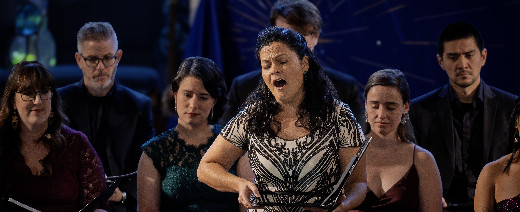
Bach Collegium San Diego Presents “Salzburg Connections: Mozart & Michael Haydn” Conrad Prebys Performing Arts Center (10/17-10/18) |
|
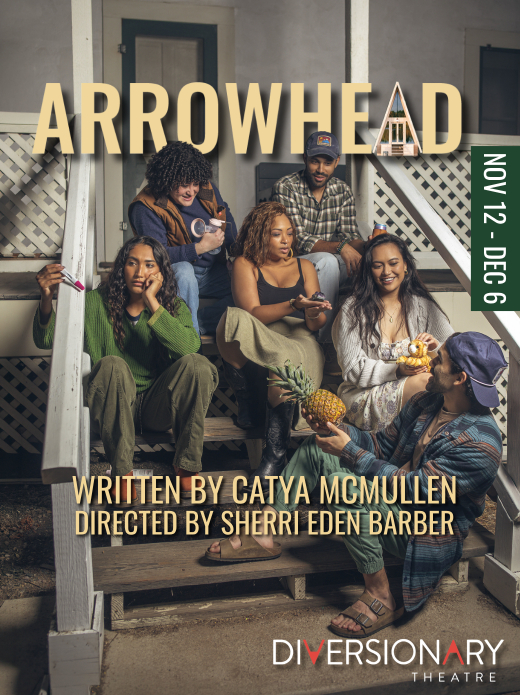
Arrowhead Diversionary Theatre (11/12-12/06) PHOTOS |
|
Teddy Swims Pechanga Arena (11/13-11/13) |

|
The Lion King Civic Theatre- San Diego (2/18-3/07) |

Reader Reviews
To post a comment, you must register and login.