Guest Blog: 'The Downtrodden Deserve Their Stories To Be Told': Actor Arthur Boan on Playing Chief Bromden in ONE FLEW OVER THE CUCKOO'S NEST
'Modern indigenous people can both be seen in full regalia at a powwow and also in jeans and a T-shirt at the supermarket.'
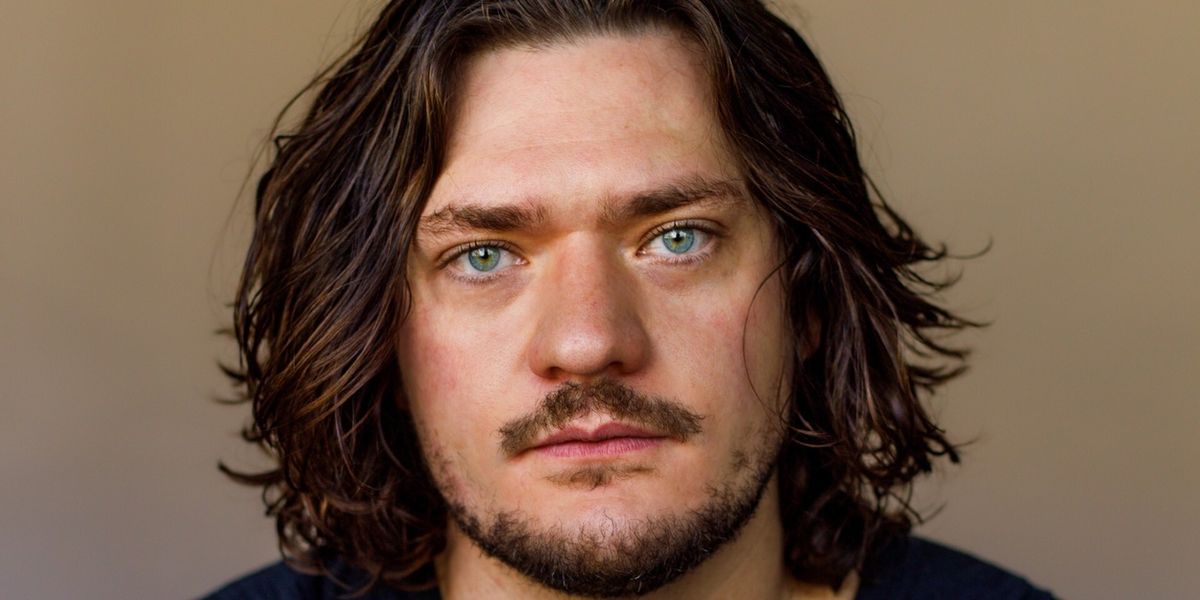
In the late nineties, my childhood self was growing up in the wilderness surrounded by bears and wolves on a remote island in the James Bay, Canada. He would never have expected that in 2026 he would find himself on the stage in London’s West End, playing one of the most iconic characters in contemporary North American literature.
I play the role of Chief Bromden in One Flew Over the Cuckoo's Nest at The Old Vic. He's an indigenous man, a "Columbia River Indian" from Oregon. Often referred to in the play as a "deaf and dumb Injun", he's one of the longest serving patients on the ward, having been there for over 10 years, and is one of the most abused patients there. He is said to have received "over 200 electro shock therapy treatments" – simply for trying to be his authentic self.
%2C%20Arthur%20Boan%20(Chief%20Bromden)%20and%20Javone%20Prince%20(Cheswick)%20in%20One%20Flew%20Over%20the%20Cuckoo's%20Nest%20at%20The%20Old%20Vic%202026_%20Photo%20by%20Manuel%20Harlan.jpg?format=auto&width=800)
Photo Credit: Manuel Harlan
One of the brilliant things about this new production is that it re-centres Chief Bromden as the narrator and protagonist, and I feel incredibly honoured and proud to be playing him. He is the protagonist of the book and, unlike the 1975 Oscar-winning film, I was very excited that Clint Dyer, our director, wanted to bring this play back to the core story of Bromden and his journey, as originally intended by the author Ken Kesey.
As an actor, I feel that indigenous representation on stage and screen has a tendency to be frozen in time, in danger of stereotypes and preconceptions of what an indigenous person "ought to look like" and "behave like". And that simply isn't a modern reflection of the truth. There are hundreds of nations with distinct cultures and specificity is key. A lot of our stereotypes and tropes still stem from Westerns. Modern indigenous people can both be seen in full regalia at a powwow and also in jeans and a T-shirt at the supermarket.
%20in%20One%20Flew%20Over%20the%20Cuckoo's%20Nest%20at%20The%20Old%20Vic%202026_%20Photo%20by%20Manuel%20Harlan.jpg?format=auto&width=800)
Photo Credit: Manuel Harlan
I'm what's called Métis, one of the three distinct indigenous peoples of Canada. I have Swampy Cree ancestry, however I grew up on the Moose Cree First Nation reserve of Moose Factory in Northern Ontario. What was fascinating about my upbringing there was my exposure to wilderness and an aspect of freedom that I don't think people who are from a city or even a farm can truly grasp. We had wild animals like packs of dogs and wolves and polar bears and moose and deer and wolverines and geese and whales - in some ways impossibly dangerous.
There's a point in spring called "break up", the frozen Moose River starts to melt, but there's far too much ice to wash away, so it piles up into these mini icebergs, these chunks of ice that drift down and at times have washed away the entire community. This is a place that drops to -40°C in the winter, you get feet of snow, and in the summer, gets as hot as +30°C and can be very humid. It's wild and just as beautiful as it is dangerous. There's a stark contrast between the sterile environment of a psychiatric ward and this theme of nature that is very important for Chief Bromden – a theme very important to me personally, and to anybody who has grown up with that exposure.
I think one of the things that I most relate to in the play is that Chief Bromden is often referred to as a "deaf and dumb Injun" by others. I'm neurodivergent and indigenous and there have been times throughout my life when the system, "The Combine" as Bromden calls it, forced me into a box I couldn't fit.
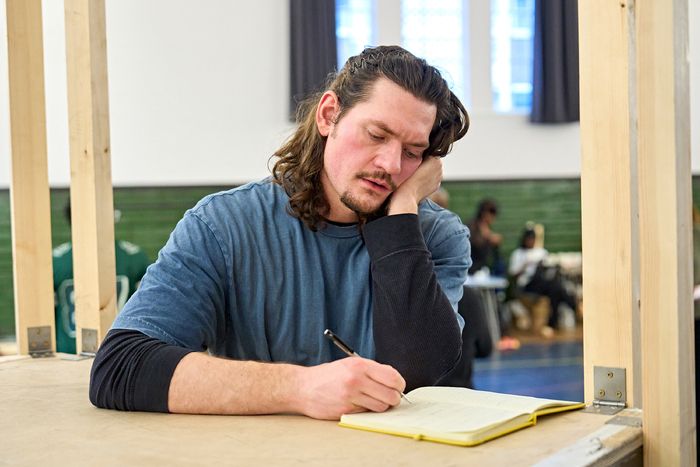
Photo Credit: Manuel Harlan
Another thing that really drew me to the part of Chief Bromden was this aspect that his character has been stripped of his indigenousness from the system ("The Combine") and is completely broken by it. He has a deep desire to reconnect with the missing parts of himself, the parts that "The Combine" wants to “fix”. It leaves him incredibly vulnerable and lost, and it's these layered and misunderstood and troubled characters that I personally identify with the most – characters and people deemed “other” and “less than”. From a technical perspective as an actor, these roles are often challenging to play and therefore the most inspiring to me.
One of my favourite things to do as an actor is to dissect these types of parts and discover how it hits home with me personally. It's an opportunity to re-create that emotional journey and that gives me purpose as an artist. I love it, because I believe that the downtrodden and the beaten are the ones who deserve their stories to be told – and to portray their journeys of finding their way home again.
Read our review of One Flew Over The Cuckoo's Nest here.
One Flew Over The Cuckoo's Nest at The Old Vic until 23 May
Production and Rehearsal Photo Credits: Manuel Harlen
Prefer BroadwayWorld in Google Search?
Add us as a preferred source so our stories show up more often in Top Stories and Google’s AI answers — for you.

Sign up for all the news on the Fall season, discounts & more...
|
Powered by

|
.jpg?format=auto&width=300)