


Interview: Playwright Robin Gerber of THE BEST MEDICINE at the Odyssey Theatre
October 10 through November 15
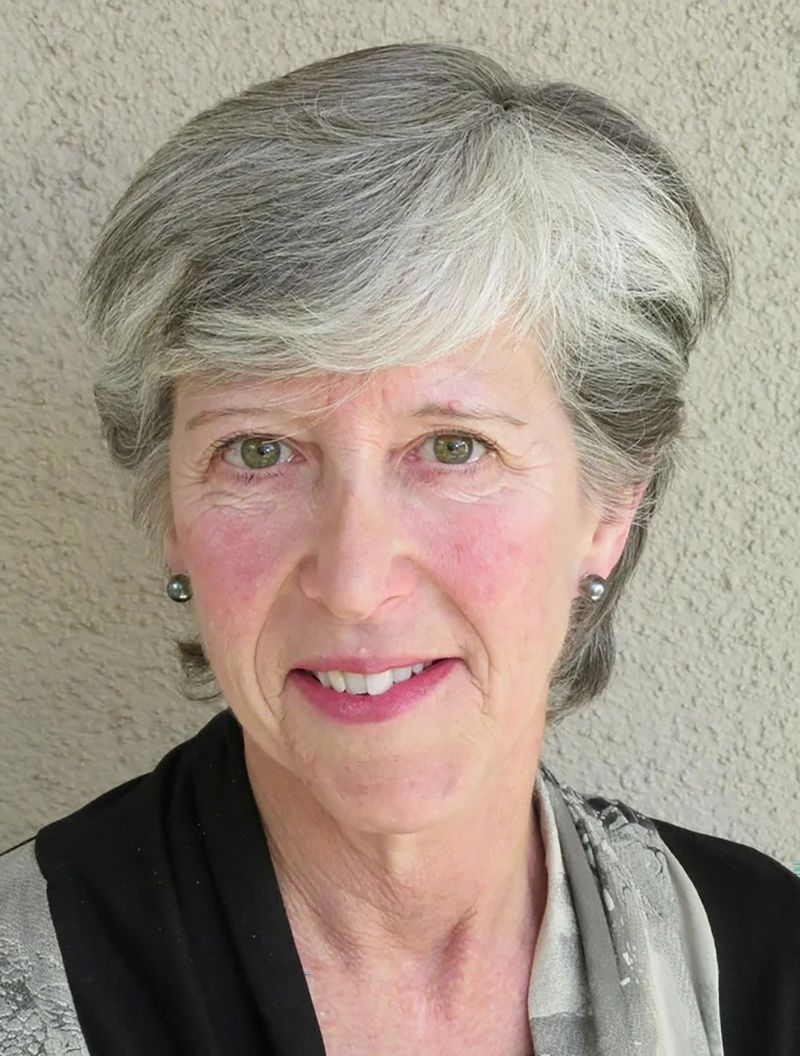
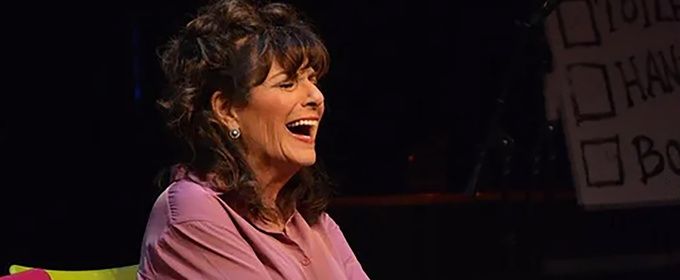
Written by playwright and bestselling author Robin Gerber (pictured, courtesy of the artist) The Best Medicine finds humor in a situation most people would never think of as funny: caregiving. Inspired by Gerber’s experience caring for her husband, who has Parkinson’s disease, the play is a solo comedy starring Caroline Aaron (The Marvelous Mrs. Maisel) about love, loss, resilience and finding joy in unexpected places. It premiered at Great Barrington Public Theater in August 2025, and now the West Coast premiere is being produced by The Odyssey Theatre Ensemble, presented in partnership with Parkinson’s Community Los Angeles.
As American society continues to age and live longer than ever before, caregiving is an important public health issue that affects the quality of life for millions of individuals, both for those who give care and those who receive it. Caregivers, especially those who care for a patient 24/7, whether paid or unpaid, must give up their own needs to care for someone else who cannot care for themselves, providing assistance with both health and social needs such as bathing and dressing, food preparation, medication supervision, paying bills, making doctor appointments, shopping and providing transportation. It also may involve emotional support and help with managing a chronic disease or disability. But who cares for the caregiver as demands for their time increase?
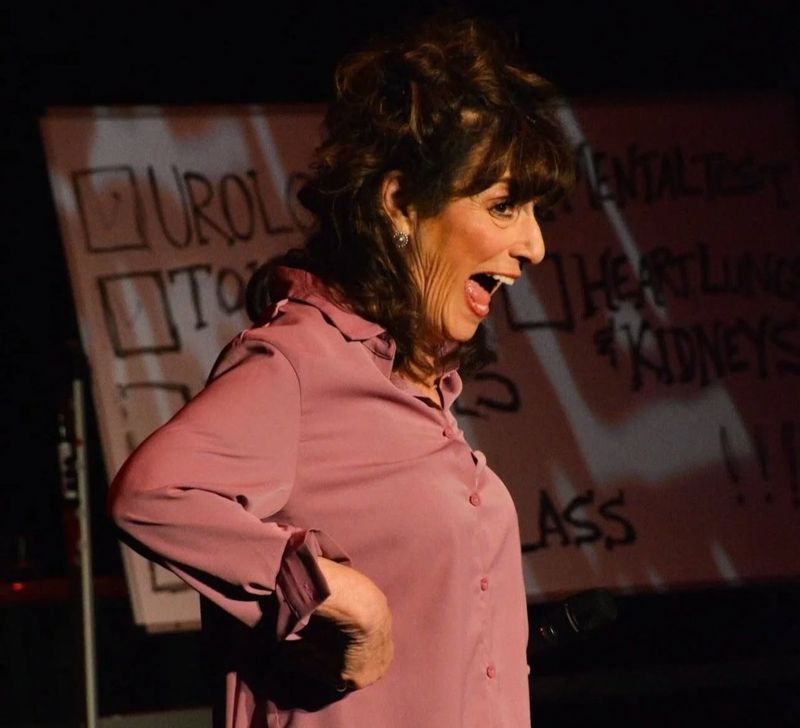
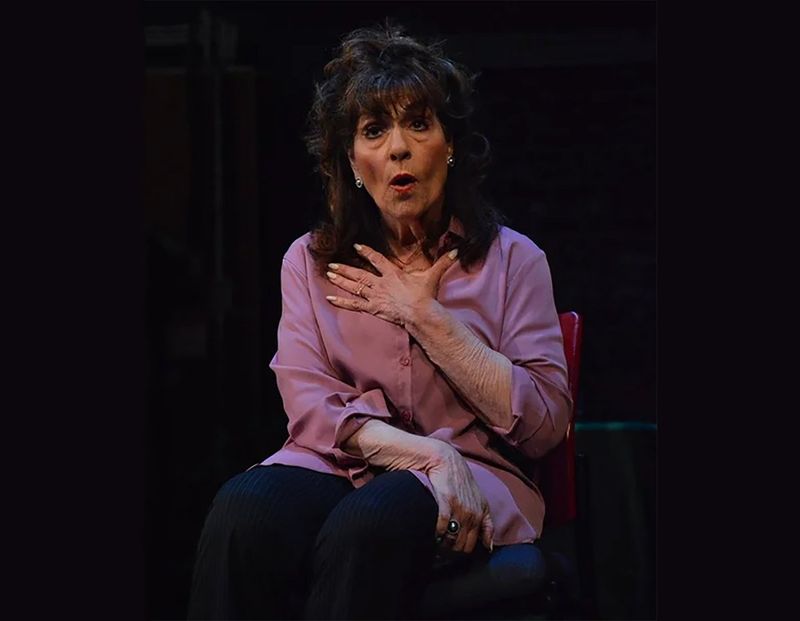
Caroline Aaron portrays Rachel
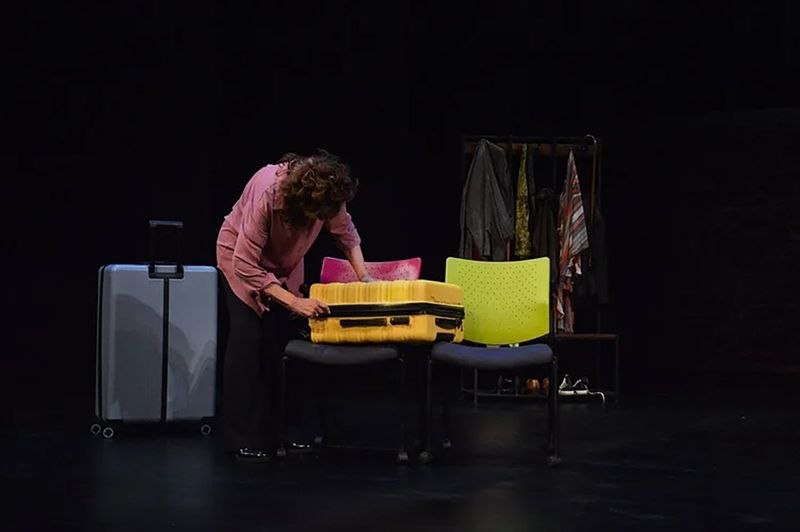
Production photos by Lauren Jacobbe
I spoke with Robin about how her own experience as a caregiver inspired her to write the play, how she handles both grief and humor in telling the story, and how she feels Caroline Aaron is the perfect person to portray Rachel, a free-spirited woman who learns a lot about herself when her “in sickness and in health” vow changes her life when her husband is diagnosed with a progressive, incurable disease and she’s thrust into the job she’s least suited for: self-sacrificing caregiver who must learn to live, love and lament a loved one slipping away.
Thanks for speaking with me, Robin. What first compelled you to transform your experience as a caregiver into a solo comedy?
I enrolled in a standup comedy class to get some relief from caregiving. I just thought it would be fun, even though the instructor insisted I talk about my caregiver role. When we did our four-minute routines for an audience, people came up to me afterwards very emotional and thanking me for talking about what was in the shadows. I started researching caregiving and realized there was a huge swath of America suffering in silence. I thought others might appreciate my perspective on the new role I took on of caregiver, so since I'm a playwright, I wrote a play!
How did caring for your husband with Parkinson’s shape Rachel’s character and journey?
Caregiving is Rachel's arc. She starts out not understanding it, resisting it, hating it, but her love for her husband comes to the foreground. She accepts 'what is' and sees that she can still find joy and new meaning in life.
What role does humor play in helping people process grief, fear and the demands of caregiving?
Humor is an essential part of being human. Tragedy, difficult circumstances makes it hard to see that there's still 'funny' lurking around, and when you find it everything else is easier to carry.
How did you balance the emotional realities of progressive illness with the play’s comedic tone?
Of course there are emotional and difficult parts of the play, but I made sure those don't drag at all and lead to funny lines. Like when the doctor says Parkinson's is progressive and incurable, Rachel responds, 'Isn't that called life?'
Rachel discovers stand-up comedy as a kind of salvation. Why was comedy the right artistic and personal outlet for her transformation?
Your mind has to move to a whole new track in order to be funny. Rachel feels she has lost her joy, but to get out of that dark place she has to see her world differently. Comedy forces a new way of thinking about old patterns and places where you're stuck.
What does Rachel learn about independence after being forced into a role centered on self-sacrifice?
She learns that her focus on herself and her independence obscured becoming a person of more compassion and connection. The universe taught what she needed to know: love, not independence, is the best reason to live.
How does the play redefine the traditional promise of “in sickness and in health”?
It doesn't redefine so much as deliver on it. Those aren't just words for Rachel and so many others.
You describe The Best Medicine as more than a romantic comedy. What do you hope audiences discover beneath its romantic and comic elements?
That we are bound together by our human condition, including the worst moments, but as Rachel says, "Together, we can become each other's balm and brave heart."
Have you been involved in the casting and rehearsal process at the Odyssey Theatre? How so?
Casting was done in the Berkshires where the play was performed last year. The amazing Caroline Aaron performed there and said she'd like to bring the show to LA so my husband could see it. He couldn't travel to the East coast. I have been involved as the playwright working through the notes of the actor and director to improve the play, which we have.
What has Caroline Aaron brought to Rachel that surprised or delighted you?
She really 'gets' Rachel, and her ability to be hilarious but also carry the hard dramatic moments is wonderful.
What conversations do you hope the production inspires among people living with Parkinson’s, caregivers, spouses and their families?
To talk about finding their joy, laugh, connect with other people and lean into love.
Are they holding and will you be attending talkbacks with the cast after performances?
Yes, we have many planned and I will be there quite a bit. We have some celebrities coming who have dealt, or are dealing with caregiving.
What resources would you like to recommend for those now facing either their own or family members’ need for a caregiver, especially those concerned about the cost of hiring others to help?
The USC Family Caregiver Support Center is very good. They participate in the only federal program to provide caregiver vouchers for respite care, but this program is woefully underfunded. Still, it's worth a try.
Thanks so much!
Thank you!
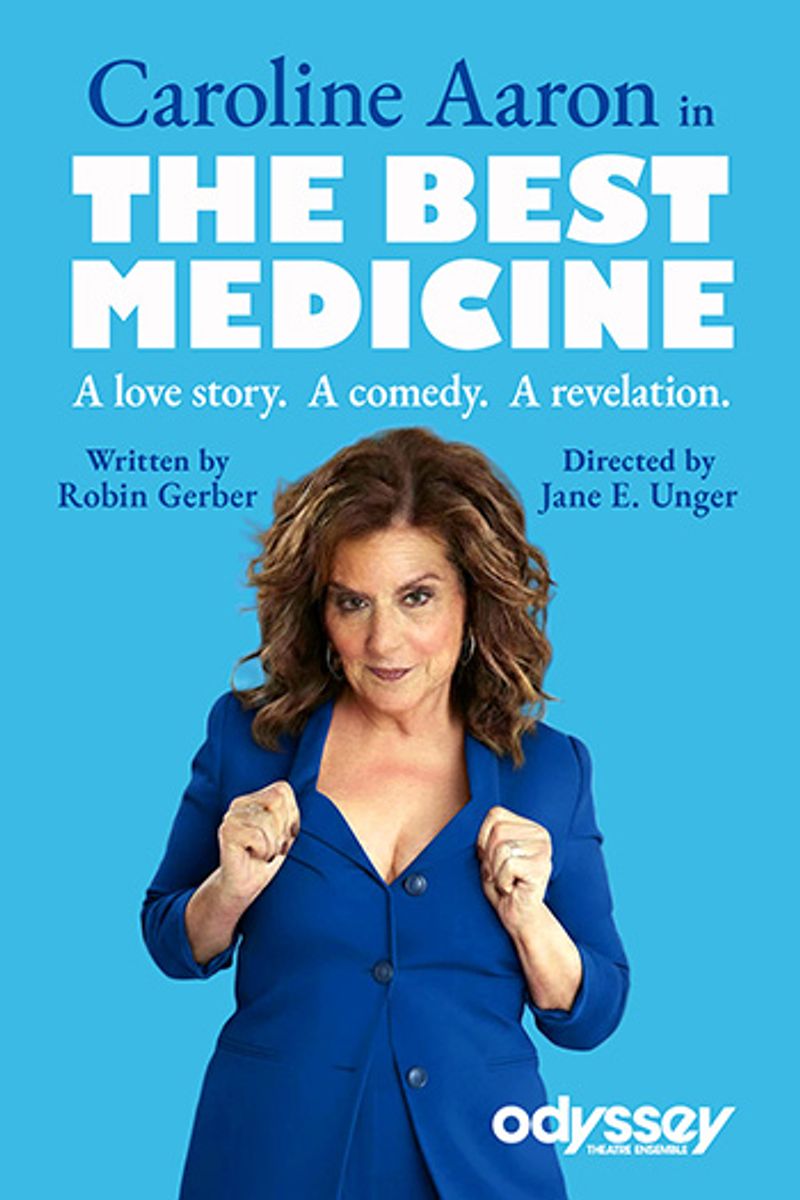
Performances of The Best Medicine take place on Fridays and Saturdays at 8 p.m. and Sundays at 2 p.m. from October 10 through November 15, 2026. Prior to opening, there will be three previews on Wednesday, Oct. 7; Thursday, Oct. 8; and Friday, Oct. 9, each at 8 p.m. Ticket prices range from $15 to $45, with a $3 fee added to each ticket purchased with a credit card.
The Odyssey Theatre is located at 2055 S. Sepulveda Blvd., Los Angeles, CA 90025. For more information and to purchase tickets, call (310) 477-2055 or go to OdysseyTheatre.com.
Prefer BroadwayWorld in Google Search?
Add us as a preferred source so our stories show up more often in Top Stories and Google’s AI answers — for you.


Sign up for all the news on the Fall season, discounts & more...

|
CLUB27 Jaxx Theatre (10/01-10/30) |
|
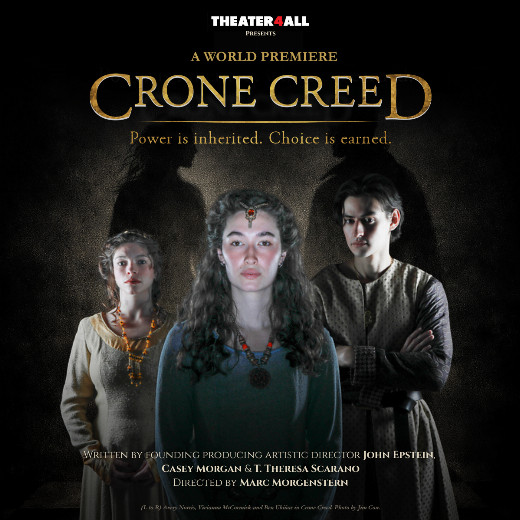
Crone Creed El Portal Theatre (9/30-10/17) |

|
Good Night, Oscar North Coast Repertory (9/16-10/11) |

|
A Killer Night in Studio City Vitello's (9/06-10/31) |
|
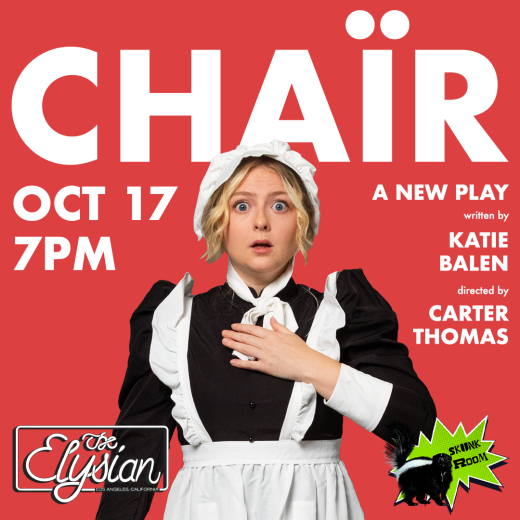
CHAÏR The Elysian Theater (10/17-10/17) |
|
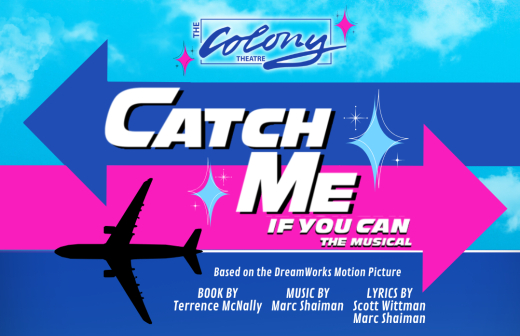
Catch Me If You Can Colony Theatre (9/17-10/18) |

|
Dinner with Friends Santa Monica Playhouse (9/26-9/27) |

|
Gershwin and the Golden Age The Soraya (10/11-10/11) |
|
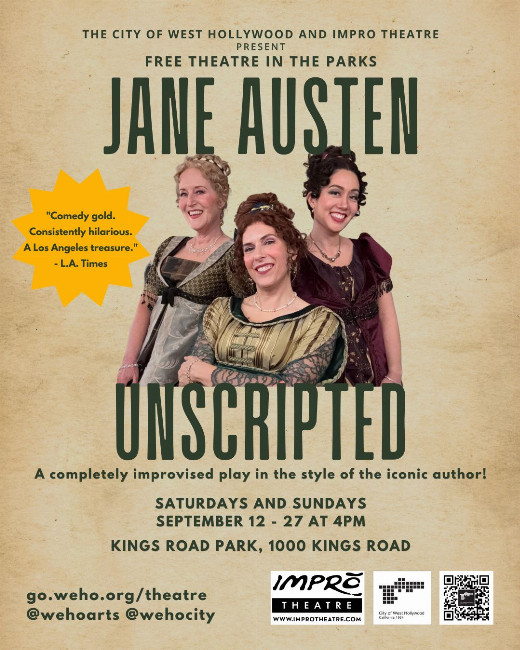
Jane Austen UnScripted Kings Road Park (9/12-9/27) |
|
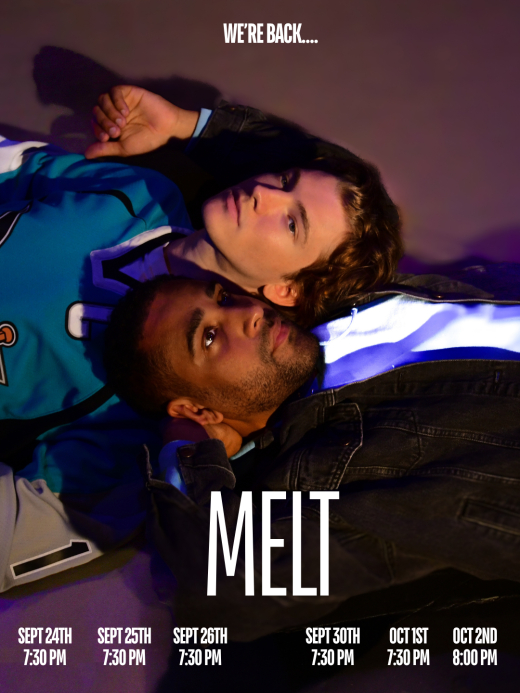
Melt : The Play The Marilyn Theatre at the Lee Strasberg Institute (9/24-10/02) |
