


Interview: Rose Morrigan of AMADEUS at REC ROOM ARTS
The actress who is taking on Mozart!
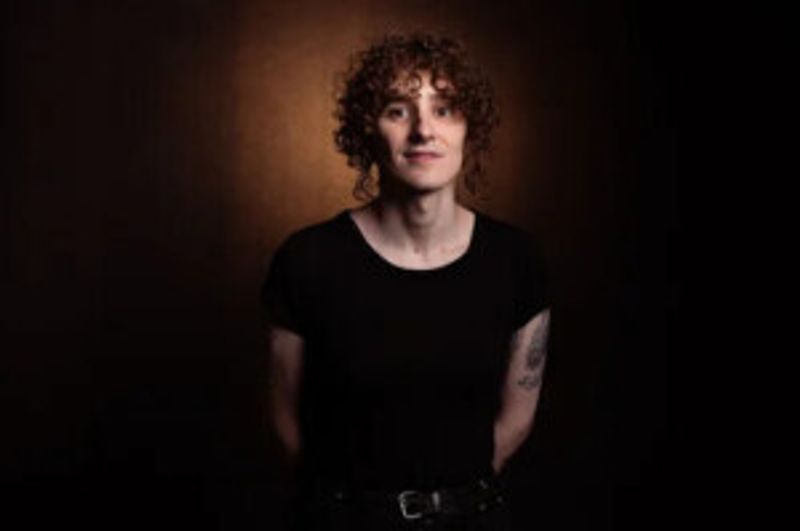
Rose Morrigan, a transgender woman, has had an amazing career in the theater, and it just got a touch more amazing. She is currently starring in AMADEUS, which is running at REC ROOM ARTS through October 10th. Broadway World writer Brett Cullum got a chance to talk to Rose about what this role means to her, and how she approached it.
BRETT CULLUM: What does it mean to you to have a transgender woman playing Wolfgang Amadeus Mozart?
ROSE MORRIGAN: This is a conversation I've actually been having ever since I came out in college and started playing female and male roles on stage as a trans woman. For me, I think it's interesting because a lot of people come in with a lot of expectations of how we should be presenting trans people on stage. However, when I look at theater, it's kind of this magical, transformative space, and the idea of, from something like Hamilton, what does it mean to look at these historical figures, and how does the lens change when we allow different performers to take this on? So I think, really, any time a trans person is on stage playing what is commonly known as a cisgender role, you're kind of just turning the coin and getting to see another facet of this character.
With Mozart, especially, Mozart's kind of this other in the script. A lot of it is about Mozart's genius, but I think a lot of it is about how that genius and that ability to see the world in a different way alienates Mozart from their family, from their loved ones, from everyone that they're trying to connect with in the world. And that's something, as a trans woman, that I can identify with very, very deeply. I constantly feel like I am at odds with people. It's kind of nice because it takes away the mystique of Mozart being this untouchable genius and just gives me the opportunity to see Mozart as someone who just views the world through a different lens. And I kind of think that that's what's magical about being trans in today's world, is the ability to stop and see yourself and see the world around you through a very different lens than most people are.
BRETT CULLUM: How much freedom did you feel that you had to reinvent this role? Because, obviously, you're competing with a pretty iconic performance if we look at some of the previous people.
ROSE MORRIGAN: Yeah, I think, and this is a thing that I've known in many performers, which is, don't look at those people whenever you start the process. I kind of blocked it all out of my mind. The movie is one of my favorites. I think it's a 10 out of 10 film. Obviously, so many iconic performers have done Mozart on stage. But I have complete freedom. What I've really enjoyed about our process is being encouraged to bring our whole selves into these characters, and kind of approach it from that direction. How would I feel in this situation? And then I kind of get to layer the realities of Mozart on top.
I think it is such a fantastic script that all the tools you need as a performer to build your version of the character are already there. There's so much richness in how Mozart talks about their past and talks about how they see the world that I'm never stopping and thinking. The one thing is the laugh. I do have that laugh from the movie seared into my brain, so that was one where I definitely had to go, I'm not doing that. I kind of have to think about it, but I have, I think, found every piece, as well as the laugh, now, in my own way.
BRETT CULLUM: It's a small, intimate, 60-seat theater, and you are right there. Are they changing the way that they're approaching this? Because it's a pretty epic play.
ROSE MORRIGAN: I'd say the first big change is, originally the cast is, I believe, 15 performers, and we're doing it with eight. But, truly, just like approaching the role in my own way, I feel like, since the text is so rich, that I forget that it's a big show. I forget that it's a show that is commonly done with massive set pieces, and lots of non-speaking roles, and all these flurries of movement, because the text does allow for it to be such an intimate experience. I think I'm just so lucky to have such brilliant performers across from me. There's so much being shared in those looks that I think I am glad that I have audience members who are going to be right there, who get to capture every little piece of that, because if this were the grander production that it usually is, I think that so much of what makes our version of Amadeus so special would get lost. Because even the set is very bare bones, very grounded, and I think in that groundedness, we kind of get to let all this magic happen. It's very cool that the audience gets to be invited into it, thanks to being so close and thanks to it being such an intimate space.
BRETT CULLUM: Is there anything that you wanted to throw away from the traditional interpretation?
ROSE MORRIGAN: I think, obviously, the film version of Mozart in Amadeus is kind of burned into my brain, that kind of foppish attitude, and I think that's still there. But I really wanted to take that idea of who Mozart was in a historical expectation way, and take that away, and kind of rediscover for me who is the human being under all of these compositions, and all of these, such a tragic death at such an early age. I think so much of Mozart's life can be blown up. I mean, even the fact, the idea of a 7-year-old traveling around Europe and impressing kings and queens, with these brilliant compositions. But one of my sisters was very wonderful and sent me a collection of letters from Mozart and Mozart's family. Some of the most valuable ones I've found are from Mozart's father during that time, when Mozart was very young. Because while he's also composing for a king or queen, he's chatting up a border guard at a port, charming them, and sitting in people's laps. He was this child who met people and instantly knew how to befriend them, be warm, and be open. So I think I wanted to refine that human element of Mozart and really shine a light on it.
BRETT CULLUM: Is there anything that you want to do with his physicality, or his sexuality? Is there something that you're targeting that's kind of unique?
ROSE MORRIGAN: I think one, uninhibitedness in both of those aspects. I joked to someone recently that if I'm in a show, I'm climbing, clambering, and crawling. I did a lot of that in Miss Holmes and Miss Watson, and I'm doing a lot of that in this show. But with Mozart, I think it's this general idea of freedom. And I think, especially, I hadn't realized how much the text focuses on aspects of Mozart's sexuality. I think Mozart is a very kinky individual in very odd ways in the play, and I think it's just another aspect of how Mozart saw the world differently.
Everything is a game. And so the idea that attraction is a game, or being naughty, whether that is in a sexual nature or just in a social faux pas kind of way. And there's so much fun that comes out of what I get to discover when I'm like, how do I play with this person? Am I winning the game, or am I losing the game? Am I happy that they're playing, or am I mad that they're denying me the chance to play? I think rediscovering that this is very much someone who was a child their whole life, and how rich that made their life, but also how many problems they encountered because they kind of never let go of their child self.
BRETT CULLUM: Tell me a little bit about your identity and your journey. If somebody says, who is Rose Morrigan, how do you answer that one?
ROSE MORRIGAN: Rose Morrigan is an actor who has been doing theater my entire life. I was, at age 6, running up to my parents, going, I just wrote a play, come sit down and watch me do it. I view it as a blessing and a curse when you know exactly what you want to do from a very, very early age, because I know what I want to do to be happy.
I came out as trans in my freshman year of college. And I believe I was one of, if not the first, openly out trans performer at Sam Houston State University when I was going through the program. So I kind of, I don't want to say trailblazer, but I got to, I view myself as a conversation starter. We would do a play where you wouldn't necessarily think this role would be played by a trans woman, and I got to kind of bring it to directors and say, " Hey, I think that there is a lot that can come out of this play if you do cast a trans person." And I kind of have viewed that as my goal ever since.
I think there are massive strides happening, but the theater, kind of all over the country, still pigeonholes trans people. I think that so often people limit themselves by thinking that trans people can only play trans roles. But I would love to see a trans Juliet in Romeo and Juliet. I would love to see a trans man in Death of a Salesman. Because these roles that you think are so archetypal, when a trans person's in that role, you're not betraying a truth, you're just kind of getting to see a new one. And I've found that that's kind of my goal as a performer now: how can I find roles where I get to kind of discover truths that wouldn't get to be discovered unless a trans person was taking on this role?
Also, just being a trans woman in Houston, Texas, I think that I don't get a choice in whether or not I'm an activist. I am kind of constantly fighting for my place in the world, and I just see theater as my avenue to do that. So I think actor and activist kind of have to go hand in hand when you're trying to live your truth as a trans person in the South.
Sign up for all the news on the Fall season, discounts & more...
|
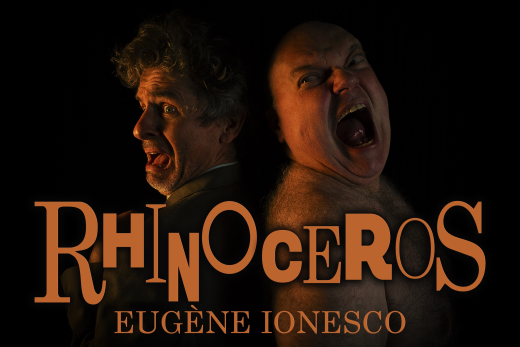
Rhinoceros The Catastrophic Theatre (9/18-10/10) |

|
Serial Killers: The Crucifixion of the Black Man in America Nikki El Films & Theatre (10/17-10/17) |
|
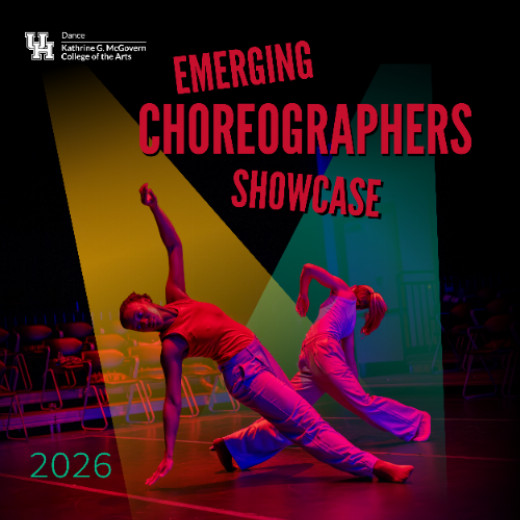
Emerging Choreographers Showcase Lyndall Finley Wortham Theater (12/04-12/05) |
|
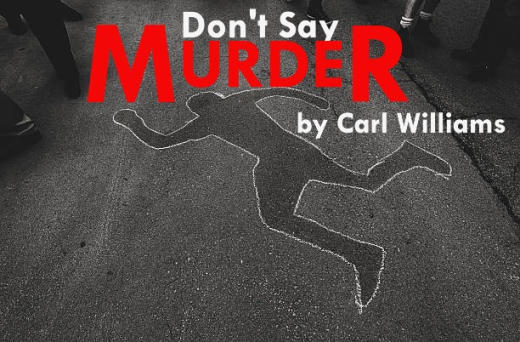
Don't Say Murder by Carl Williams Theatre Suburbia (2/26-3/27) |

|
Hänsel & Gretel Moores Opera House (2/04-2/07) |
|
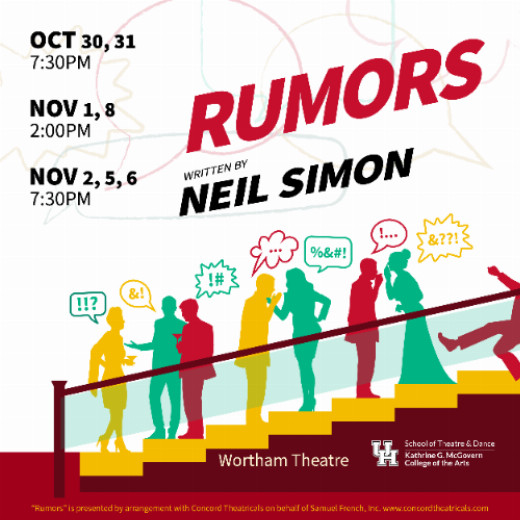
Rumors Lyndall Finley Wortham Theater (10/30-11/08) |
|
Rocky Horror Picture Show House of Blues Houston (10/23-10/23) |

|
Marjorie Prime Alley Theatre (5/07-5/30) |

|
Summer Show: To Be Announced Theatre Suburbia (7/23-8/21) |
|
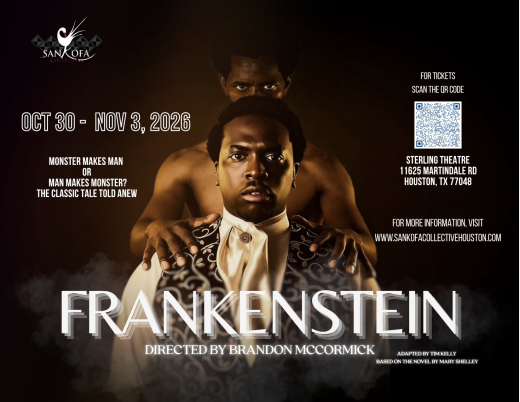
Frankenstein Sterling Theatre (10/30-11/02) |
