


Review: SALLY & TOM at ZACH
In SALLY & TOM, and in Barbour-Payne’s dramaturgy, we are faced with holding the centuries of tension that make up the “yes/and” of our American history.
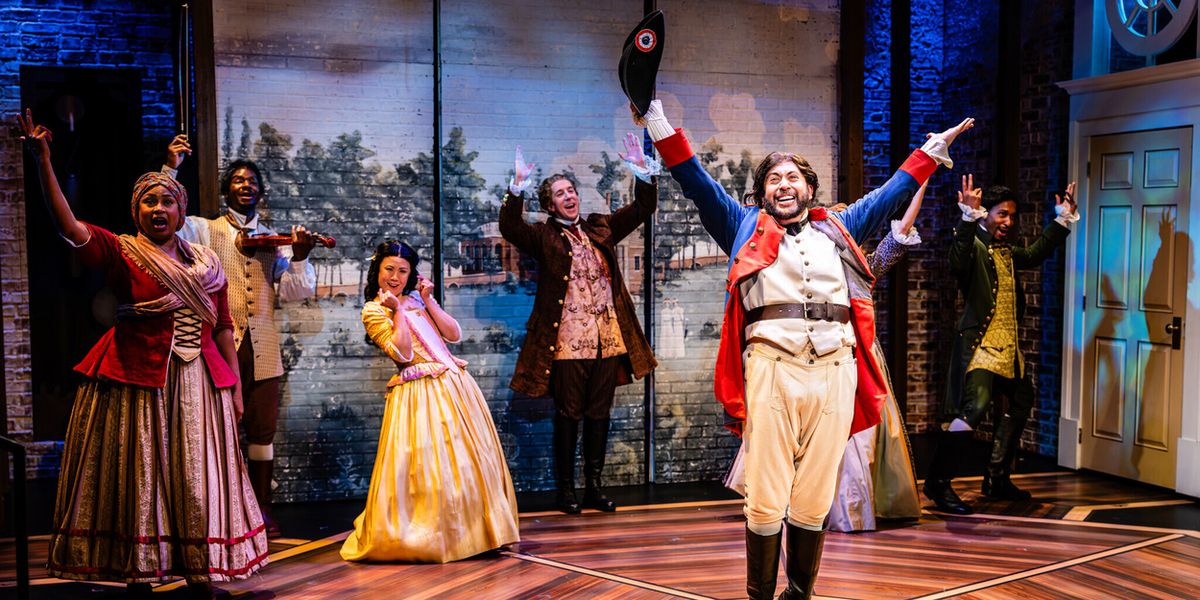
In an interview published in the program for SALLY & TOM, playwright Suzan-Lori Parks describes herself as a “myth-head,” drawn to the places where history, story, and myth overlap. In SALLY & TOM, her subject is one of the most complicated of those places: the relationship between Thomas Jefferson and Sally Hemings, two historical figures whose lives together have been pieced from fragments, silences, and the long shadow of American history. Parks is less interested in filling those silences with certainty than in asking us to sit with them. “It’s not all one truth or another,” she says of the play. “It’s not all black or all white, it’s both, it’s everything, it’s a mixture.” That multiplicity is at the heart of SALLY & TOM, a play-within-a-play that uses a scrappy theatre company wrestling with its own production about Hemings and Jefferson to ask what happens when the story refuses to be simple.
If you were hoping SALLY & TOM is a love story about Thomas Jefferson and his relationship with the enslaved Sally Hemings, that’s not what you’ll find here. SALLY & TOM asks bigger questions. Whose story gets told? And who gets to tell it? What’s that line from HAMILTON? “Who lives, who dies, who tells your story?” In SALLY & TOM, Parks gives this task to Luce, a playwright and actor whose scrappy Off-Off-Broadway theatre company is developing her new play about Sally Hemings and Thomas Jefferson. Luce plays Sally opposite Mike, her longtime romantic partner, as Jefferson. As the company rehearses, rewrites, and argues its way toward opening night, the play moves back and forth between the contemporary theatre company and the historical figures they're portraying, with the two stories unfolding alongside one another. But it’s much more than this. The story of Jefferson and Hemings is complex, as is the relationship between Luce and Mike. The parallels between the two pairs may show us how far we’ve come—and how far we’ve got to go.
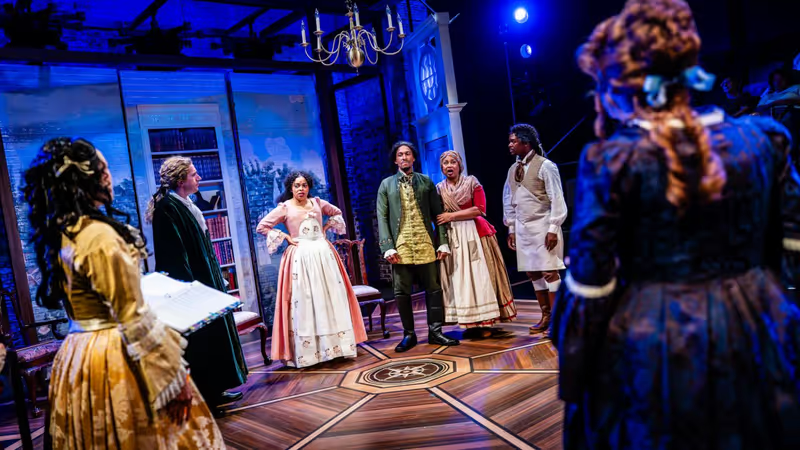

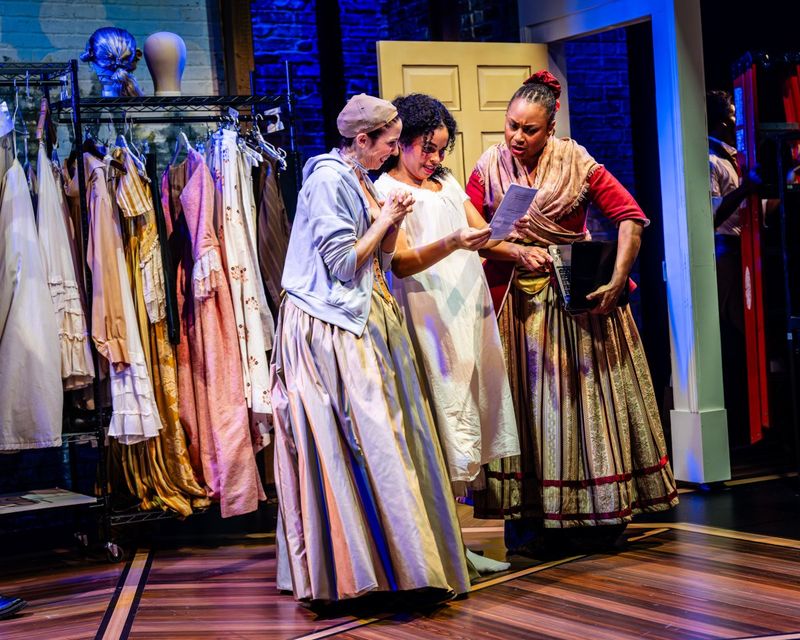 Angelique Archer gives Luce an obsessive streak, driven to get the play on its feet and the story right, while her Sally is much younger and more innocent. The distance between the two women narrows, though, as each confronts a betrayal by the man she loves. Mike has slept with his ex in exchange for the money the company desperately needs; Tom has made choices about Sally and her future that were never his to make. Archer finds the discomfort in both relationships without making the women interchangeable. Her most impassioned moments as Sally come as she insists that her life belongs to her, while Luce must reckon with that same question of agency in her own very different circumstances. Archer plays both with a clear, compelling passion.
Around Luce, there’s the whole scrappy recognizable little ecosystem of theatre people. Mike (Johnathan Flippo), Maggie (Olivia D. Dawson), Kwame (Hollis I Edwards III), Ginger (Amy Downing), Scout (Sharlene Hong White), Geoff (Kevine Pellicone), and Devon (Martavius Parrish). They’re a familiar assortment of passionate, ambitious, cash-strapped theatre people whose personal and artistic lives are hopelessly entangled. In particular, Downing and Pellicone as Ginger and Geoff emerge as two of the company's more vulnerable souls. The two bring an easy, unforced naturalness to both; they’re approachable and especially authentic. Hong White is an overwhelmed Scout. As the greenest of the company, Parrish’s Devon becomes surprisingly mature when he steps into the role of James. Nice touch. Flippo’s Mike/Tom is, perhaps intentionally, the most conventional character onstage—the lone white guy in a play filled with considerably more colorful personalities. Still, he’s tasked with the most capitalistically important “role” in the company. Parks gives the power differential a little twist with Maggie, who has access to money but is never asked for it. Dawson is appealing enough as Maggie, but finds more to work with as Mary in Luce’s play within the play, The Pursuit of Happiness.
This brings us to Edwards as Kwame/James. Kwame and James occupy an especially important place in both worlds of the play. James is given one of its most powerful speeches, and when the financial future of Luce's production becomes tied to whether that speech remains, Kwame finds himself fighting for James's voice as fiercely as James fights for his own. Edwards makes the connection between Kwame and James particularly clear, and his monologue as James is riveting. It takes on a powerful importance that puts several uncomfortable things on the table at once: the hypocrisy of American freedom alongside slavery; the difference between being given freedom and possessing it as a right; who has the power to determine another person's future; and, in Luce's world, who gets edited out when someone else controls the money and therefore the story. That’s what makes this a story about both the personal complexity of Sally and Tom’s relationship, and our relationship to the history of slavery itself.
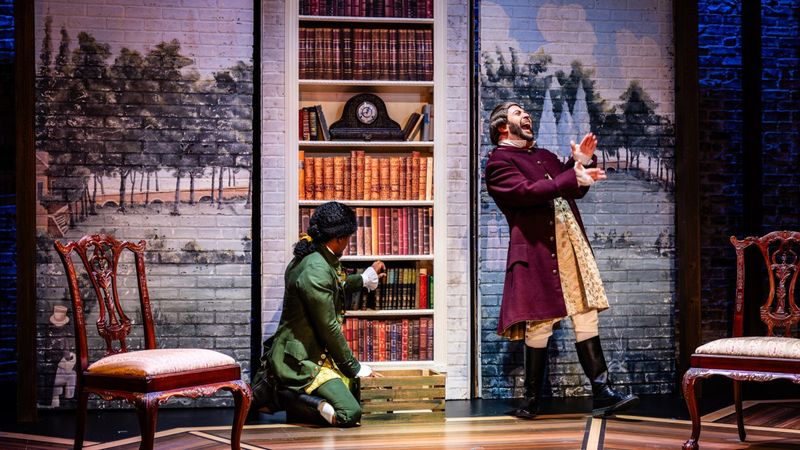
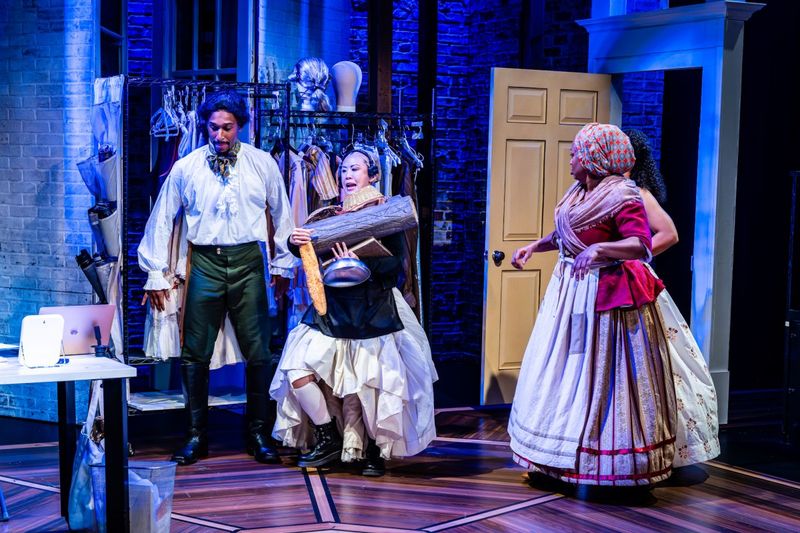
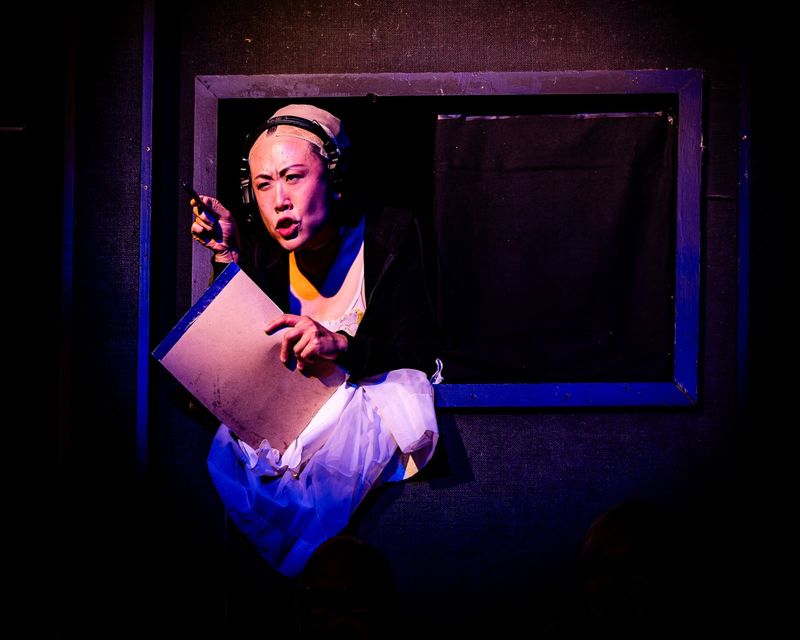
Under Dave Steakley’s direction, the production moves with plenty of energy. In the Good Company scenes, though, everything felt equally urgent on the night I attended, leaving little room for the quieter moments to gather weight. A lighter touch here and there might give the emotional peaks more room to land.
The design is just what this complicated play needs: representational, clean, and spare. It gives Parks’ multiple worlds room to coexist without getting in their way.
SALLY & TOM jumps off the stage and page with the help of dramaturg Yunina Barbour-Payne, whose exhibit about Jefferson’s Monticello adorns the lobby walls. Here is where we are invited to see the complicated whole truth of our very real American history. In SALLY & TOM, and in Barbour-Payne’s dramaturgy, we are faced with holding the centuries of tension that make up the “yes/and” of our American history.
SALLY & TOM
by Susan-Lori Parks
directed by Dave Steakley
ZACH Theatre
July 22 - August 23
ZACH Theatre
Topfer Mainstage
1510 Toomey Road
Austin TX


Sign up for all the news on the Fall season, discounts & more...
|
All My Sons Patti Strickel Harrision Theatre (9/29-10/04) |
|
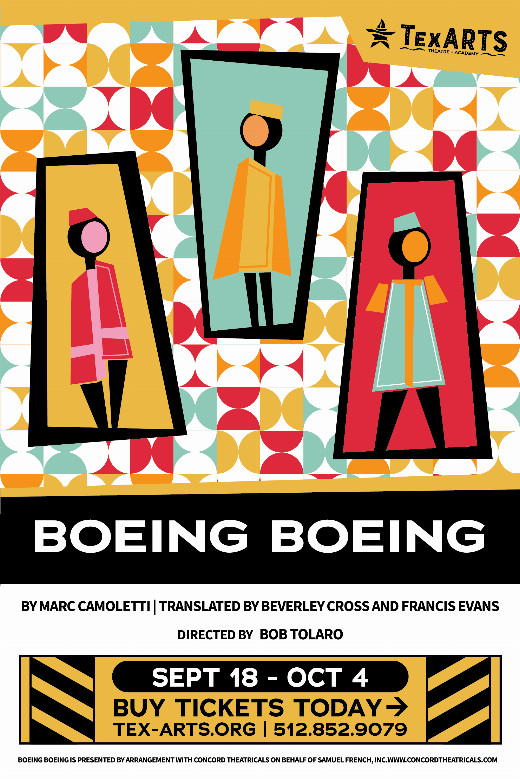
Boeing Boeing TexARTS: Theatre & Academy (9/18-10/04) |
|
The Miraculous Journey of Edward Tulane Oscar G. Brockett Theatre (10/08-10/18) |

|
Every Christmas Story Ever Told (And Then Some!) Penfold Theatre Company (12/04-12/27) |

|
Patricia Vonne’s “My Heart’s Got A Mind of Its Own” official album release show The Continental Club (9/25-9/25) |
|
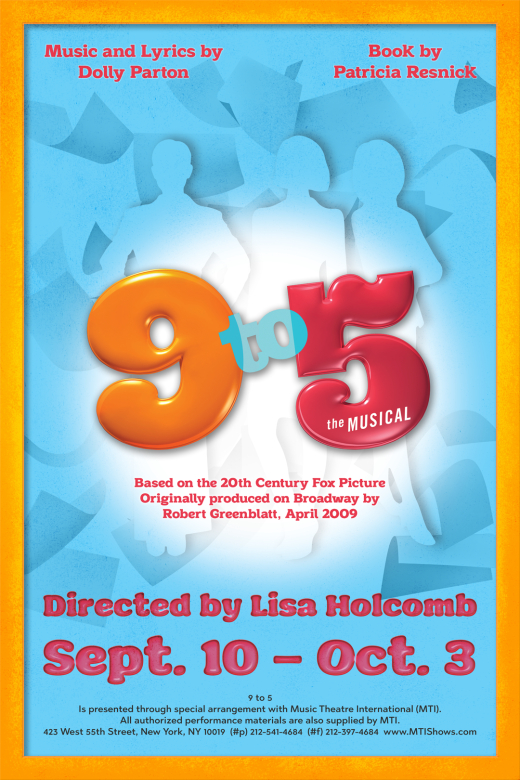
9 to 5 BASTROP OPERA HOUSE (9/10-10/03) |

|
AMADEUS City Theatre at Genesis Creative Collective (10/02-10/18) |

|
Cristian Castro El Paso County Coliseum (11/07-11/07) |
|
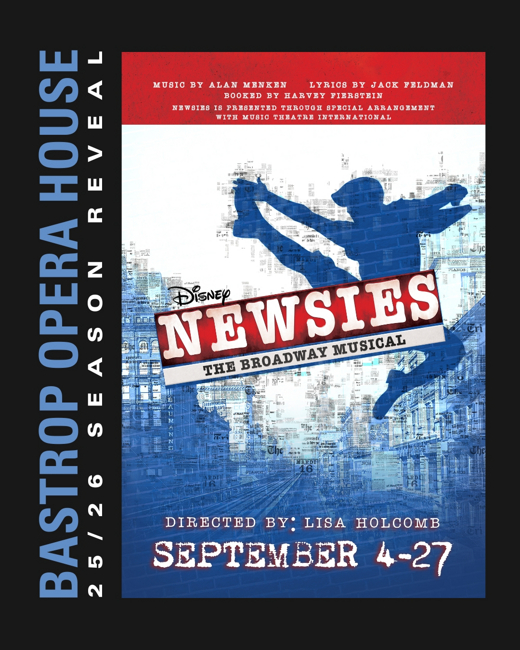
Disney’s Newsies Bastrop Opera House (9/04-9/27) |

|
TUBU Fest: Theatre for Us by Us, A Disability Short Fringe Theatre Festival Ground Floor Theatre (9/24-9/26) |

Reader Reviews
To post a comment, you must register and login.