


Review: STEREOPHONIC at DPAC
A '70s studio session comes to life in this music-driven play, running at DPAC through March 22.
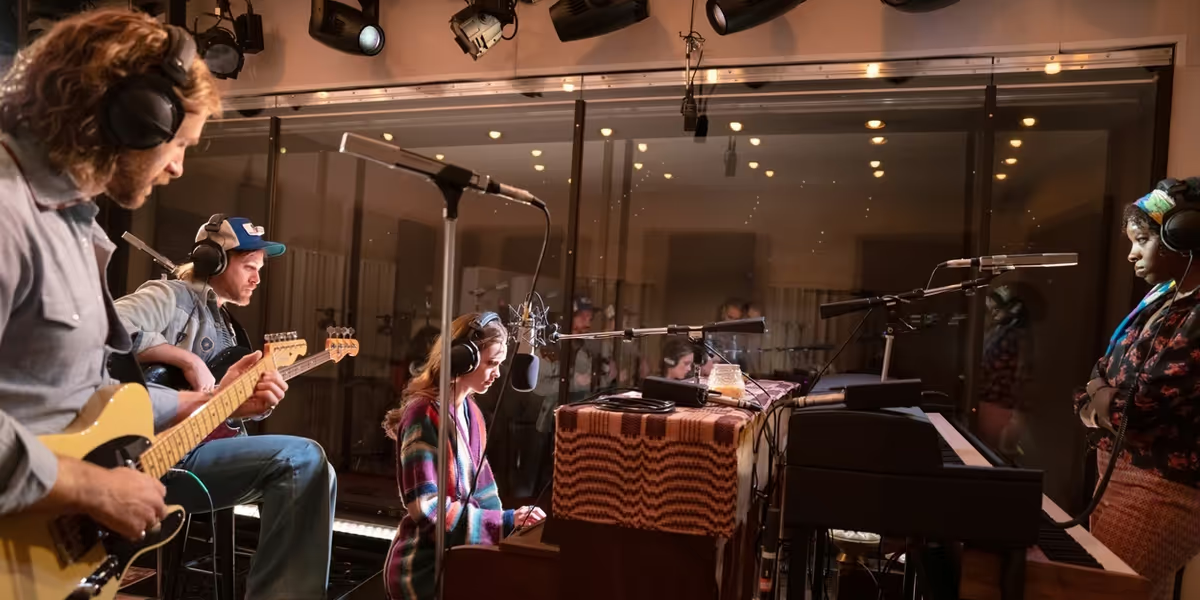
Stereophonic has a lot to live up to as the most Tony-nominated play of all time, with 13 nominations and ultimately 5 wins, including Best Play. It follows a rock band and two sound engineers in 1976 as they record their next album, and the conflicts that arise from creative differences, relationships, and the pressure of making something great.
The design elements support this world beautifully. Lighting by Jiyoun Chang is used effectively to separate the recording booth and studio, guiding focus and subtly shifting tone. David Zinn’s Tony Award-winning scenic design, along with Enver Chakartash’s costumes, fully transport you to the '70s without feeling overly stylized.
While this is not a musical, it is deeply rooted in music. The creation process, what it means, and how it shapes people sit at the core of the show. There is a constant presence of music as we watch the band work through their album in real time. As a fan of indie rock, I found the songs by Will Butler of Arcade Fire genuinely enjoyable, the kind of tracks I would actually listen to. In fact, they've already made their way onto my playlist. While you may not leave the theatre humming them in the way you might with a traditional musical, the music feels like a fully realized character of its own. Watching the actors play their own instruments adds another layer, allowing you to feel the vibration and timbre as the songs come to life.
The standout of the cast for me was Claire DeJean as Diana. Her vocals are incredible. There is an ethereal quality to her voice that just drips in the best way and makes you want to sit in every note. I need her to drop her own indie album as soon as possible. Other highlights include Cornelius McMoyler as Simon and Emilie Kouatchou as keyboardist and vocalist Holly. McMoyler’s portrayal of the British drummer feels like it pulls some inspiration from English actor Matt Berry, which elevates his comedic moments. Kouatchou is a breath of fresh air, bringing another beautiful voice into the mix. I also appreciated the friendship between the two women, which added a welcome layer to the group dynamic.
The performances are all strong, and more importantly, feel very real. That naturalism is what allows the show to function less as a traditional narrative and more as a slice of life. The story is about happens as this record is made. There are no heroes here. No clear protagonist. It truly is a slice of life, and sometimes this is exactly what life looks like. A group of people doing their thing, messy and unresolved.
Part of the show’s rhythm relies on long, Pinter-esque pauses. In a more intimate setting, those silences likely allow the audience to sit in the tension with the characters and feel every unspoken word hanging in the air. In a space of this scale, compared to the smaller houses of its original runs, that tension does not always translate. When you are physically farther from the performers and cannot fully read the subtle shifts in their expressions, some of that nuance gets lost. Those pauses can begin to feel less like charged moments and more like distance. Instead of pulling you in, they occasionally push you out.
The full runtime, including intermission, lands right at three hours. Most theatregoers are used to something closer to two to two and a half, with shorter 80 to 90 minute shows even becoming more common. If you are asking an audience to commit to this length, it needs to feel fully justified. While I did enjoy Stereophonic, the material and structure did not always support that runtime. I had heard that some scenes were trimmed or cut from the Broadway version, but it still feels like there is room to tighten things further.
That said, I did enjoy my time with the show. The music is strong, and there is something genuinely compelling about being a fly on the wall for the creative process and watching it slowly break down alongside the relationships surrounding it. It is also refreshing to see a play draw a crowd in the way musicals typically do.
More than anything, Stereophonic feels like an experience for a very specific audience. If you love music, if you are curious about what it actually feels like to sit in a recording studio, to chase perfection, to argue over a single note, to live inside the messy, fragile process of making an album, this is going to hit. If you want to be transported back to the 1970s and just sit in that world for a while, this does that extremely well. It is the kind of show I kept thinking my parents would love, but really anyone who grew up in that era or has a deep connection to music should not miss out on this unique experience.
Stereophonic runs at DPAC through Sunday, March 22.
Prefer BroadwayWorld in Google Search?
Add us as a preferred source so our stories show up more often in Top Stories and Google’s AI answers — for you.

Sign up for all the news on the Fall season, discounts & more...

|
Powered by

|

|
Ghost Light: Echoes of The Revoluton Garner Performing Arts Center (9/26-9/26) |

|
Beetlejuice JR (Live On Stage!) Kids On Stage (10/16-10/18) |
|
|
MAYBE HAPPY ENDING Steven Tanger Center for the Performing Arts (9/22-9/27) |

|
Charlotte's Web Raleigh Little Theatre (4/09-4/25) |

|
War Bonds Temple Theatre (2/04-2/07) |
|
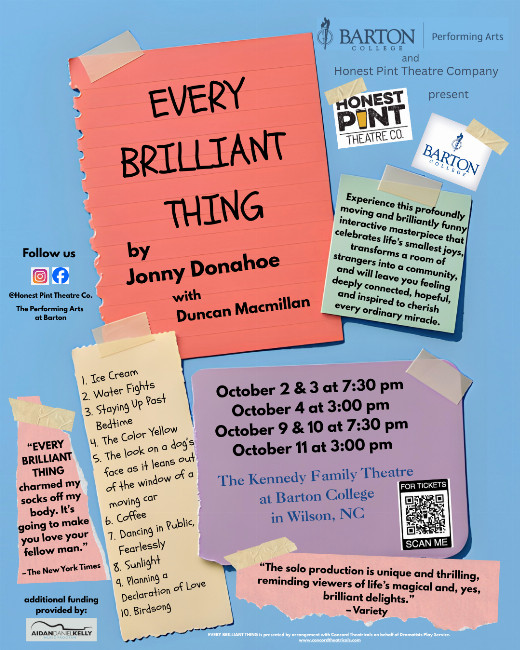
Every Brilliant Thing The Kennedy Family Theatre (10/02-10/11) |

|
August Wilson's Radio Golf Net Friends Theatre at the Durham Arts Council (10/22-10/31) |

|
One Noble Journey Temple Theatre (1/28-1/31) |
|
Inside Out and Backwards (Theatre for the Very Young) Raleigh Little Theatre (1/20-2/07) |

|
Rosencrantz and Guildenstern Are Dead Raleigh Little Theatre (10/23-11/08) |

Reader Reviews
To post a comment, you must register and login.