


Center For Craft Receives $425K To Expand Access To Craft Archives
The two-year initiative aims to digitize collections and make craft histories publicly accessible
The Center for Craft has been awarded a two-year $425,000 grant from the Mellon Foundation to make its forthcoming Center for Craft Community Library and Archives accessible and relevant to new generations who are curious about craft.
In October 2025, the Center announced the landmark acquisition of the American Craft Council (ACC) Library and Archives Collections and began planning a partial renovation of its historic building to accommodate their move to Asheville. These assets—combined with the Center's existing Materials Collection and Craft Research Fund Study Collection—will form the nation's foremost library and archives dedicated to American craft. The Library and Archives is scheduled to open in 2028.
“With this milestone investment from the Mellon Foundation, the Center for Craft will ensure important craft histories are open, living resources for artists, educators, researchers, and anyone interested in how craft shapes daily life,” says Center for Craft Executive Director Stephanie Moore. “It provides enormous momentum for us to involve the community in the ongoing story of craft.”
The collections include books, photographs, organizational archives, artist papers, material samples, video recordings, and oral histories. Together, they document decades of creative work, cultural shifts in how craft is understood, and the knowledge built within communities.
Craft is everywhere—in the objects we use, the traditions we inherit, and the ways we make meaning through materials. But much of its history sits out of reach—uncatalogued and undiscoverable.
By acquiring and building systems to care for and share these archives, the Center will make it possible for more people to research and engage with the collections—and to use that knowledge to inform new ideas across art, design, and other disciplines.
This work moves beyond preserving craft history—it invites people to participate in it. Artists can trace influences. Educators can bring primary sources into the classroom. Communities can see their contributions reflected and recognized.
Sign up for all the news on the Summer season, discounts & more...
|
Ghost Light: Echoes of The Revoluton Garner Performing Arts Center (9/26-9/26) |
|
One Noble Journey Temple Theatre (1/28-1/31) |
|
Little Women Temple Theatre (10/15-11/01) |
|
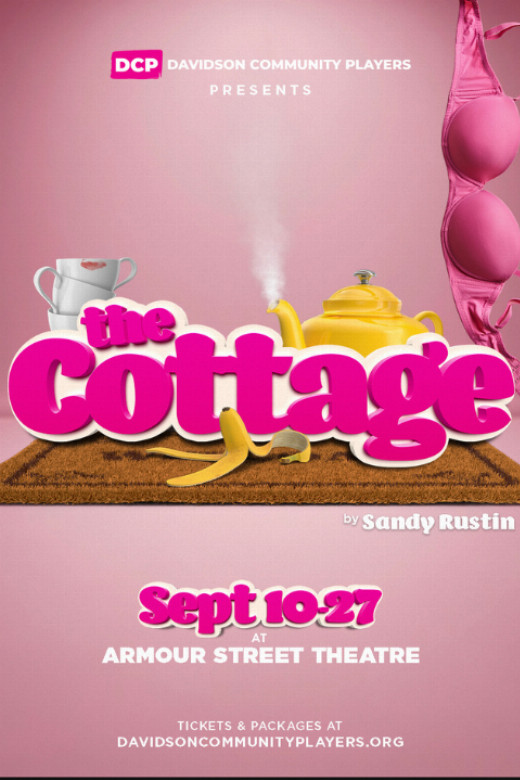
THE COTTAGE - A Comedy by Sandy Rustin Armour Street Theatre (9/10-9/27) |

|
The Bodyguard DPAC (12/08-12/13) |
|
Inside Out and Backwards (Theatre for the Very Young) Raleigh Little Theatre (1/20-2/07) |
|
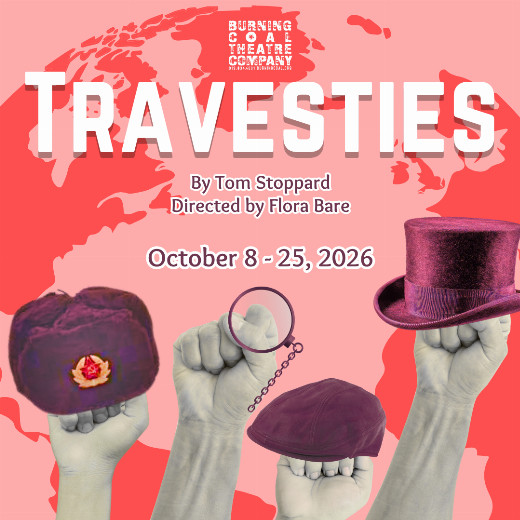
Travesties Burning Coal Theatre (10/08-10/25) |
|
Red, White & Temple Patriotic Revue Temple Theatre (2/25-3/14) |
|
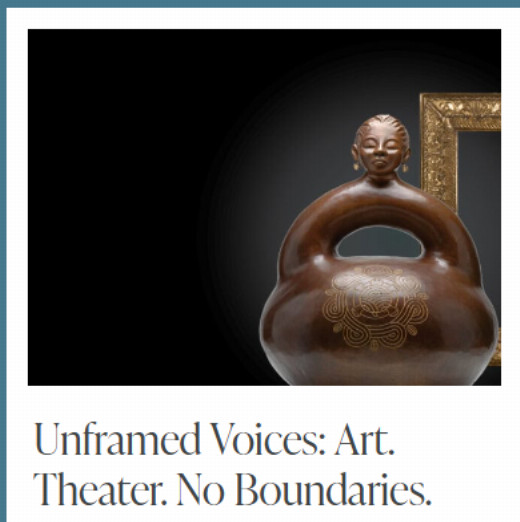
Unframed Voices: Art. Theater. No Boundaries North Carolina Museum of Art (10/09-10/11) |
|
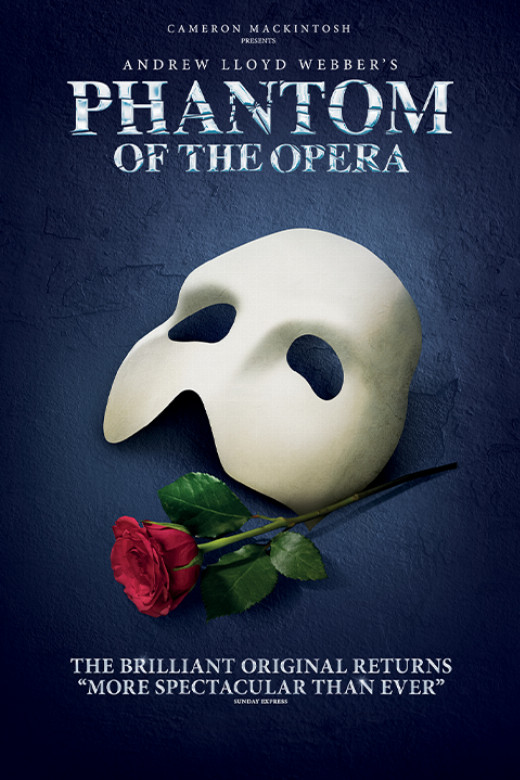
The Phantom of the Opera DPAC (5/26-6/06) |
