


REVIEW: Celebrity, Spectacle, and Betrayal in JESUS CHRIST SUPERSTAR
‘Jesus Christ Superstar’ plays at The Theatre at Solaire until May 31, 2026.
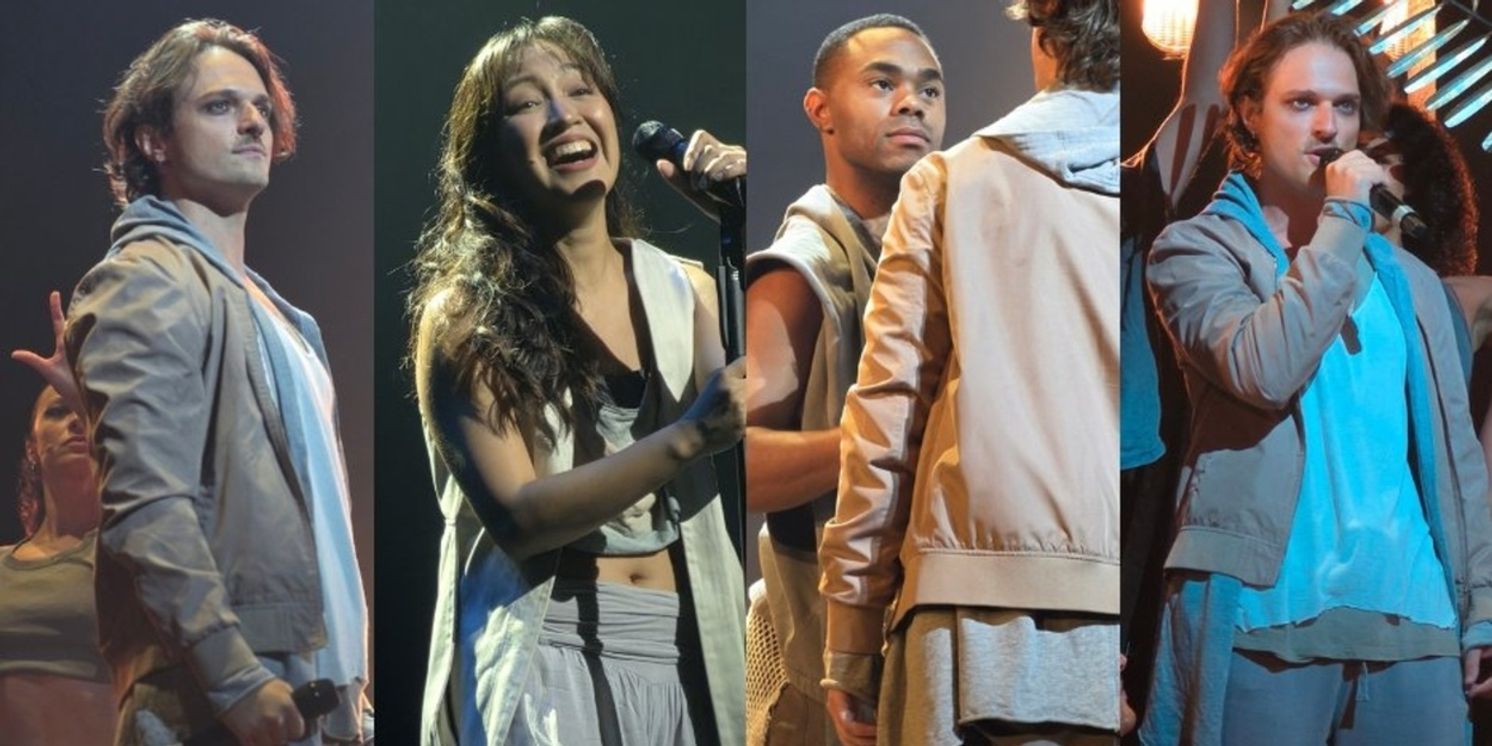
Manila, Philippines--When Andrew Lloyd Webber and Tim Rice premiered “Jesus Christ Superstar” in 1971, it jolted both the Church and the musical theater world. More than 50 years later, the Olivier Award-winning production at The Theatre at Solaire demonstrates the score’s power still sizzles, even as “rock opera” now suggests nostalgia.
As a pivotal destination on its international tour until May 31, this production defiantly rejects tradition. Originating at Regent's Park Open Air Theatre, Timothy Sheader’s approach is raw and contemporary, distilling the story to its throbbing essence.
The original 1970 concept album pulsed with classic rock, but this version adopts a sleek “concert-noir” atmosphere. Its meta-commentary shines: handheld and stand-mounted microphones become new props and symbols of power. Characters wield them as weapons, shields, and objects of worship. By trading biblical grandeur for industrial minimalism, Sheader exposes the music’s unfiltered force.
The show’s pulse comes from Sheader’s direction and Drew McOnie’s choreography. The ensemble moves as one, restless organism. McOnie’s sharp choreography mirrors a society obsessed with idols, spiraling into frenzy. By highlighting the “Superstar” motif, the production critiques the fickleness of fame, showing how adoration turns hostile in an instant. Roman-occupied Judea becomes a chillingly familiar police state.
This approach peels back the layers of Jesus, Judas, and Mary Magdalene, exposing their vulnerability. By reframing Christ’s last days as a modern thriller, Sheader strips away distance, revealing the characters’ wounds. This intensity, sustained from the first guitar riff to the final breath, earned this iteration the 2017 Olivier Award for Best Musical Revival.
.jpg?format=auto&width=1400 "REVIEW: Celebrity, Spectacle, and Betrayal in JESUS CHRIST SUPERSTAR") Joshua Bess plays Jesus, surrounded by company members.
Joshua Bess plays Jesus, surrounded by company members.
The story pivots around the disillusioned gaze of Judas Iscariot. This staging magnifies his tragedy, painting the betrayal as a last, frantic act by a man watching his friend vanish beneath the weight of his own myth.
Lee Curran’s lighting is crucial, using stark contrasts of sterile whites and metallic golds. Early gold lighting evokes a sense of celebrity and a concert atmosphere. Later, gold marks Judas’s blood money, casting corruption over Judea during priestly scenes. Intense white in the "Trial Before Pilate (Including the 39 Lashes)" and “The Crucifixion” strips illusions, revealing vulnerability.
Tom Scutt’s multi-level industrial set lets the ensemble surge and scatter. Steel and scaffolding form a gritty, utilitarian playground. His costumes—hoodies, joggers, streetwise tunics—aim to root the story in youth culture, but their subdued hues lack the promised “Superstar” spark.
Unforeseen offstage events affected the Manila gala performance on May 5. The principal Jesus, Luke Street, was absent for the birth of his second child, a joyful occasion that left a gap. Understudy Joshua Bess, who also covers Pontius Pilate, stepped into the lead. The transition from supporting player to “Superstar” proved challenging.
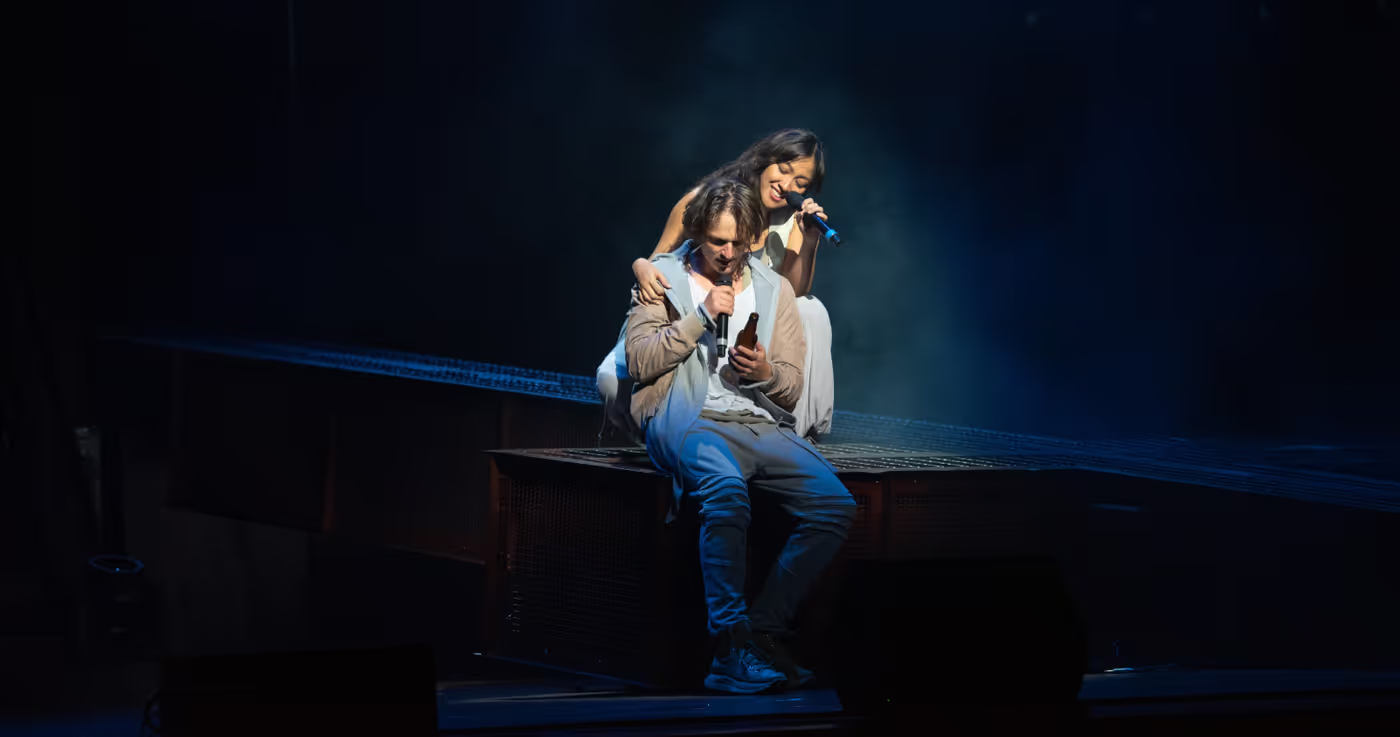 Gab Pangilinan plays Mary Magdalene; Joshua Bess, Jesus.
Bess’s habit of adjusting his hair during the performance broke immersion. “Gethsemane,” the role’s defining challenge, requires spiritual depth and vocal power. Bess did not meet this; his vocals lacked grit, leaving the climax incomplete. Without transcendence, the crucifixion felt more intellectual than emotional.
Bess was at his strongest in the most intense scenes. In the "Trial Before Pilate (Including the 39 Lashes)," he was convincingly vulnerable. By “The Crucifixion,” his nervousness faded, embodying the production’s rawness as the martyr the show required.
The evening’s emotional focus shifted to Jovan King as Judas. King has a powerful voice, but his performance often lacked nuance and dramatic control, with scenes swinging from whisper to shout. Yet in “Judas’s Death,” King found the emotional core, channeling his earlier instability into a portrayal that is both dangerous and tragic.
The production’s Achilles’ heel was the absence of chemistry among its leads. Gab Pangilinan struggled to convey Mary Magdalene’s emotional warmth, making her scenes feel distant rather than moving. "I Don’t Know How to Love Him" should ground the show emotionally, but Pangilinan’s rendition felt rehearsed rather than heartfelt, depriving the number of its usual vulnerability. The lack of conviction between her and Bess made Mary’s devotion feel unearned, diluting the intimacy and emotional weight needed for betrayal to resonate.
 Gab Pangilinan plays Mary Magdelene.
Ethan Hardy Benson’s Pilate began unevenly, with a “Pilate’s Dream” that missed menace. But as the trial continued, Benson transformed, channeling inner conflict. By the "Trial Before Pilate (Including the 39 Lashes),” he commanded the stage, delivering one of the night’s best moments.
While the leads wavered, the high priests stole the show. Grant Hodges gave Caiaphas a weighty pragmatism that hardened into ruthlessness. Kodiak Thompson’s Annas spiraled into paranoia and complicity. Their dynamic outshone the trio, energizing the political urgency the show needs.
Erich W. Schleck electrified the second act as King Herod, subverting the show’s mood. During “King Herod’s Song,” he abandoned comedy for a sinister edge. Schleck’s flamboyance crackled with menace, turning the cameo into a chilling reminder that power feeds on spectacle and cruelty.
The apostles, too, showed unevenness. Will Silver’s Simon Zealotes, meant to spark rebellion, failed to ignite. In “Simon Zealotes/Poor Jerusalem,” Simon must set the pace, but Silver faltered with the score and missed the soaring notes.
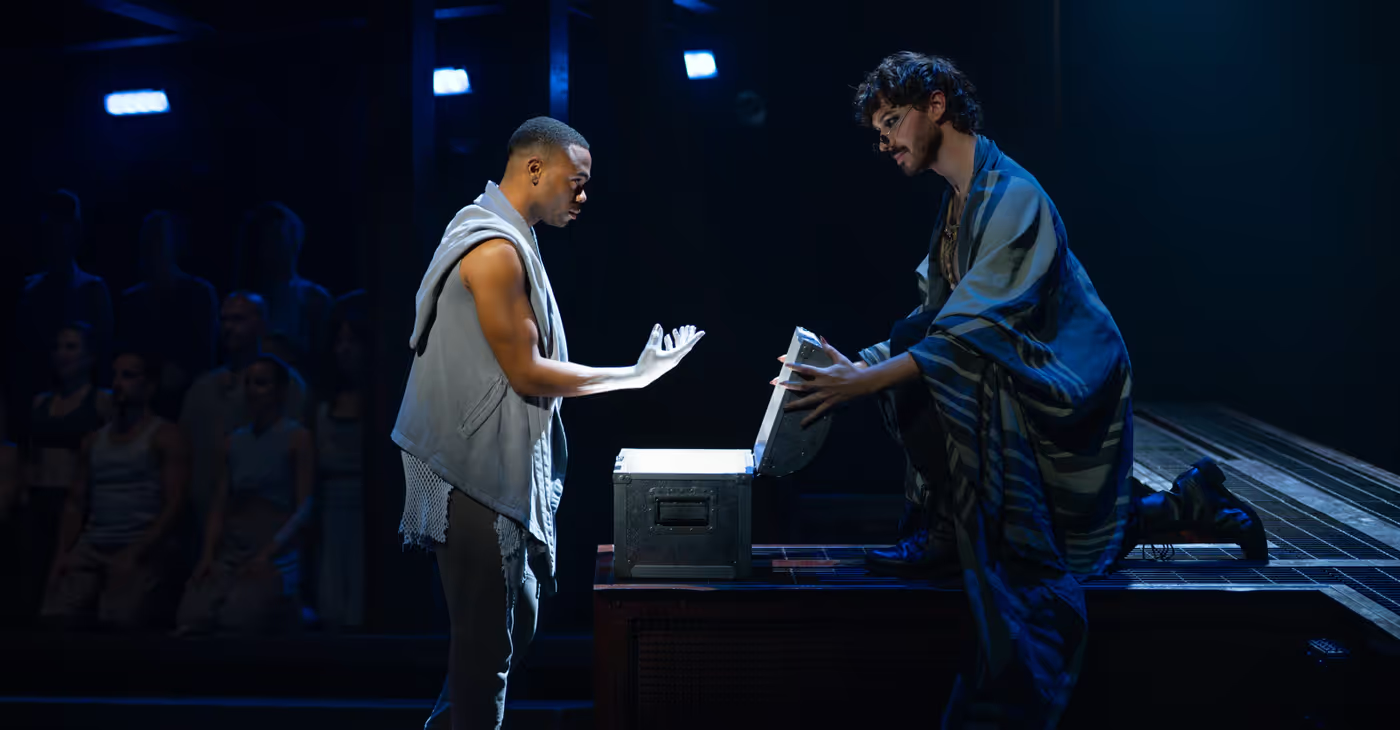 Javon King plays Judas; Grant Hodges, Caiaphas.
Thomas McFerran delivered one of the night’s most authentic performances as Peter. In “Peter’s Denial,” as McFerran shifted from bravado to self-preservation with precision, the audience could feel Peter’s growing desperation and shame. His subtle expressions and body language made the apostles’ fear and guilt palpable amid the production’s relentless drive.
Sheader’s inventive direction and McOnie’s choreography dazzled, but the Manila gala showed that bold staging can’t mask uneven leads. The second act roared with trademark intensity, yet the night left a lingering question: what heights might the principal “Superstar” have reached?
Photos: Oliver Oliveros, Rem Delos Reyes, & Vitt Salvador

Videos