


Interview: Taylor Mac And Matt Ray talk SONGS FROM BARK OF MILLIONS
Musical will be at the Emerson Paramount Center October 15 - 18
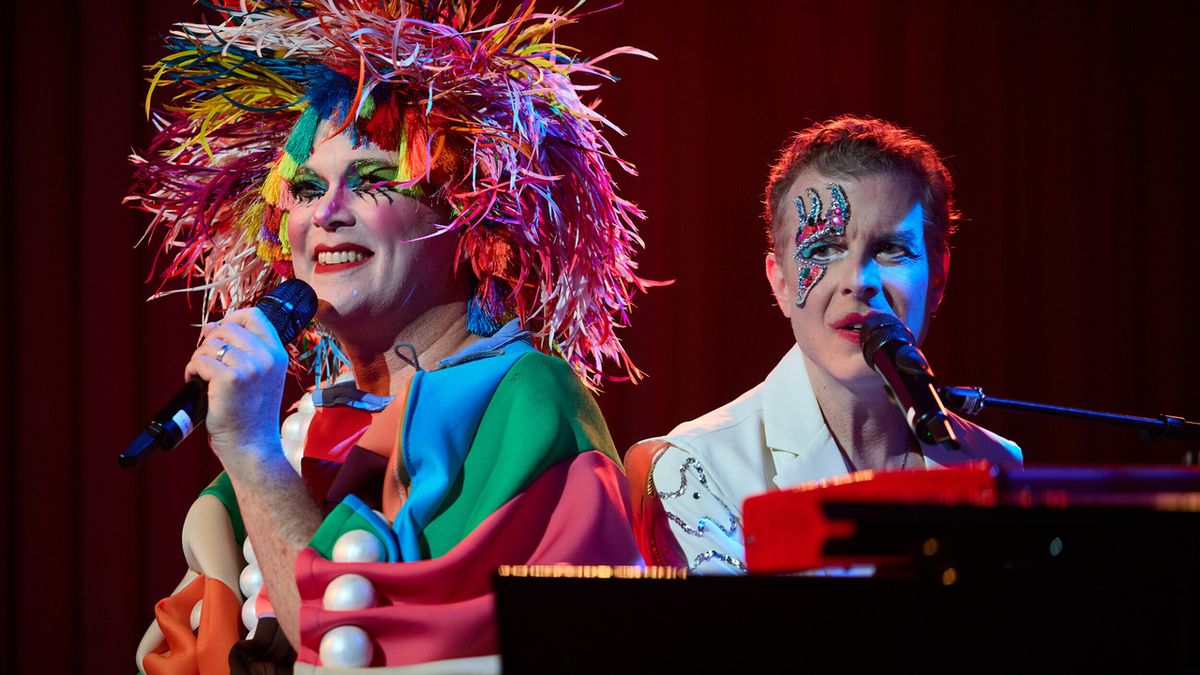
In contemporary American performance, one of the more celebrated creative pairings are theater artists and makers Taylor Mac and Matt Ray, who will launch ArtsEmerson’s 2026/27 season with “Taylor Mac and Matt Ray: Songs from Bark of Millions” – a reflection on queer lineage, community, and futures told through a collection of new music – presented in association with The Huntington, at the Emerson Paramount Center’s Robert J. Orchard Stage October 15–18.
The show’s creators are MacArthur “genius grant” winner Taylor Mac – a performer, writer, director, and Pulitzer Prize and Tony Award nominee for the 2019 Broadway play “Gary: A Sequel to Titus Andronicus” – and Obie Award-winning composer, musician, singer, and cabaret artist Matt Ray.
A gathering of 17 international performers will join forces in Boston for a celebration involving a live music and drag spectacle in this concert version of “Bark of Millions” comprised of 57 original songs, one for each year since Stonewall, by Mac and Ray. This document of queer lives follows their celebrated “A 24-Decade History of Popular Music,” the subject of an HBO original documentary.
Co-directed by Mac, Niegel Smith, and Faye Driscoll and produced by Pomegranate Arts, who commissioned the piece along with the Brooklyn Academy of Music, “Bark of Millions” had its world premiere at the Sydney Opera House in 2023 and its U.S. premiere at BAM the following year.
The larger work features new music inspired by queer figures past and present, brought together in performance, history, and radical imagination in a celebration of queerness across the ages that has been described as a genre-defying concert experience, a theatrical event, and a celebration.
Mac, at home in the Berkshires, and Ray, at his music studio in Brooklyn, N.Y., took time for a joint Zoom call recently to discuss “Taylor Mac and Matt Ray: Songs from Bark of Millions” and more.
What inspired you to write this show?
Taylor Mac: The whole songbook, the whole show, everything was inspired by World Pride in 2019 in New York City, and what it was like to be at the event. There was an activist march and a anti-capitalist march, so there were two pride parades. Seeing all these different queers, we decided it would be fun to create, or recreate, a similar kind of experience of what a queer pride parade could be like be in songbook form.
Where did the name of the show come from?
TM: We call it “Bark of Millions” because Ra, an Egyptian god, was worshipped by millions of people at one point as a genderqueer god, both male and female together. The myth is that they bring the sun to us every day. At night, they do battle with chaos, as represented by a snake, and then in the morning, they bring the sun victorious again. It’s very much like queer people – no matter how much we’re oppressed, how much we’re erased, we will be born again. You can’t root us out.
So that’s where the big metaphor comes from, and why it’s delightful to learn about just any queen down the street, but then also the famous queens that millions of people have known about.
Did you each have your own idea of what “Bark of Millions” should be when you started to develop it? Or was it a collaboration from the very beginning?
TM: It’s a complicated answer, really, as far as I’m concerned, in that we created an earlier show – which marks its 10th anniversary this month – called “The 24-Decade History of Popular Music.” In that show, we sang 240 songs from the American canon, most of them geared towards a straight or cis audience. We made them queer by performing them, but their intention was to reach a mass audience. Most of the songwriters were intending to reach straight listeners, even if some of them were queer people.
In the process of performing those songs, I thought, “Wow, we’ve all grown up without queer songs in our lives.” Listening to the radio, singing them in school, around the campfire, in church, and everywhere, all these songs that we were raised singing asked us to be different from who we are. It felt like there were centuries of omission and erasure, musically, and I think music is part of the way we function as human beings, and the universe is always singing. It’s our job to harmonize with the universe, and if you don’t have queerness in music, then there’s something that’s lacking, and harm is being done to all of us, not just queer people. So it felt like this whole project sprung out of that.
Matt Ray: For me, it was a collaboration from the beginning although I don’t always call it that. I find out more about Taylor’s thought processes after they happen. But we had a parallel experience. I don’t know that we talked about it when we were doing “The 24-Decade History of Popular Music” but I was definitely having the experience of thinking that there’s so much music and none of it, or almost none of it anyway, is related to queerness or queer people. For me, from the beginning it was about understanding the project and why Taylor wanted to do it.
It was also about just getting lyrics sent to my email inbox and being excited to write songs, like one titled “Marsha P. Johnson,” about the LGBTQ and transgender rights activist, sex worker, and performer, or another titled “Bayard Rustin” about the civil rights leader and gay activist who organized the 1963 March on Washington. It was later, as we wrote more songs, that it dawned on me that there was no such thing as a queer songbook. Of course, there were many songs written by queer people, some closeted and some not, and there was code switching in terms of what gender they were singing about, but there was a gap where I would have liked to have found queer songs that I could sing about these people.
Who else was involved in this project and what was that like?
(1).jpg?format=auto&width=800) TM: This started off as a certain kind of performance art theater that we both lean toward. And theater is the most collaborative art form there is. As a wise queen once said, “If you don’t want your vision to change, then you shouldn’t work in the theater.”
TM: This started off as a certain kind of performance art theater that we both lean toward. And theater is the most collaborative art form there is. As a wise queen once said, “If you don’t want your vision to change, then you shouldn’t work in the theater.”
This started as a collaboration between Matt and me, and then also with Niegel Smith, one of our co-directors, and our brilliant Costume Designer Machine Dazzle, performers we’ve worked with for years, and our producers, Pomegranate Arts. There was so much queerness in the room, as there had been when we made “A 24-year Decade of Popular Music” and “The Lily’s Revenge,” that it felt great.
When the two of you collaborate, do you work together or separately?
MR: We work separately a fair amount and then we work together a fair amount, too. I mean, a lot of times our writing process follows a formula that we know works well for us, but the making of the art is extremely collaborative. I get lyrics and ruminate on what they mean and the rhythm and poetry of them. Then I send the music back to Taylor, and we go back and forth about what style it should be in, or who might sing it in our show.
It helps me to be a better artist to understand what the intent is behind the art and part of that is being able to talk to each other and say, “If we did this, what would that be like?” and have that joy of it. There are people who feel like you’re trying to change them, but that never happens with Taylor. When we collaborate, it doesn’t feel like work, it feels like love and joy, and artistic expression.
Have you always gotten along?
TM: I don’t know about always, but I certainly was charmed by Matt the first day that he came and did musical direction on “The Lily’s Revenge.” Matt was highly recommended by our friend Rachelle Garniez, who was writing the music for that show. Once I got to know Matt, I could tell he was someone who knows what he’s doing, and he’s charming. And by the end of that production, I felt like we were family, and then we started writing together. Working with Matt just feels natural.
Tell me about some of the historic queer figures celebrated in this show and what you observed as you went about choosing them?
TM: For centuries, there haven’t been songs about Tu’er Shen, the Taoist god. If you’re a queer Taoist and you want a lover, you pray to Tu’er Shen, who is a rabbit god. There are at least five million songs about Jesus – why aren’t there five million songs about Tu’er Shen? There is a lack there and that’s why we feel so unmoored in this world – this world that is inherently queer, you know. As I always say, straight is a manmade abstraction.
There is nothing straight in nature and when you apply the geometry, the language that has been applied to sexuality and gender, and you try to squish it into a straight line, a human abstraction, you realize that it’s made up. The world is wobbly, curved, and queer. Indeed, queerness is natural. It is the default. And we need queer songs to remind us of that.
MR: The people that we wrote songs about existed. They were there, they were queer, they were out in whatever ways they were able to be safely. Their queerness was often seen and acknowledged in more subtle ways than we’re used to. Like with blues singers, it was often expressed through double entendres that were obvious to other queers.
We also wrote a song about Oscar Wilde, who was there and present and a huge part of the culture. What we need, however, is more visibility for our ancestors, our transcestors, the people that came before. And this is not about writing about them as much as it is about connecting all of us to the fact that our queerness has always existed, from the beginning of humankind, and it will continue to exist as long as we continue unearthing and exploring, so that we can feel more connected to those folks rather than minimizing their contributions.
Is there a point you want to make with this show?
TM: I think the important thing about the show and the songbook is that we aren’t trying to represent anybody. We are trying to consider people. We were trying to consider circumstances, love lives, and lives, and things that various queer people have said about queer spirituality and queerness as a default. All these songs are really a giant meditation on queerness. And the other thing is that the list is always growing, so we weren’t trying to weigh whether this queer is more important than this queer so we better write a song about them. It was more, this person has come to us at this moment, and we’re feeling like that conversation is something that we want to have right now.
MR: My dream is that as you witness our family on stage, you feel yourself leaning in towards us and joining our world of beauty, hope, remembrance, sharing, darkness, light, and action. As we sing out our history, it is not just a calling back but an urging forward together.
What’s it like writing a show with a 57-song score?
 MR: First, it would never occur to me that I should sit down and write 57 songs. That’s something that comes out of Taylor’s brain, but once you’re doing it, you don’t think about the size of what you’re doing, you just think about the doing of it. I’ve known my whole life that I have to be busy – not because I’m running from something, but because I want to make things. Wanting to make things is my spirituality, and we have another collaborator, Machine Dazzle, who is very similar. We talk about that a lot. We just want to be making stuff, even if we never let it out into the world. The making is so thrilling.
Are you still making changes to this show?
TM: Yes, we just wrote a new song called “Area Scatter,” which is the name of a transgender musician from Nigeria who we didn’t know anything about. We have a Nigerian performer in our show and he didn’t know anything about her either, but the general manager of Pomegranate Arts found out about her and told us. So changes can come from different places. Sometimes it’s audience members who will say, “Oh, do you know about this person?” And then that inspires another song.
I understand this show now has a companion book. Tell me about that?
TM: Late last month, Black Dog & Leventhal Publishers released “Bark of Millions: Queer Songs for the Living Library of the Deviant Theme,” a fully illustrated hardcover book by Matt and me. It brings the world of “Bark of Millions” to the page through “Musings on Muses,” with lyrics and essays exploring the figures and ideas behind the work, and “Gathering the Grooves,” featuring lead sheets for our original songs. We see the book – which we will be signing after the shows in Boston – as a living collection of queer music beyond the stage, one that invites readers and musicians alike into the project’s celebration of queer history, creativity, and joy.
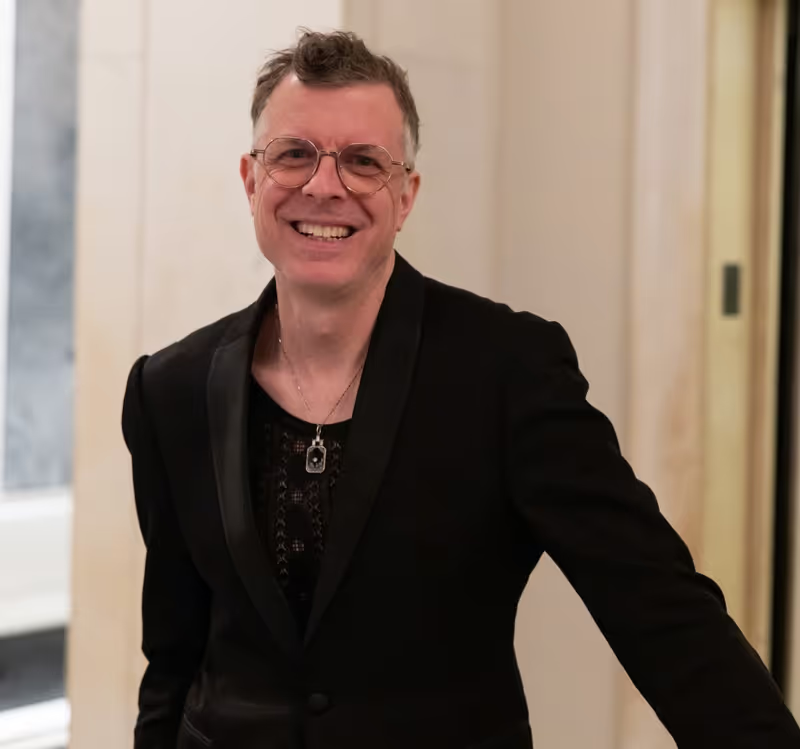
Photo captions: Above, Taylor Mac, left, and Matt Ray in performance. Photo by Ian Wallman. At top left, photo of Mac by Zack DeZon, bottom left photo of Ray by David Andrako.
Sign up for all the news on the Fall season, discounts & more...
|
Bat Boy: The Musical Umbrella Arts (9/25-11/08) |
|
Covenant SpeakEasy Stage Company (9/25-10/17) |
|
|
The Sound of Music Boch Center Wang Theatre (11/17-11/22) |

|
An evening with LaChanze Berklee Performance Center (11/01-11/01) |
|
BOUNCERS by John Godber Modern Theatre At Suffolk University (10/01-10/24) |
|
Cheyenne Jackson Shalin Liu Performance Center (10/18-10/18) |
|
Rocky Horror Show The Company Theatre (10/02-10/18) |
|
Beetlejuice Jr. The Company Theater (11/06-11/08) |
|
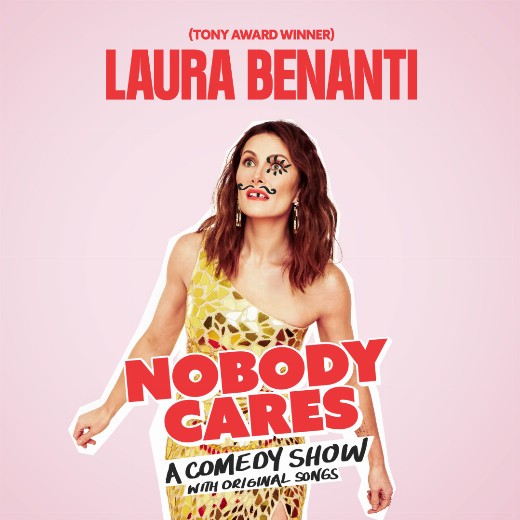
Laura Benanti: Nobody Cares Boston Center for the Arts (10/22-10/25) |
|
Unorthodox Huntington Theatre (5/06-6/06) |
