


Interview: Douglas Lyons of DON'T TOUCH MY HAIR at Unicorn Theatre
Smiles, Imagination, and Power in World Premiere Production
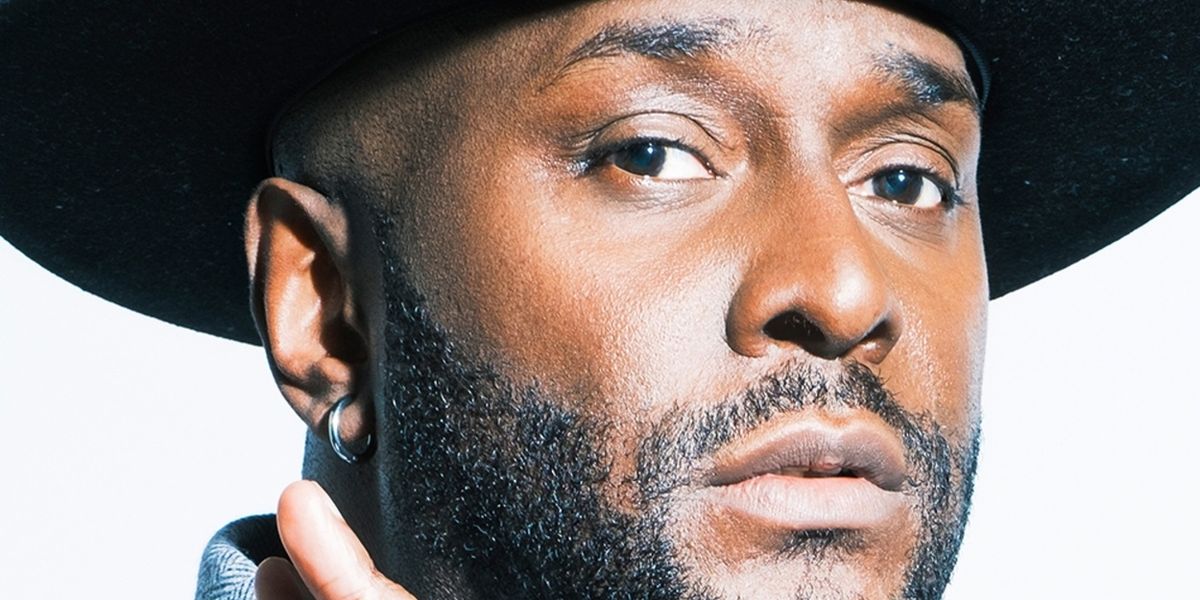
Moments before the world premiere of “Don’t Touch My Hair” at the Unicorn Theatre, playwright Douglas Lyons sits relaxed, thoughtful and unmistakably energized. The new play, opening May 8, 2026, marks the latest chapter in what he calls the “Deep Breath Trilogy,” a body of work dedicated to centering Black women not only in struggle, but in joy.
Lyons, an award-winning actor, composer, lyricist and playwright, first entered the theatrical spotlight as a performer. But over the past several years, his voice as a writer has gained increasing recognition, beginning with “Chicken and Biscuits” on Broadway in 2021, followed by “Table 17” off-Broadway in 2024. Now, with “Don’t Touch My Hair,” he arrives in Kansas City with a play that expands his theatrical language into something more surreal, comedic and daring.
If there is a single thread tying these works together, it is simple and profound: Each play centers a moment where a Black woman pauses and takes a deep breath — a gesture Lyons views as quietly revolutionary.
Q: It’s a pleasure to meet you. Have you visited Kansas City before?
Lyons: Thank you — same here. I’ve passed through, but this is my first time really getting to experience it. I’m excited to be here. It’s been great so far.
Q: Many Kansas Citians may not be familiar with your work yet. Can you give us an elevator summary of your first two plays?
Lyons: Chicken and Biscuits is a family comedy of two rival sisters who are burying their father. They hate each other. The entire family gathers, and everything comes out — the love, the conflict, the secrets, all the mess that ensues when families come together.
Table 17 is about two exes who dated for five years, were engaged, broke it off and haven’t spoken in two years. Now they’re meeting again — and we dare not call it a date. It’s about relationship drama, the fallout, the healing, the possibilities — the will-they-won’t-they.
Q: What is the idea behind “Don’t Touch My Hair”?
Lyons: It starts with something very real. Eemani has a problematic interaction on a job interview and wants to decompress — and that decompression is a joint.
As these two friends talk, a lot comes up about power dynamics in America and the placement of Black women in America. Then things shift. The weed they’re smoking is laced with something they don’t know, and they’re sent on a psychedelic journey back to the antebellum South where they have superpowers.
It becomes a racism comedy, if you will.
Q: Do audiences need to know the first two plays to enjoy this one?
Lyons: No, no, no, no, no. You don’t. Each play stands on its own. There are people who’ve seen all three now, which is really cool, but it’s not required.
Q: All of your plays are comedies. Why is humor so central to your work?
Lyons: That’s my voice. I prefer to make people laugh. Even when something is serious, I’ll find a way to chuckle.
I grew up that way. My mother is a minister and very funny in her nature, so humor became my language.
Q: You’ve described playwriting as a “sword.” Can you explain that?
Lyons: There’s a line in Ragtime about the power of the pen. That resonates with me. Writing is an opportunity to tackle things people don’t want to talk about and give them voice and purpose on the page.
Q: And levity itself can be protest?
Lyons: Exactly. You can sit around and argue about things all day, but laughter breaks people open.
When different audiences are laughing together — different ages, backgrounds — that’s the power of theater. Levity breaks people open so they can listen.
Q: When you wrote “Chicken and Biscuits,” did you envision a trilogy?
Lyons: Not at all. I didn’t think I could write plays. It was an experiment at first.
I saw how writers were making a living and thought, let me try this. That first piece took off, and from there I started to see a bigger connection forming.
Q: What connects all three plays?
Lyons: Each one builds toward that moment where a Black woman takes a deep breath. That pause, that center — that’s everything.
Q: What conversations do you hope audiences take away?
Lyons: When you see a Black woman, maybe these plays give you a little more awareness about what she might be going through.
And it’s also about putting Black women center stage.
Q: Has the trilogy reached its ending?
Lyons: Honestly, I don’t think it has. What started as a trilogy may become something larger — more of a cycle.
Q: What stories about Black women does theater still struggle to tell?
Lyons: Theater tends to present Black women in a certain light and isn’t always ready to show them as they want to be seen.
There are many important stories, but there’s a need for more work where Black women are celebrated — not just surviving, but fully living — and still considered great theater.
That gap felt like an opportunity.
Q: How did you develop your approach to writing craft?
Lyons: I’m always studying what I don’t know.
I rely on a few core questions: Whose story is it? What do they want? What’s in their way? How do they overcome it? And what is the takeaway?
That’s the structure.
Q: Are there recurring themes across the trilogy?
Lyons: Joy. Joy. Amen. Joy.
There’s often an expectation in theater that audiences leave devastated. But joy can be just as powerful.
Q: You seem very aware of the business side of theater.
Lyons: It’s called show business.
You can feel the art and still go broke, so understanding how the industry works matters. That awareness has allowed me to sustain a career.
Q: What influences the comedic rhythm of your writing?
Lyons: I Love Lucy was huge for me growing up. Also shows like The Fresh Prince of Bel-Air, Martin and Family Matters.
Looney Tunes, too. That bold, physical comedy is part of how I tell stories.
Q: Do actors discover humor you didn’t anticipate?
Lyons: All the time. This play in particular shifts very quickly between tones. It can change within a breath, and actors find those moments in ways that are surprising and exciting.
Q: How did you come to work with the Unicorn Theatre?
Lyons: They reached out about another play, but when I sent this one, they said yes. That was an exciting moment.
Q: What did writing this body of work teach you?
Lyons: To trust my voice and not be afraid to use it.
Q: What do you want audiences here — especially Black women — to know?
Lyons: I want them to come. This is for them.
Q: What do you hope audiences remember most?
Lyons: The laughter. And the breath.
“Don’t Touch My Hair” continues at the Unicorn through May 24, 2026. Tickets are available online or by telephone at 816.531.PLAY (7529).
|
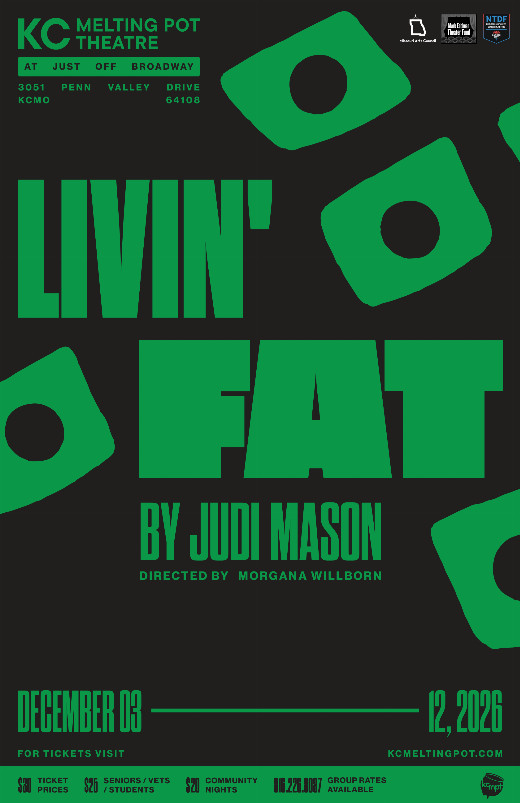
LIVIN' FAT Just Off Broadway Theatre (12/03-12/12) |
|
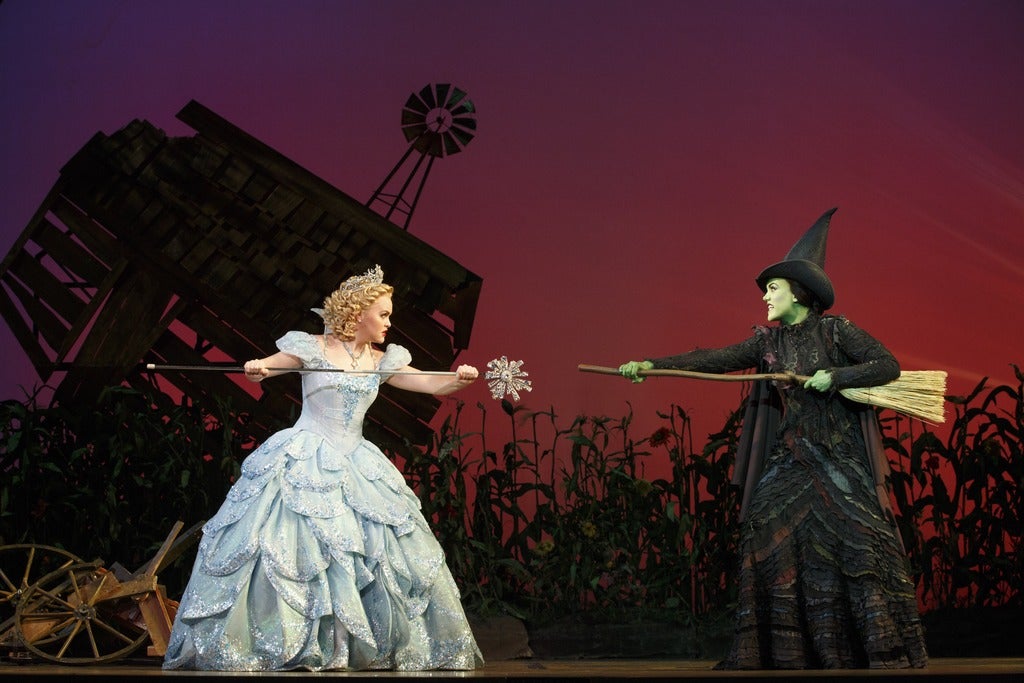
Wicked Music Hall Kansas City (8/12-8/30) |
|
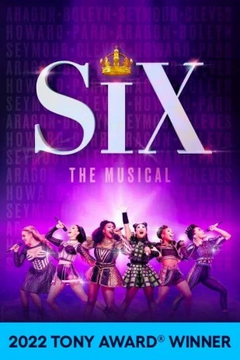
SIX (Boleyn Tour) Kansas City Music Hall (1/26-1/31) |
|
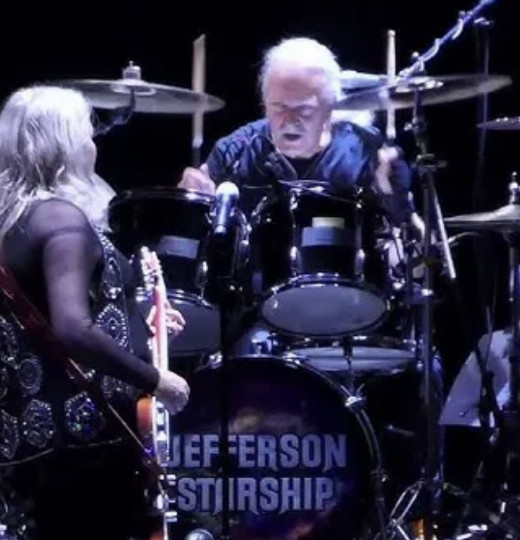
Jefferson Starship Capital Region MU Health Care Amphitheater (9/27-9/27) |
|
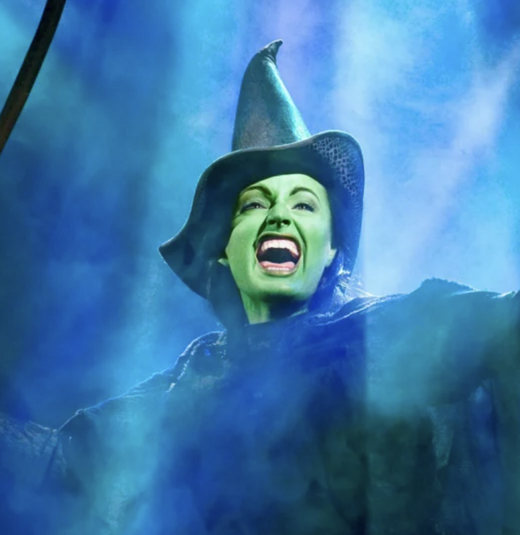
Wicked Kansas City Music Hall (8/22-8/22) |
|
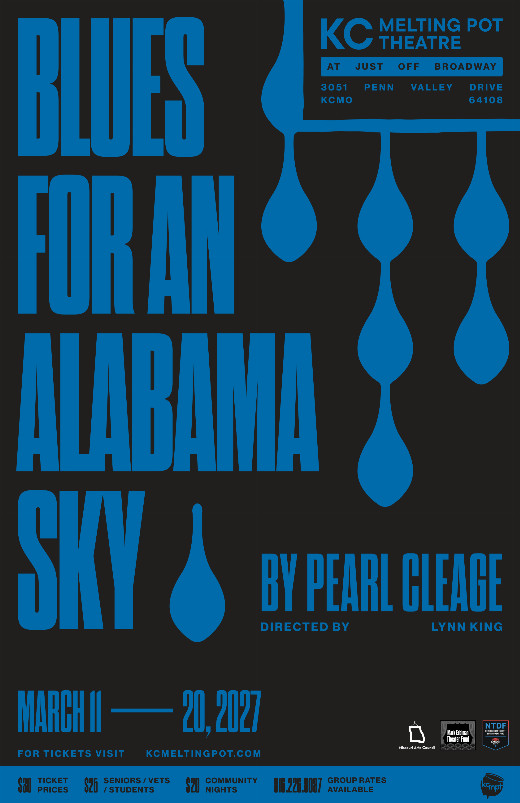
BLUES FOR AN ALABAMA SKY Just Off Broadway Theatre (3/11-3/20) |
|
Guns N’ Roses Busch Stadium (8/16-8/16) |
|
The Shark is Broken Metropolitan Ensemble Theatre (8/13-8/23) |
|
Clint Black & Midland Ozarks Amphitheater (10/10-10/10) |
|
WICKED Kansas City Music Hall (8/12-8/30) |