


Review: THE WIZARD OF OZ at Kansas City Repertory Theatre
Kansas City Repertory Theatre’s THE WIZARD OF OZ Finds Fresh Heart, Homespun Kansas Soul, and Theatrical Magic Over the Rainbow
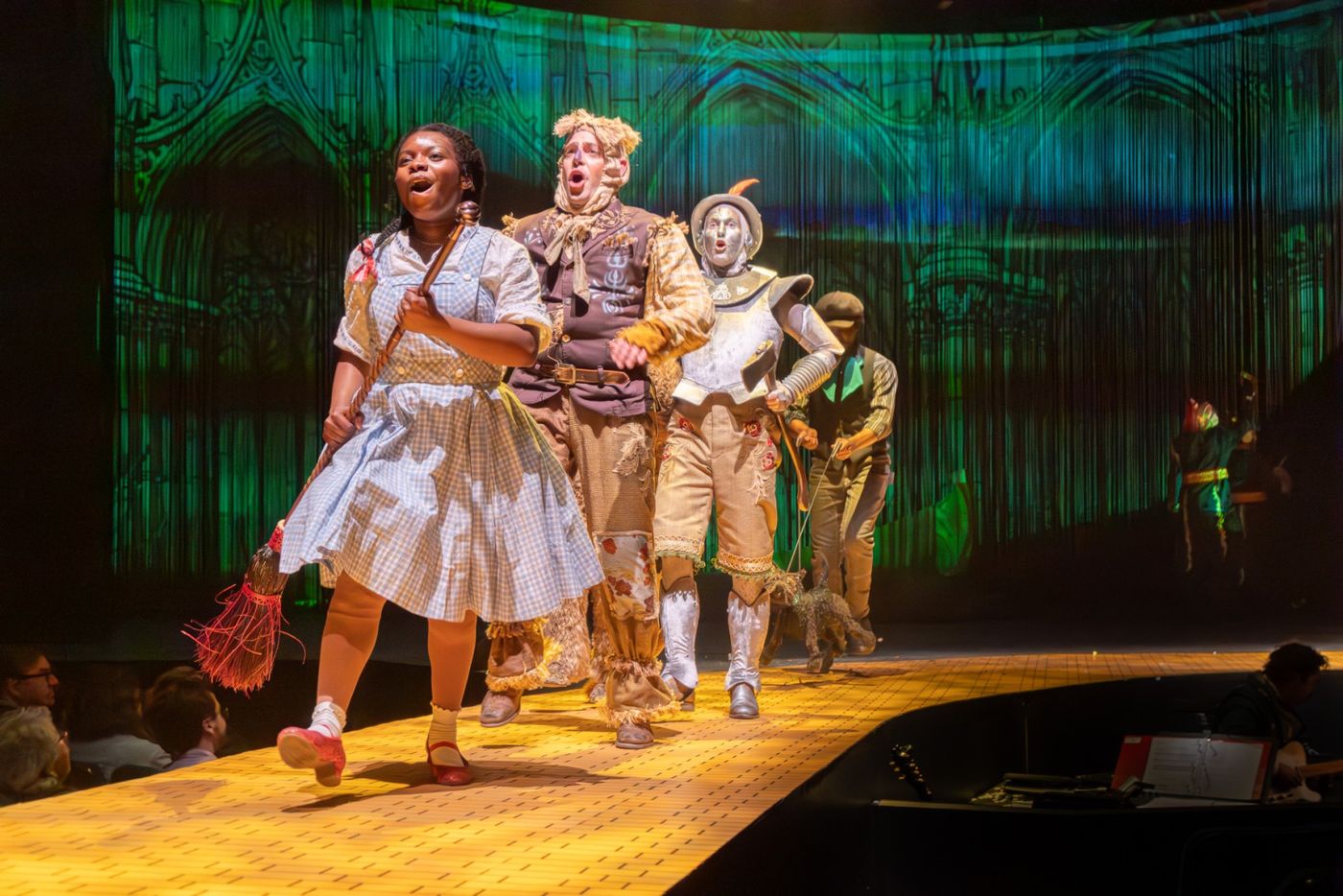
Kansas City Repertory Theatre’s THE WIZARD OF OZ does not attempt to recreate nostalgia in its simplest form. Instead, this production interrogates why the story has endured for generations and reframes it through a distinctly theatrical lens rooted in American folk tradition, musical intimacy, and emotional immediacy.
Before a single principal character enters, Director Stuart Carden establishes that this will not be a conventional presentation of THE WIZARD OF OZ. As audiences enter Spencer Theatre, they are greeted not by spectacle alone, but by a visibly integrated orchestra dressed in period-inspired Kansas attire, surrounded by instruments evocative of early Americana — banjos, fiddles, folk strings, and rustic textures that sonically ground the production in the cultural landscape from which L. Frank Baum’s mythology emerged.
The effect is immediate and remarkably intelligent.
Rather than treating Kansas merely as a sepia-toned prologue to Oz, this production insists upon Kansas as the emotional and philosophical center of the story. Oz may contain wonder, but Kansas contains identity.
That conceptual distinction becomes the foundation upon which the entire evening succeeds.
Jenise Cook and Ben Ferguson: Establishing Emotional Geography
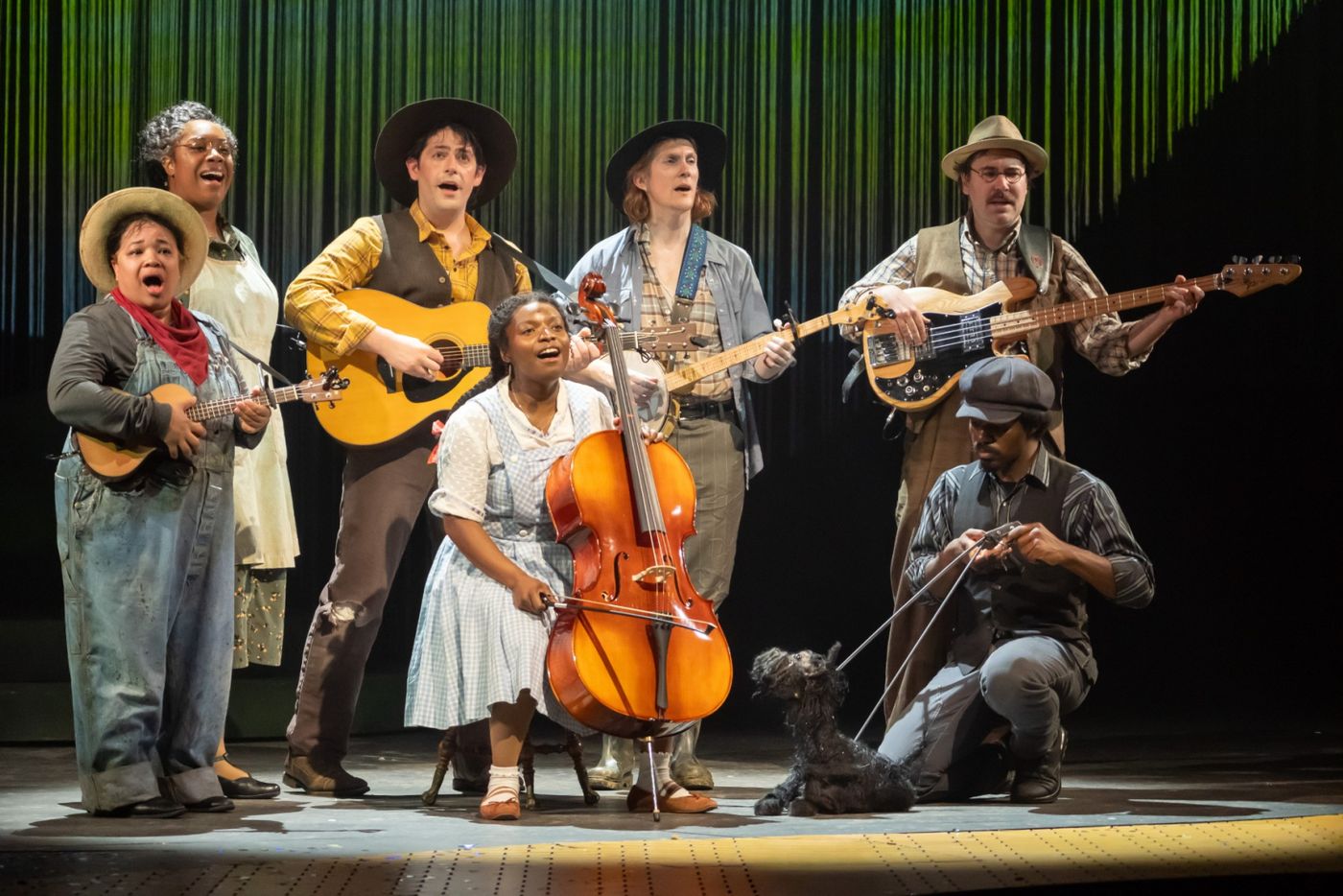
Jenise Cook’s Aunt Em demonstrates exceptional tonal control in the production’s opening movements. Her performance balances maternal warmth with comic precision, never allowing the character to collapse into stereotype. Cook understands rhythm — particularly the cadence of domestic realism — and uses silence, timing, and understated physicality to establish emotional stakes long before Dorothy’s journey begins.
Opposite her, Ben Ferguson’s Uncle Henry provides grounded stability and understated charm. Ferguson avoids overplaying the role, allowing sincerity and restraint to create authenticity. Together, Cook and Ferguson generate a believable household dynamic that makes Dorothy’s longing for “somewhere over the rainbow” feel emotionally earned rather than narratively convenient.
Manon Halliburton’s Miss Gulch enters as a sharply contrasting force. Halliburton’s performance is disciplined and cleanly articulated, creating a figure of rigid control whose severity immediately disrupts the warmth of the Gale household. Her transformation later into the Wicked Witch of the West is especially effective because the seeds of intimidation are planted so clearly from the outset.
Amari Lewis’ Dorothy: Vocal Purity and Emotional Transparency
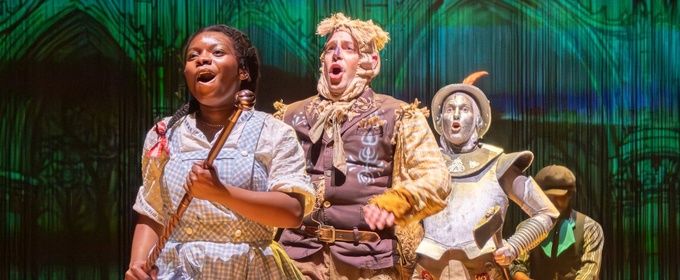
At the center of the production is Amari Lewis, whose portrayal of Dorothy is vocally radiant and emotionally transparent.
Lewis possesses the rare ability to perform innocence without sentimentality. Her Dorothy is curious, energetic, emotionally intelligent, and deeply human. Rather than portraying Dorothy as merely naïve, Lewis allows her to exist as a young person confronting displacement, uncertainty, and self-discovery in real time.
Vocally, Lewis is superb.
Her rendering of “Over the Rainbow” is one of the production’s defining achievements. The performance demonstrates remarkable breath support, tonal clarity, and emotional restraint. Lewis avoids excessive ornamentation, allowing the melodic architecture and lyrical vulnerability of the piece to resonate naturally. The result is a performance that feels both technically assured and emotionally immediate.
It is precisely the kind of interpretation that reminds audiences why the song remains foundational within the American theatrical canon.
Curtis Gillen, Ryan Melia, and Shon Ruffin: Precision Comedy with Emotional Intelligence
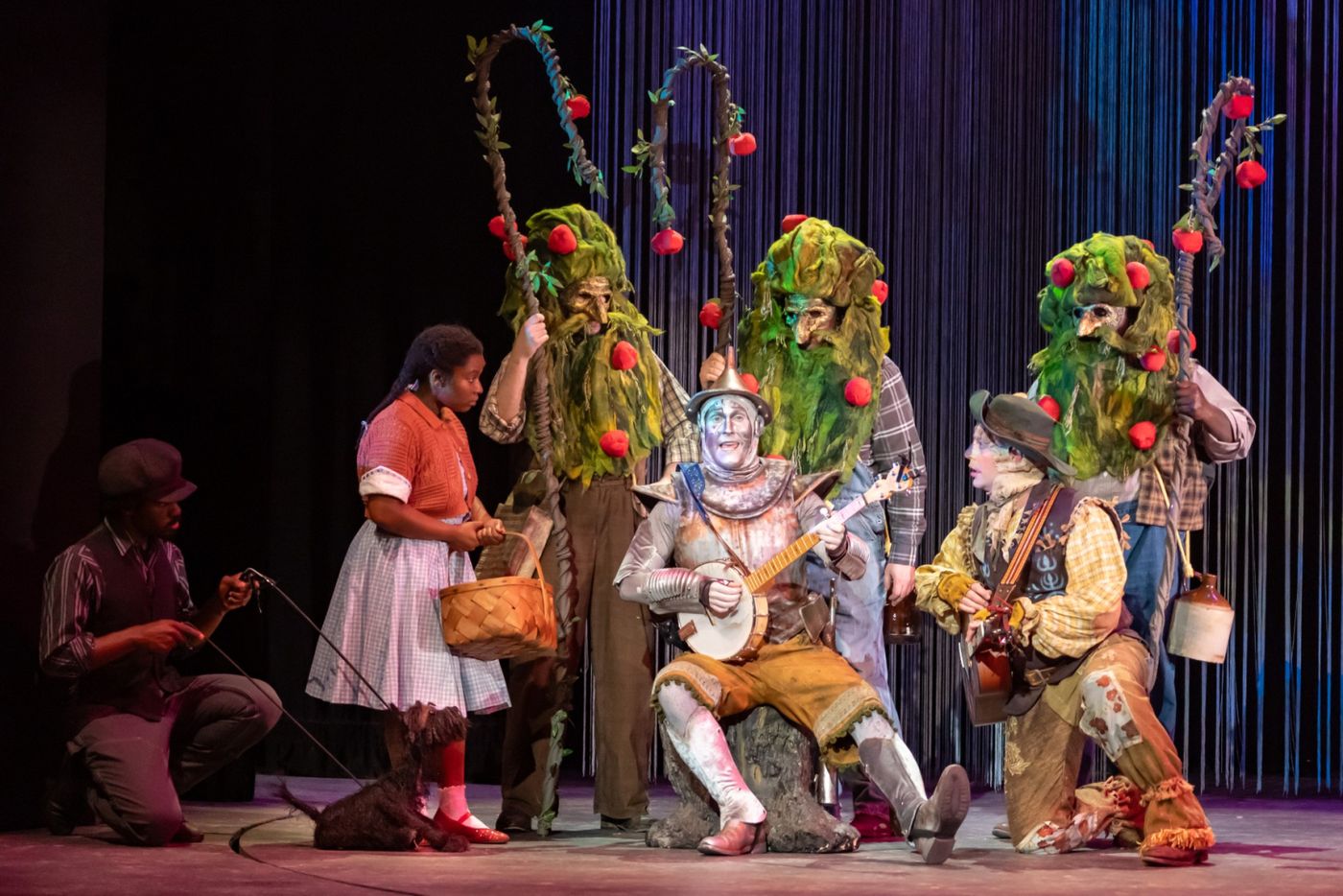
The trio of Curtis Gillen’s Scarecrow, Ryan Melia’s Tinman, and Shon Ruffin’s Cowardly Lion provides the production with extraordinary rhythmic momentum and ensemble cohesion.
Curtis Gillen approaches the Scarecrow with exceptional physical specificity. His movement vocabulary is highly controlled yet deceptively loose, creating an illusion of instability that remains technically disciplined throughout. Gillen’s comedic timing is sharp, but he also reveals the Scarecrow’s vulnerability beneath the humor, allowing the character’s desire for intellectual validation to land with genuine emotional weight.
Ryan Melia’s Tinman is equally compelling. Melia demonstrates strong physical articulation, carefully calibrating stiffness and mechanical rhythm without sacrificing vocal fluidity or emotional accessibility. His performance captures the paradox at the center of the character: someone convinced he lacks a heart while demonstrating compassion at nearly every turn.
Shon Ruffin nearly steals the production as the Cowardly Lion. Ruffin’s command of comic pacing, facial expression, and vocal inflection is extraordinary. Yet what elevates the performance beyond simple comic relief is Ruffin’s emotional grounding. Beneath the bravado and humor lies a deeply recognizable fear of inadequacy, making the Lion’s eventual realization profoundly satisfying.
Collectively, the trio achieves the difficult task of maintaining broad theatrical comedy while preserving emotional sincerity.
Jenise Cook’s Glinda and the Moral Architecture of Oz
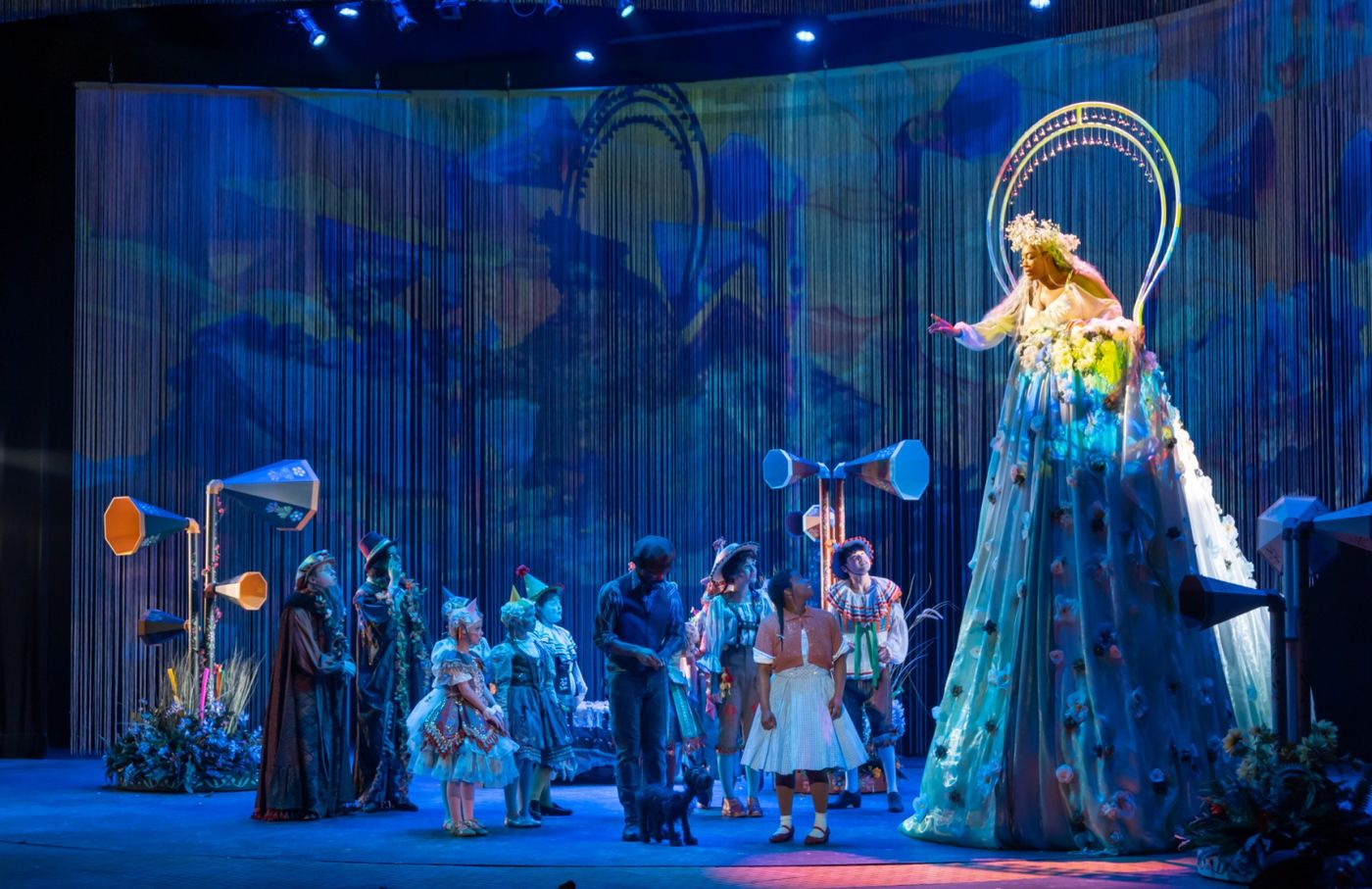
Jenise Cook’s dual performance as Glinda reveals impressive tonal versatility. Where her Aunt Em is grounded and practical, her Glinda operates with ethereal calm and moral clarity.
Cook wisely avoids portraying Glinda as passive perfection. Instead, her performance suggests active stewardship — a figure quietly guiding Dorothy and her companions toward self-recognition without robbing them of agency.
In many ways, Cook’s Glinda functions as the production’s philosophical center.
Dan Weschler’s Wizard: Humanity Behind Illusion
Dan Weschler’s Professor Marvel/Wizard of Oz is performed with warmth, theatrical wit, and nuanced musical intelligence. Weschler understands that the Wizard must ultimately embody contradiction: spectacle masking insecurity, authority concealing vulnerability.
His final scenes land effectively because the performance never attempts to portray the Wizard as villainous. Instead, Weschler reveals him as deeply human — flawed, improvisational, and unexpectedly compassionate.
Design and Technical Execution: Reimagining a Familiar World
What distinguishes this production most significantly is its refusal to rely solely upon audience familiarity.
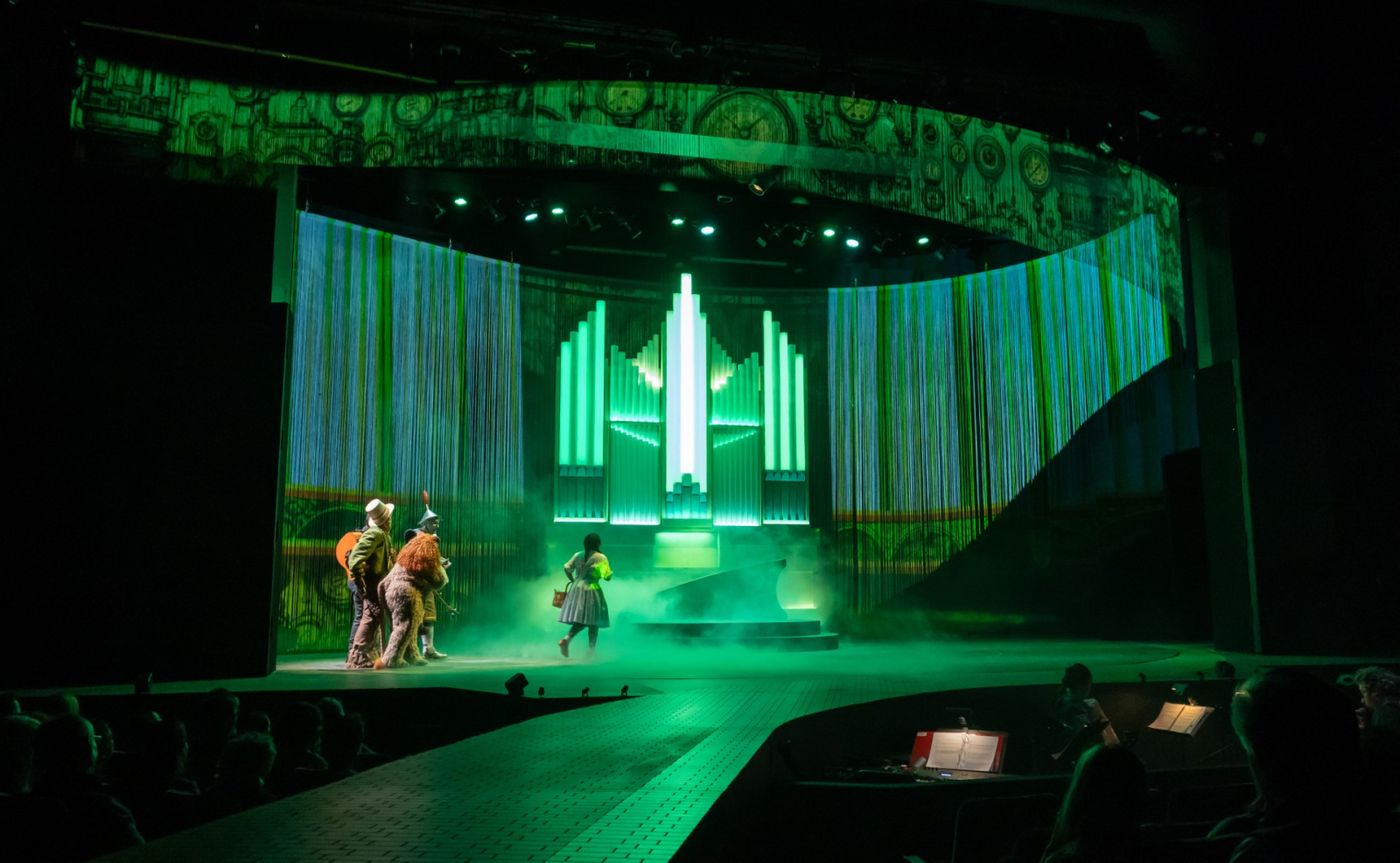
Courtney O’Neill’s scenic design creates a fluid theatrical environment layered with depth, rotation, texture, and dimensionality. The transitions between Kansas and Oz feel organic rather than abrupt, allowing the production to operate within a dream logic that remains visually coherent throughout.
Anthony Churchill’s projection design integrates seamlessly with the physical environment, enhancing atmosphere without overwhelming the live performance. Jeannette Oi-Suk Yew’s lighting design demonstrates particularly strong compositional awareness, sculpting emotional landscapes through color saturation, shadow, haze, and spatial focus.
Sully Ratke’s costume design deserves substantial recognition. Rather than replicating iconic film imagery verbatim, Ratke reinterprets familiar silhouettes with imaginative theatricality. The costumes feel inventive, texturally rich, and dramaturgically purposeful.
Connor Wang’s sound design is exemplary. Vocal reinforcement remains remarkably transparent, preserving natural vocal texture while ensuring pristine intelligibility. Balance between orchestra and performers is consistently strong — no small achievement given the folk instrumentation and layered ensemble work throughout the evening.
Director Stuart Carden deserves immense credit for the production’s conceptual clarity. His staging consistently reinforces the production’s central thematic inquiry: that courage, intellect, compassion, and belonging are rarely things we discover externally, but truths we must learn to recognize within ourselves.
Importantly, Carden trusts the material enough not to oversaturate it with irony or spectacle for spectacle’s sake. The result is a production that feels emotionally honest, theatrically sophisticated, and unexpectedly contemporary.
Final Thoughts
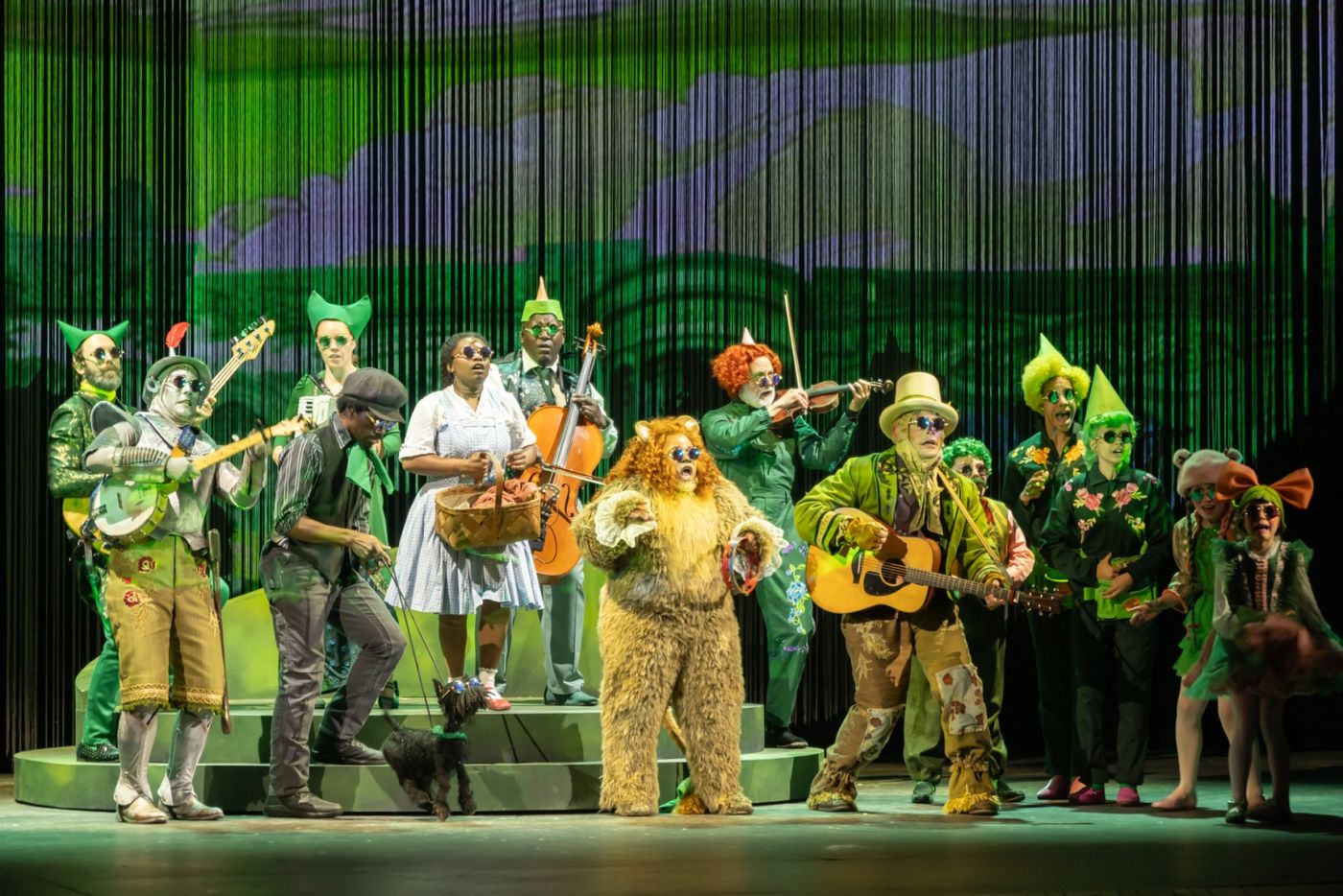
Kansas City Repertory Theatre’s THE WIZARD OF OZ is not merely a revival of a beloved classic. It is a thoughtfully reexamined interpretation that rediscovers the emotional, philosophical, and theatrical sophistication embedded within the material.
Vocally refined, visually imaginative, musically textured, and emotionally resonant, this production reminds audiences why THE WIZARD OF OZ continues to endure within the American cultural imagination.
At its core, the story remains profoundly human: people searching desperately for qualities they already possess, needing only community, perspective, and courage to recognize them.
And in a moment where many audiences may themselves feel displaced, uncertain, or disconnected, that message lands with renewed urgency.
Kansas City Repertory Theatre’s production of THE WIZARD OF OZ runs May 5–24, 2026 at Spencer Theatre. Tickets begin at $44 and are available through the Kansas City Repertory Theatre Box Office at 816-235-2700 or online at Kansas City Repertory Theatre.
|
Xanadu Music Theatre Kansas City (7/17-7/19) |
|
Beehive: The 60's Musical Tent Theatre (7/08-7/18) |
|
Disney's Frozen The White Theatre at The J (7/08-7/26) |

|
Louis Tomlinson Cable Dahmer Arena (7/02-7/02) |
|
The Phantom of the Opera Music Hall Kansas City (12/06-12/06) |

|
Clint Black & Midland Ozarks Amphitheater (10/10-10/10) |
|
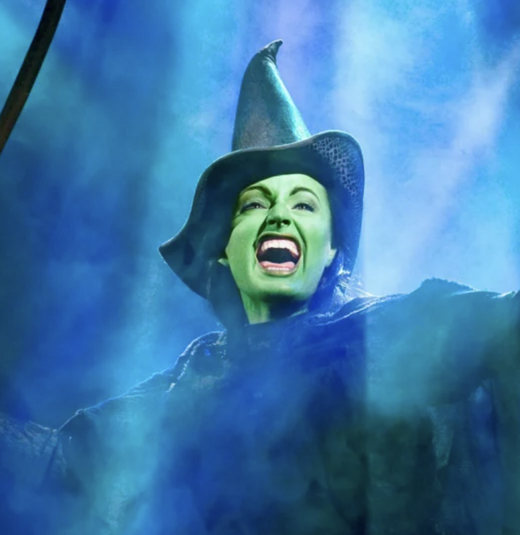
Wicked Music Hall Kansas City (8/12-8/30) |

|
BLUES FOR AN ALABAMA SKY Just Off Broadway Theatre (3/11-3/20) |
|
Wicked Kansas City Music Hall (8/22-8/22) |
|
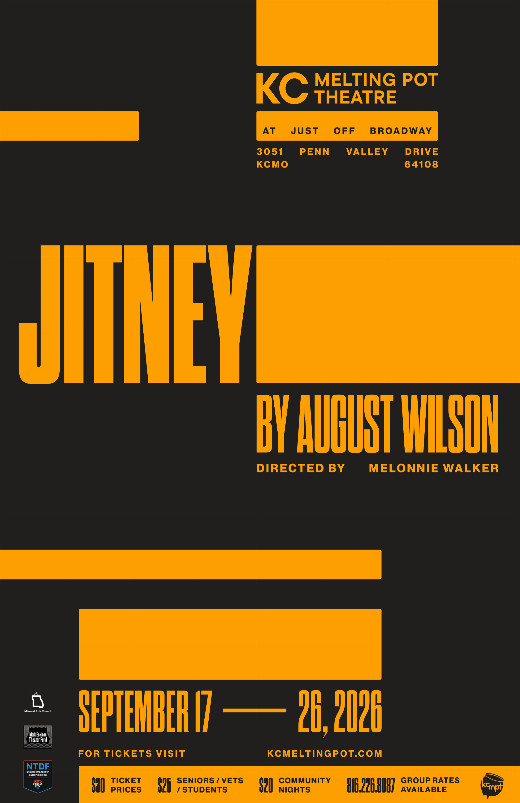
JITNEY Just Off Broadway Theatre (9/17-9/26) |