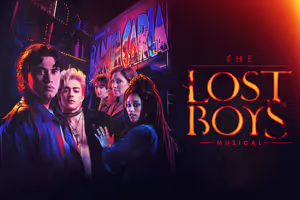


Guest Post: 'Language Is A Bridge, Not A Wall': Artists Of The Voila! Theatre Festival 2026
The festival runs at various locations in November, across 101 shows and events, featuring more than 60 languages
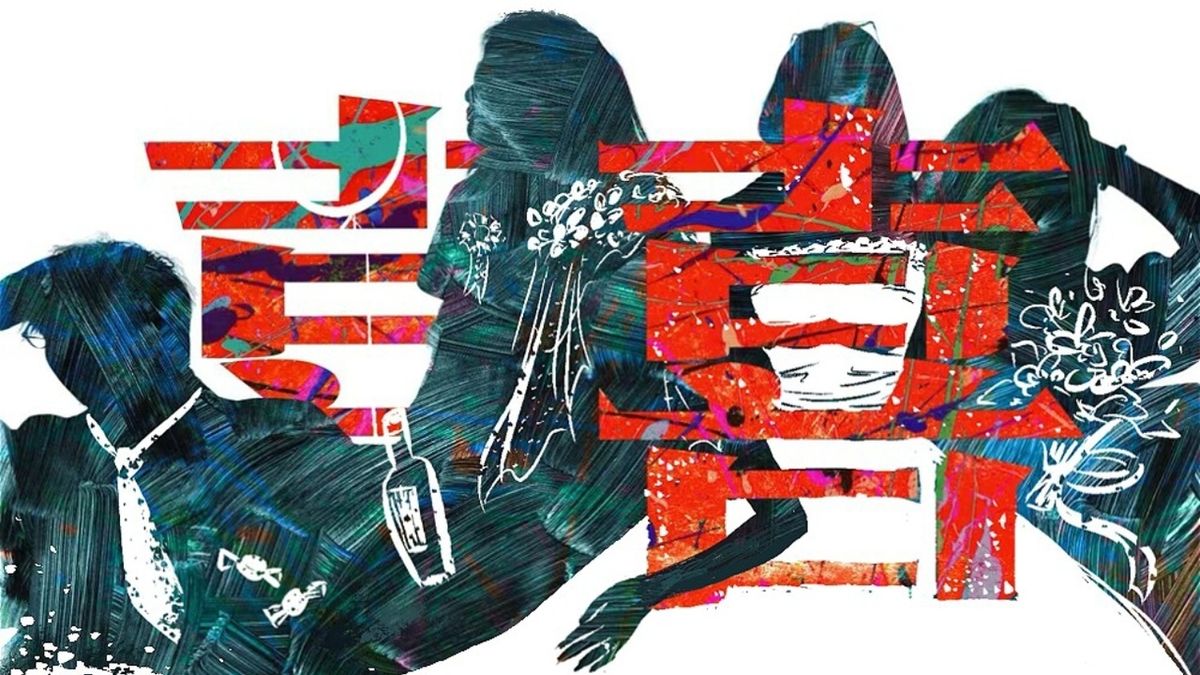
Voila! Theatre Festival returns to London this November with its biggest programme yet, bringing together 450 artists across 101 shows and events, with more than 60 languages represented across eight venues.
Ahead of the festival, artists from The Gummy Bears’ Great War, How to Cry in a House Full of Children, The Radical Wedding Engine and Legend of Kaliakra share their personal reflections on language, identity and storytelling, exploring how theatre can transcend cultural boundaries, bring communities together and create connections beyond words.
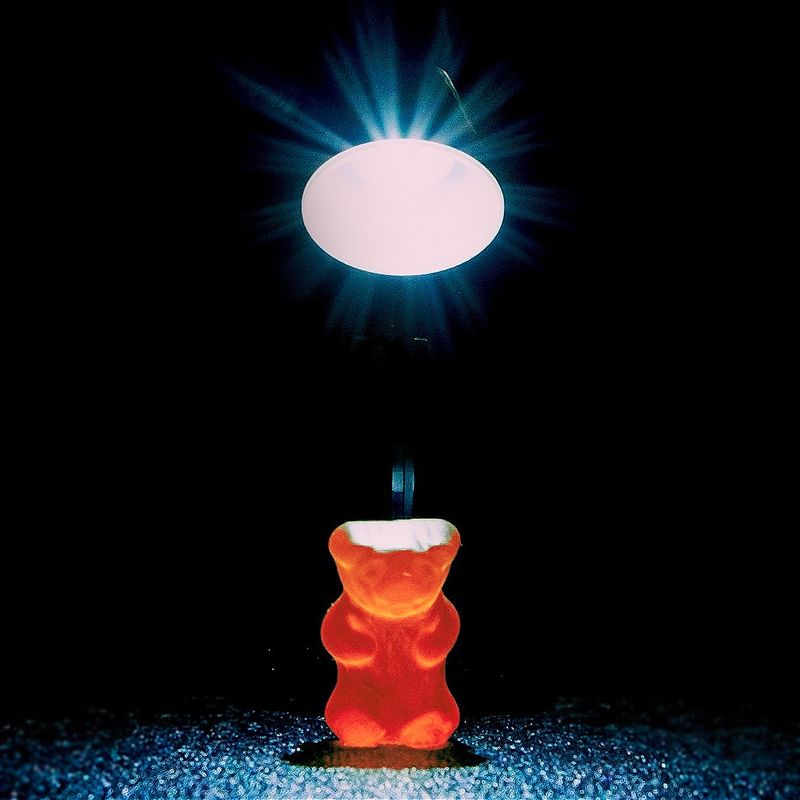
The Gummy Bears’ Great War, by Batisfera
Written by Ida Casilli
As a Sardinian theatre company, bringing The Gummy Bears’ Great War to international audiences has been a fascinating exercise in discovering what gets lost in translation, but more importantly, what doesn't need translating at all.
For the first time, at Voila! Festival, we'll perform the show in English. Until now, international audiences have experienced it in Italian with subtitles. But we really wanted our audiences to enjoy the work's powerful visual storytelling and be completely immersed in the strange little universe we've created, without having to divide their attention between the action and the words.
There is something wonderfully democratic about object theatre. Hundreds of gummy bears, a handful of dinosaurs and a tabletop become the setting for a story about war, stubbornness and the absurdity of human behaviour. These are themes that cross borders, even when our languages and cultural references differ.
For us, international festivals are not simply opportunities to present work abroad. They're places where stories acquire new meanings through the people watching them. At a time when division feels increasingly normalised, sharing a laugh, a moment of discomfort or a question with strangers from different backgrounds feels particularly valuable.
How to Cry in a House Full of Children by True Life Productions
Written by the team at Como Llorar and True Life Productions
When we applied to Voila! Festival with True Life Productions (our local producers in UK), we knew it wouldn’t be easy. Who in their right mind would leave their families and jobs behind and cross an ocean to share a 50-minute performance, in another language?
We would! Because show after show in Uruguay (with its incredibly vast theatre scene), we have seen how deeply emotions run every time How to Cry in a House Full of Children takes the stage. For Voila!, we have decided to forgo subtitles, preserving the immediacy of the theatrical experience. Through partial translation, choreography and video, the story speaks the universal language of the body and emotion. And that’s what we are aiming for.
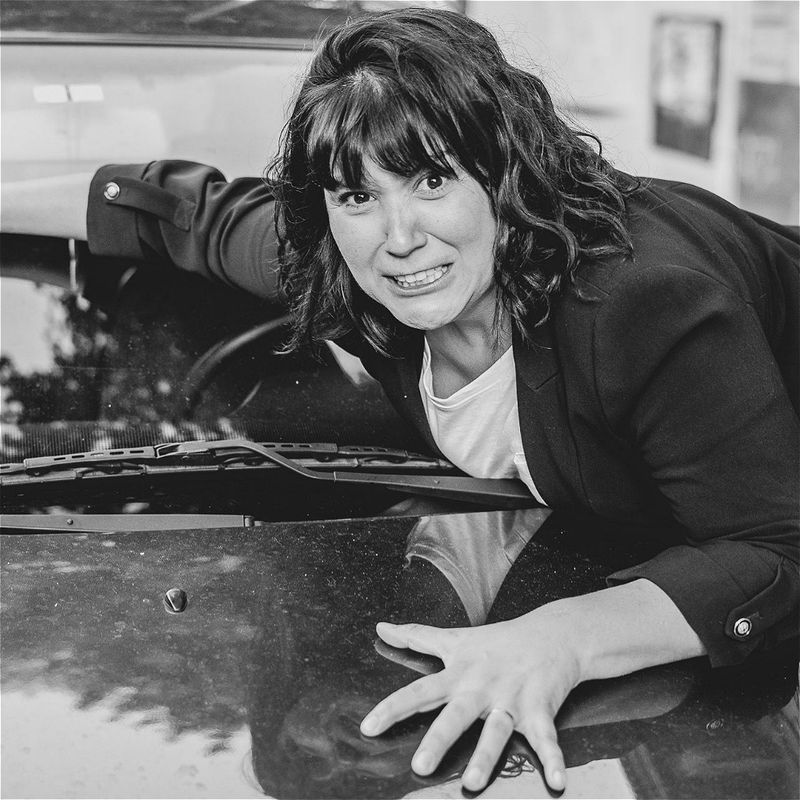
We know there is immense theatrical power in motherhood, and in the challenge of mothering while creating at the same time. We believe these challenges transcend borders, that our stories deserve to be told, and that by sharing them, we can find pieces of ourselves in one another.
This journey is a new encounter with an audience, and also a new opportunity for us to reconnect as creators. When theatre-makers come together, the world feels a little more whole.
We cannot wait to welcome you all and share this unique theatrical experience with you at The Space Theatre on 6 November
The Radical Wedding Engine by Ensemble Not Found
Written by Xiaonan Wang - deviser/performer
Long, long ago, people invented languages to understand each other. As our footsteps took us further from our homelands, we encountered new languages. We learned them to understand one another and discover more about the world. Isn't that beautiful? Yet nowadays, with translation just a click away, perhaps we forget this beauty.
Even when we speak the same language, we don't necessarily share the same understanding. In rehearsals, we spend lots of time explaining what we mean, and what we think we mean. We all have our own ways of seeing the world.
All our works are multilingual. When deciding what to translate and what to leave untranslated, we think about what might be lost. Speaking in our native languages can reveal different sides of ourselves, without the intellectual filter of translation. We sing songs in their original languages. We don't want to sacrifice the sound of a language, or the shape it might leave in the audience's heart. To me, English is wavy, Mandarin sounds like a piano, and Cantonese feels like honey. The absence of literal understanding doesn't mean the absence of connection.
Language is a bridge, not a wall. Let's not forget that.
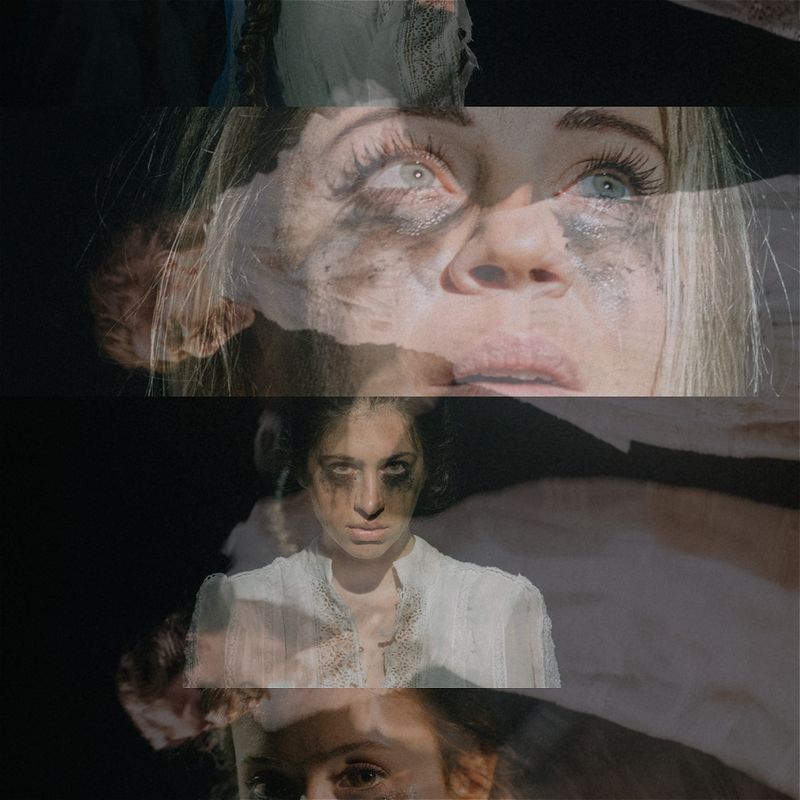
Legend of Kaliakra by Legend of Kaliakra Collective
Written by Anna-Maria Nikolaeva
What happens when the women remembered for a single act are given the space to speak?
In Legend of Kaliakra, forty young women braid their hair together and leap into the sea to escape capture. As an actress, I am drawn to the lives behind that final act. Who were they before they became a symbol of courage? Our production is directed by Elitsa Yovcheva, combining our personal texts with poems by Mirela Ivanova and gives the characters space to confront memories, express desires and challenge judgments. My favourite line is: “How dare you judge me by the standards of Christianity when you yourselves are no saints?” For me, it captures the play’s questioning spirit and refusal to accept easy moral judgments. Finding your voice does not always bring relief; it can expose anger, shame or longing.
As an actress and yoga teacher, I explore that discomfort through words, breath and silence. Bringing this Bulgarian story to London, I hope audiences encounter four distinct women whose need to be heard transcends cultural boundaries. I want to keep exploring legends from different cultures, listening closely to people whose ending we think we already know. I am fascinated by the ways stories from different traditions can speak to one another and reveal shared human experiences while retaining their unique cultural identities. That is what keeps drawing me back to this work: the possibility of listening more closely to people whose ending we think we already know.
How To Cry In a Room Full of Children plays at The Space Theatre on 6 November
Legend of Kaliakra plays at The Cockpit on 6-7 November
The Radical Wedding Engine plays at The Cockpit on 7-8 November
The Gummy Bears’ Great War plays at the Etcetera Theatre from 18-22 November
All as part of Voilà! Theatre Festival 2026
Main Image Credit: The Radical Wedding Engine
Weekly top stories - unsubscribe anytime.