by Amy Tarver • Feb 22, 2019
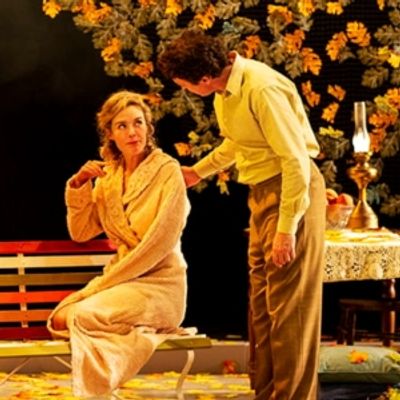
Tom Stoppard is regarded as one of the greatest living playwrights of our day. His time spent in India in the 1940's as a boy, no doubt influenced the author's point of view in writing INDIAN INK. By modern terms, Stoppard's writing would be described as a slow burn, with a style gradually revealing plot and character as the play progresses. In INDIAN INK, the scenes travel long distances in both space and time, to reveal the heart of Flora Crewe played by Jill Blackwood. Examining the imperial British rule in early 20th century India - the clash of cultures between India and the British, display both the casualties and inspiration of such a combination. At the heart of our story Flora leaves England for a warmer climate amid advice from her doctor for her failing health. The story jumps back and forth between Flora navigating India in the early 1900's to more modern times detailing a biographer and her sister investigating the aftermath of her fascinating life. The story gently exposes itself as a subtle tale of love in many capacities. Love between sisters, scholarly love and the forbidden budding relationship between Flora and her portrait artist Nirad Das (played by Tamil Periasamy). As described of Flora throughout the show, her many affairs were fleeting, which made the building of her love for Nirad sweet, leaving the audience wanting more.























.jpg?format=auto&width=300)