Joseph Pfeifer stands in the 9/11 Memorial Plaza and describes how, on 9/11, he was 10 blocks north of the World Trade Center, and he looked up when he heard a plane. It was flying so low that he could see the word “American” on the fuselage. He saw the plane aim toward the North Tower. “It was no accident, but a direct hit.” As the first battalion chief to report to the World Trade Center on that day, Pfeifer ordered firefighters to evacuate the people in the building. One of the firefighters he sent into the towers was his brother, Kevin, who died that day. Since 2002, Pfeifer has been part of the Columbia University community. He teaches Principles of Crisis Leadership. What did it mean then, and what does it mean now? How do we use those principles? “Leadership in a crisis,” says Pfeifer, “is not one person standing on a hill and giving orders. Leadership is bringing people together, collaborating, and then coordinating to deal with the problem at hand.” As he wrote in his memoir about 9/11, leadership is really about “Ordinary Heroes,” which is the title of his book. The Columbia community, says Pfeifer, is part of his resilience, a place where he can share his message. “It’s where we can remember the people we lost on 9/11, and the people we saved. We also remember 9/12, when the world came together for New York City.” Joseph Pfeifer will be participating in an Institute of Global Politics at SIPA event on Sept. 9, 2026. Visit The 9/11 Attacks 25 Years Later: Lessons Learned, Lessons Forgotten | Institute of Global Politics | SIPA for more details and to livestream the discussion.
Columbia University
Attraction · Morningside Heights
Location
116th St & Broadway, New York, NY 10027 · Get Directions
Columbia University Videos
Move-in Day at Columbia University marks the beginning of an exciting new chapter as incoming students and their families arrive on campus, ready to start their college journey. From unloading boxes and saying goodbye to family to meeting new friends, campus is filled with excitement, energy, and anticipation for what’s ahead. The celebration continues with Convocation, welcoming the newest members of our college community and setting the stage for all the opportunities to come. It’s a day full of unforgettable moments, new beginnings, and the promise of an incredible college experience here at Columbia University!
Charles Todd is Columbia University’s new vice president for University Life. In this video, he reflects on his academic background in philosophy, his vision for University Life, and his goals for creating meaningful opportunities and experiences that enhance student life at Columbia. He also shares a few personal nuggets along the way, including: His favorite book: Dune by Frank Herbert His favorite University Life events: Welcome Week, the Student Organization Fair, and Low Lounge His most interesting office possession: A vintage Roar-ee bobblehead! Whether you are new to Columbia or preparing to graduate, this conversation offers insight into the people, programs, and experiences that help shape life on campus. Watch the full conversation to learn more about University Life and Charles Todd’s vision for Columbia University’s community.
It has been a busy summer for Columbia University’s new president, Jennifer L. Mnookin. In this video, Columbia News provides a snapshot of just some of the many meetings and events she’s attended with faculty, students, staff, alumni, and our community, since officially taking the reins on July 1, 2026. Featured clips in the video include: a faculty welcome breakfast; a Fourth of July picnic on Morningside campus for all staff; a visit with staff and students from University Life; a presidential staff meeting in Low Library; a summer celebration with Facilities and Operations; an employee appreciation ice cream social at the Medical Center campus; a School of General Studies summer event; a tour of the Law School, her new academic home, and the school’s new Li Lu Law Library; an outing at Butler Library to see some selections from the Rare Book and Manuscript Library; and a Community Partners breakfast with local elected officials, community leaders, neighbors, and University affiliates on the Manhattanville campus. Watch this quick look back at summer as we get ready for the year ahead!
In fusion, two atoms fuse together into one heavier atom, releasing huge amounts of energy in the process. 🎥 Full Feature: https://youtu.be/IFwTJ_moKUI?si=IYaYUf9p8GYk_pK1
Fusion is the process that powers the Sun, and all the stars in the Universe. Scientists are working to harness that potential to produce clean energy. 🎥 Full Feature: https://youtu.be/IFwTJ_moKUI?si=IYaYUf9p8GYk_pK1
More in Morningside Heights
More Attractions
Columbia University News

260 MADISON Exhibition to Bring More Than 50 Artists to Midtown Manhattan
An artist-run exhibition will occupy a former Duane Reade storefront and a 14th-floor office space at 260 Madison Avenue, bringing together established and emerging artists working in sculpture, new media, and video.
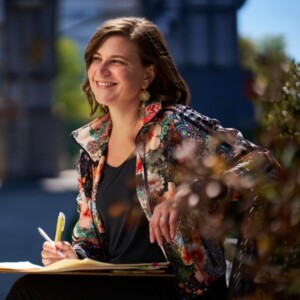
Suzanne Farrin's MACABÉA to Receive Concert Premiere at Miller Theatre
Suzanne Farrin's new opera Macabéa, inspired by Clarice Lispector's The Hour of the Star, will receive its concert premiere with Talea Ensemble at Miller Theatre on October 29.
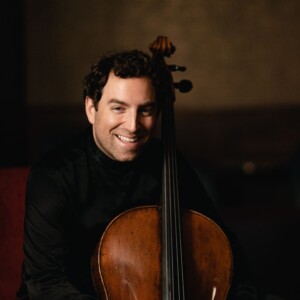
Cellist Tommy Mesa Announces 2026-2027 Season Highlights
Cuban-American cellist Tommy Mesa will debut with the Dallas Symphony Orchestra in the world premiere of Michael Abels' Concerto for Cello and Orchestra, alongside Carnegie Hall performances and an extensive recital tour across the United States and Mexico.
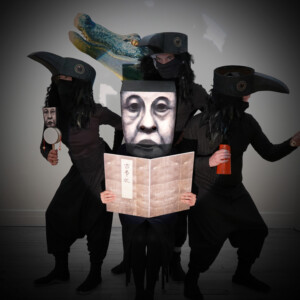
KOJIKI DE CREATION to Make World Premiere at Japan Society
Japan Society will present a multimedia puppet theater work by Maiko Kikuchi based on Japan's oldest chronicle of origin myths. The production features puppets assembled onstage from everyday objects.

Teatro Grattacielo Names Hilary Baboukis New Director Of Artistic Operations And Programming
Teatro Grattacielo named Hilary Baboukis as Director of Artistic Operations and Programming, marking the opera company's expansion and commitment to developing young arts leaders.
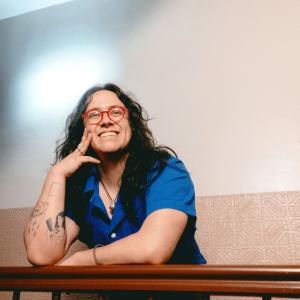
Photos: MUSIC FOR TRANSITIONS Album by inti figgis-vizueta on New Amsterdam Records
New Amsterdam Records announced the first full-length album by composer inti figgis-vizueta, featuring performances by Rothko String Quartet and GRAMMY Award-winning cellist Andrew Yee. The five-piece collection draws from Indigenous cosmologies and trans futurism.

CONVENTION to Open at The Industry Loft in Los Angeles
Danny Rocco's immersive political play recounts the 1944 Democratic Convention, a pivotal moment that shaped the global order. The production features a nearly 50-person cast and runs at The Industry Loft in Los Angeles.

AMERICAN PORTRAITS Album Features World Premieres by Frank and Higdon
Cedille Records releases THE PACIFICA QUARTET's new album featuring world premiere recordings of works by Gabriela Lena Frank and Jennifer Higdon, with narration by NPR correspondent Nina Totenberg.

Irondale Ensemble Project to Launch New Initiative For A New Generation Of Theater Makers
The Brooklyn-based theater company announced Irondale NextGen, an artistic initiative drawing on 43 years of ensemble practice to create opportunities for emerging directors, performers, and theater makers to develop and lead their own projects.
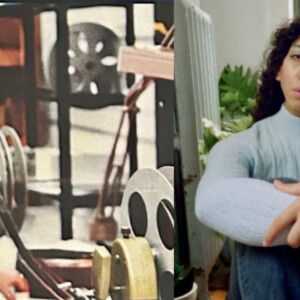
Nancy Mysel Preservation Scholarship Awarded to Hayla Ragland
New York Women in Film & Television named Hayla Ragland as recipient of the Nancy Mysel Preservation Scholarship, a $5,000 award supporting students in film and visual art preservation.
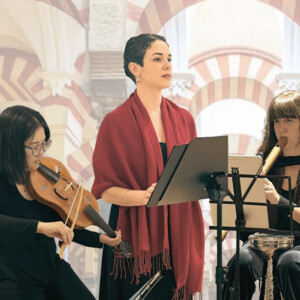
Salon Sanctuary Concerts to Open 2026-27 Season With KAHAL, COURT, AND CASBAH
Salon Sanctuary Concerts will present KAHAL, COURT, AND CASBAH: CONVIVENCIA AND ITS DISCONTENTS at St. Paul's Chapel at Columbia University, featuring music from pre-Expulsion Spain performed in Arabic, Hebrew, Occitan, and medieval Castilian.
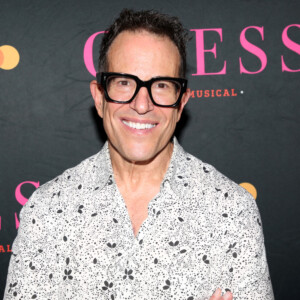
Michael Mayer and More Named to Berkeley Repertory Theatre Board of Trustees
Berkeley Repertory Theatre has elected six new trustees to its volunteer Board of Trustees. The new trustees begin three-year terms on the board, bringing a wide range of professional expertise, community engagement, and a commitment to the theatre.

Special Events Set for SCHOOL GIRLS; OR, THE AFRICAN MEAN GIRLS PLAY
MTC will host a series of special events and conversations for the upcoming Broadway production of School Girls; Or, The African Mean Girls Play by Jocely Bioh.
Odyssey Opera to Present Rare Works by THE SECOND NEW ENGLAND SCHOOL
Odyssey Opera will open its season with a one-night concert at NEC's Jordan Hall featuring rarely performed works by Edward MacDowell, Amy Beach and George Whitefield Chadwick, including a Boston premiere.

Meet the Cast of SCHOOL GIRLS; OR, THE AFRICAN MEAN GIRLS PLAY, Now Playing on Broadway
School Girls; Or, The African Mean Girls Play is now playing on Broadway from Manhattan Theatre Club. Meet the cast of the play, which is now in previews.
Columbia University Frequently Asked Questions
- What are the closest subway stops to Columbia University?
-
The closest subway stops to Columbia University at 116th St & Broadway are:
1. 116th Street - Columbia University (1 train): This subway station is right on campus, making it the most convenient option for visiting Columbia University. You can access the station at the intersection of 116th Street and Broadway.
2. Cathedral Parkway - 110th Street (B/C trains): This station is located just a few blocks south of Columbia University. From there, you can walk north on Broadway to reach the campus.
As for recommendations, Columbia University is located in the vibrant neighborhood of Morningside Heights, which offers a variety of dining options and attractions. Here are a few suggestions:
1. Tom's Restaurant: This iconic diner, located at 112th Street and Broadway, is known for its appearance in the TV show "Seinfeld." It's a great spot for a classic American breakfast or brunch.
2. Hungarian Pastry Shop: For a cozy and charming atmosphere, head to this neighborhood institution at 1030 Amsterdam Avenue. They serve delicious pastries and coffee, perfect for a quick break during your visit.
3. Riverside Park: Take a stroll along the Hudson River and enjoy the beautiful views at Riverside Park. It's a great place to relax and unwind after exploring Columbia University.
For the latest subway updates and information, you can visit the official website of the Metropolitan Transportation Authority (MTA) at [https://new.mta.info/](https://new.mta.info/). This website provides real-time service updates, maps, and other helpful resources to navigate the subway system.
I hope you have a wonderful time exploring Columbia University and the surrounding neighborhood!
- What's the best way to get to Columbia University by bus?
-
The closest NYC bus stops to Columbia University at 116th St & Broadway are:
1. For uptown buses: The M4, M11, and M104 buses stop right in front of Columbia University on Broadway. You can check for any updates or changes to the bus schedules on the official MTA website: MTA.info.
2. For downtown buses: The M4, M11, and M104 buses also have stops on Amsterdam Avenue, just a short walk away from Columbia University. Again, you can find the most up-to-date bus schedules on the MTA website: MTA.info.
Please note that bus schedules and routes may be subject to change, so it's always a good idea to check for any updates before your trip.
- How much time should I plan to spend at Columbia University?
-
If you're planning to visit Columbia University in New York City, I would recommend setting aside at least half a day to explore the campus and its surroundings. Columbia University is located in the vibrant neighborhood of Morningside Heights, which offers plenty of attractions to explore.
Start your visit by taking a leisurely stroll around the beautiful campus. Admire the stunning architecture, visit the iconic Low Memorial Library, and take a moment to relax in one of the campus green spaces. If you're interested in art, make sure to check out the Wallach Art Gallery, which showcases a diverse range of exhibitions.
After exploring the campus, venture out into the surrounding neighborhood. Morningside Heights is known for its charming streets, local shops, and delicious eateries. You can grab a bite to eat at one of the many restaurants or cafes in the area, offering a variety of cuisines to suit every taste.
If time permits, consider visiting nearby attractions such as Riverside Park, which offers stunning views of the Hudson River, or the Cathedral of St. John the Divine, one of the largest cathedrals in the world. Both are within walking distance of Columbia University and provide a unique perspective on the neighborhood.
Overall, half a day should give you ample time to explore Columbia University and get a taste of the vibrant Morningside Heights neighborhood. However, if you have a particular interest in academics or want to delve deeper into the university's history, you may want to allocate more time to fully immerse yourself in the experience.
- Can I bring food and drinks into Columbia University?
-
Columbia University in New York City has a variety of dining options available for students and visitors alike. While the university does have some restrictions on bringing outside food and drinks into certain areas, there are plenty of places to satisfy your hunger and quench your thirst on campus.
If you're visiting Columbia University, you'll find a range of dining options to suit every taste and budget. The campus boasts numerous cafes, food trucks, and restaurants, offering a diverse selection of cuisines. From quick bites to sit-down meals, you'll find something to satisfy your cravings.
However, it's important to note that bringing outside food and drinks into certain areas, such as libraries and classrooms, may be restricted. This policy helps maintain a clean and conducive environment for studying and learning. So, if you're planning to enjoy a meal or snack while exploring the campus, it's best to do so in designated dining areas or outdoor spaces.
Additionally, if you're attending an event or conference at Columbia University, the organizers may have specific guidelines regarding food and drink consumption during the event. It's always a good idea to check with the event organizers or venue staff for any specific policies or restrictions.
Overall, Columbia University offers a wide range of dining options on campus, ensuring that you'll find something delicious to enjoy during your visit. Just be mindful of any specific policies or restrictions in certain areas, and you'll have a great dining experience at this prestigious institution.
- Does Columbia University offer luggage storage?
-
Columbia University in New York City does not have a specific luggage storage policy for visitors. However, there are several options available nearby for storing your luggage while you explore the city.
One convenient option is to use a luggage storage service. There are several companies in New York City that offer secure storage facilities where you can leave your bags for a few hours or even a few days. These services typically have multiple locations throughout the city, including near popular tourist attractions and transportation hubs.
Another option is to check if your hotel offers luggage storage for guests. Many hotels in New York City have a designated area where you can leave your bags before check-in or after check-out. Even if you are not staying at a particular hotel, some may offer luggage storage services for a fee.
Additionally, some transportation hubs, such as Penn Station and Grand Central Terminal, have luggage storage facilities available for a fee. These options can be particularly convenient if you are arriving or departing from these locations.
It's always a good idea to research and book your luggage storage in advance to ensure availability and to save time during your visit.
- Is Columbia University a good place to visit for foreign travelers who are not native English speakers?
-
Columbia University, located in the vibrant city of New York, is indeed a great destination for visitors from other countries and non-English language speakers. As one of the Ivy League universities, Columbia offers a diverse and inclusive environment that welcomes students and visitors from around the world.
For non-English language speakers, Columbia provides various resources to support language learning and cultural integration. The university offers English language programs and classes for international students, as well as language exchange programs where you can practice your language skills with native English speakers. Additionally, many of the faculty and staff members are multilingual and can assist visitors in their native languages.
Moreover, New York City itself is a melting pot of cultures and languages, making it an ideal place for international visitors. You'll find a multitude of neighborhoods, restaurants, and cultural events that cater to specific communities and languages. Whether you're looking for authentic cuisine, cultural festivals, or language-specific services, New York City has it all.
While visiting Columbia University, take advantage of the opportunity to explore the surrounding neighborhood of Morningside Heights. This vibrant area offers charming cafes, bookstores, and beautiful architecture. You can also visit the nearby Riverside Park, which provides a serene escape from the bustling city.
Overall, Columbia University and New York City are excellent destinations for visitors from other countries and non-English language speakers. You'll have the chance to immerse yourself in a diverse and dynamic environment, expand your cultural horizons, and create unforgettable memories.
- What ages are appropriate for Columbia University?
-
Columbia University in New York City is a prestigious institution that offers a wide range of programs and degrees. While there is no specific recommended age range for attending Columbia, it is primarily an undergraduate and graduate university, so most students are typically in their late teens to early twenties. However, Columbia also welcomes non-traditional students of all ages who are interested in pursuing higher education. Whether you're a recent high school graduate or someone looking to further your education later in life, Columbia University offers a supportive and intellectually stimulating environment for all students.

.jpg?format=auto&width=365)