


BWW Q&A: Vincent Ortega Talks WEST SIDE STORY at The Gateway Playhouse
The Gateway Playhouse director and choreographer returns home to helm the Bernstein-Sondheim classic, running May 8 through May 31, 2026.
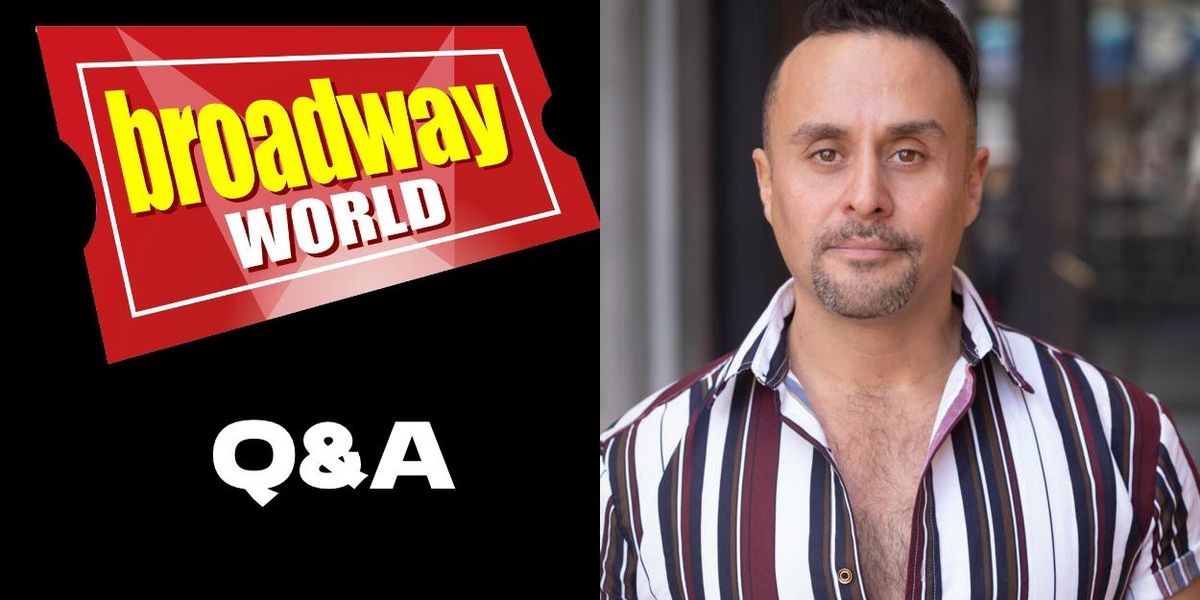
The Gateway Playhouse is bringing one of the most iconic musicals of all time back to the Bellport stage this spring. WEST SIDE STORY, the groundbreaking reimagining of Romeo and Juliet set against the backdrop of 1950s New York, runs May 8 through May 31, 2026.
At the helm is director and choreographer Vincent Ortega, a Mexican-American artist whose journey with The Gateway began as a performer back in 2008. Seventeen productions later, following his directorial turn with IN THE HEIGHTS, Ortega returns to a place he calls home to tackle the Arthur Laurents, Leonard Bernstein, and Stephen Sondheim classic.
Featuring Jerome Robbins' original choreography and a score that includes 'Tonight,' 'Somewhere,' 'America,' and 'Maria,' this production promises to honor the work's legacy while speaking directly to today's audiences.
BroadwayWorld spoke with Ortega about coming home to The Gateway, preserving Robbins' iconic movement, and why this story of love versus hate feels more urgent than ever.
What drew you to directing and choreographing West Side Story at The Gateway?
What drew me to directing and choreographing West Side Story at The Gateway Playhouse is that it truly feels like home. Gateway has been such an important part of my journey—I started performing here in 2008. And 17 productions later, I had the chance to direct In the Heights here—so returning to tell a story that requires so much heart and honesty feels incredibly personal. It’s a chance to honor both the piece and the place that helped shape me. i feel the responsibility to do it right and give our audiences a show they wont forget.
How are you honoring the original work while bringing a fresh perspective to this production?
Honoring the original work starts with deep respect for the storytelling, the music, and the intention behind it. I stay rooted in what makes West Side Story so powerful—its urgency, its humanity, and its cultural impact—while approaching it through a contemporary lens. We are so lucky to be able to recreate Jerome Robbins original choreography but at the same time being able to put a fresh look at it. Diving deep into the meaning of each movement and what motivates it and how it further tells the story. Bringing a fresh perspective comes from leaning into authenticity, especially in the movement and relationships, and allowing the cast to bring their own lived experiences into the process. It’s about finding the balance between preserving what audiences love and making it feel immediate, honest, and alive for today.
What makes this story feel urgent and relevant for audiences today?
What makes this story feel urgent and relevant for audiences today is how directly it reflects the world we’re living in right now—socially, politically, and emotionally. We’re in a time of heightened division, where people often feel like they’re on opposing sides rather than part of a shared community. This story puts those tensions right in front of us in a very human way. It also speaks to how quickly fear, misunderstanding, and pressure can escalate when communication breaks down. That feels especially resonant today, when we’re constantly navigating polarized conversations in real life and online. What makes it even more powerful is that it doesn’t feel distant or abstract—it’s about people trying to survive, belong, and make sense of their place in a complicated world. Audiences can see themselves in the characters, which is why it doesn’t just feel like a period piece—it feels immediate, emotional, and necessary right now.
At its core, West Side Story is about love versus hate. How does your production highlight that tension?
this production leans into the constant push and pull between connection and division. We highlight that tension by grounding every moment in real relationships—so when love shows up, it feels fragile and hard-won, and when hate takes over, it feels devastatingly human, not abstract. Through the movement and staging, I’m constantly contrasting those two forces—intimacy versus isolation, unity versus separation—so the audience can feel how close these characters are to choosing love, and how quickly it slips away.
Jerome Robbins’ choreography is iconic. How are you approaching movement in this production?
With honor and Respect!! Jerome Robbins’ choreography is Absolutely iconic, and we’re honoring that by performing the original choreography in this production. It’s such a vital part of the show’s DNA and storytelling. My approach has been to support that work by grounding it in real intention and character—making sure it feels lived-in and immediate. Even within the original structure, we’re leaning into authenticity and the individuality of this cast so it feels fresh, human, and relevant today. And not to brag, We found the best of the BEST Dancers in New York. Not only are they brilliant dancers but exceptional story tellers.
Are there moments where movement speaks louder than words?
Yes—there are absolutely moments where movement speaks louder than words. The Prologue is a perfect example—no dialogue at all, just pure storytelling through movement, where we immediately establish territory, tension, and identity without a single word spoken. It sets the emotional and physical world of the show in motion right away. And later, the ballet sequence is another major moment where words disappear completely and we live inside emotion through choreography alone. It becomes a place where longing, conflict, and love are expressed physically in a way that goes beyond language. Those moments are where the heart of the piece really lives for me—when movement becomes the story
What has it been like working with this company of performers?
Working with this company of performers at The Gateway Playhouse has been incredibly inspiring. A lot of the cast is young, and it’s been exciting to meet and collaborate with so much emerging talent. They bring a real fearlessness, curiosity, and openness into the room, which is exactly what this piece needs. That mix of new voices and strong commitment has created a really dynamic, collaborative process, and it’s been a joy to watch them grow inside the work
Why is this a must-see production for both longtime fans and new audiences?
This production is a must-see at The Gateway Playhouse because it speaks powerfully to both longtime fans and first-time audiences in a very immediate and human way. For fans of the original, there is a deep respect for what makes West Side Story iconic—the music, the storytelling, and its emotional core are all fully honored. At the same time, for new audiences, the production feels urgent and accessible, with a focus on truth, humanity, and connection that allows the story to land in a very present-day way. It’s that balance of classic and contemporary storytelling that makes it feel alive, emotional, and necessary to experience in the room. And for me personally, I have a deep love for the Gateway family—it truly feels like coming home. So it’s not just an invitation to see a show, it’s a welcome into our home to experience this inspiring, moving, and tragic story brought to life.



Sign up for all the news on the Fall season, discounts & more...

|
Dear Evan Hansen John W. Engeman Theater at Northport (9/12-10/25) |
|
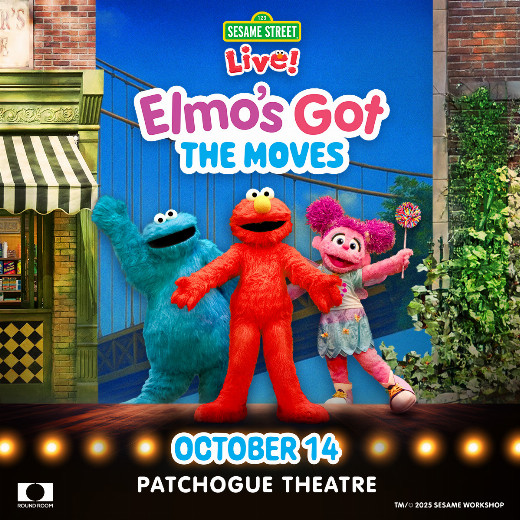
Sesame Street Live: Elmo’s Got the Moves Patchogue Theatre (10/14-10/14) |
|
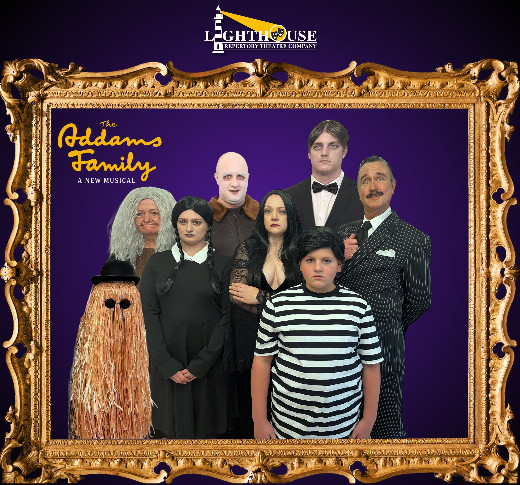
The Addams Family-A Musical Comedy Lighthouse Rep Theatre Company (9/18-9/27) |
|
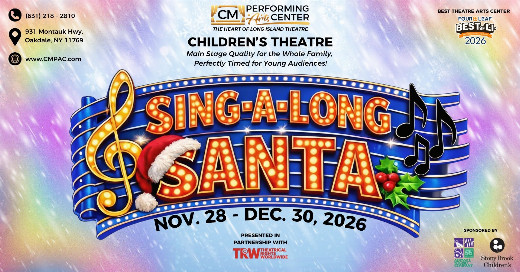
Sing-A-Long Santa, Presented in Partnership with TRW The Noel S. Ruiz Theatre (11/28-12/30) |
|
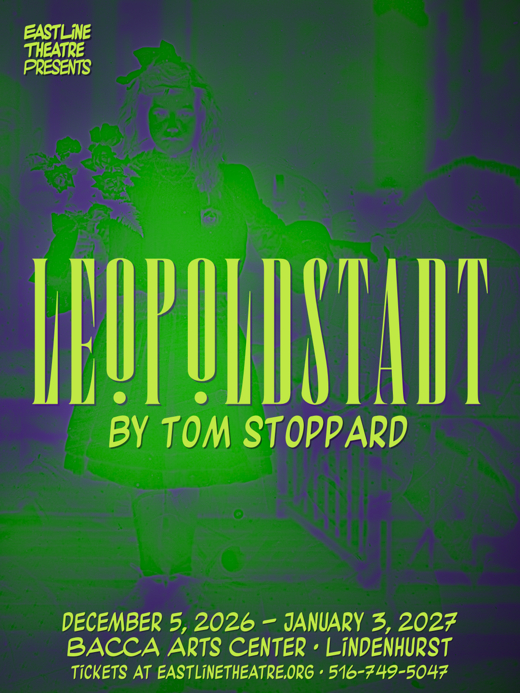
Leopoldstadt BACCA Arts Center (12/05-1/03) |

|
The Addams Family the Musical The Noel S. Ruiz Theatre (10/03-11/01) |

|
The Addams Family Calderone Theater at Celebrate Saint James Center for the Arts (9/18-9/27) |
|
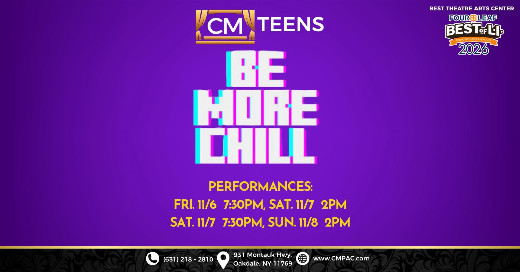
CM Teens Presents: Be More Chill CM Teens (11/06-11/08) |

|
The Dinner Detective Murder Mystery Dinner Show The Dinner Detective Long Island (9/26-9/26) |
|
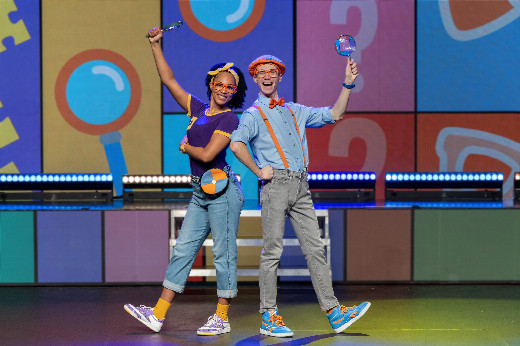
Be Like Blippi Tour! Tilles Center for the Performing Arts Long Island University (12/09-12/09) |
