


Interview: SCOTT SILVEN of THE LOST THINGS at Texas Performing Arts At The McCullough Theatre
It’s mysterious and emotional, but it’s also fun and full of surprise!
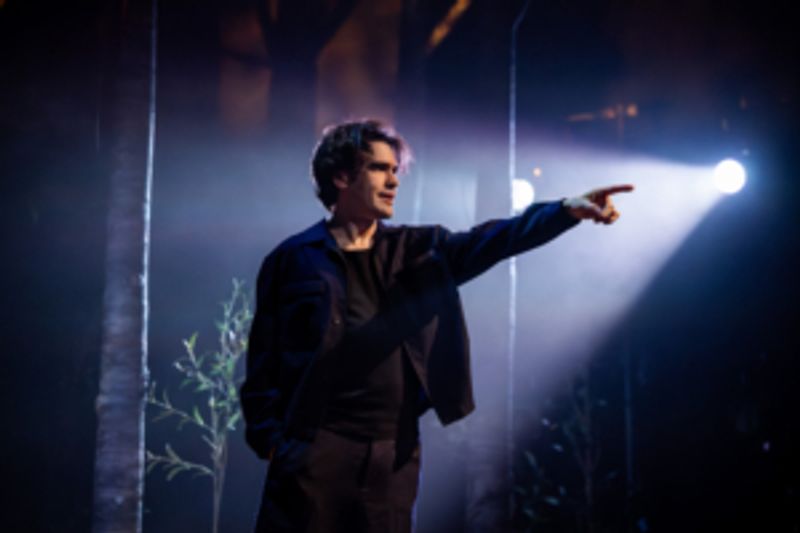
Scott Silven claims he’s not a magician, though he does perform some pretty magical tricks. His craft is less about fooling an audience than using illusion to explore memory, connection, and the stories we carry with us. After his grandfather showed him a magic trick—and then told him how it was done—Silven was hooked. He went on to study psychology, hypnosis, and magic, weaving them together to create intimate evenings of shared experience where memories and stories become part of the performance itself.
Silven brings The Lost Things to the McCullough Theatre next week as part of Texas Performing Arts’ 2026–27 season. It turns out the most intriguing thing about Silven’s work may not be how he creates the impossible, but what he hopes the impossible makes possible.
BWW: Your work sits somewhere between illusion, storytelling, theatre, and psychology. How do you describe what you do—and what do you hope an audience experiences beyond simply wondering, “How did he do that?”
Silven: At heart, I’m an illusionist, a mentalist, and theatre-maker. I work with the seemingly impossible; with thoughts, memories, choices and the strange connections that appear between people. But I use those forms to create theatre. Unlike other magic or mentalism shows, the illusion isn’t just a series of tricks, an interruption to the story or a moment where I stop everything to prove how clever I am. It’s part of the storytelling. So I suppose I’m interested in creating experiences that feel impossible, but for me the impossibility has to reveal something rather than simply show off a secret.
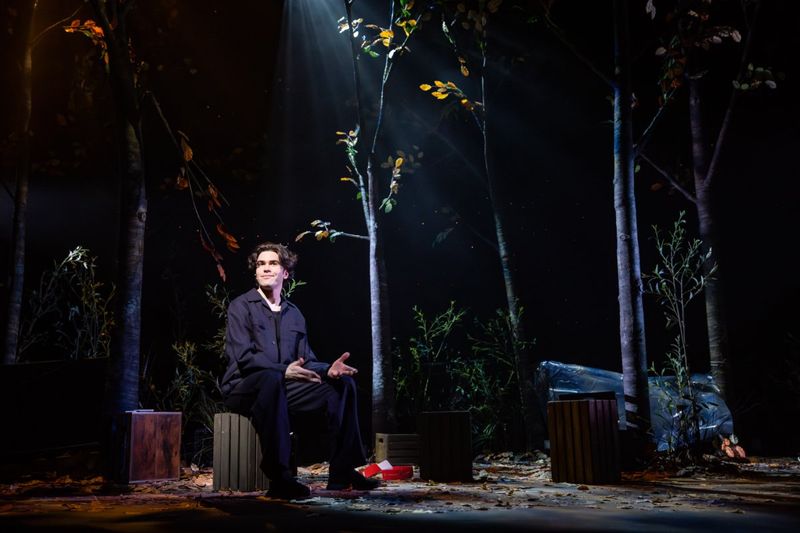
The Lost Things begins with a childhood memory of losing something important in the woods near where I grew up in Scotland and gradually opens into a much larger exploration of what we lose, what we keep and the strange ways the past continues to live inside us. Stories move through the room, memories surface and impossible connections begin to appear. The audience doesn't simply watch that world; they help create it.
Of course, I want people to experience that visceral rush of “How on earth did that happen?” That’s one of the great joys of illusion. But I also want the impossible to catch them off guard emotionally. Ideally, they leave talking about what happened in the room, then find themselves thinking about someone or something from their own lives days later.
BWW: Connection seems to be central to your work, even though illusion traditionally depends on keeping something hidden from the audience. How do you think about that tension between mystery and intimacy?
Silven: Illusion keeps its method hidden, but I don’t think the performer should hide behind it. Everything surrounding the secret has to feel truthful.
In The Lost Things, people share memories, make choices and place something of themselves into the performance. That creates a genuine intimacy and an immersive experience, but also a real responsibility. I never want participation to feel exposing or combative. Nobody is dragged onto a stage or made fun of. The invitation is generous, and the audience decides how far they want to follow it.
For me, mystery and connection aren’t opposites. When something impossible happens around a story that feels personal, everyone in the room becomes connected by the fact that they witnessed it together. We may never agree on how it happened, but we all know that it did. There’s something thrilling, and strangely intimate, about sharing an experience none of us can quite explain.
BWW: You’ve spoken about memory, imagination, and the stories we tell ourselves as recurring ideas in your work. What continues to draw you back to those themes?
Silven: Memory is extraordinary because it can feel completely true while being incredibly unreliable. We lose details, alter events and fill in gaps without realising we’re doing it. In a way, we’re constantly creating the story of who we are.
The Lost Things grew from memories of where I was raised in Scotland: the woods I disappeared into as a kid, the things I collected and the worlds I imagined there. Returning to those memories as an adult, I began to wonder what had actually been lost and what had simply changed shape.
That question runs through the whole show. Can something we’ve lost ever truly disappear? Can a place, an object or a person return to us through memory? Illusion allows me to explore those ideas physically. A thought can move across a room. Something lost can return somewhere impossible. A private memory can suddenly become visible. It allows the interior world of the audience to become part of the theatre.
.jpg?format=auto&width=800)
BWW: Your performances ask audiences to participate rather than simply observe. How much does the particular audience in the room shape what happens on any given night?
Silven: Enormously. There’s a really carefully considered journey through The Lost Things, but the audience helps determine the path we take through it.
Their memories, choices and stories influence what happens, so no two performances can ever be identical. Something shared by one person might make the room erupt with laughter one night; the next, a completely different memory can shift the atmosphere in another direction.
That unpredictability is really exciting to me. We begin together without knowing exactly where the show will take us. By the end, things introduced by the audience have become woven into the fabric of the performance in ways that feel genuinely impossible. They aren’t volunteers helping me demonstrate a trick. They’re collaborators in a piece of theatre that can exist only once, with those particular people in that particular room.
BWW: For someone coming to see your work for the first time, what would you tell them to expect—or, perhaps, what would you rather they not expect?
Silven: I’d tell them not to expect a conventional magic show. There are no rabbits, card tricks or people in boxes, and most importantly, nobody is going to be humiliated or forced onto the stage.
The Lost Things is a journey through story, illusion, sound and light. It begins intimately and gradually transforms the theatre around you. There are moments when the entire room becomes part of the experience, and moments when something seemingly very small—a photograph, a name, a half-forgotten memory—creates something impossible.
It’s mysterious and emotional, but it’s also fun and full of surprise. You can participate or simply watch it unfold. All I’d really ask is that you arrive curious and allow the experience to take you somewhere.
You may leave still wondering how certain things happened. But I hope you also leave looking at your own memories, and your own journey, a little differently.
Scott Silven’s The Lost Things plays the McCullough Theatre September 25–26, with performances Friday at 7:30 p.m. and Saturday at 1:30 and 7:30 p.m. Tickets start at $39 and are available through Texas Performing Arts.
Sign up for all the news on the Summer season, discounts & more...
|
All My Sons Patti Strickel Harrision Theatre (9/29-10/04) |
|
Boeing Boeing TexARTS: Theatre & Academy (9/18-10/04) |

|
Spaceflight Records presents a 'GRAMMY Awards® For Your Consideration' event with Austin-based jazz singer Sarah Sharp The Victorian at The Driskill (9/16-9/16) |

|
Primary Trust Austin Playhouse (9/11-10/04) |

|
The Second-To-Last Chance Ladies League Georgetown Palace Theatre-Doug Smith Performance Center (10/16-11/15) |
|
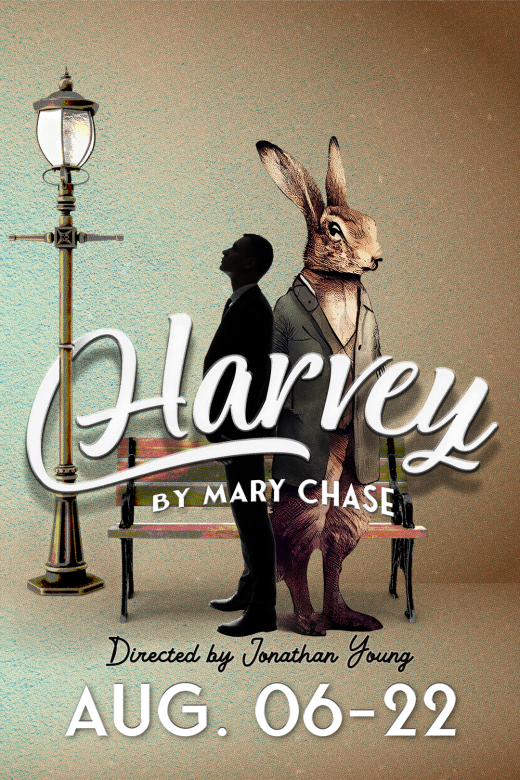
Harvey BASTROP OPERA HOUSE (8/06-8/22) |
|
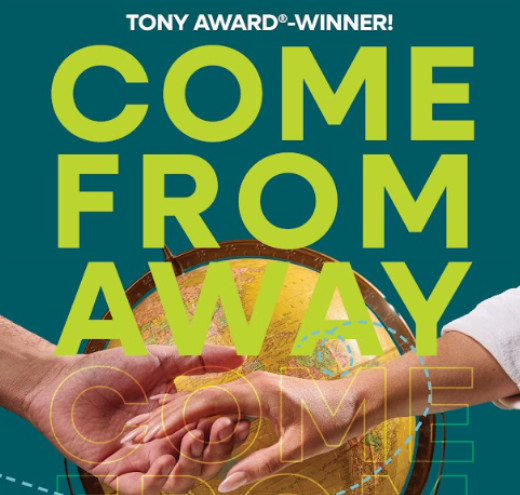
Come From Away Zach Theater (8/19-9/27) |
|
Chayanne Don Haskins Center (10/01-10/01) |
|
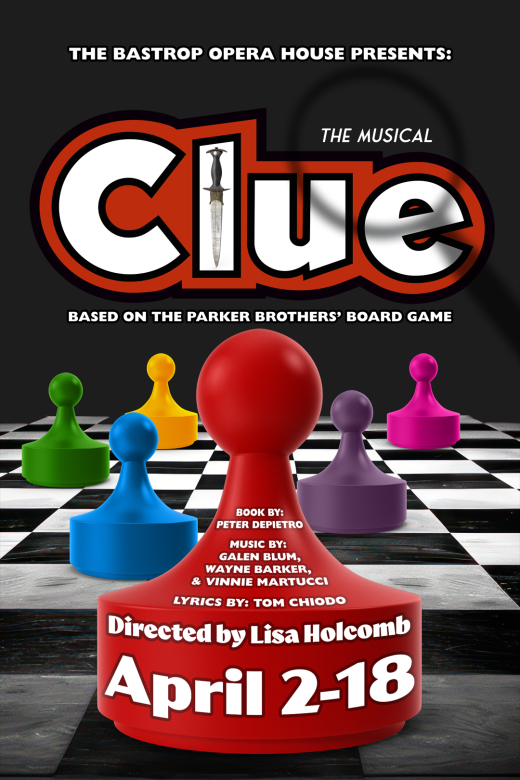
Clue: The Musical BASTROP OPERA HOUSE (4/02-4/18) |
|
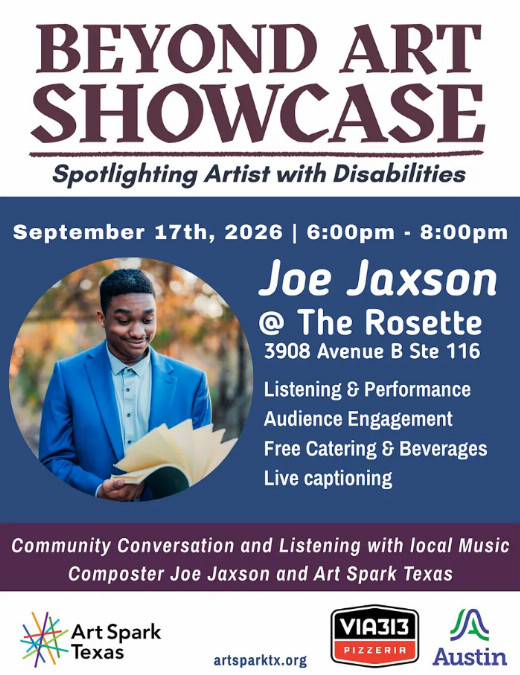
Beyond Art Showcase with Joe Jaxson The Rosette (9/17-9/17) |
