Photos: Toccata Classics to Release Six Albums Featuring Rare Piano and Chamber Works
Releases include Martin Eastick's piano compositions, Ferdinand Thieriot's chamber music, and the first recording of Thieriot's Op. 78 Octet for strings.
Toccata Classics is releasing six new albums on 6 November 2026, featuring rare piano and chamber works by composers including Martin Eastick, Ferdinand Thieriot, Caspar Diethelm, Joseph Woelfl, Brian Brockless and Fernando Lopes Graça.
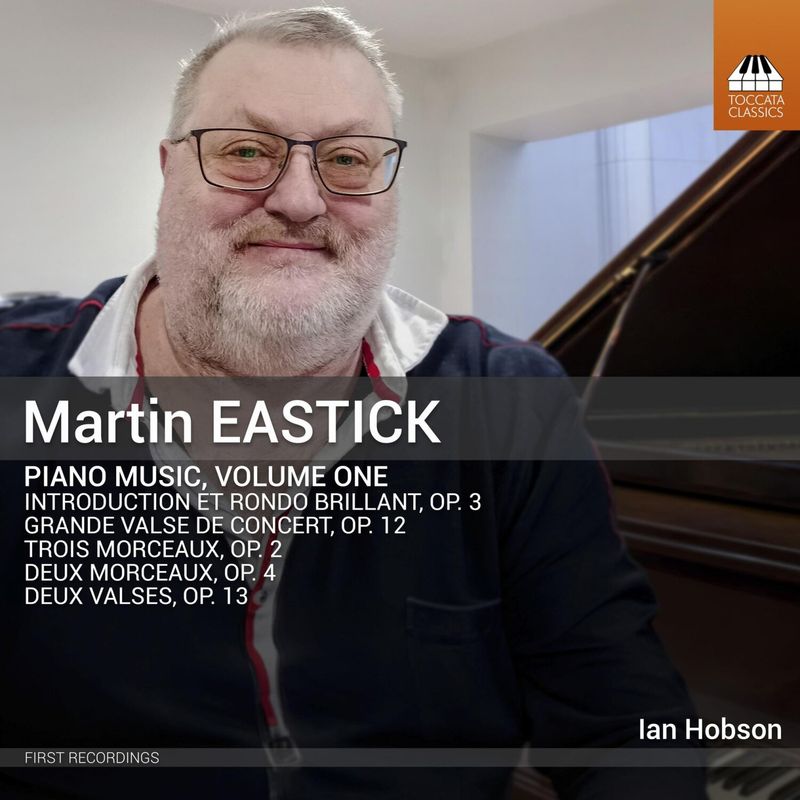
Martin Eastick: Piano Music, Vol. 1 (TOCC 0784)
Martin Eastick (b. 1957) has a reputation as an authority on some of the most obscure piano music of the nineteenth century: his south London home is a repository of a vast number of rare scores. But even those who consult him for advice on repertoire are generally unaware that he is himself a composer, his handful of compositions reflecting his fondness for the music of the 'Golden Age' pianist-composers whom he admires, from Chopin and Czerny to Godowsky and Paderewski, just sometimes with a hint of jazz – its overt and timeless charm belying its fearsome difficulty.
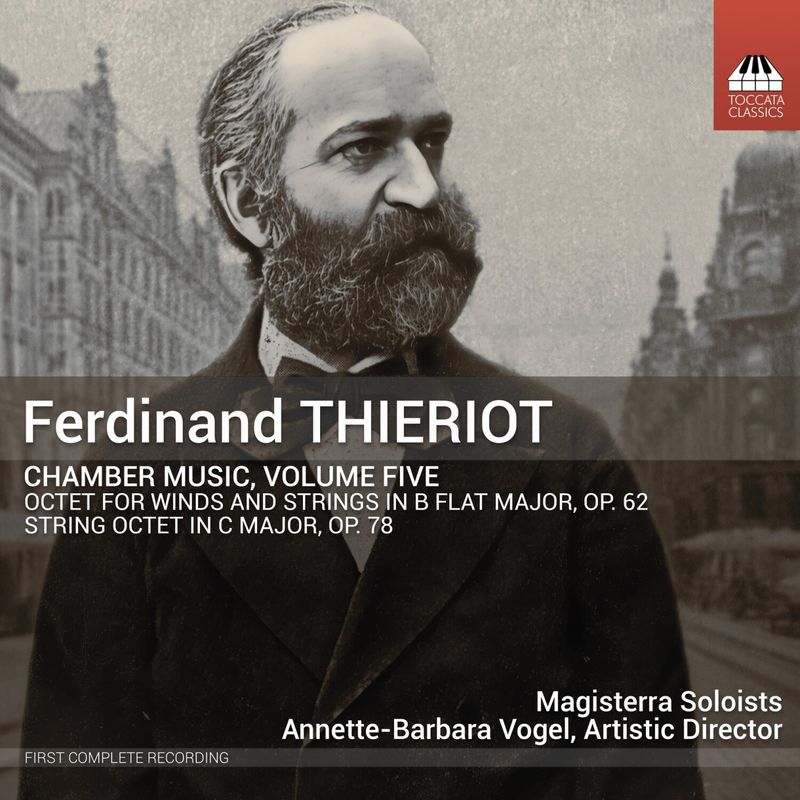
Ferdinand Thieriot: Chamber Music, Vol. 5 (TOCC 0812)
The Hamburg-born Ferdinand Thieriot (1838–1919) not only shared a teacher – Eduard Marxsen – with Brahms; both composers, who remained friends in later years, use a very similar musical language. The musicologist Wilhelm Altmann wrote that 'Thieriot's chamber music is without exception noble and pure. He writes with perfect command of form and expression' – as the works on this fifth Toccata Classics volume prove, in their exquisite balance of depth and beauty, of Brahmsian richness and Schubertian spontaneity. Thieriot's Op. 62 Octet for winds and strings brings one gorgeous tune after another, but it's the Op. 78 Octet for strings – here in its first recording – that will astonish: in its blend of melodic profusion and effortless counterpoint it is hardly less impressive than Mendelssohn's exemplar.
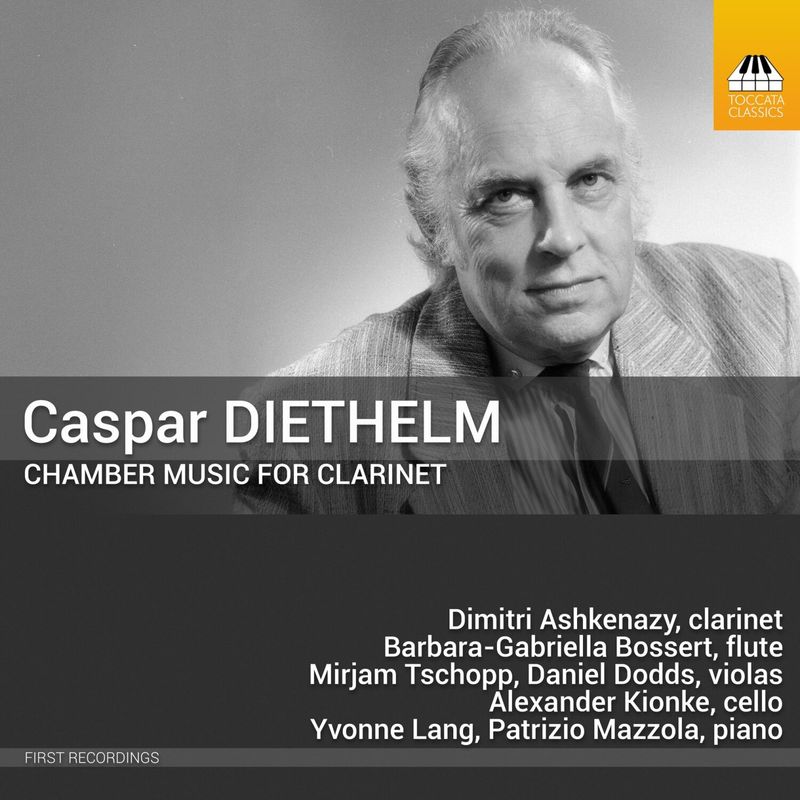
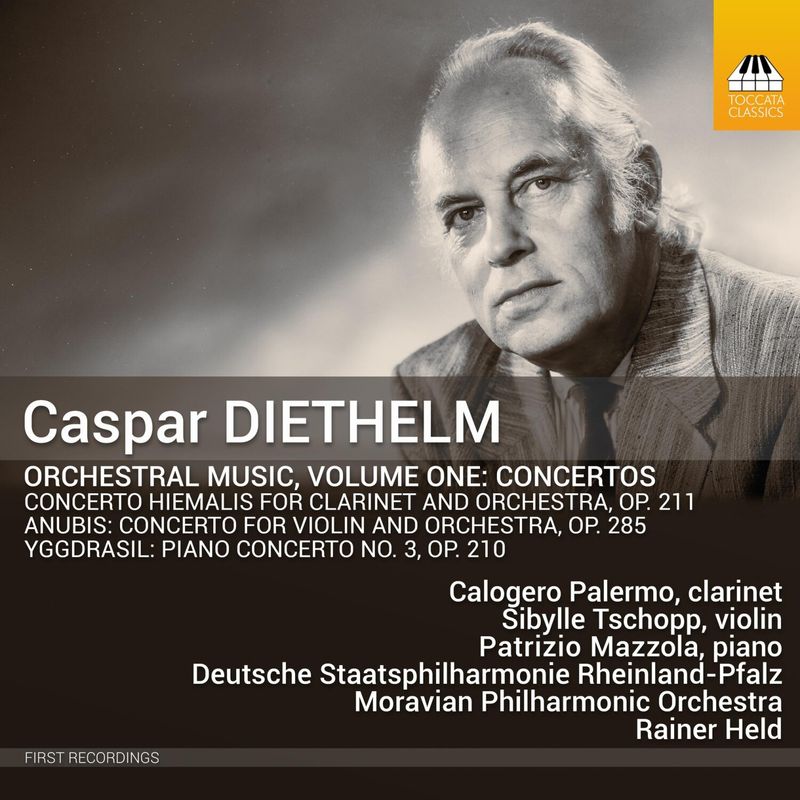
Caspar Diethelm: Chamber Music for Clarinet (TOCC 0816)
Caspar Diethelm (1926–97) was one of the leading Swiss composers of the twentieth century. His free-tonal style – angular yet accessible – drew on the inheritance of several of his predecessors, above all Hindemith, Honegger (both of whom were his teachers), Martin and Schoeck, with Bartók adding rhythmic spice. These influences he combined with an awareness of modernism to form an individual and expressive musical language of his own. These chamber works for clarinet, covering over thirty years of creativity, are variously informed by lyrical tenderness, ironic humour, a dark sense of drama, edgy energy and light-hearted playfulness. Largely unknown until now, they constitute a major addition to the clarinettist's repertoire.
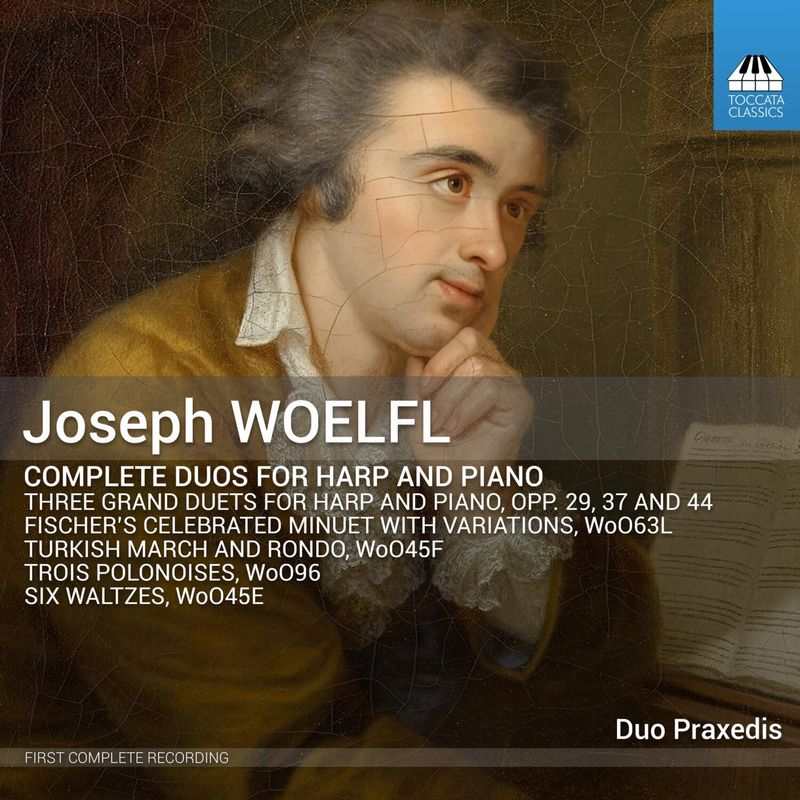
Joseph Woelfl: Complete Duos for Harp and Piano (TOCC 0818)
Joseph Woelfl (1773–1812), a friend of the Mozart family from childhood, was one of the best-known musicians of his day: he was regarded as a rival of Beethoven in Vienna and a worthy successor to Haydn in the musical life of London. When the invention of the pedal harp around 1800 allowed it to be used in combination with the piano, Woelfl was one of the many composers who took advantage of the new sonorities now made possible, in a series of works noteworthy for their elegance and charm, in a style which bridges the Classical and Romantic.
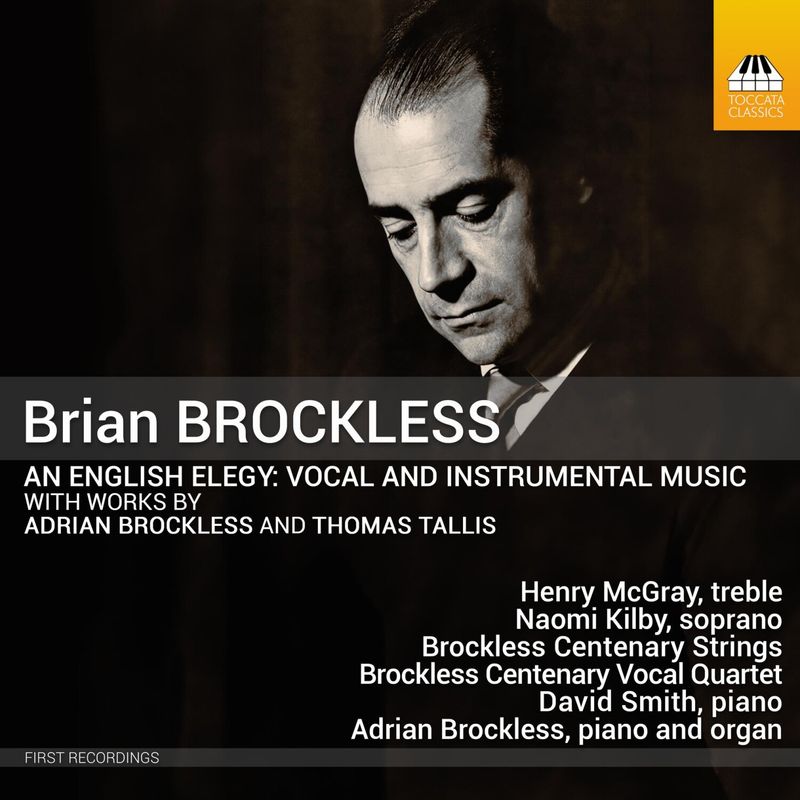
Brian Brockless: An English Elegy: Vocal and Instrumental Music (TOCC 0823)
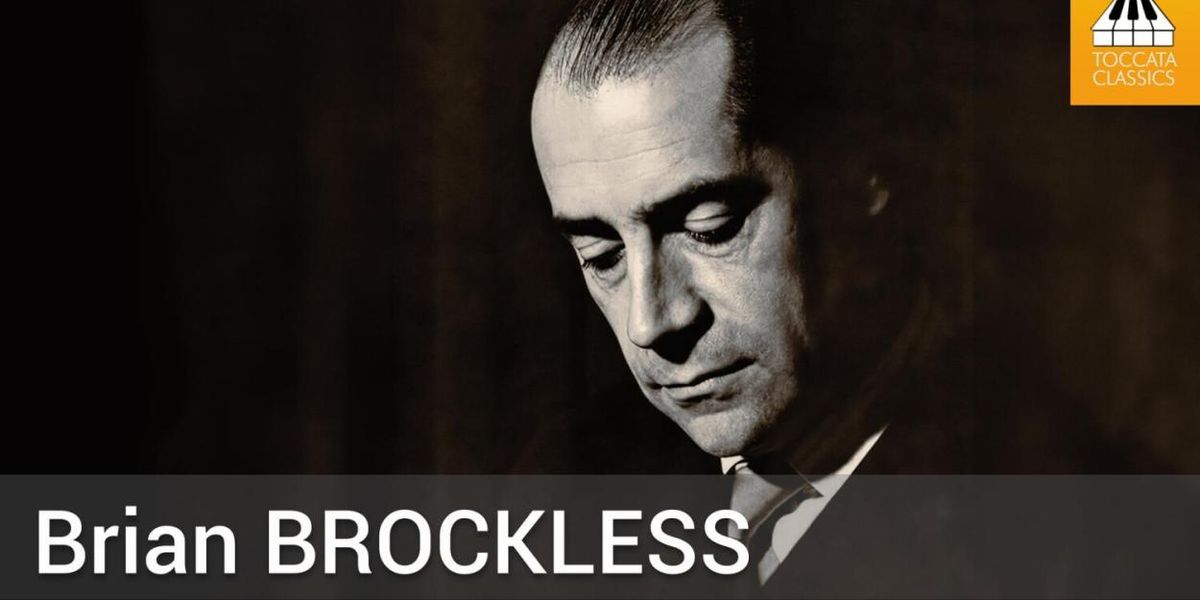
Brian Brockless (1926–95), London-born and -bred, was a conductor, organist, teacher and composer whose career embraced orchestral performance, sacred music, musical education and the revival of Renaissance polyphony. After studying with Herbert Howells, Mátyás Seiber and Sergiu Celibidache, he taught harmony and orchestration at the Royal Academy of Music and served for many years as Director of Music at a City of London church. This album – the first recorded survey of his music – ranges from works for string orchestra and piano to songs, sacred vocal music and music for organ, most of them prepared from unpublished manuscripts. The music as a whole is marked by an essential Englishness, one which looks to earlier traditions and also reflects the modernity of the second half of the twentieth century.
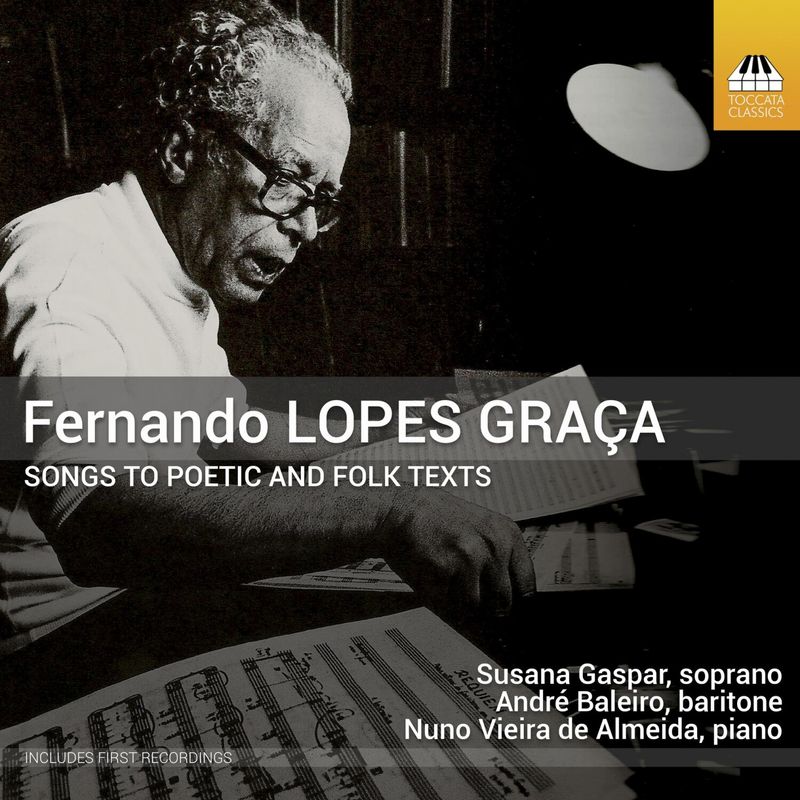
Fernando Lopes Graça: Songs to Poetic and Folk Texts (TOCC 0825)
The Portuguese composer Fernando Lopes Graça (1906–94) was one of the thousands of victims of Salazar's right-wing dictatorship: his works were confiscated, and he was prohibited from teaching. He responded in music, with a prolific output inspired by both folk-music and the evolving musical language of his European contemporaries, marrying tradition and modernism. His songs for voice and piano set texts from both popular and 'high' culture, unified by his ardent humanist outlook and the dignified manner in which he expressed it.