


Interview: Theatre Life with Conrad R. Kelly II
Step Afrika's Associate Artistic Director on the importance of the company's latest premiere piece The Fruits of Our Labor and more.

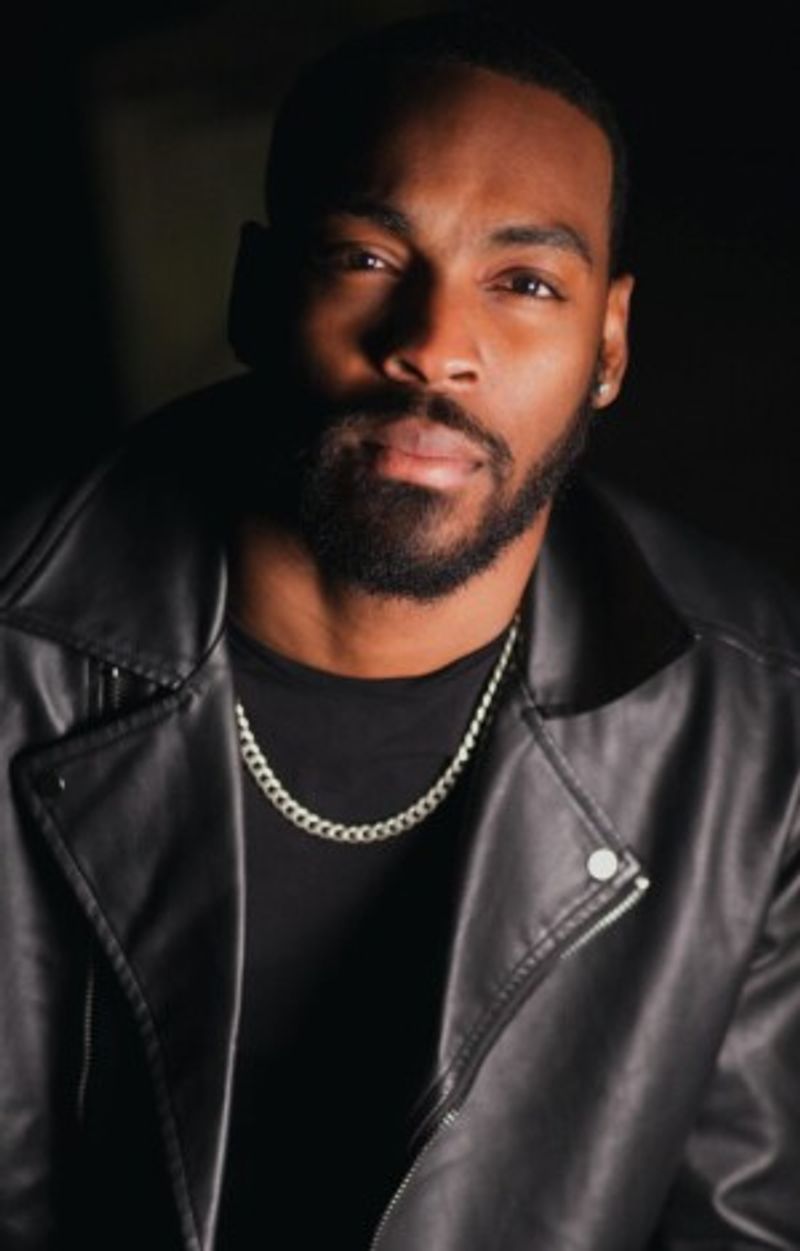
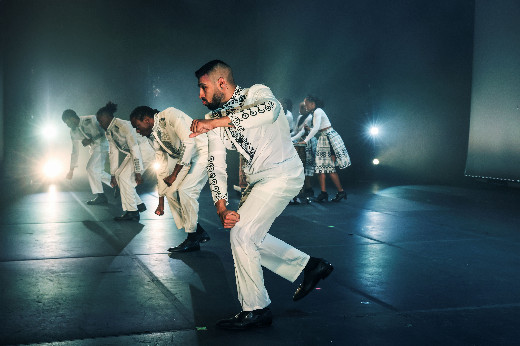
Today’s subject Conrad R. Kelly II is currently living his theatre life as co-Director for the esteemed Step Afrika’s The Fruits of Our Labor. Mr. Kelly is also the company’s Associate Artistic Director. The show continues performances at Arena Stage in the Fichandler through November 1st and is a premiere piece.
Conrad is a native of Fort Lauderdale, FL, who studied Criminal Justice at Florida A&M University. During his time at FAMU, he performed with the Marching 100 and The Strikers. Conrad later became a soloist for The Rolle Project in Las Vegas and a dance instructor at Studio 305, where he taught hip-hop, contemporary, and jazz.
He has won numerous awards as a choreographer and dancer, including being a two-time recipient of the DC Commission on Arts and Humanities’ prestigious Arts and Humanities Fellowship Program. This is Conrad’s ninth season with Step Afrika!.
The Fruits of Our Labor is one of those pieces that everyone needs to see. Aside from all of the superb choreography and production elements that you come to expect from Step Afrika!, the story it tells is one of utmost importance as our nation celebrates its 250th anniversary. Grab your tickets to this very important piece and support the work that Conrad R. Kelly II and company are creating with each production Step Afrika offers.
Conrad R. Kelly II is truly living his theatre life to the fullest.
At what age did you become interested in dance?
I’ve been interested in dance pretty much my entire life. I come from a dancing family on both my mother’s and father’s sides. You could walk into either side of the family’s house for a gathering, a party, or even just a random day, and there would always be music playing and people dancing. That environment was a big part of my upbringing and helped keep my passion for dance alive.
My grandmother had a step team called The Half Steppers, and my dad pretty much ran the group. Looking back, he was essentially the Artistic Director! I joined the team when I was just four years old, while most of the other members were in middle or high school. I was basically their little mascot.
Our performances combined stepping and other dance styles. Even before I officially joined, I remember going to festivals with the team, where the host would sometimes call for an impromptu dance contest. Before the host could even choose contestants, one of the members would pick me up and put me right onstage.
I can still remember my parents offering extra incentives to get me going. My dad or mom would say, “If you win, I’ll take you to McDonald’s!” And as I got older, the bribes got bigger. (Laughs.) But honestly, once the music started, I wasn’t thinking about the prize. I was just up there having a good time. Dancing always felt natural to me.
Throughout my childhood, I participated in all kinds of extracurricular activities, including sports and marching band. But no matter what else I was involved in, my passion for dance never went away. I also joined two dance groups in high school, but it was when I joined the FAMU Strikers in college that everything really took off for me. That experience helped shape my journey and set me on the path toward the career I have today.
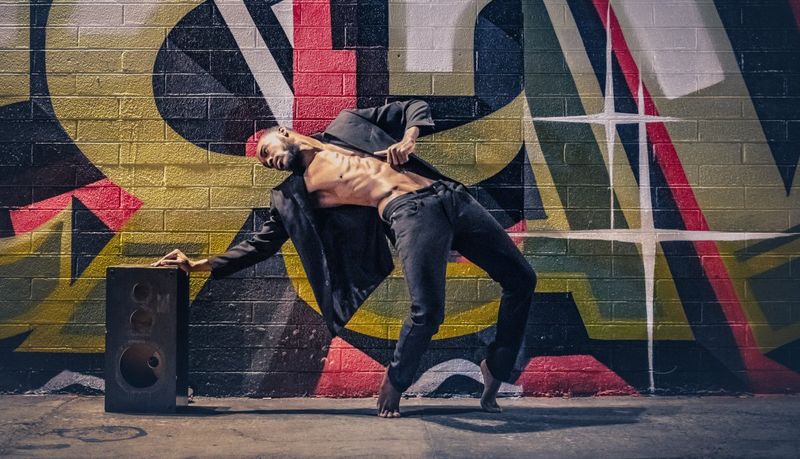
Photo by CD Bennett Photography.
What was your first professional job as a dancer?
Honestly, I can’t remember the exact first professional gig I had as a dancer. I’m sure it was a small gig while I was in college at FAMU, getting paid to dance backup for local artists and perform at showcases with some of my friends. I was a college student making a little extra money doing something I loved.
But I think my first real professional dance job, where I was consistently dancing and getting paid for it, came after college. After college, I moved back home to Fort Lauderdale in August 2015 and gave myself a 12-month deadline to figure out what I wanted to do artistically and creatively. During that time, I continued to choreograph for studios and dance companies whenever I could. Then, toward the end of July 2016, I got a phone call that changed everything.
It was from Tyrell Rolle, a professional dancer who founded Studio 305 in Las Vegas. Tyrell also had a pre-professional dance company called The Rolle Project, and he was looking for someone to join.
The opportunity meant I could dance, teach, train, perform, and get paid to do what I loved. So, Vegas is where my professional career in dance begins.
Who would you say was your biggest champion when you started your career?
Honestly, my biggest champions have been my support system, my tribe. It’s such a large group of people, and they’ve supported me for so many years that it’s difficult to name just one person.
My parents have always been incredibly supportive of what I do. My mom, especially, makes sure she sees me perform or experiences something I’ve created at least once a year. If she can’t attend in person, she’ll try to find it on Facebook or online.
My grandparents have also played a massive role in shaping who I am and helping me get to where I am today. I talk to my grandmother almost every day. Sometimes we check in, and other times we’re just laughing, talking about movies, or discussing something completely unrelated to work. She’s one of my biggest and most loving supporters. Honestly, in her eyes, I’m one of the most talented people in the world! Whenever I start thinking about coming offstage for good, she’s the first person to remind me not to count myself out. She’ll say, “I know you might think you’re getting too old, or that you’re too tall, or that you don’t fit the image of what you think you’re supposed to look like, but I don’t believe that. You look good. You’re great.”
What means the most is that I genuinely believe she believes every word she tells me. She’s not just saying it to make me feel better. Her belief in me has helped me continue believing in myself, especially during moments when I’ve questioned whether I should keep performing.
Mr. Shapiro Hardemon, Founder of the FAMU Strikers, has also played a major role in my artistic journey. He taught me much more than choreography or performance. He taught me discipline onstage and offstage, stage etiquette, how to present myself in a professional space, and how to audition. More importantly, he taught me how to become a complete artist rather than focusing only on being a dancer.
How did you come to Step Afrika!?
While visiting Tallahassee to choreograph for the FAMU Strikers, a friend invited me to come see a Step Afrika! performance. As someone who grew up stepping and playing the drums through college, I was instantly hooked by how Step Afrika! used their bodies as instruments.
After the show, one of the Dancers told me about upcoming auditions in May and said I should try out—so I casually agreed, thinking I had absolutely nothing to lose.
I auditioned for Step Afrika! In May 2017 and officially joined the company in August 2017. I went to Tallahassee to choreograph a piece for the very team that helped shape me as a dancer, and I left with an opportunity that would change the direction of my career.
You studied criminal justice. How does one go from that to being the Assistant Artistic Director for an esteemed company like Step Afrika!?
If I had known earlier that I could build a career in dance, I probably would have pursued it differently. But I also believe that everything happens for a reason. At the time, I wanted to attend college, study corrections, and eventually become a police officer. That goal led me to Florida A&M University, where I pursued what I believed was my dream career.
While I was at FAMU, however, I became involved in extracurricular activities, including the Marching 100 and the FAMU Strikers. Those experiences reignited my passion for dance and showed me that I could potentially build a career in the arts. I began to understand that dance was more than something I enjoyed. It was something I could pursue professionally.
I still use many of the skills I learned through criminal justice. We studied anthropology, psychology, and the ways people respond to different environments. We also learned how to communicate effectively, listen carefully, understand people’s perspectives, and de-escalate difficult situations.
Those lessons have been valuable in my work with dancers and within a company environment. As an Assistant Artistic Director, I have to understand the people I work with, recognize what they need, and know how to communicate with them in different situations. Every dancer has a different personality, background, learning style, and way of responding to feedback.
It has also helped me become more protective of the dancers I work with. Leadership is not only about creating choreography or maintaining artistic standards. It is also about creating a safe, respectful, and productive environment where people can grow. I use the awareness of people and situations that I developed through my studies to support the dancers, advocate for them, and help navigate challenges when they arise.
Although criminal justice and dance may seem like completely different paths, my education gave me tools I still use every day as a leader. It taught me to understand people, assess situations, communicate thoughtfully, and approach challenges with awareness.
My journey from criminal justice to dance leadership wasn’t a complete change of direction. It was a process of discovering how different parts of my life could work together. My experiences as a dancer gave me the artistic knowledge and empathy to apply those skills in a creative environment, where I can support and advocate for the artists I work with at Step Afrika!
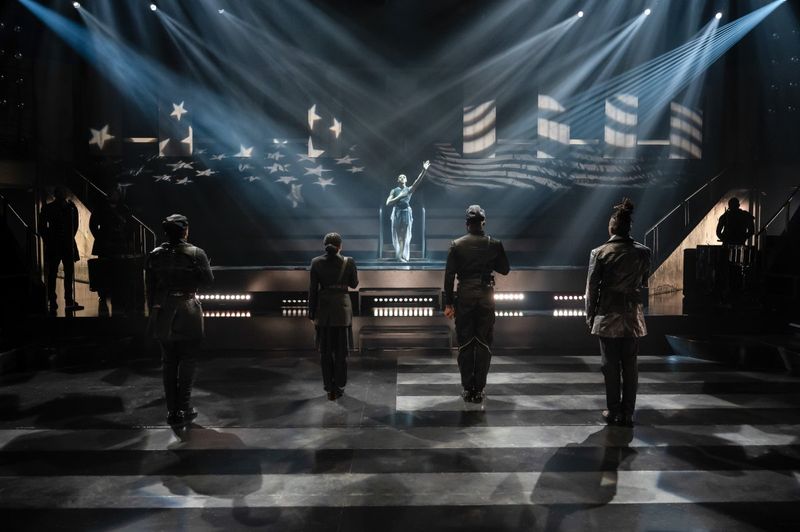
Photo by Teresa Castracane.
How did The Fruits of our Labor come about?
When we started putting together The Fruits of Our Labor, it was all about marking America’s 250th birthday but doing it in a very “Step Afrika!” way. We were heavily inspired by a percussive work called Isithukuthuku by Vusi Mdoyi, a choreographer based in Johannesburg. Vusi created an incredible soundscape using typewriters, sewing machines, and the human body, which provided the perfect blueprint for what our show would become.
Getting the production off the ground took a massive team effort. Jakari Sherman served as both Director and Lead Choreographer, while I focused on choreographing targeted works and enhancing the movement across the rest of the show. We experimented and explored concepts for almost an entire year before it really took shape, literally working right up until opening night to “finish” the piece. Now, we are working to prepare The Fruits of Our Labor for a national tour.
From first idea to first performance, how long was the process of putting The Fruits of Our Labor together?
For me, the process began approximately one year before the world premiere, with conversations about what we wanted the production to be. We discussed the ideas, themes, and direction, and then gradually began shaping those conversations into a full performance. Even after the show premiered, however, the process was, and still is, ongoing.
I like to think of it that way because live theater is always changing, developing, and evolving. What audiences saw on opening night, September 10, was an important version of the show, but it was not necessarily the final version. We are still processing the work and finding ways to strengthen it.
As the production continues to be performed and developed, each performance gives us an opportunity to learn more about the work, respond to audiences, and discover new possibilities within the piece.
So, while the initial process took about a year, the creative process continues.
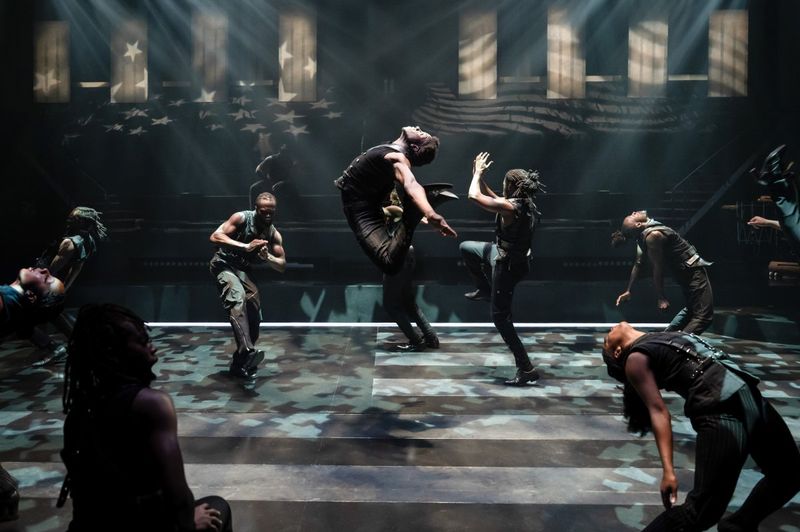
Photo by Teresa Castracane.
Why do you think The Fruits of Our Labor is so important for audiences to see?
I think The Fruits of Our Labor is important for audiences to see because it offers a unique way to reflect on and celebrate 250 years of America.
The production allows audiences to receive the message in their own way and interpret it through the sounds, images, movement, and emotions they experience. The combination of music, rhythm, and physical expression can connect with people differently than words alone, inviting each audience member to bring their own memories, traditions, and experiences to the performance.
There are moments that reference fireworks, the military, the flag, and other symbols that carry meaning in American history and culture. Some details may be immediately recognizable, while others are things audiences may discover as they continue watching the show. Each element invites people to think about what America means to them.
I also think the production is important because it recognizes that we are all patriots in our own way. We have each invested something in the country and in our own ideas of what America is, what it has been, and what it can become. The show gives us an opportunity to consider those different perspectives without telling audiences exactly what they have to think or feel.
In that way, The Fruits of Our Labor is our version of a conversation about America. It is a unique way of sharing what we believe America is today, what it can be, and what it might become. Audiences can come, enjoy the performance, and decide for themselves what the experience means to them.
What is next for Step Afrika! for the rest of the year and into 2027?
We have a lot to look forward to! Step Afrika! will continue our performances at Arena Stage through December 23rd, with additional opportunities to see Step Afrika! in California and Michigan. Then, in January, we’ll kick off a 30+ city tour of the United States and Canada, going everywhere from New York City to Illinois to Seattle, Washington. We’re excited to continue sharing the power and artistry of stepping with audiences across the country and beyond. To find a performance near you, click here.
Special thanks to Arena Stage's Public Relations Specialist Anastasia St. Hilaire for her assistance in coordinating this interview.
Theatre Life logo designed by Kevin Laughon.

Weekly top stories - unsubscribe anytime.

|
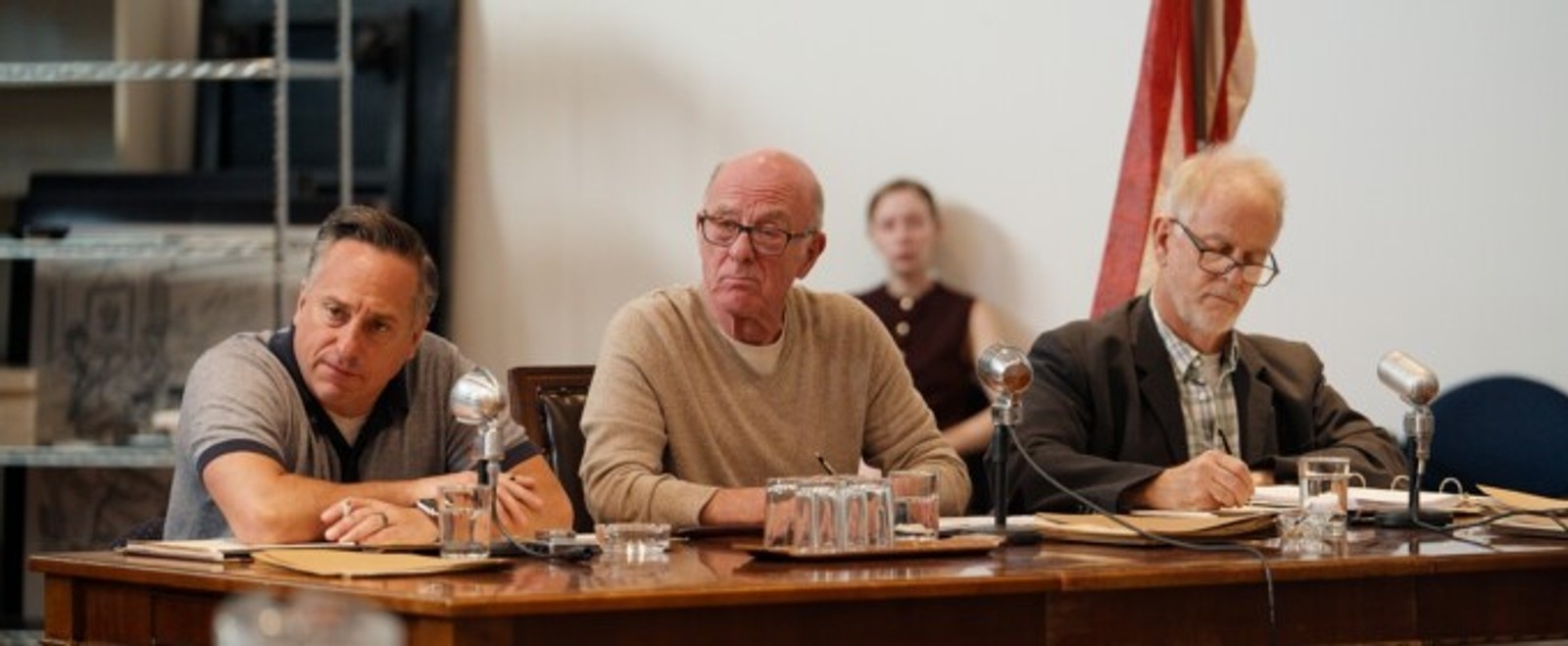
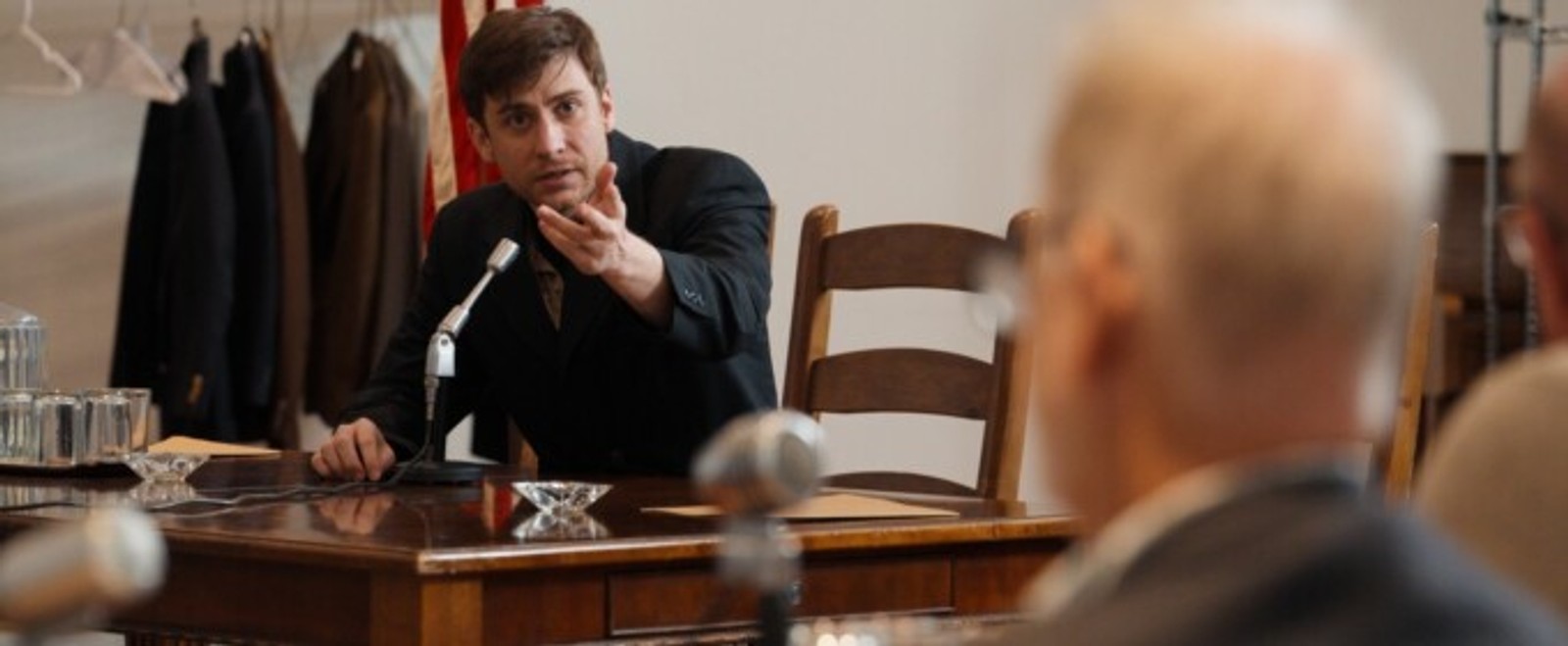
Are You Now or Have You Ever Been? Arena Stage at the Mead Center for American Theater (10/17-12/06) |
|
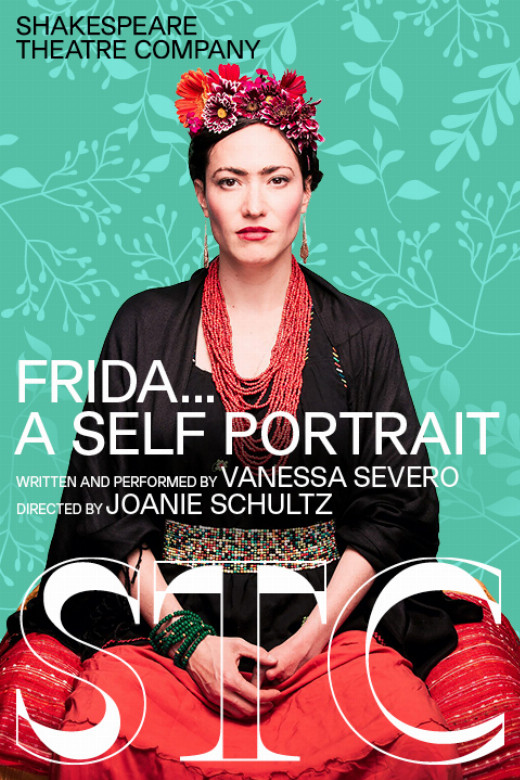
Frida...A Self Portrait Shakespeare Theatre Company (10/08-11/08) |
|
The Score Shakespeare Theatre Company (9/11-10/25) |
|
XXII FUEGO FLAMENCO FESTIVAL GALA Hispanic Theatre (11/05-11/22) |
|
Monsters of the Villa Diodati Creative Cauldron (10/08-11/01) |

|
Some Like It Hot Bernard Family Theatre, Olney Theatre Center (9/18-11/08) |
|
Stonewall's Bust The Writers Center (10/09-10/25) |

|
Disney Frozen the Broadway Musical Disney Frozen the Broadway Musical (11/20-11/29) |

|
The Jersey Four A Tribute to Frankie Valli and The 4 Seasons, featuring original member Gerry Polci F. Scott Fitzgerald Theatre (4/18-4/18) |

|
My English Persian Kitchen Atlas Performing Arts Center (11/12-12/06) |