


Interview: Domenico Leona of WE ONLY COME OUT AT NIGHT at The Phoenix Group With Company Onstage
A world premiere horror comedy just in time for Halloween!
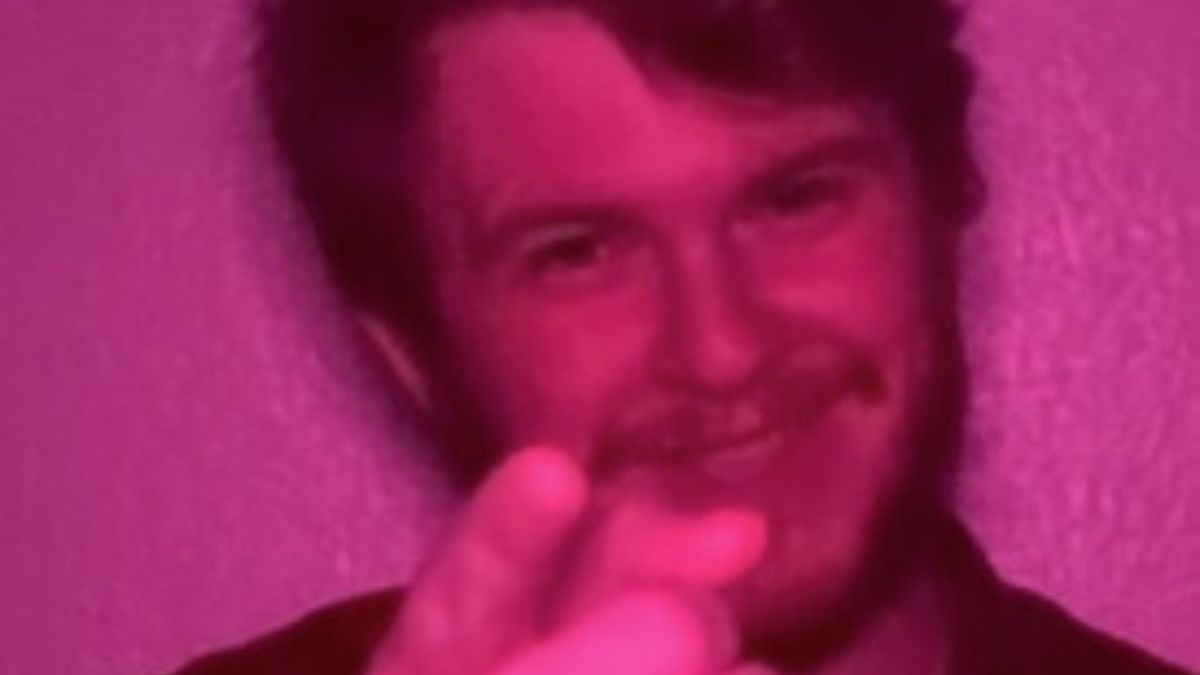
Domenico Leona is directing We Only Come Out at Night, a horror-comedy for Company OnStage. It is a co-production with his The Phoenix Group. The show is written by Austin Brady, and it is a world premiere. Domenico has become one of the most fascinating figures in Houston theater - a poet, an actor, a producer, a writer, and a director. He is everything you can imagine all at once! Also, he is just a truly nice guy in a world where that is rare. BROADWAY WORLD writer Brett Cullum got a chance to talk with Domenico about We Only Come Out at Night. The show opens at the Company Onstage Theater space on October 2nd and runs through the 24th. It's the perfect play for the Halloween season!
Brett Cullum: Tell me what We Only Come Out at Night is about.
Domenico Leona: Well, the essential, basic premise of this story is kind of rare as a horror play. In terms of what kind of horror we're talking about, I think it's very adjacent to Evil Dead, Sam Raimi, kind of B-horror, so a lot more horror comedy than anything, which is pretty rare to see on stage. The story is about these two young bar owners. All of it takes place in the present day in East Downtown, Houston. These two young bar owners hatch a sinister plot against three college students who visit the bar one winter night, around the time the play is set, near Halloween. A lot of the show and the events that sort of take place just work to uncover that mystery of who these people are, who these college kids are, and more accurately and more mysteriously, I suppose, what they all are.
Brett Cullum: What made you want to produce it?
Domenico Leona: Well, I read the play about two years ago. Austin Brady was still workshopping it, and normally, I'm not really into horror. I mean, I did some experimental horror stuff while making movies back in 2020 and 2021. But I had never really been drawn to a horror play, or a play that was operating in a very specific kind of genre. I think something I liked so much about We Only Come Out at Night was that it was a play that just kept surprising me. At the center are these two characters, Liz and Benji, who are the people who hatch this sinister plot, and when I say that, it sounds like, oh, these two are just these terrible villains and these shadowy figures of the night.
But as I kept reading, I found the line blurring between who is bad and who is good in the show. It felt like, oh, well, if I were to produce something like this, or to co-produce it with Company on Stage, we would have an opportunity not to make a show that was full-on entertainment, but we could make something that people could go to a bar or a coffee shop, the same places that this play takes place in, and have heated debates about who they resonated with, who they related to, who they excoriate, and how they judge everyone. And I feel like a lot of different people could have different opinions about who these people were and why they do what they do. I think that was probably the primary motivator behind me doing it.
Brett Cullum: Who is Austin Brady? How did you hook up with Austin?
Domenico Leona: Austin Brady is probably best known as one of the core members of Drunk Shakespeare, a company here in Houston that does what it says it does: Shakespeare while drunk. I met him, actually, at their first rehearsal, before Drunk Shakespeare had gone up in Houston. Now they've been here for multiple years. But I was working at Main Street Theater at the time, and I met Austin Brady because I had to babysit Main Street Theater's annex rehearsal space, which is where they held their first rehearsals before they ever had a space at all. He and I just sort of clicked right off the bat, similar sense of humor, similar kind of people, and similar interests. The more I learned about him, and the more I kind of spent time with him, he wound up being one of these people that's kind of like a pool that never stops deepening. He just had so much to him. He's a painter and an artist, and an actor and a playwright. He just had so much ambition, and whenever he asked me to read this thing, and I was kind of looking for something to direct, or a way to keep myself busy and keep myself challenged, this just literally jumped off the page at me and scared the bejesus out of me as I read it one night. Austin is just one of those people who never wants to stop trying new things, and I find him to be a pretty inspiring figure here in Houston. The opportunity to collaborate with him on this is just exceptional.
Brett Cullum: Horror is very popular in film, but I don't see it as often on stage, and I think it's very technically challenging. Is this a technical challenge for you and for the group?
Domenico Leona: Yeah, the last show I did, Mystic Familiar, had a lot of tech, but it was kind of stripped down because we were in a converted living room, as you may remember. We tried one part of that play that was a little scary, where we were working with lights and sound. A lot of what I'm doing with Ian Mauzy, our lighting and sound designer, who's lighting this by himself but sound-designing it with me, is just getting a lot of diegetic sound. I've been out recording in Houston, around bars, and kind of trying to capture what it sounds like there. Horror is a technical challenge. How effective are our lights at flickering? How effective is the sound of scraping off stage, or someone suddenly walking on four legs instead of two? What are the ways in which we can surprise this audience?
I think it's a common contention that in theater, you have to convince the audience that what's happening on stage is really happening, but I don't think that's actually true at all. I think I just have to convince you that what these characters are feeling is real.
While the technical can sort of aid the actors in finding that feeling of real fear and real terror, I think whenever there's something approaching one of these actors, and the only way you can tell what these things look like, or what these people look like, is based on the reaction that the actor has. I think that works as a far more effective tool than even flashing lights, or breaking glass, or screams, or car alarms, or gunshots.
So I think it's as much a directing challenge in getting the actors to actually feel present as it is a technical challenge in making you feel like, God, I don't know when these lights are going to be on or off.
Brett Cullum: Speaking of challenging some actors, who all is in this one?
Domenico Leona: So we got Jared Guidry, who you might remember from the last play I did, Mystic Familiar. He was doing double duty and jumped hot off the back of that into this one, playing one of the leads, Benji, one of the people hatching this quote-unquote sinister plot. I got Veda Salinas playing his counterpart, Elizabeth. She's from Sam Houston. We got a lot of Sam Houston kids in this one. It's been kind of cool, because two of the characters in this go to the University of Houston, so to put them in a kind of different subculture as these Houston frat kids is pretty interesting. Dylan Vidari is one of those kids, Sam Houston, really young, really fresh-faced on the scene. I saw him at a short play festival, and he came and auditioned for me and just knocked my socks off.
Similarly, Willie Morris, playing the role of Vince, one of the kind of tough, burly, full-on frat boy kind of vibes that he just gave off, which couldn't be farther from who he is in real life, but God, does he play it well. And then, of course, Matthew Martinez, playing Elijah, is going against type here. You may remember him as a sort of eternally sympathetic and lovable figure in Drive-Through Monterey. I feel like most times when I see actors do a role they're really good at, the first thought I have is: what happens if you put them in a role that's completely different andmaybe not fully comfortable with. Matthew coming in and kind of playing this guy who's at a 10 on the drunkenness scale from the moment the show starts has been really, really interesting and fun to watch.
Brett Cullum: When I last talked with you, and kind of went into your company, it was just starting. And now you're evolving a little bit. This is the third production under your belt, so how do you feel it's shaping up?
Domenico Leona: I think one of the advantages we have right now is that we have the ability to be shapeless. Something different about newer theater companies is that, in Houston, it kind of feels like everybody has a niche. There's always somewhere a certain theater company operates, whether that's something as broad as musicals or as hyper-specific as what Catastrophic does with experimental theater. I think for me, I never intended Phoenix to really last past Pullman, Washington, but because Pullman, Washington did really well, we had the opportunity to do Mystic. And then Mystic did really well, and so we kind of have the opportunity to do this, and probably another.
What I guess you can take from that reference is we're just riding the wave right now.
I think Phoenix really specifically doesn't have a proper mission statement, because I feel like every time a new theater comes up, there's always some conversation around, like, we're going to revolutionize what happens on stage. For me, I know that my primary motivation is I love theater, and I want to be a part of the reason there's a little bit more out there. So I think it's developing the same way anything should, which is just one step at a time.
Brett Cullum: Pullman, Washington was basically a self-help seminar gone wrong. I think Mystic Familiar was a self-help scenario gone completely wrong. So, is there any self-help element to this one?
Domenico Leona: I think rather than self-help, if there's something kind of adjacent to that in this, it's the idea of self-preservation. How much are you willing to sacrifice, not just of your body, but of your morals and your beliefs? How much are you willing to sacrifice to keep yourself alive and to keep yourself okay? I think if there's anything adjacent to Mystic and Pullman that finds its place here, it's that. That sort of idea of self-preservation, and helping yourself through doing dangerous things to survive.
I think that's something that people can walk away with, and hopefully, you walk away feeling it.
Brett Cullum: You're also a poet. Where will we know you from in Houston theater, just apart from the theater that the Phoenix Group does?
Domenico Leona: I'm a poet, and I have a lot of interests. My main thing has just been diving into the deepest pool I can. Obviously, I'm an actor too, and I've worked at Main Street and Stages. I think a lot of what I've been is kind of like a Houston theater nomad. I find myself at a lot of places, and I think if the Phoenix can represent anything, if it can have an identity, so to speak, it's acting as an example that Houston theater is at its best whenever it's unified. I'm behind the Phoenix Group, but in my last play, sound equipment was donated for free by Stages, which made that play happen. I had a rehearsal space donated by Main Street, and they didn't charge me a dime to gowork there. I've had dear friends from the Ensemble, Sankofa Collective, Garden Theater, TUTS, I mean, you name it, and I've been there, and I've worked there, and I've volunteered there in some capacity. Every show that I do is the effort of a full community. I don't think theater at this level, especially given how small and independent we are, can be done without the help of a full community.
Company on Stage, I think this is very much their production, and we're providing resources and designers on that end. But it's another example of the Phoenix Group, which I consider a professional company—everybody gets paid, everybody gets taken care of—pairing up with a community theater for a venue and a production they really want to do that maybe they wouldn't otherwise be able to do. Two theaters can come together and sort of create something that is representative not only of Houston as a whole, but Houston theater and Houston artists, whether that be poetry, painting, whatever. I really believe in people and in our ability to care for one another whenever we reach out. If I can maybe enforce that can happen a little bit more, and that people don't have to be afraid to reach out to who they think can help them, I think that would probably be something I'm really happy with, with regards to how that relates to the Phoenix.
Brett Cullum: How did you end up connecting with Company on Stage for this one?
Domenico Leona: Mak Seacrest and I met at the Fade to Black Festival. I was looking for something to do on a cold evening in January, and I went and I acted in a short play for their Scriptwriters Festival, and Mak was one of the directors there. She said she had come to see Pullman and had just started as the Company on Stage artistic director. And she told me, " Hey, you know, I really loved your show. And I just linked up with Brady on this show that he wanted to write, and maybe we could talk about it more down the line." Then months passed, and I heard absolutely nothing. Until Brady came up to have coffee with me near the Alley and just pulled me aside and said, " Hey man, do you want to come and direct this thing?" Two years after I had read it initially, I told him, I was like, hey man, consider Pullman, Washington, my job application if that show ever gets produced. And he pulled me aside and said, "Let's do this thing." And because Mak had seen my work, and because we had made that connection, she was like, okay, yeah, why not?
Brett Cullum: We Only Come Out at Night runs October 2nd through the 24th, largely Fridays and Saturdays, with one matinee. Horror doesn't really call for a matinee, does it?
Domenico Leona: No.
Brett Cullum: You're appropriately in the month of October, so great time to do a horror play. And I'm really fascinated to see where the self-help theme comes in.
Domenico Leona: I am an epoist [epic poet] of the self-help genre, if you will.
COMPANY ONSTAGE is located at 5720 Bellaire Blvd g, Houston, TX 77081.
Sign up for all the news on the Fall season, discounts & more...


|
Waitress Lutcher Theater (10/24-10/24) |
|
Rhinoceros The Catastrophic Theatre (9/18-10/10) |

|
Serial Killers: The Crucifixion of the Black Man in America Nikki El Films & Theatre (10/17-10/17) |
|
10-Minute Play Festival Jose Quintero Theater (11/13-11/15) |
|
To The Bone Theatre Southwest (5/28-6/19) |
|
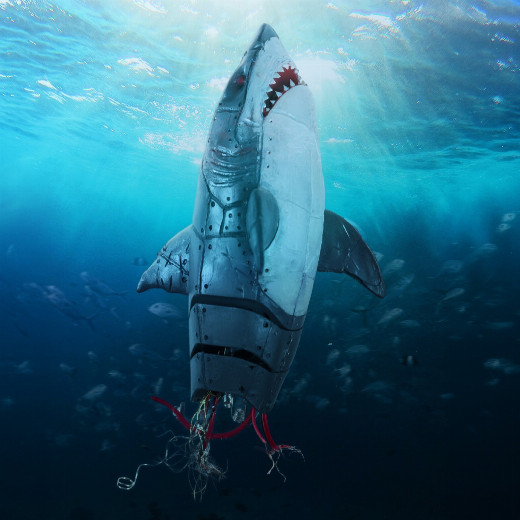
The Shark is Broken Alley Theatre (3/05-3/21) |
|
The Constant Wife Theatre Southwest (4/09-5/01) |
|
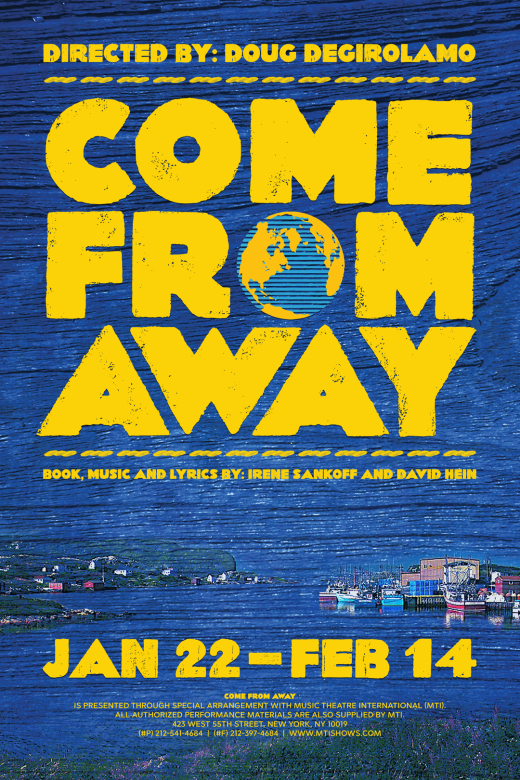
Come From Away BASTROP OPERA HOUSE (1/22-2/14) |
|
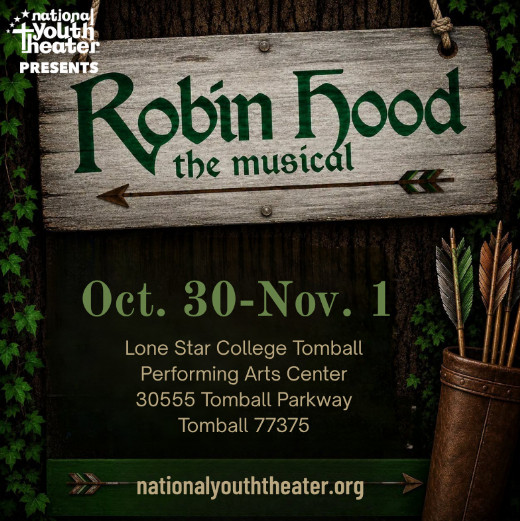
Robin Hood the Musical National Youth Theater (10/30-11/01) |
|
The Who's Tommy Theatre Under The Stars (2/02-2/14) |
