Guest Post: Artistic Director Paul O'Mahony On Staging THE TEMPEST As A Semi-Opera
The artistic director of Out of Chaos theatre company talks about the possibilities opened up by reinventing the play
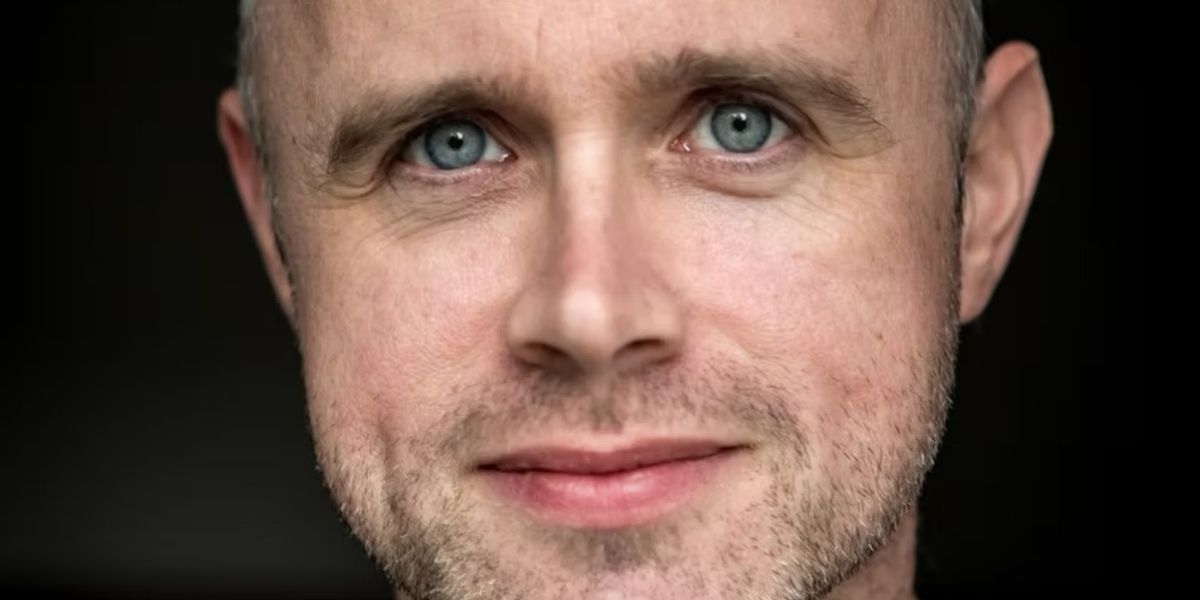
One of the most interesting things about Shakespeare’s The Tempest is the way it looks at power – how we wield it, how we relinquish it, and how hard it is to let go of any kind of authority. It’s really striking that most of the people who pitch up on Prospero’s island start to think quite quickly about how they might rule it. Some of the questions raised are about exerting power over other people, while others are about power over nature and how we manage natural resources. All of which speaks very strongly to audiences in 2026.
.jpg?format=auto&width=800)
Photo Credit: Craig Fuller
The Tempest, of course, has several aspects to it, and it’s been fascinating to work with Vache Baroque on reimagining it as a semi-opera. As a company they are dedicated to making Baroque music accessible to new audiences. They started staging outdoor performances at The Vache [a country estate] in Buckinghamshire during the pandemic and they’ve grown really quickly. I’ve worked with them before on a couple of projects, including one a few years ago where we did a couple of scenes from A Midsummer Night’s Dream as a one-nighter. It went really well so we started thinking about other Shakespeares we could do together.
In a large part what appealed about collaborating on The Tempest was all the music that already exists in the text. At one point, Caliban declares, ‘the isle is full of noises’ and it felt like a very exciting and rich possibility to make that into the fabric of the show. The tradition of reimagining The Tempest as a semi-opera comes from the late 17th century – you have John Dryden and William D’Avenant’s version in 1667, which involves all sorts of extra characters. That was very popular, and different productions had music by composers including Pelham Humfrey, Matthew Locke, and later Purcell.
We didn’t want to use Dryden and D’Avenant’s updated text, but we did want to take some of the music that was created around it alongside other works chosen by the Vache Baroque team. We’ve looked a lot at the different ways the music can help tell the story, sometimes replacing text, sometimes complementing text, sometimes underscoring text. Beyond that there’s a brilliant team that’s created a cinematic surround-sound design. So alongside the musical instruments, there are sounds from nature and even sounds taken from the audience.
One thing we’re doing is recording people’s voices on the day of each performance, so those will be echoing around amid the other noises. We really want to capture that sense of there being spirits in nature. Alongside the sounds from the natural world that are part of this environment – like birdsong and the rustling of wind in the trees – these more curated sounds will heighten the world we want to show.
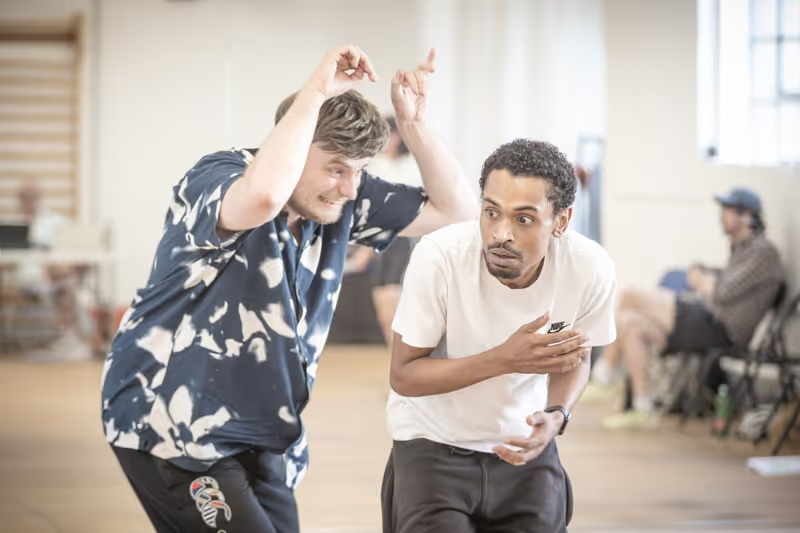
in rehearsal
Photo Credit: Craig Fuller
The setting for the production at The Vache has proved visually inspirational too – we’re right next to a lake and ancient woodland. Working there is a constant reminder of the power of nature and the sense of magic that can come with that. As a company we’re foraging for wood – Prospero’s staff is one of the props that comes directly from our surroundings. There are also moments in the text that relate to the woodland – early on Prospero talks about rescuing Ariel from the pine where the witch Sycorax had imprisoned him. He himself threatens to imprison him in an oak tree if he doesn’t obey him. So the setting really brings it alive, giving a stronger connection to the imagery.
Something that’s surprised me – coming back to the text – is the question of how much of what Prospero does is a plan and how much of it is improvisation. We’ve talked about this a lot. We’ve also been thinking around the story about Caliban and his assault on Prospero’s daughter Miranda – which takes place before the play itself starts. How recent has the assault been, and how does that affect certain scenes? That has yielded some really interesting discussions.
I think that what we’ve created – bringing together baroque musicians, opera singers, and actors – is simultaneously faithful to the original and an exciting reframing. A big part of this is down to the semi-operatic form and the way that it brings everything together. Hopefully that will bring out the magic as well.
The Tempest will play at The Vache (the only country house accessible on the London Underground, at the end of the Metropolitan Line) on 28 & 29 August and 5 & 6 September.
Sign up for all the news on the Fall season, discounts & more...
.jpg?format=auto&width=300)